



Showing 1 - 10 of 10

America's technology blind spot
News, S Alex Yang and Angela Huyue Zhang, Published on 09/12/2024
» Nationalism has emerged as a potent force shaping global tech policy, nowhere more so than in the United States. With Donald Trump returning to the White House for a second term, his vision for America's technological future is coming into sharper focus.

The high cost of GPT-4o 'giveaway'
Oped, Angela Huyue Zhang & S Alex Yang, Published on 08/06/2024
» With the launch of GPT-4o, OpenAI has once again shown itself to be the world's most innovative artificial-intelligence company. This new multimodal AI tool -- which seamlessly integrates text, voice, and visual capabilities -- is significantly faster than previous models, greatly enhancing the user experience. But perhaps the most attractive feature of GPT-4o is that it is free -- or so it seems.

How to regulate generative AI
Oped, S Alex Yang & Angela Huyue Zhang, Published on 20/02/2024
» The impending rollout of the European Union's Artificial Intelligence Act represents the bloc's latest attempt to cement its status as a regulatory powerhouse. This ambitious legislation, which aims to impose stringent regulations on AI technologies, underscores the EU's commitment to proactive governance.

How did China surpass Thailand?
Oped, Peerasit Kamnuansilpa and Wei Yang, Published on 22/12/2022
» Thailand revolutionised its political and administrative systems in 1932, well before China, which did not start until 1949. The shared drive for this revolution was the economic hardship of the populace. Both Thailand and China were poor nations. Their economy stagnated and was under the control of the privileged groups, the elite rulers in the case of Thailand, and the bourgeois in China. People in the countryside were left with economic plight and suffering. Initially, Thailand had taken a leap toward reform by changing into a constitutional monarchy following a coup led by Khana Ratsadon (the People's Party), supported by young military personnel and Thai students who graduated overseas, to spur economic development and improve the economic well-being of the public.
No easy exit from 'zero-Covid'
Oped, S Alex Yang and Angela Huyue Zhang, Published on 30/11/2022
» Following a deadly fire in a residential building in China's Xinjiang region -- which many blame on Covid-19 lockdowns -- Chinese protesters have taken to the streets to demand an end to stringent pandemic restrictions. Even before the protests erupted, there were signs that President Xi Jinping's administration was preparing to roll back the costly zero-Covid policy, though the exact timeline remains uncertain. But this process will be more complicated than many seem to realise.
Speech at the 71st Anniversary Online Reception of the founding of the People's Republic of China
Yang Xin, Published on 30/09/2020
» Ladies and gentlemen, friends,
Forging an ever-deepening bond, 45 years on
Oped, Yang Xin, Published on 01/07/2020
» On July 1, 1975, Premier Zhou Enlai and Prime Minister Kukrit Pramoj signed the Joint Communique on the establishment of diplomatic relations in Beijing, opening a new chapter in China-Thailand relations. Over the past 45 years, the two countries have made remarkable achievements in their respective development paths and bilateral relations have always maintained such sound and stable progress that China-Thailand relations today have become more comprehensive, pragmatic and dynamic.

False report undermines Mekong cooperation
News, Yang Yang, Published on 12/07/2019
» The recent media report on the Mekong River which contained false accusations against China ignores the joint efforts made by China, Thailand and other relevant parties to promote cooperation on Mekong water resources for the benefit of the people in the region. These accusations mislead the readers and undermine the good atmosphere of sub-regional cooperation.
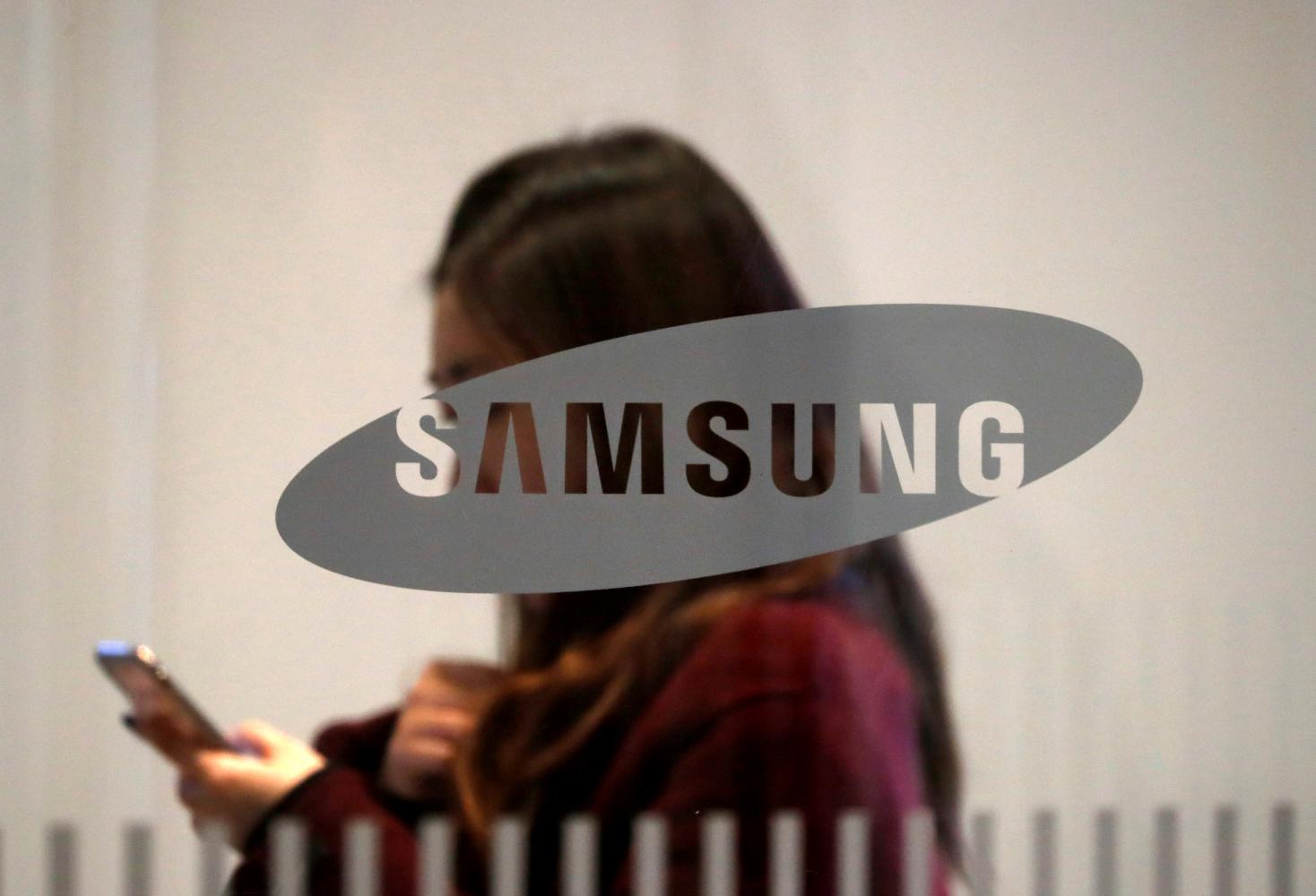
Huawei ban puts South Korea in a familiar place
News, Ju-min Park & Heekyong Yang, Published on 31/05/2019
» Less than a week after Huawei Technologies was blacklisted by the United States, more than a hundred South Korean politicians and business leaders toured the Chinese tech giant's headquarters and its lavish new campus outside Shenzhen.

Trade war risks triggering a Chinese debt crisis
News, Anne Stevenson-Yang, Published on 19/07/2018
» There's no chance China will cut its trade surplus with the US in response to President Donald Trump's tariff threats. For starters, Washington has made no specific demand to which Beijing can respond. But its efforts may have an unexpected side effect: a debt crisis in China.