



Showing 1 - 10 of 16
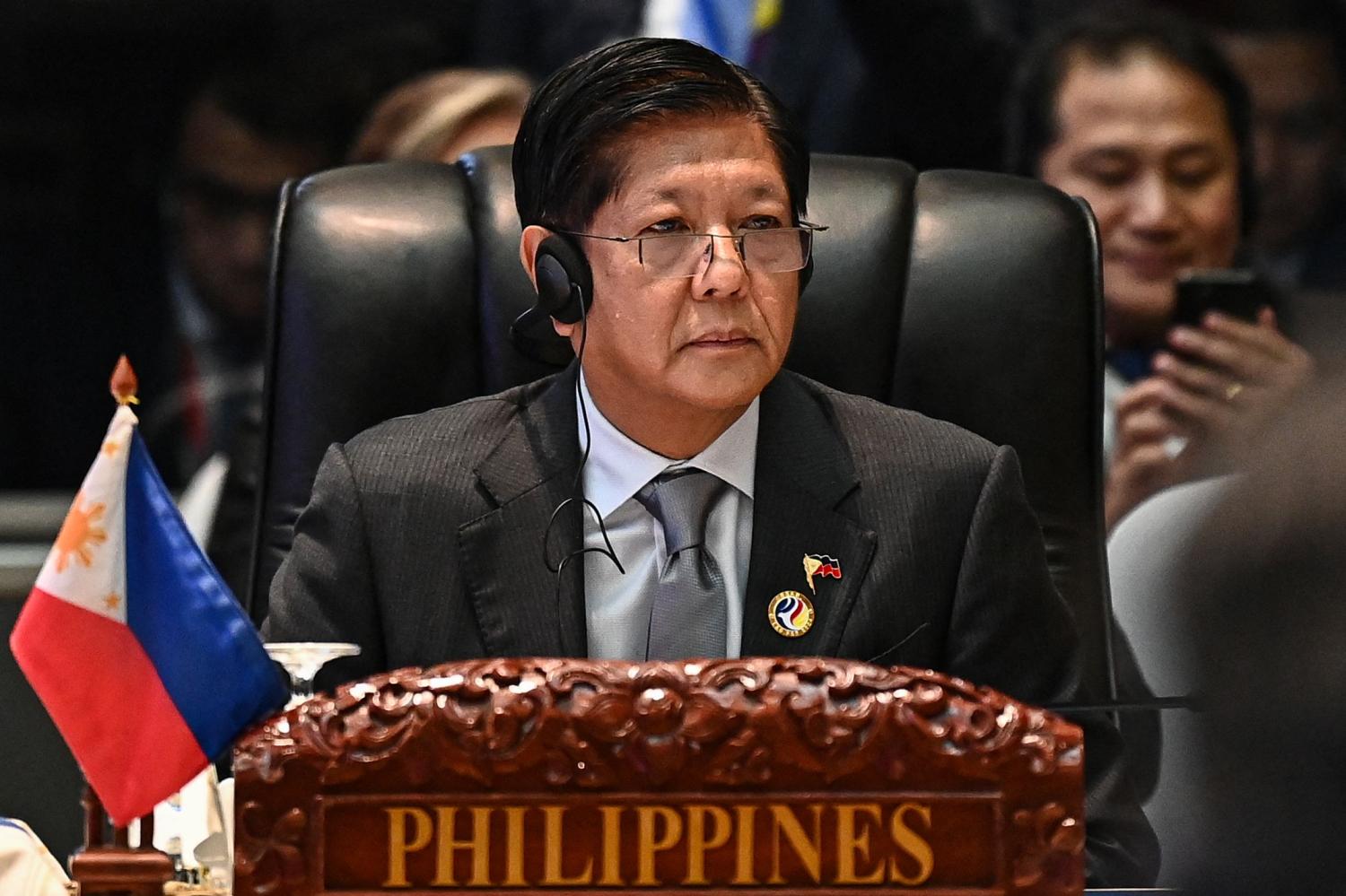
Philippines' crucial Asean test
Oped, Simon Hutagalung, Published on 21/01/2026
» The Association of Southeast Asian Nations (Asean) has its own administration. Member states take turns leading the organisation through an annual chairmanship, a system designed to give all members equal opportunities to shape regional priorities.

When flood warnings come too late
News, Simon Wang, Published on 29/11/2025
» Pictures can speak a thousand words; images can induce rivers of tears and break so many hearts. Viral images are too grim to look at. Thirty newborns in a darkened ward. Nurses working by flashlight. Outside, streets had become rivers. Parents could not reach their children. In Hat Yai, the water pushed past the second floor.
Indonesia and Nepal's 2025 wake-up call
Oped, Simon Hutagalung, Published on 12/09/2025
» Two nations with different characteristics -- Indonesia and Nepal -- experienced identical severe storms when 2025 arrived. The people of Jakarta took to the streets to express their discontent about elite advantages, economic difficulties and government secrecy. The Nepalese government issued a ban on 26 social media platforms, which triggered youth protests that evolved into violent civil unrest throughout Kathmandu.
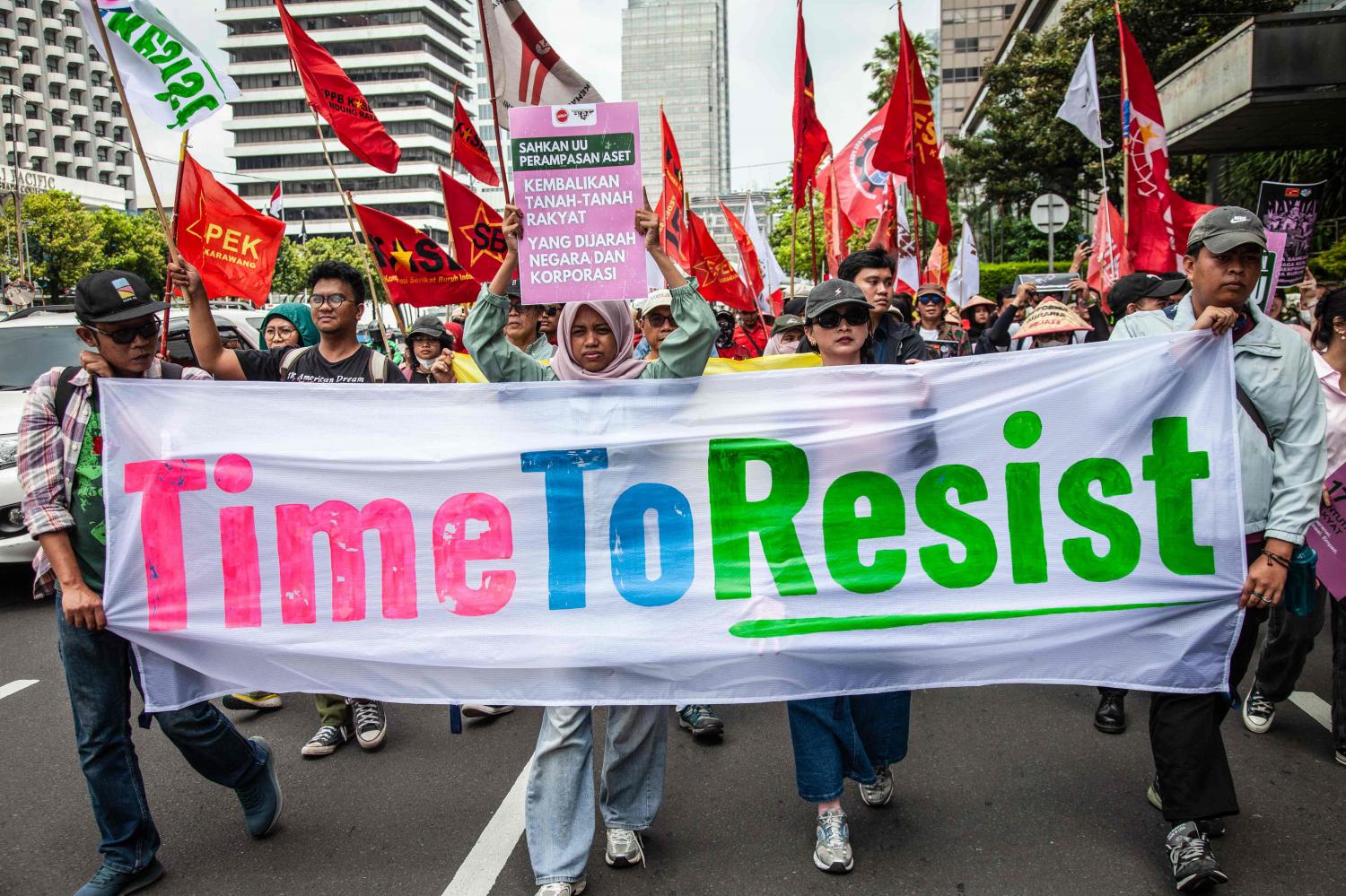
Jakarta's crisis is Asean's problem
Oped, Simon Hutagalung, Published on 08/09/2025
» The Association of Southeast Asian Nations (Asean) has relied on the domestic stability of its member states to achieve regional unity, and Indonesia, as the largest and most populous nation in the bloc, has served as the primary stabilising force.

Planning for a future beyond 1.5C
Oped, Simon Zadek, Published on 22/11/2023
» The negotiators and activists preparing to attend the upcoming United Nations Climate Change Conference (COP28) in Dubai are grimly aware that there is no realistic chance of limiting global warming to 1.5° Celsius above pre-industrial levels. But what has become an open secret in climate circles must be shared more widely. Paradoxically, it may be the only way to muster the political will needed to eschew incrementalism in favour of disruptive action that is commensurate with the scale of the challenge.

New playbook to preserve nature
News, Sandrine Dixson-Declève & Simon Zadek, Published on 14/08/2023
» The global economy is addicted to the relentless extraction of natural resources. Yet despite our complete dependence on nature, its contribution -- for example, the water used to make your clothes or the soil in which your food is grown -- is implicit and largely invisible. Building an equitable, nature-positive future thus requires a new generation of principles-based and well-governed markets for ecosystem assets and services.

New playbook to preserve nature
Oped, Sandrine Dixson-Declève & Simon Zadek, Published on 09/08/2023
» The global economy is addicted to the relentless -- and unsustainable -- extraction of natural resources. Yet despite our complete dependence on nature, its contribution -- for example, the water used to make your clothes or the soil in which your food is grown -- is implicit and largely invisible. Building an equitable, nature-positive future thus requires a new generation of principles-based and well-governed markets for ecosystem assets and services.

Hollywood writers' AI fight is everyone's fight
Oped, Daron Acemoglu, Simon Johnson & Austin Lentsch, Published on 05/08/2023
» Artificial intelligence is big business's new flavour of the month. Companies are rushing to showcase how they will be using new generative AI models, and the media is full of stories about the technology's transformative potential. There is no denying that it could significantly increase productivity. But who stands to benefit? The ongoing Writers Guild of America (WGA) strike may offer an answer.

The geopolitics of nature requires collaboration
Oped, Simon Zadek, Published on 13/06/2023
» From Russia's war against Ukraine to US rivalry with China, tectonic geopolitical shifts have shaken multilateralism in recent years. While many of the consequences, from surging food and energy prices to the rising risks of major conflict, have been discussed at length, more attention must be devoted to the implications of these shifts for efforts to address the multifaceted climate and nature crisis.

How to fix the platform economy in digital era
Oped, Daron Acemoglu and Simon Johnson, Published on 25/03/2023
» Meta (Facebook), Alphabet (Google), Microsoft, Twitter, and a few other tech companies have come to dominate what we see and hear on the internet, shaping hundreds of millions of people's perceptions of the world.