



Showing 1 - 10 of 32
2026 outlook calls for recalibration
News, Mohamed A El-Erian, Published on 17/01/2026
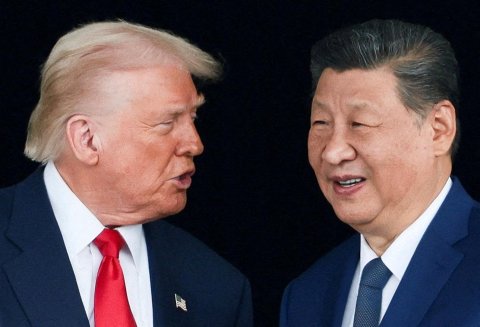
» For global markets, 2025 was defined as much by what did not happen as by what did. The year offered a masterclass in the power of a single narrative, with massive, concentrated bets on AI masking various other unanswered questions. Yet as we move further into 2026, the AI narrative is unlikely to prove strong enough to continue overshadowing other lingering uncertainties, many of which reflect deeper structural shifts. For investors, central banks, and governments alike, the situation demands adaptation.

New tech disrupts global order
Oped, Mark Blyth & Daniel Driscoll, Published on 18/11/2025
» News media tend to focus on the world's major powers because they command more resources by dint of their relatively larger economies, militaries and energy endowments. But there are costs to such dominance. For example, a single American Gerald R Ford-class aircraft carrier costs $13 billion (421.6 billion baht), while the F-35 fighter jet costs about $100 million. So, if you can build your military equipment for less than your opponent, you can gain a strategic advantage.
Rethinking development in an era of upheaval
News, Mohamed A El-Erian, Published on 14/08/2025
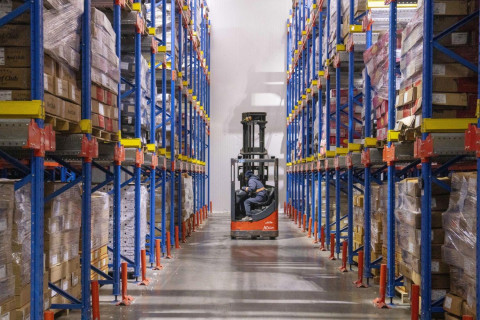
» For many developing countries, the global economic landscape has shifted dramatically in recent years. Lower growth, disrupted supply chains, reduced aid flows, and heightened financial-market volatility represent significant headwinds. Underpinning these changes is a fundamental restructuring, driven by the developed world, of the postwar economic and financial order. Against this background, a handful of factors are becoming critically important for the current and future well-being of developing countries -- and for the fate of multilateral institutions.

Tackling dengue threat together
News, Prasert Auewarakul & Vanessa Daniel, Published on 14/06/2025
» In the face of a changing climate, now is the time for Asean member states to develop a cure for dengue.
Where is US economic policy taking us this time?
Oped, Mohamed A. El-Erian, Published on 29/05/2025
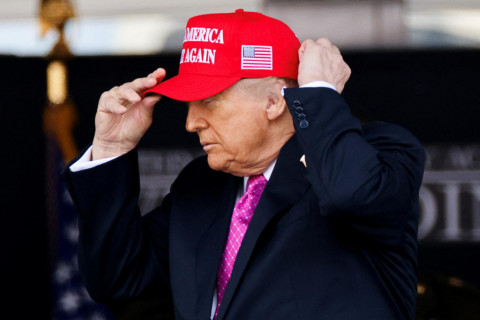
» Although this year is not even half over, it is already likely to feature in history books as one of extreme policy-induced volatility -- not only in financial markets but also in terms of economic narratives and international relations. But where it will lead remains to be seen. Are we witnessing the fragmenting of the US domestic and international order, or just a bumpy ride towards a beneficial rewiring of both?
A baseline scenario for the global economy
Oped, Mohamed A El-Erian, Published on 28/12/2024
» It is something of a tradition every December to take stock of the year that is ending and consider what might lie ahead. This is true on a personal level: in my family, we tend to do this around the dinner table. But it is also true more broadly, with the time of year inviting an examination of the intersection of economics, national politics, and global geopolitics.
Once again, it was the economy, stupid
Oped, Mohamed A El-Erian, Published on 15/11/2024
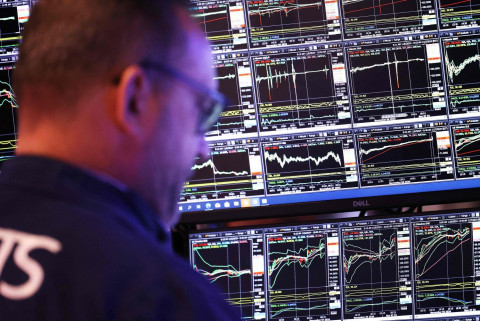
» 'It's the economy, stupid!" This famous mantra, coined by the political strategist James Carville, helped Bill Clinton unseat President George H W Bush in 1992, and now it explains another election. The economy played a critical role in the 2024 presidential race, creating the conditions not only for Donald Trump to trounce Kamala Harris, and for the Republicans to gain control of the Senate and the House of Representatives, but possibly also for a counter-elite to usher in a new power structure.
Moving towards a fifth world order
Oped, Gordon Brown & Mohamed A El-Erian, Published on 26/10/2024
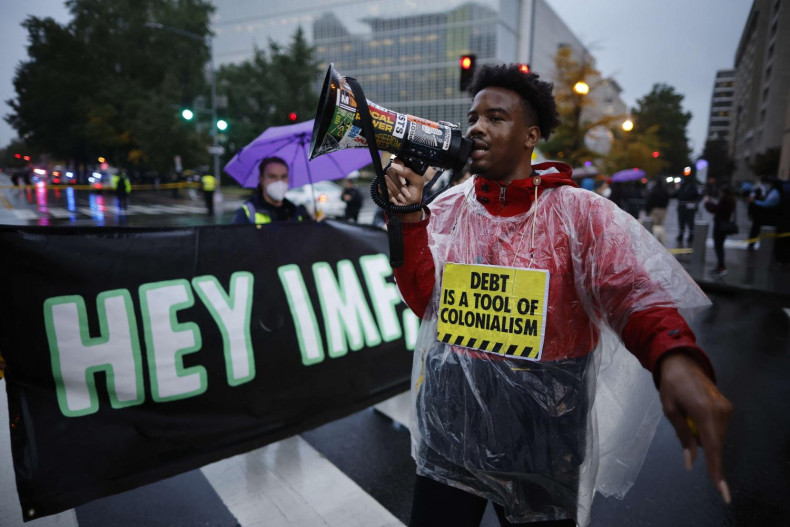
» The Bretton Woods institutions -- the International Monetary Fund and the World Bank -- are now 80 years old. But they are as under-resourced and poorly supported by national governments as at any time in their history. Their predicament is perhaps the clearest sign that economic and financial multilateralism is fragmenting along with the global economy. Worse, this fragmentation comes at a time of rising international tensions, financial fragility, sputtering growth, rising poverty, and mounting reconstruction bills in Gaza, Lebanon, Ukraine, and elsewhere.

Multilateralism can bring success
Oped, Emmanuel Macron, José Manuel Barroso & Mohamed Cheikh El Ghazouani, Published on 21/06/2024
» Multilateralism, we are told, is in retreat. But we cannot let retrenchment and fragmentation take over. From climate change and biodiversity collapse to the conflicts, geopolitical tension, and turbulence afflicting today's world, we know that overcoming global challenges requires renewed and strengthened forms of global cooperation.

Don't rely on last year's trends for global economy
Oped, Mohamed A El-Erian, Published on 16/01/2024
» Behavioural economists have popularised the term "recency bias" to describe our tendency to be disproportionately influenced by the latest events compared to earlier ones. Could this cognitive phenomenon explain why numerous analysts have a rather optimistic tilt for the world economy in 2024? Or are there really positive trends counterbalancing the obvious and mounting challenges to global growth?