



Showing 1 - 10 of 63

New tech disrupts global order
Oped, Mark Blyth & Daniel Driscoll, Published on 18/11/2025
» News media tend to focus on the world's major powers because they command more resources by dint of their relatively larger economies, militaries and energy endowments. But there are costs to such dominance. For example, a single American Gerald R Ford-class aircraft carrier costs $13 billion (421.6 billion baht), while the F-35 fighter jet costs about $100 million. So, if you can build your military equipment for less than your opponent, you can gain a strategic advantage.
Wall Street risks shorting freedom in HK
Oped, Mark L Clifford, Published on 31/10/2025
» In early November, Wall Street's big guns will head to Hong Kong for a global financial summit, dining at the Palace Museum (featuring Chinese imperial works on loan from Beijing) before meeting at the nearby Rosewood Hotel -- one of the city's swankiest. There, the top brass from Goldman Sachs, Morgan Stanley, JPMorgan and another 100 financial firms will enjoy delicious food and breathtaking views as Hong Kong's leaders pitch them on the profits to be made in the former British colony.

What's to blame for inequality?
Oped, Keun Lee, Published on 01/09/2025
» Over a decade ago, Nobel laureates Daron Acemoglu and James A Robinson, together with their co-author Thierry Verdier, contrasted America's "cutthroat" brand of capitalism with Western Europe's "cuddly" version. The qualities that make cutthroat capitalism more conducive to innovation, they argued, also lead to higher levels of inequality, while cuddly reward structures tend to lead to lower growth and higher welfare. Today, inequality is soaring, notably in the United States. Do policies aimed at boosting innovation risk making a bad situation worse?
Can Europe, China forge a climate connection?
Oped, Emmanuel Guerin & Bernice Lee, Published on 12/08/2025
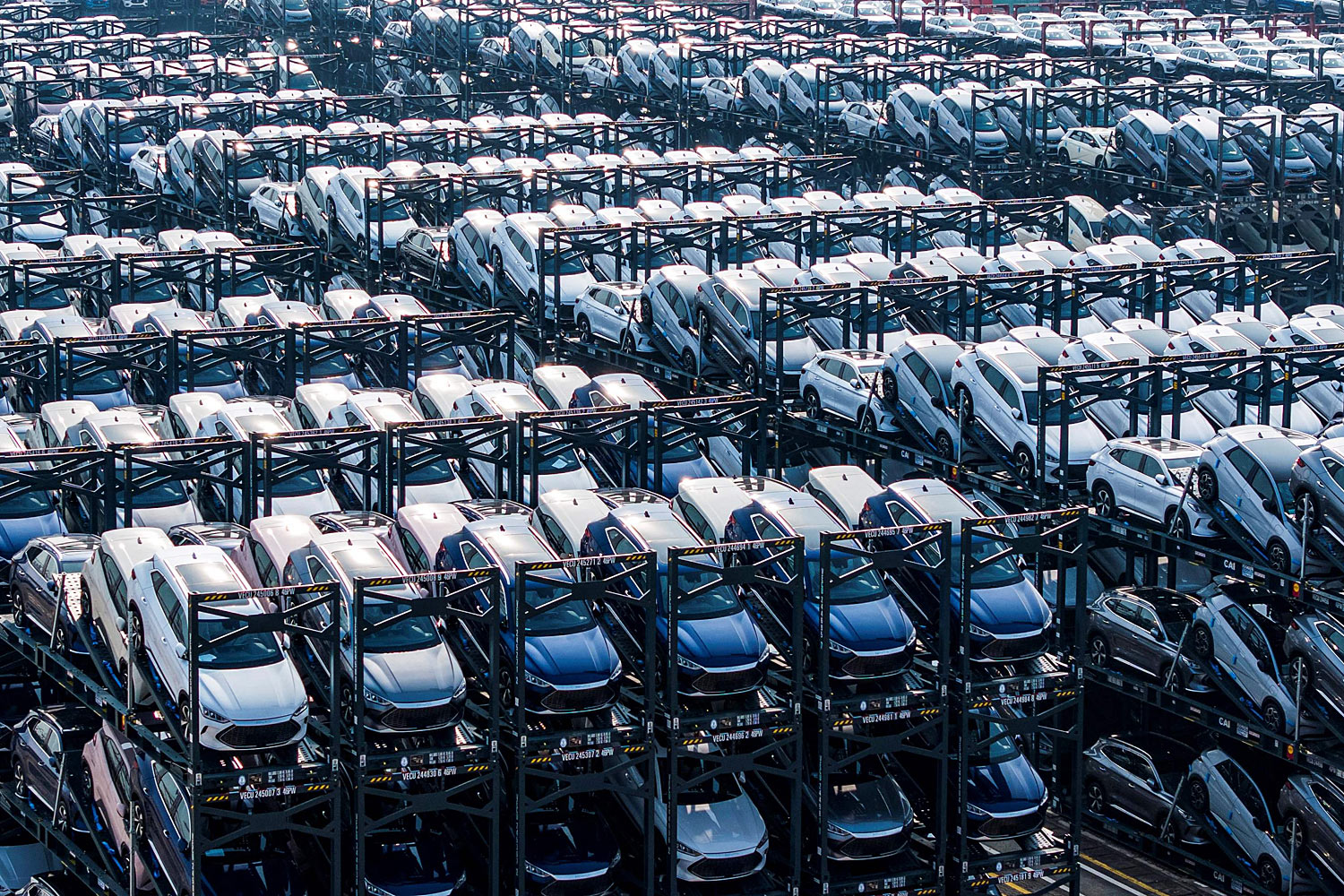
» Earlier this year, the Chinese firm CATL, the world's largest battery-maker, unveiled an electric-vehicle (EV) battery capable of delivering a remarkable 520 kilometres (323 miles) of driving range after just five minutes of charging. The announcement came a month after BYD, China's leading EV manufacturer, launched its own ultra-fast charging system. In solar, too, the numbers are staggering: Chinese firms can now produce over 1,200 gigawatts of solar panels annually.
Cost, benefit of global value chain
Oped, Keun Lee and Isabel Álvarez, Published on 11/07/2025
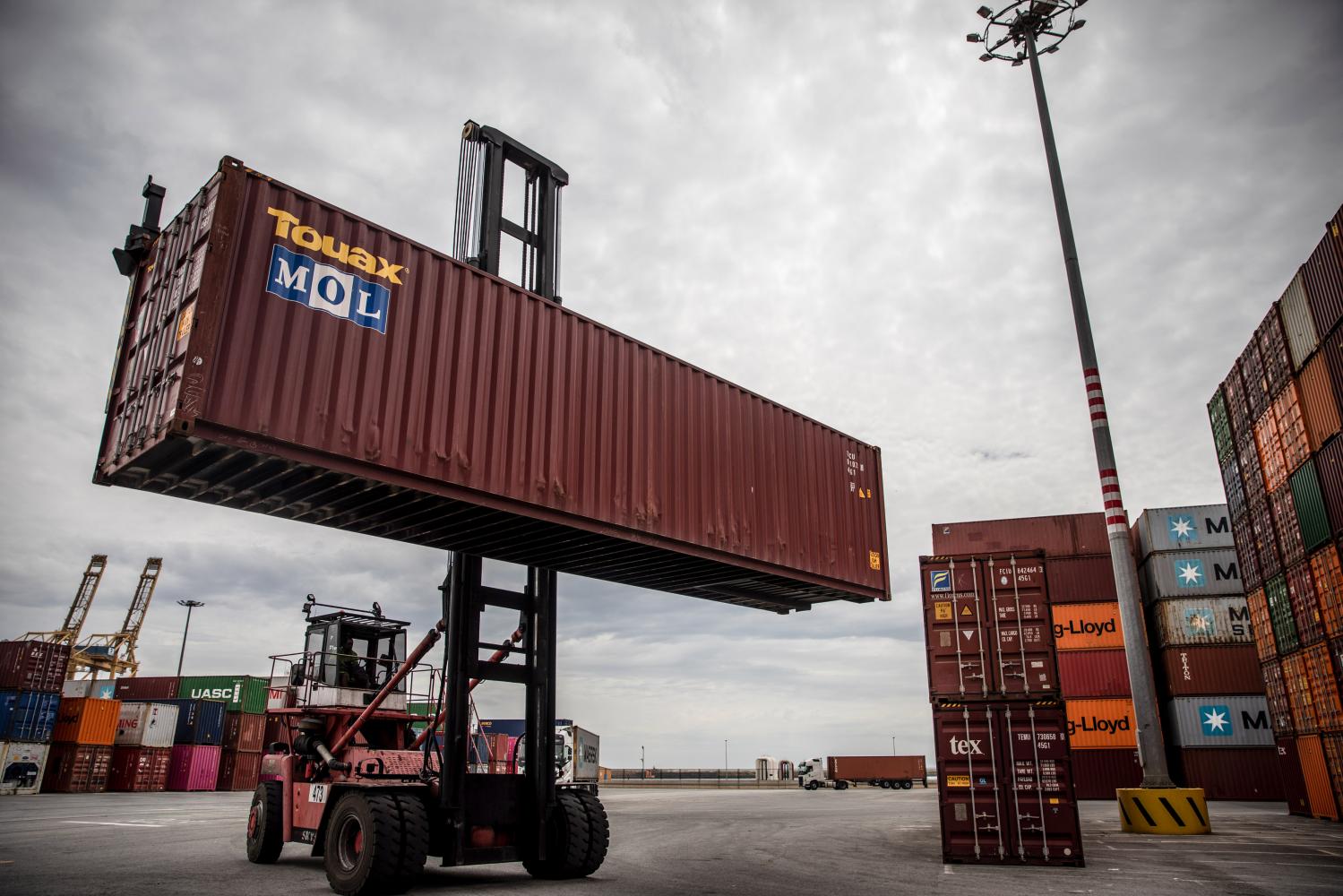
» Geopolitics are a major driver of the deglobalisation now being spearheaded by the United States. But there are also economic arguments to be made for bringing supply chains closer to home. So, what are the economic costs of globalisation, and do they outweigh the benefits?

UK signs up to help Mekong basin
News, Mark Gooding, Published on 21/06/2025
» Thailand is facing increasing risks from climate change -- as recent typhoons and flooding have shown.

Asean+3's role in a rapidly fragmenting world
News, Hoe Ee Khor & Jae Young Lee, Published on 20/06/2025
» The risks posed by the fragmentation of the multilateral trading system transcend mere inefficiencies. Without a coherent, rules-based framework, global value chains will become vulnerable, investment risks will rise, and smaller, trade-dependent economies will be left increasingly exposed to the arbitrariness of bigger nations.

Casino bill latest throw of the dice
Oped, Yuangrat Wedel & Paul Wedel, Published on 29/01/2025
» The Thai government is once again struggling to establish a consistent and enforceable policy on gambling, hoping to win big on tourists, revenue, and jobs. This is the latest twist in more than a century of shifting approaches to games of chance.

LA fires reveal limits of California's utility fund
News, Mark Chediak & Eliyahu Kamisher, Published on 21/01/2025
» Financial losses from the devastating Los Angeles wildfires are mounting after the blazes incinerated entire neighbourhoods and destroyed thousands of homes. And now, investors are growing increasingly concerned that a US$21 billion (720 billion baht) state fund crafted to backstop utilities will fall far short of what's needed if companies are found liable.

Is the 'middle-income trap' real?
Oped, Keun Lee, Published on 31/12/2024
» The term "middle-income trap" refers to the tendency of fast-growing developing economies to lose momentum well before they achieve high-income status. First introduced by World Bank economist Indermit Gill and the Brookings Institution's Homi Kharas in 2007, the concept has since become the subject of intense debate among economists.