



Showing 1 - 10 of 42

What's to blame for inequality?
Oped, Keun Lee, Published on 01/09/2025
» Over a decade ago, Nobel laureates Daron Acemoglu and James A Robinson, together with their co-author Thierry Verdier, contrasted America's "cutthroat" brand of capitalism with Western Europe's "cuddly" version. The qualities that make cutthroat capitalism more conducive to innovation, they argued, also lead to higher levels of inequality, while cuddly reward structures tend to lead to lower growth and higher welfare. Today, inequality is soaring, notably in the United States. Do policies aimed at boosting innovation risk making a bad situation worse?
Can Europe, China forge a climate connection?
Oped, Emmanuel Guerin & Bernice Lee, Published on 12/08/2025
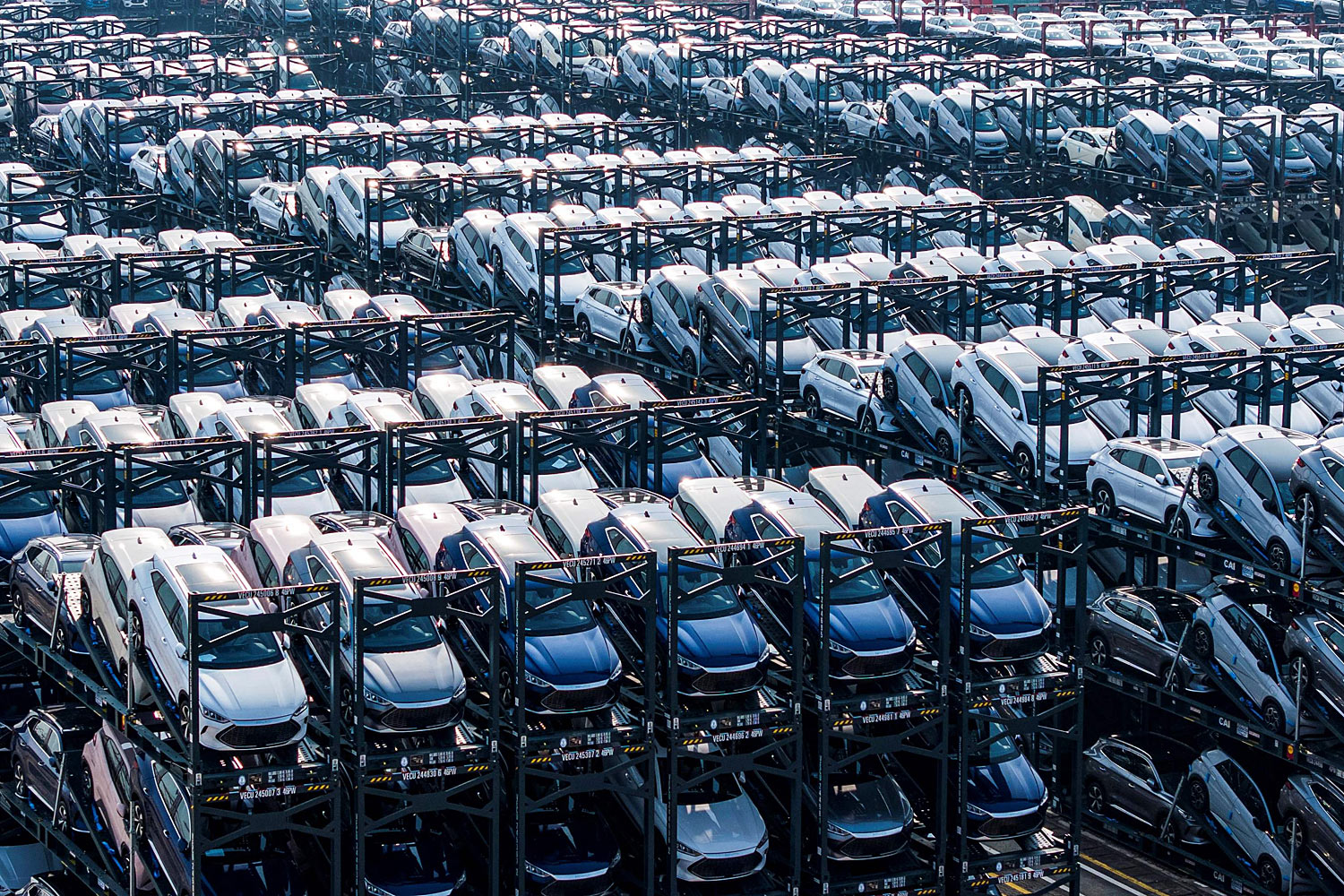
» Earlier this year, the Chinese firm CATL, the world's largest battery-maker, unveiled an electric-vehicle (EV) battery capable of delivering a remarkable 520 kilometres (323 miles) of driving range after just five minutes of charging. The announcement came a month after BYD, China's leading EV manufacturer, launched its own ultra-fast charging system. In solar, too, the numbers are staggering: Chinese firms can now produce over 1,200 gigawatts of solar panels annually.
Cost, benefit of global value chain
Oped, Keun Lee and Isabel Álvarez, Published on 11/07/2025
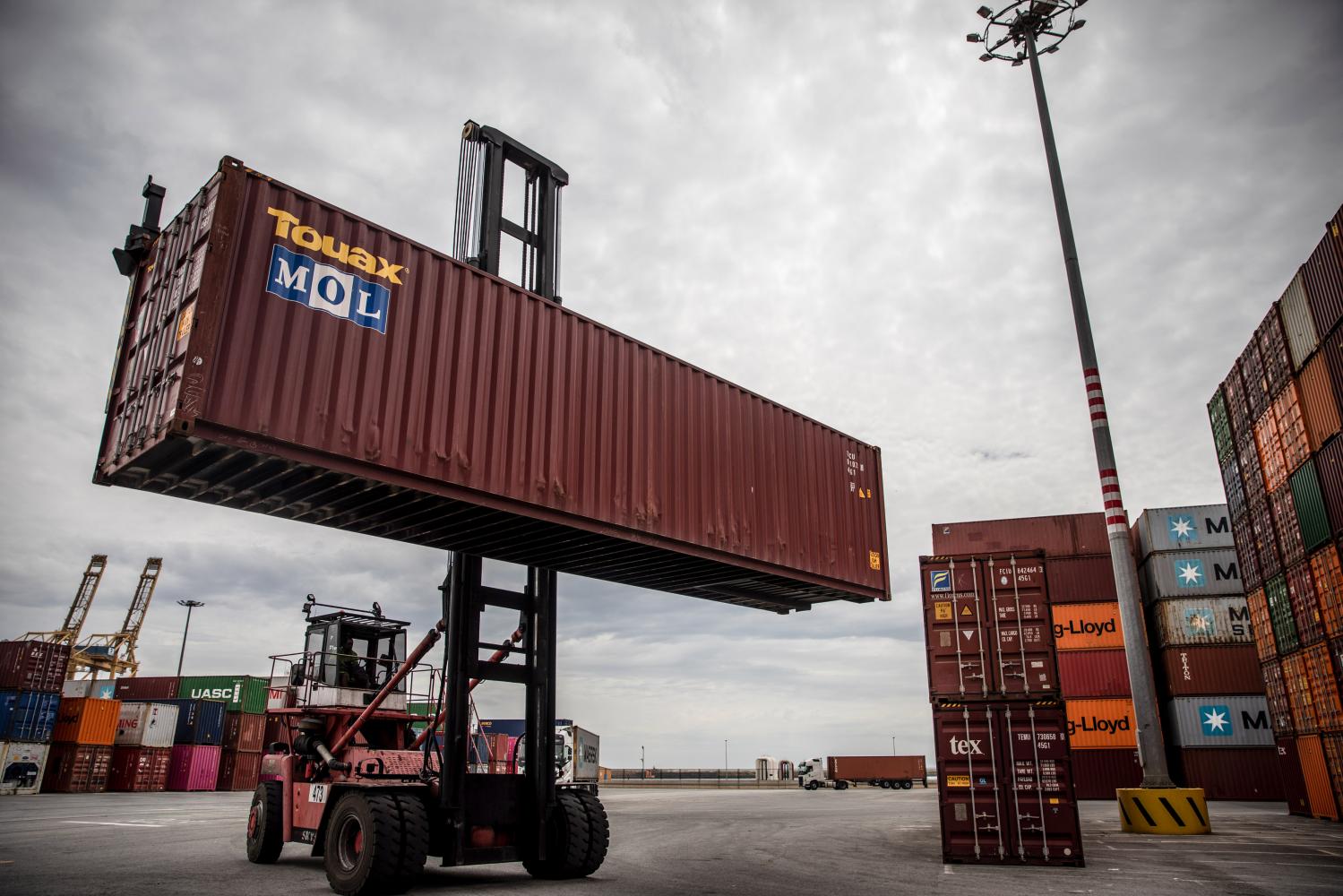
» Geopolitics are a major driver of the deglobalisation now being spearheaded by the United States. But there are also economic arguments to be made for bringing supply chains closer to home. So, what are the economic costs of globalisation, and do they outweigh the benefits?

Asean+3's role in a rapidly fragmenting world
News, Hoe Ee Khor & Jae Young Lee, Published on 20/06/2025
» The risks posed by the fragmentation of the multilateral trading system transcend mere inefficiencies. Without a coherent, rules-based framework, global value chains will become vulnerable, investment risks will rise, and smaller, trade-dependent economies will be left increasingly exposed to the arbitrariness of bigger nations.

Is the 'middle-income trap' real?
Oped, Keun Lee, Published on 31/12/2024
» The term "middle-income trap" refers to the tendency of fast-growing developing economies to lose momentum well before they achieve high-income status. First introduced by World Bank economist Indermit Gill and the Brookings Institution's Homi Kharas in 2007, the concept has since become the subject of intense debate among economists.

Central banks can play a bigger role
News, Soohyung Lee, Published on 16/12/2024
» South Korea's remarkable transformation from one of the world's poorest countries to one of the richest is unparalleled in recent history. But while official data show robust growth and low unemployment, the economy remains beset by deep structural challenges that could have a profound impact on its future prosperity.

Taiwan signals new openness to nuclear power
News, Matthew Winkler, Miaojung Lin, Debby Wu and Yian Lee, Published on 23/10/2024
» Taiwan is "very open" to using new nuclear technology to meet surging demand from chipmakers devouring electricity in the AI boom, according to Premier Cho Jung-tai -- one of the strongest signs yet that the government is rethinking its opposition to reactors.
Time to boost South-South ties
News, Jong-Jin Kim, Published on 12/09/2024
» In the Asia-Pacific region, countries are turning increasingly toward their neighbours for ideas on sustainable development.
India needs big businesses to break through
News, Keun Lee, Published on 02/09/2024
» At a time of growing doubts about China's economic prospects, India's rise has been attracting increasing attention, with some predicting that the country will become the developing world's next economic superstar. Whether you believe India can be the "next China", however, may depend on whether you subscribe more to "young" or "old" Schumpeterian logic.

Getting employed after retirement
Oped, Lee Yin Lan, Published on 25/07/2024
» The question of what to do after retirement and employment becomes increasingly pertinent in countries around the world including Malaysia which is making its transition into an ageing society, with an extended average lifespan of 74.8 years, according to 2023 data from the Department of Statistics.