



Showing 1 - 10 of 21
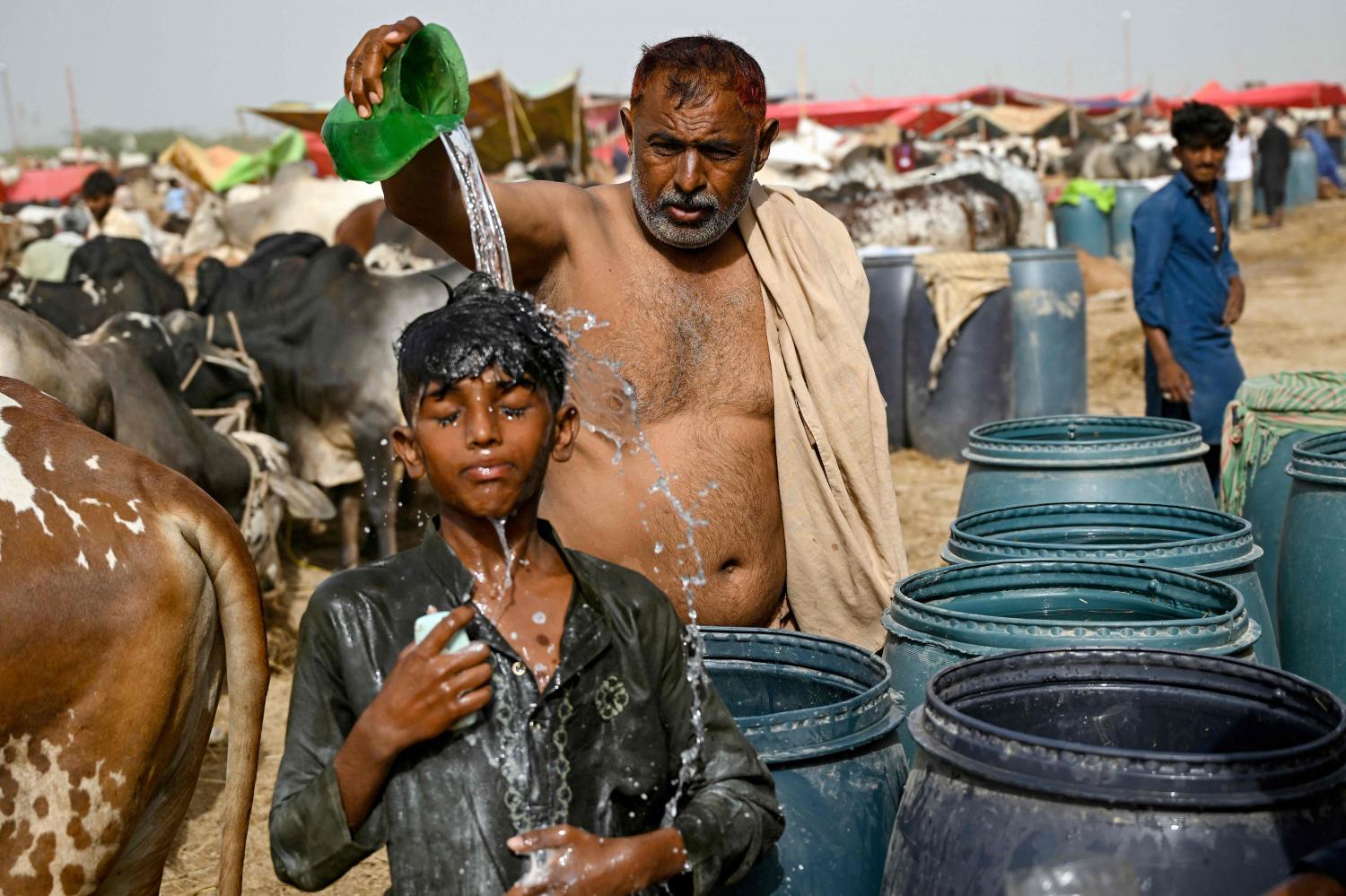
Rising heat needs urgent response
Oped, Armida Salsiah Alisjahbana, Published on 24/11/2025
» 2024 was the hottest on record globally. In Asia and the Pacific, Bangladesh was the worst-hit country, with about 33 million people affected by lower crop yields that destabilised food systems, along with extensive school closures and many cases of heatstroke and related diseases. Children, the elderly and low-wage earners in poor and densely populated urban areas suffered the most, as they generally had less access to cooling systems or to water supplies and adequate healthcare. India, too, was badly affected, with around 700 heat-related deaths mostly in informal settlements.

'Greener' transport key to growth
News, Armida Salsiah Alisjahbana, Published on 25/11/2024
» Across the Asia-Pacific region, especially in urban centres, electric cars and buses are increasingly replacing petrol-powered ones as a means of transportation. Aided by the ubiquity of smart devices, smart mobility and other transport innovations are significantly reshaping everyday life through ride-sharing apps, driver assistance technology and real-time traffic management.

Protection in the megatrend age
Oped, Armida Salsiah Alisjahbana, Published on 08/10/2024
» Social protection systems are essential to achieving the 2030 Agenda for Sustainable Development.

Demography 'key' for Asia-Pacific
News, Armida Salsiah Alisjahbana and Natalia Kanem, Published on 13/11/2023
» Asia and the Pacific is an economic powerhouse, fuelled by its vibrant and diverse population. Comprising 60% of the world's population, this region is bursting with both a wealth of experience and untapped potential. Exciting advancements have been made here, in education; health care, including sexual and reproductive health; jobs, and sustainable development. Yet there is a catch: this progress has not been evenly distributed. In fact, inequity pervades the region, especially within individual countries.

Rethinking public debt as a positive
Oped, Armida Salsiah Alisjahbana, Published on 04/04/2023
» The unprecedented fiscal firepower used to protect the vulnerable from the harsh socio-economic impact of the Covid-19 pandemic and the resulting economic contraction have pushed the average government debt level in the Asia-Pacific region to its highest since 2008.

How to drive sustainable growth
Oped, Armida Salsiah Alisjahbana, Published on 16/02/2023
» Rapid development in Asia and the Pacific has propelled the region to become a key engine of growth for the global economy, yet this prosperity has not reached everyone. And with the region not on track to achieve the Sustainable Development Goals by 2030, much work lies ahead of us.

Can Asia-Pacific get to net zero?
Oped, Armida Salsiah Alisjahbana, Published on 29/11/2022
» The recent climate talks in Egypt have left us with a sobering reality: The window for maintaining global warming to 1.5 degrees is closing fast and what is on the table currently is insufficient to avert some of the worst potential effects of climate change. The Nationally Determined Contribution targets of Asian and Pacific countries will result in a 16% increase in greenhouse gas emissions by 2030 from the 2010 levels.
A bigger role for the disabled
Oped, Armida Salsiah Alisjahbana, Published on 20/10/2022
» Ten years ago, the Asia-Pacific region came together and designed the world's first set of disability-specific development goals: the Incheon Strategy to "Make the Right Real" for Persons with Disabilities.

Shaping up for our digital future
News, Armida Salsiah Alisjahbana, Published on 30/08/2022
» Asia and the Pacific is the most digitally divided region of the world, and Southeast Asia is the most divided subregion. The Covid-19 pandemic detonated a "digital big bang" that spurred people, governments and businesses to become "digital by default"; a sea change that generated vast digital dividends. These benefits that have not been distributed equally, however. New development gaps have emerged as digital transformation reinforces a vicious cycle of socioeconomic inequalities, within and across countries.
Act now on sustainability goals
Oped, Armida Alisjahbana, Woochong Um and Kanni Wignaraja, Published on 14/07/2022
» The start of a "Decade of Action" to achieve the United Nations' Sustainable Development Goals (SDGs) has also marked beginning of an unprecedented period of overlapping crises.