



Showing 1 - 10 of 2,405
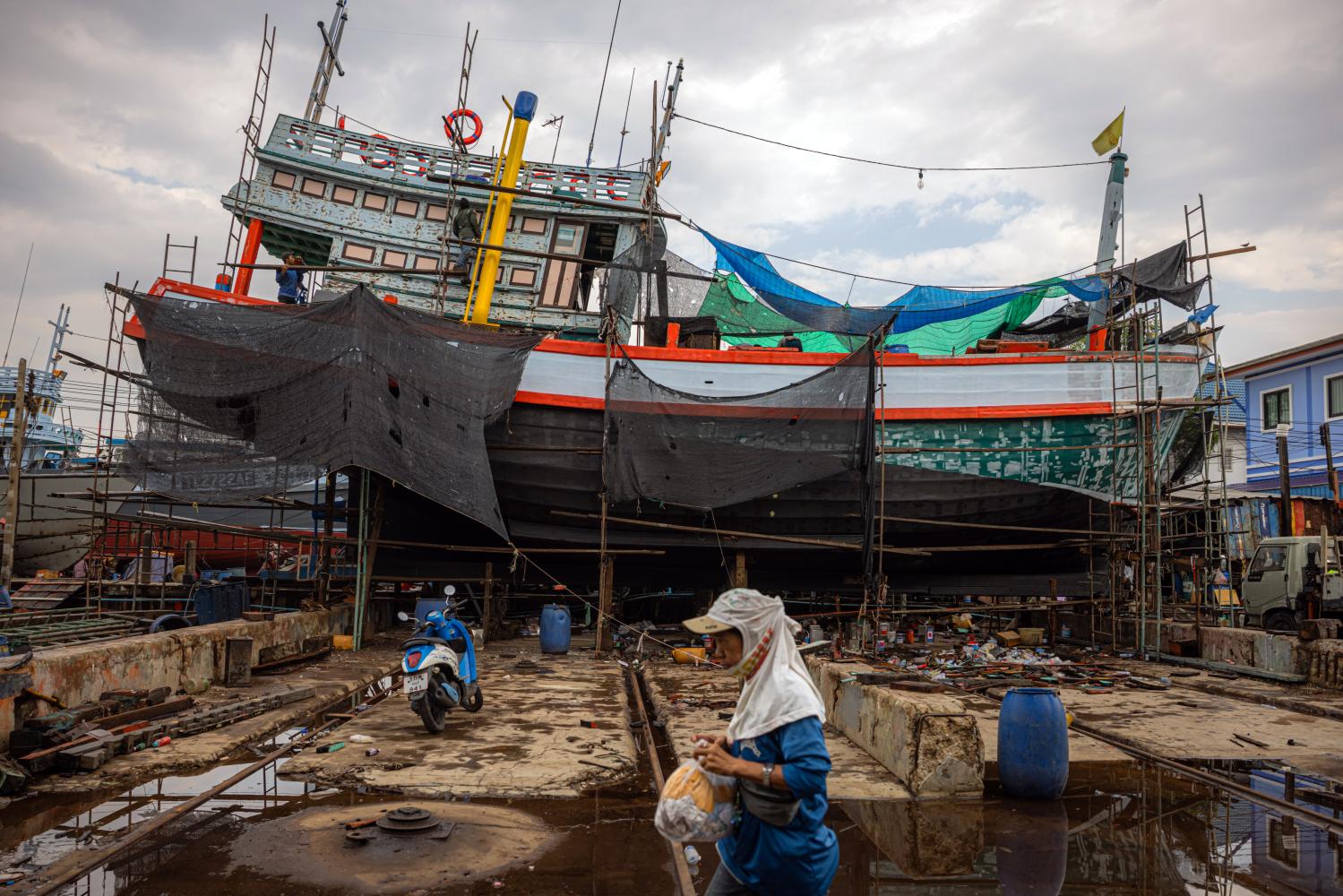
Oil shock risks wider chain reaction
Oped, Chartchai Parasuk, Published on 16/04/2026
» There is no such thing as a free lunch. When global oil prices rise sharply, as they are doing now, someone must bear the cost. Some countries choose to absorb it through government support, as in Japan, while others pass the burden on to consumers, as in Thailand. Neither approach is inherently right or wrong; each carries different economic consequences. Policymakers must decide which set of outcomes is more acceptable and act accordingly.
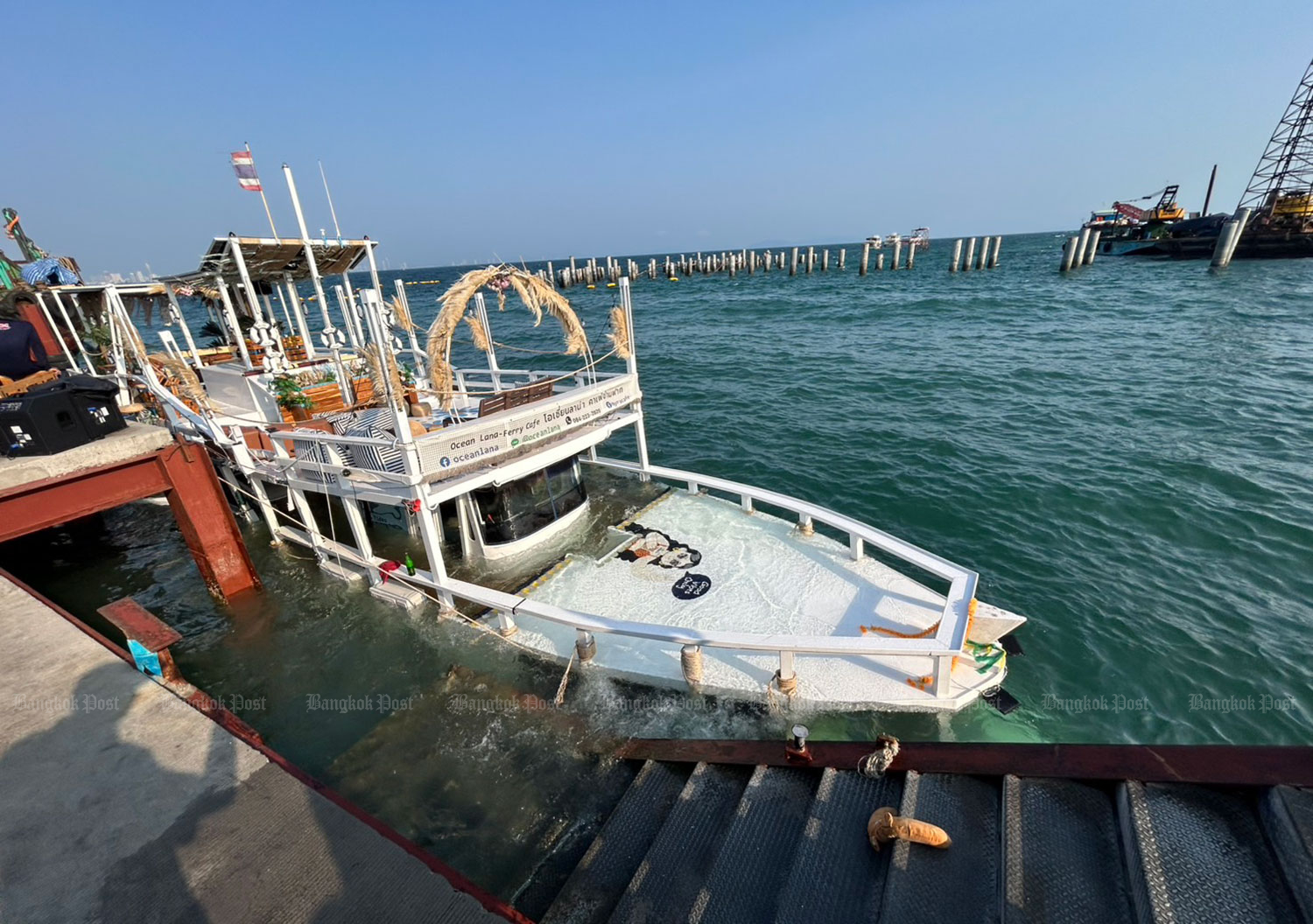
Ferry to Koh Larn sinks after striking pier, passengers safe
Amporn Sangkaew, Published on 15/04/2026
» PATTAYA - Panic briefly gripped passengers when a three‑deck ferry struck a pier structure while docking at Koh Larn on Wednesday, damaging its stern and causing it to partially sink. All on board escaped unharmed.
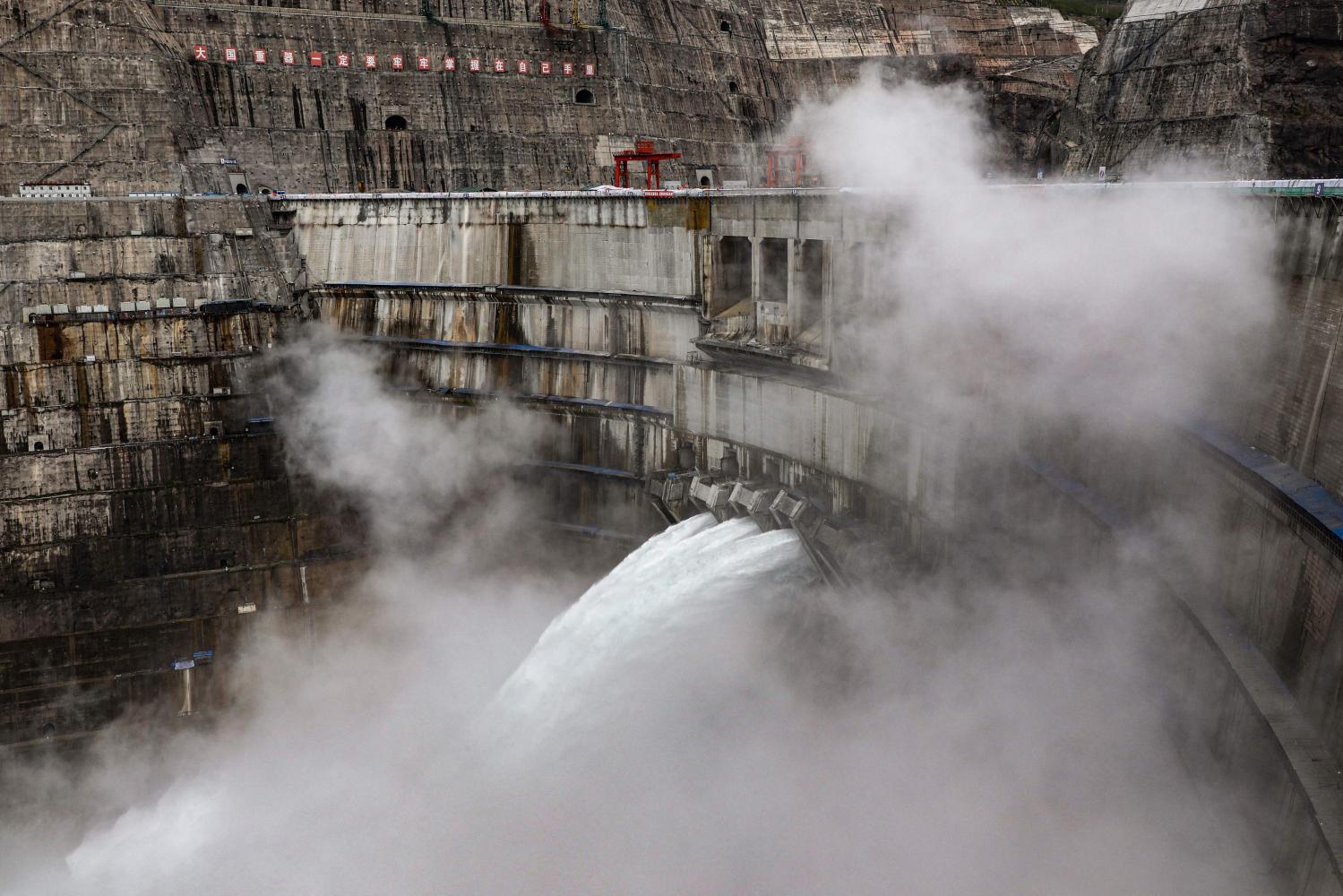
China's water security ambitions
News, Amit Ranjan and Genevieve Donnellon-May, Published on 15/04/2026
» China holds only 6% of the world's fresh water, which supports nearly 20% of the global population and generates over 18% of global gross domestic product. The country faces water challenges largely due to water quality concerns and significant spatio-temporal imbalances.

It can even get a bit chilly in Hell
Roger Crutchley, Published on 12/04/2026
» The pause in the Middle East conflict is very welcome although with the opposing elements both claiming a "great victory" it's all a trifle confusing. Prior to the ceasefire, we had witnessed increasingly belligerent exchanges from both sides containing sombre warnings that the opposing forces were destined to end up in "hell". In fact the word "hell" was appearing so frequently it was in danger of losing its intended impact.
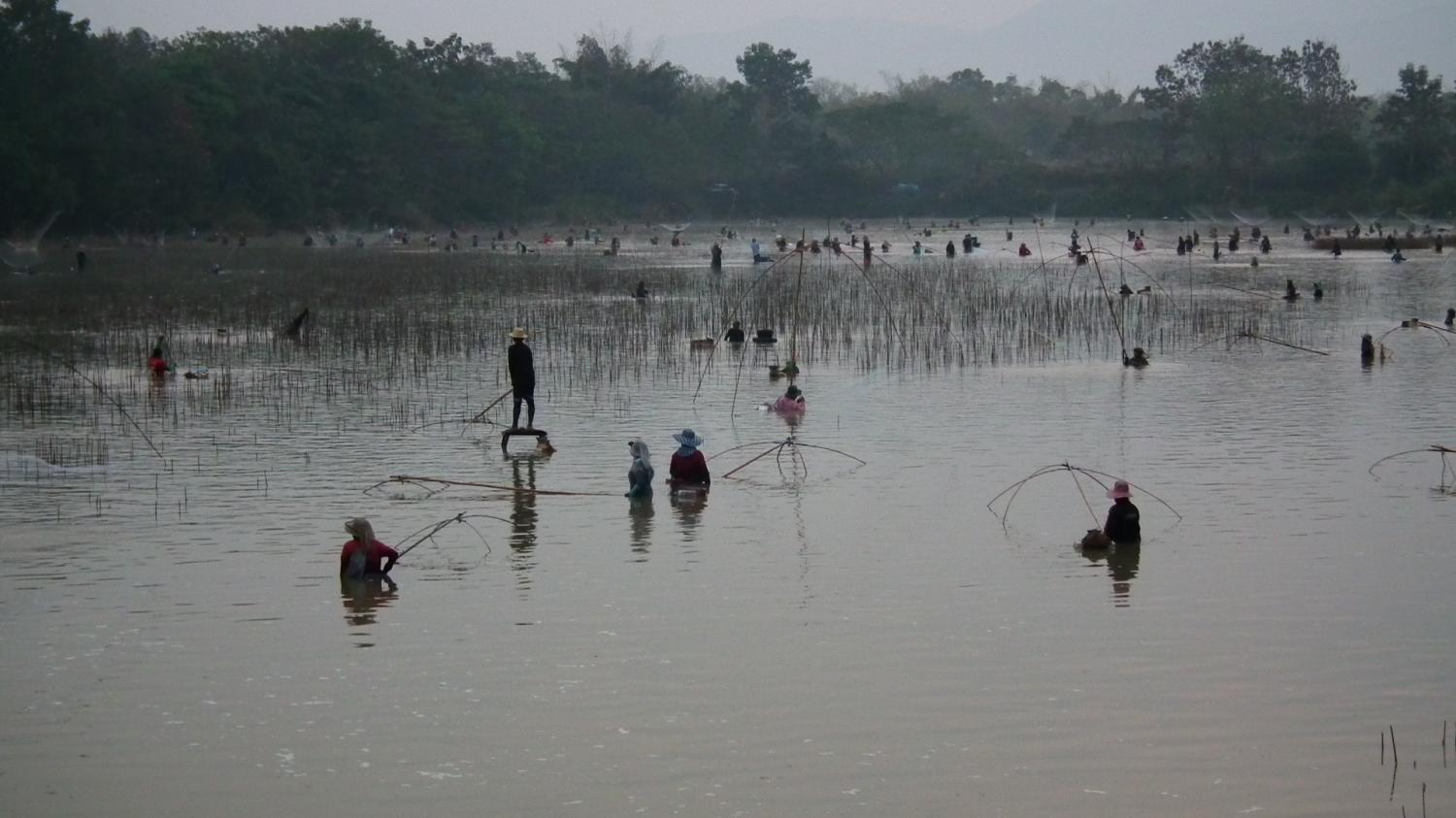
Let's save Chiang Rai's wetlands
Oped, Rungsrit Kanjanavanit, Published on 10/04/2026
» Wetlands are essential for Thailand's ecological health. Yet our wetlands face threats nationwide. In Chiang Rai province, the Royal Irrigation Department has dispatched bulldozers to convert the Wiang Nong Lom Wetland from a living landscape into a water reservoir, erasing its vitality as a natural system.
Modern-day mispricing of war
Oped, Antara Haldar, Published on 09/04/2026
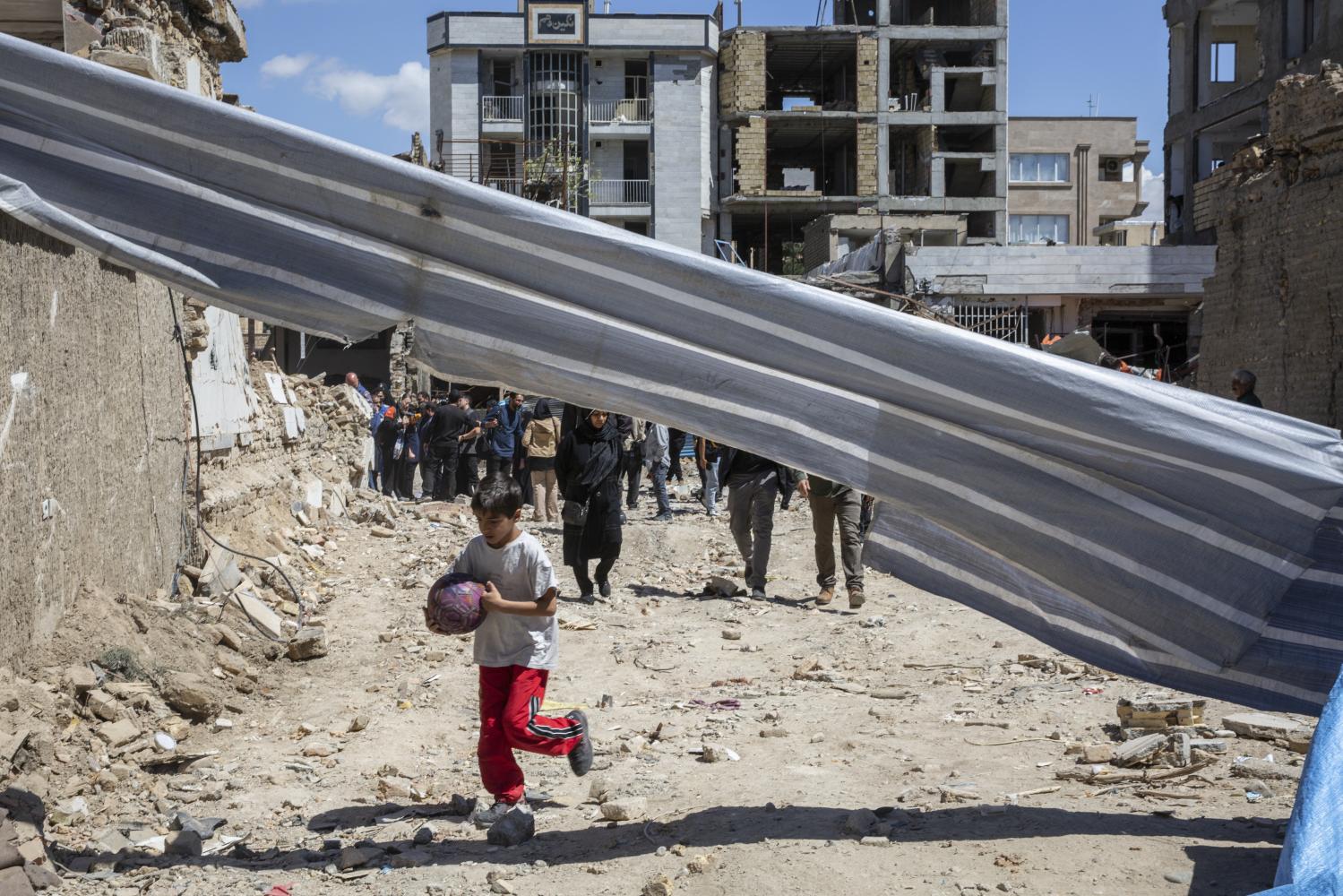
» In the space of just a few weeks, the throttling of shipping traffic through the Strait of Hormuz has revealed the true nature of the US-Israeli war with Iran. This is no regional conflict, because the entire world is being invoiced. While the size of the bill remains to be determined, it is already obvious that the belligerents won't be the only ones paying the tab.
Asean banks face climate pressure
Oped, Rachel Ho, Published on 08/04/2026
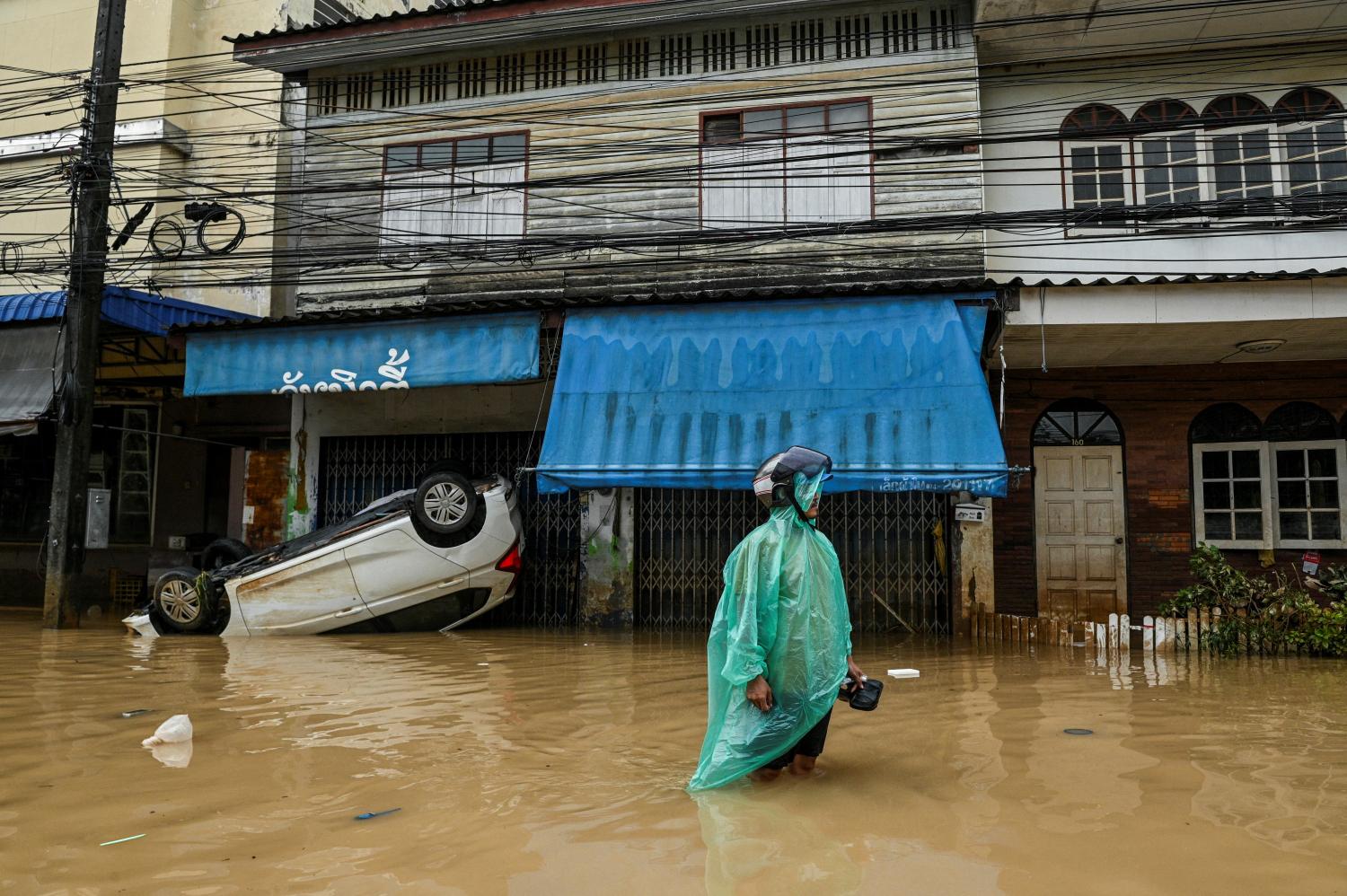
» The global oil and gas crisis is worsening. Amid the Middle East war, the central banks of countries in Southeast Asia must address a perfect storm of rising fuel prices, cost-of-living pressures, and worsening impacts of climate disasters.
Fanatics, an obsessive, and a belligerent fool
Oped, Gwynne Dyer, Published on 07/04/2026
» We don't have to look very far to find a useful historical analogy for the current crisis in the Middle East. In 1967, Egypt closed the Strait of Tiran to Israeli ships, and Israel replied with a surprise air attack that destroyed almost the entire Egyptian air force on the ground.
Iran's water weapon against Gulf
Oped, Michael Christopher Low, Published on 07/04/2026
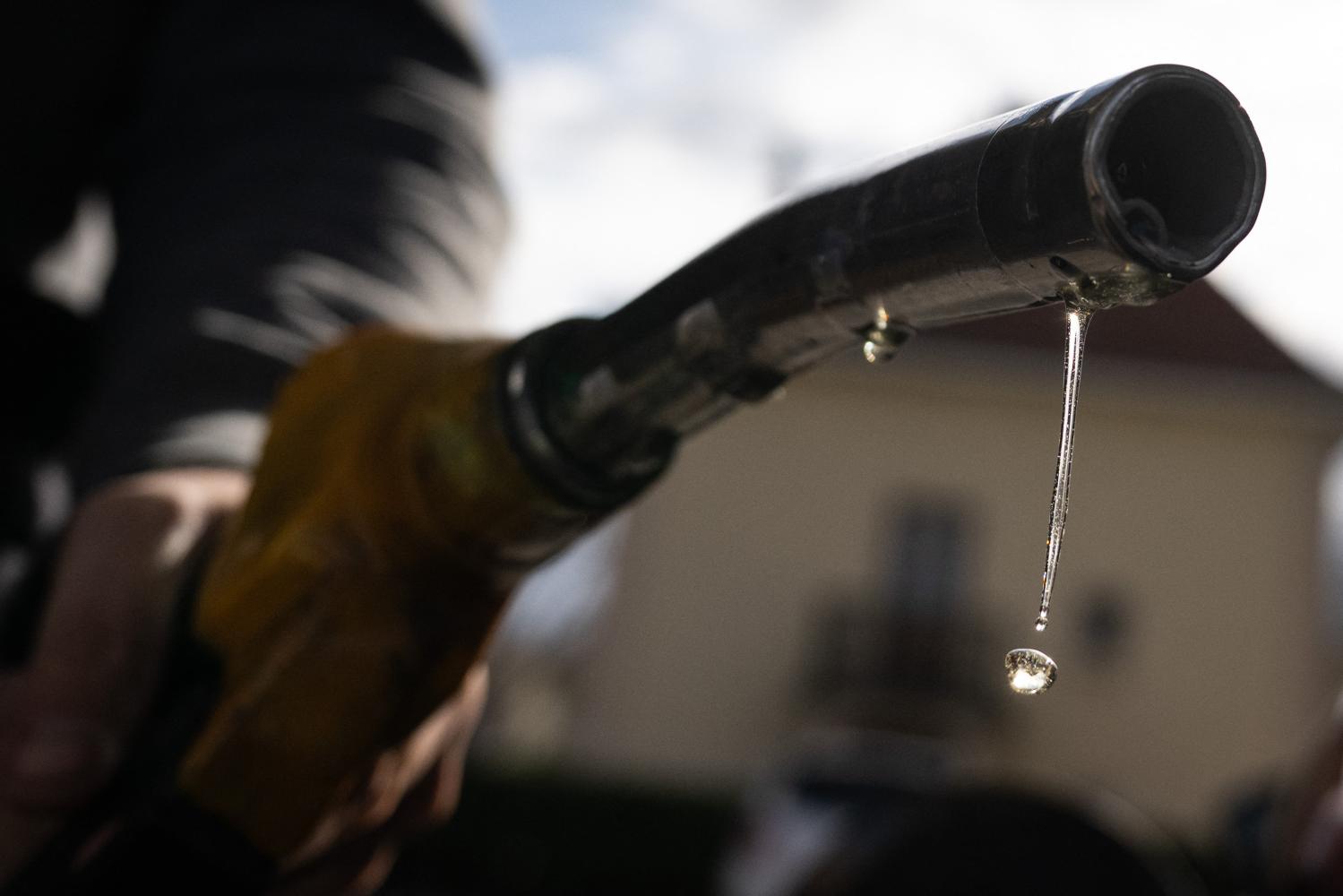
» The oil-rich monarchies of the Persian Gulf are often described as petrostates. But the US-Israeli war with Iran has highlighted that they are also saltwater kingdoms, societies whose survival depends on desalination, or converting seawater into potable water at industrial scale.
Will Kharg Island decide the future of US alliances?
Oped, Carla Norrlöf, Published on 03/04/2026
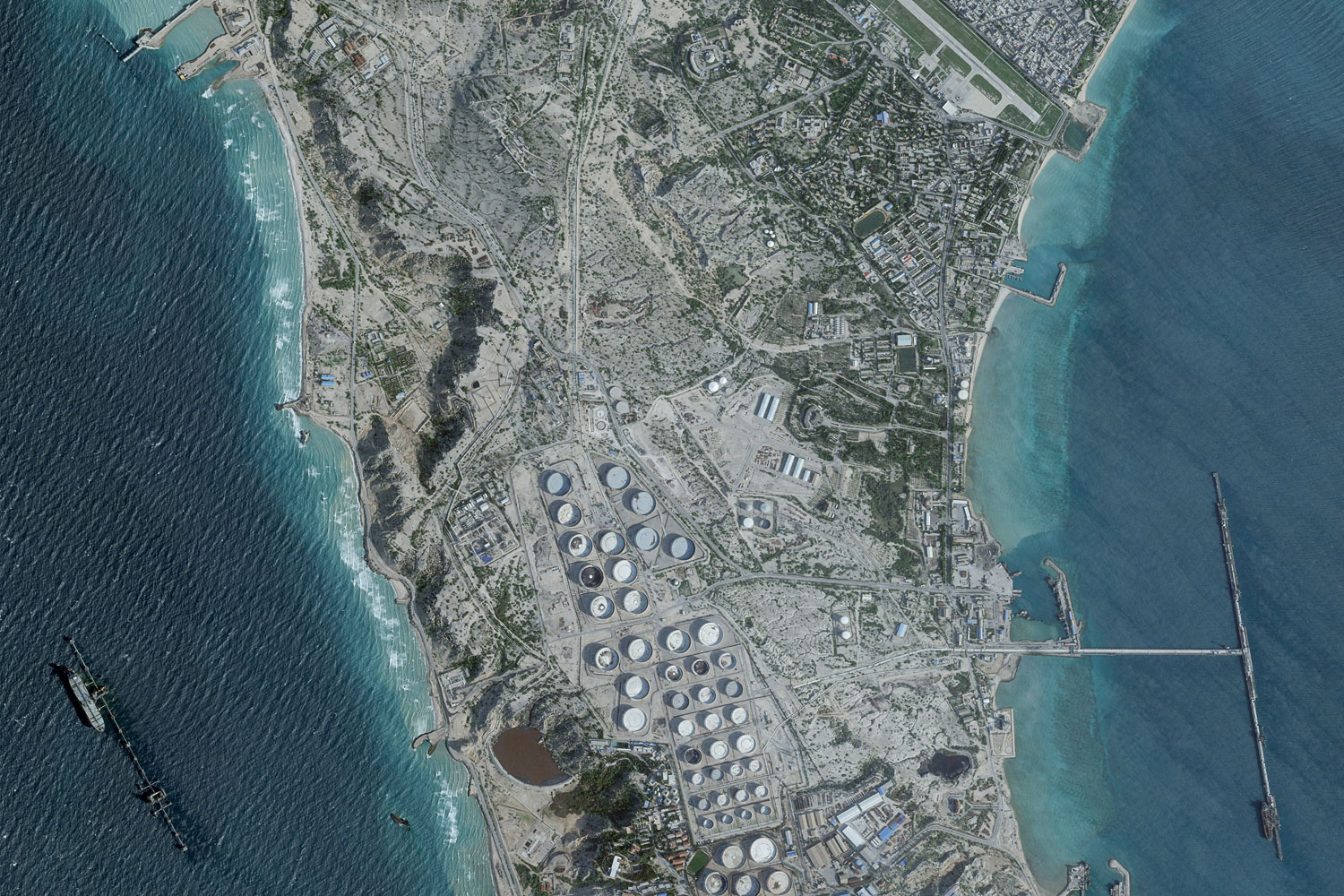
» The key question about Iran's energy-export terminal on Kharg Island is not whether the United States can seize or disable it. Of course it can.