



Showing 1 - 10 of 215
Gulf states tell US ending the war is not enough
Oped, Samia Nakhoul, Published on 31/03/2026
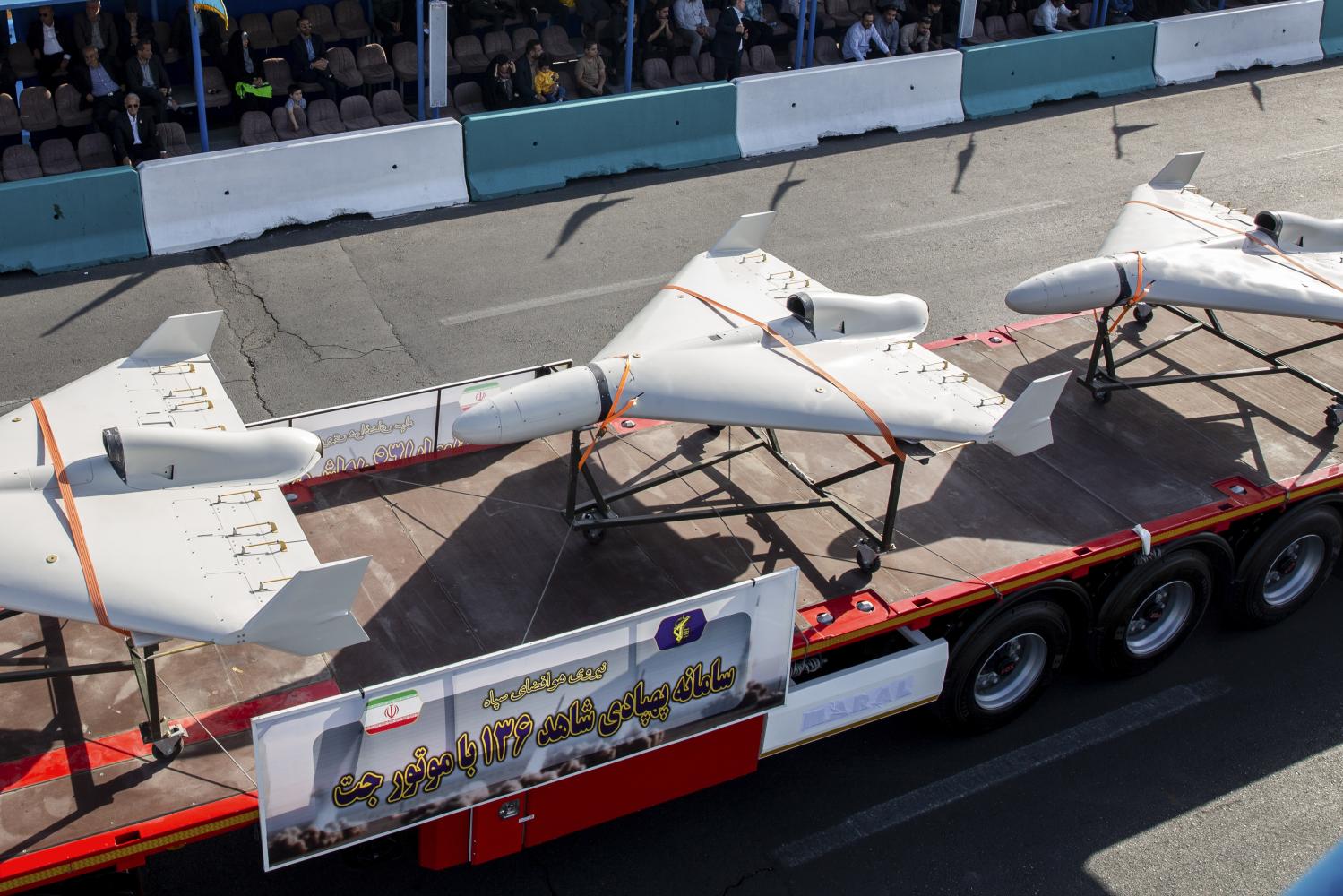
» Gulf Arab states are telling the US that any deal with Tehran should do more than end the war, and must permanently curb Iran's missile and drone capabilities and ensure global energy supplies are never again "weaponised", four Gulf sources said.
Iran war: One miscalculation after another
Oped, Gwynne Dyer, Published on 24/03/2026
» Still not four full weeks into the war, and already Donald Trump's "short-term excursion" -- decapitate the Iranian regime with a surprise attack and impose harsh terms on the defeated survivors -- has morphed into a global economic crisis and a region-wide war that could destroy the wealth of all the countries on both sides of the Gulf. At the very least.
When being neutral is no safeguard
Oped, Philip J Cunningham, Published on 18/03/2026
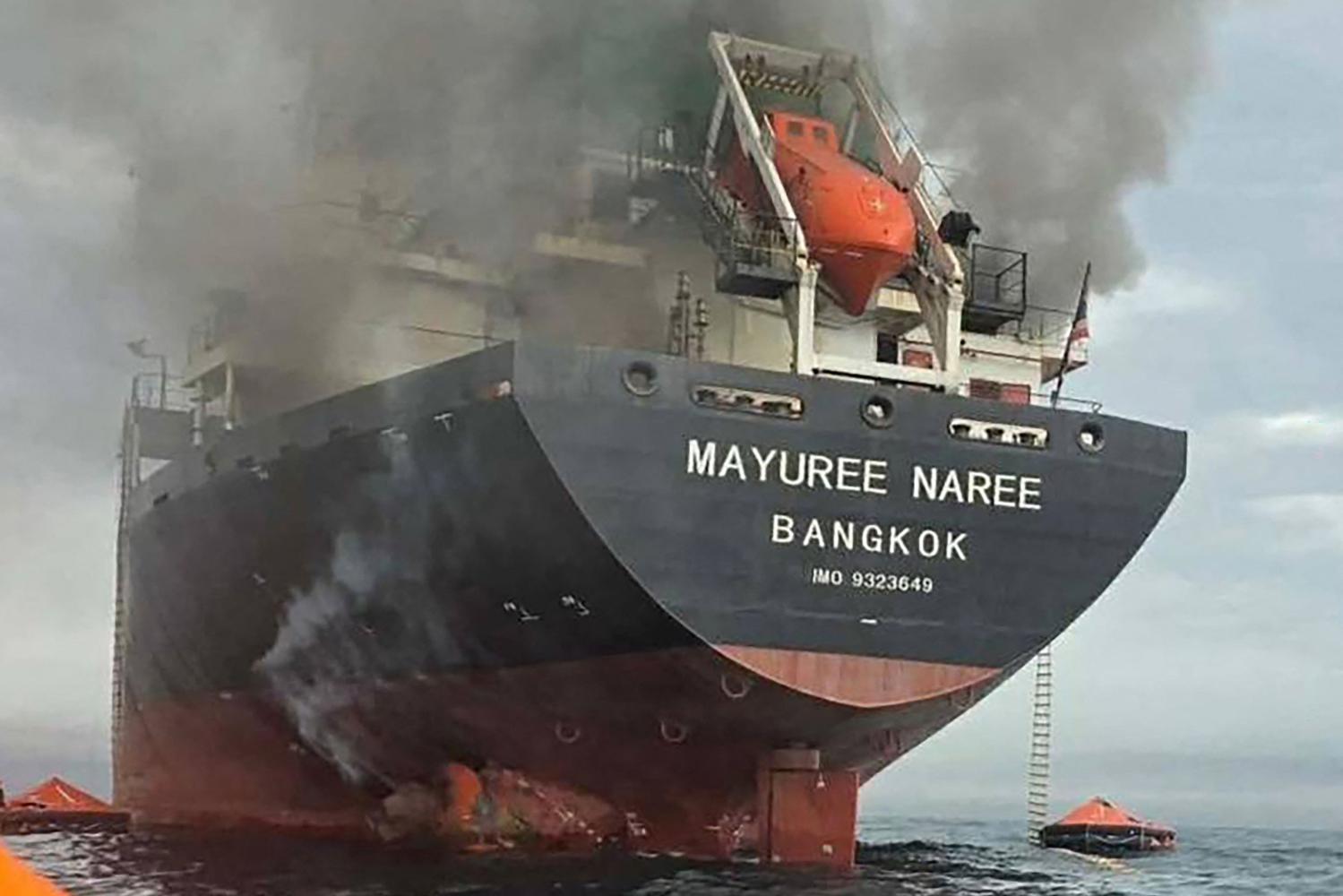
» 'Don't worry about it, we are neutral!" was Thailand's flippant response to the Islamist terrorist attack on America in 2001 when hijacked jets carrying innocent passengers and filled to the brim with aviation fuel smashed into the Twin Towers and the Pentagon on Sept 11.
The Iran war is upending global energy markets
Oped, Carolyn Kissane, Published on 12/03/2026
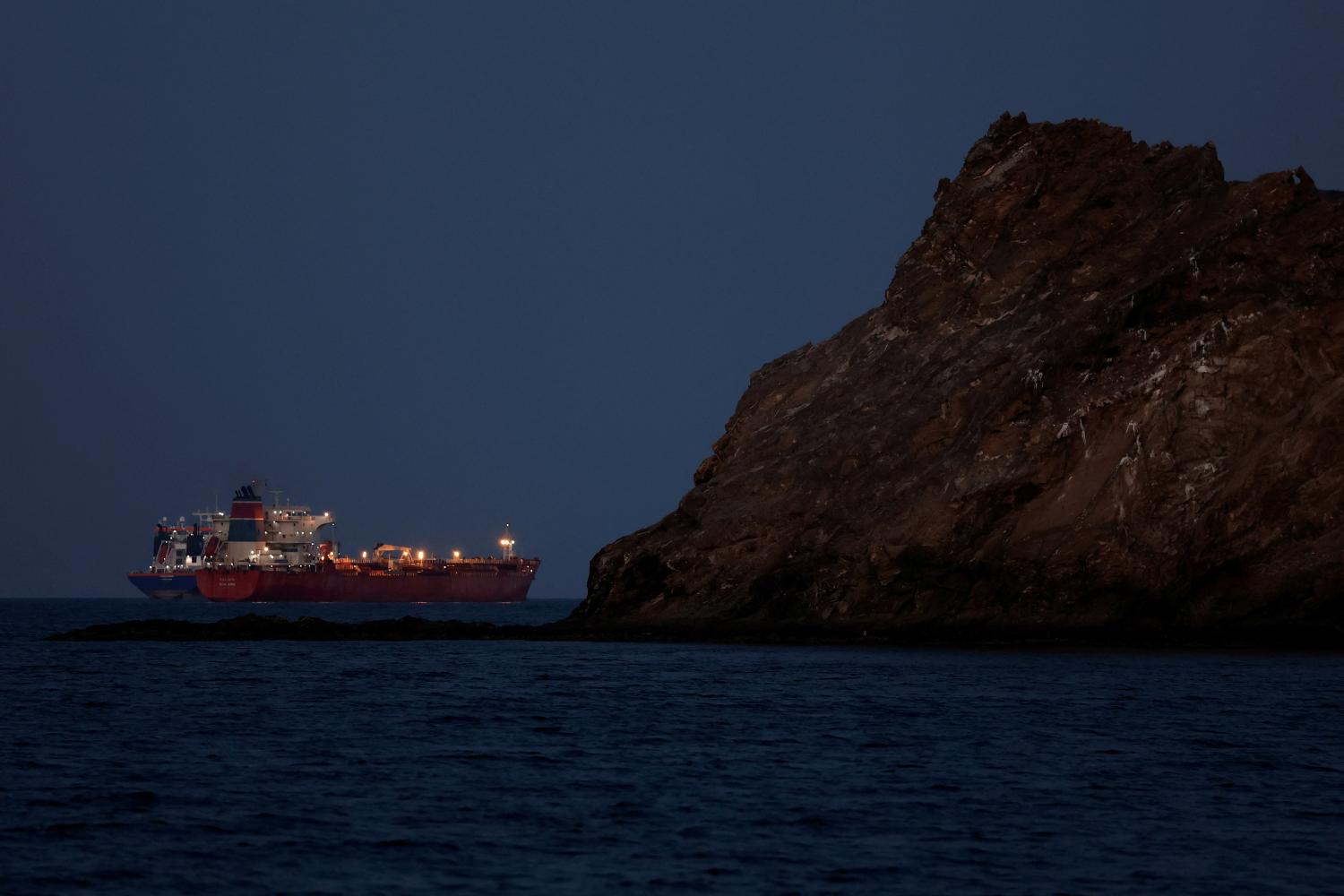
» The war with Iran is widening faster than many expected. The Islamic Republic's retaliation against Arab Gulf states has extended beyond military targets to critical civilian infrastructure, including airports, water desalination plants, and energy facilities. Hezbollah has opened a second front from Lebanon. US President Donald Trump suggests that operations could last "four to five weeks", but with nearly 50 senior Iranian officials having been killed, it is unclear who might be positioned to negotiate an off-ramp.
Testing times could prove govt mettle
Oped, Veera Prateepchaikul, Published on 09/03/2026
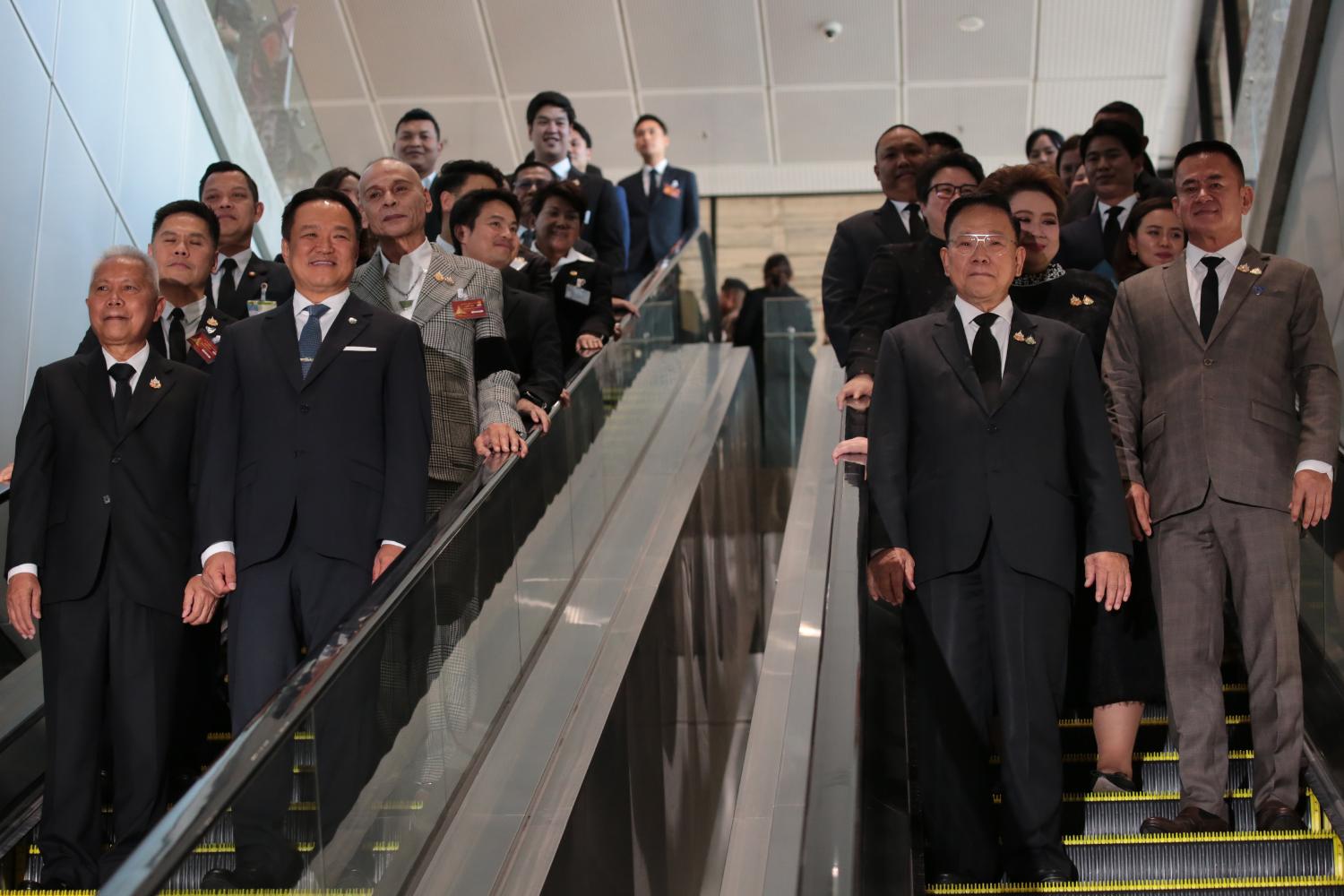
» A honeymoon period seems out of the question for the new administration led by the Bhumjaithai Party, which may come into office in late April or May, depending on how quickly the processes of electing the House Speaker and his two deputies, and the election of the prime minister in parliament, take place.
America risks grand folly in Iran war
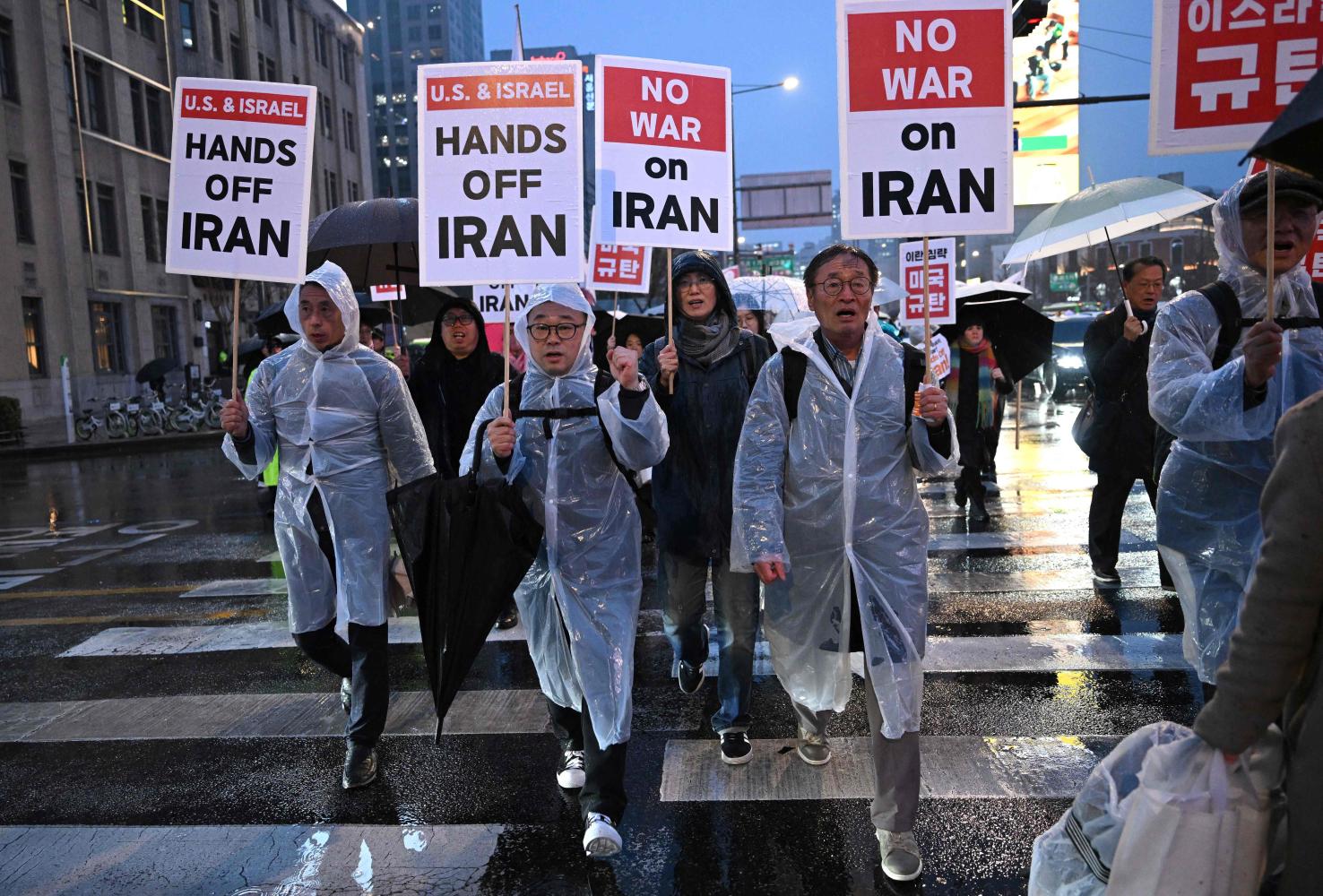
Oped, Thitinan Pongsudhirak, Published on 06/03/2026
» It is just the first week of the joint attack between the United States and Israel on the Islamic Republic of Iran, but the repercussions from the Middle East for the Indo-Pacific are already discernible.
The long road to war with Iran
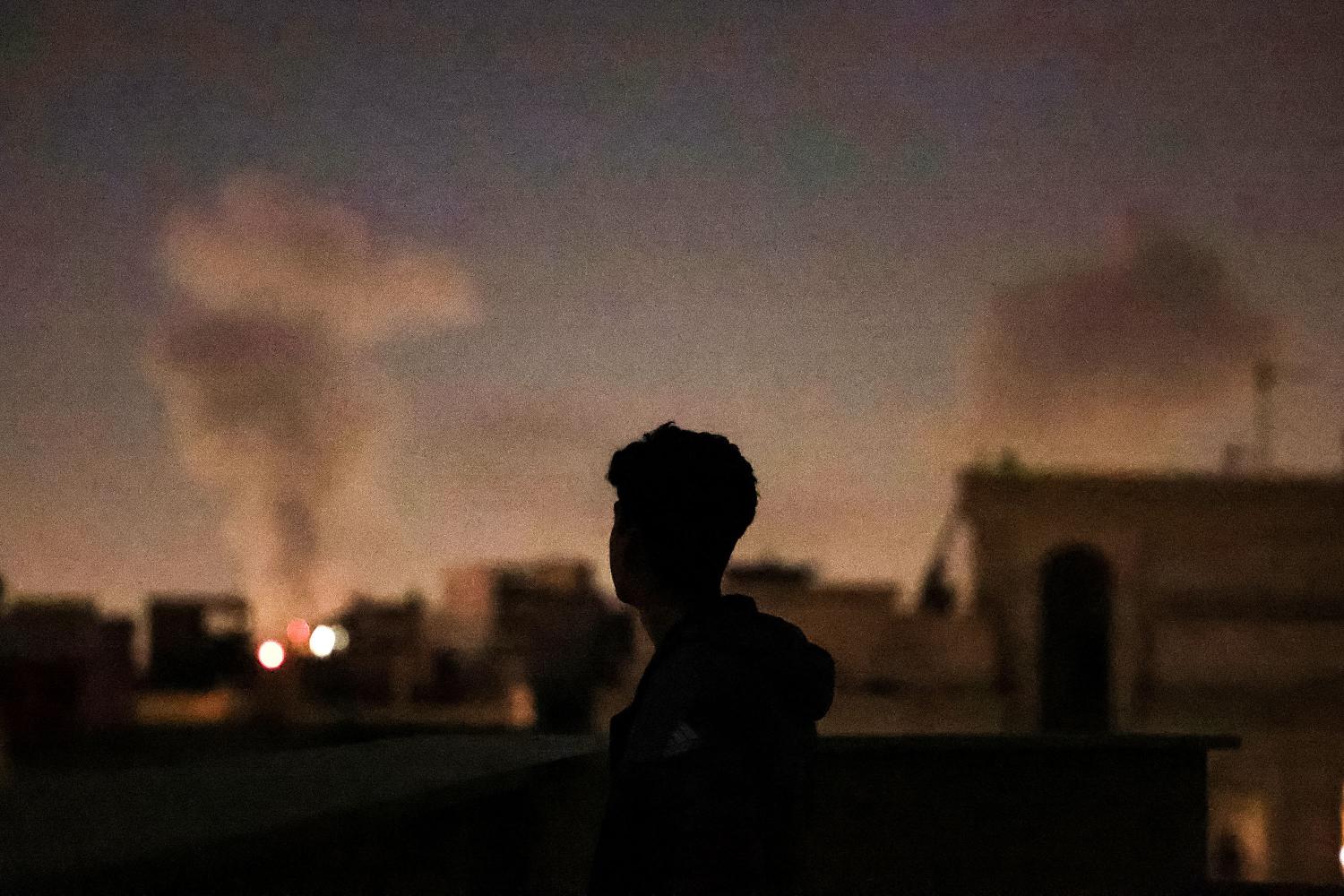
Oped, Carla Norrlöf, Published on 06/03/2026
» As the conflict with Iran reshapes global security assumptions and energy markets, the debate in the United States has focused largely on why President Donald Trump chose war in the first place. Was it domestic politics, a desire to project strength, a miscalculation, or something else?
Time for region to double down on green energy
Oped, Lidy Nacpil, Published on 06/03/2026
» The escalating instability in the Middle East has sent shockwaves through global energy markets, forcing Southeast Asian nations into a precarious position. While the region has made significant pledges to transition toward renewables, the threat of interrupted gas supplies and surging LNG prices is creating a dangerous incentive to prioritise immediate energy security over long-term climate goals.
The perils of creating a power vacuum in Iran
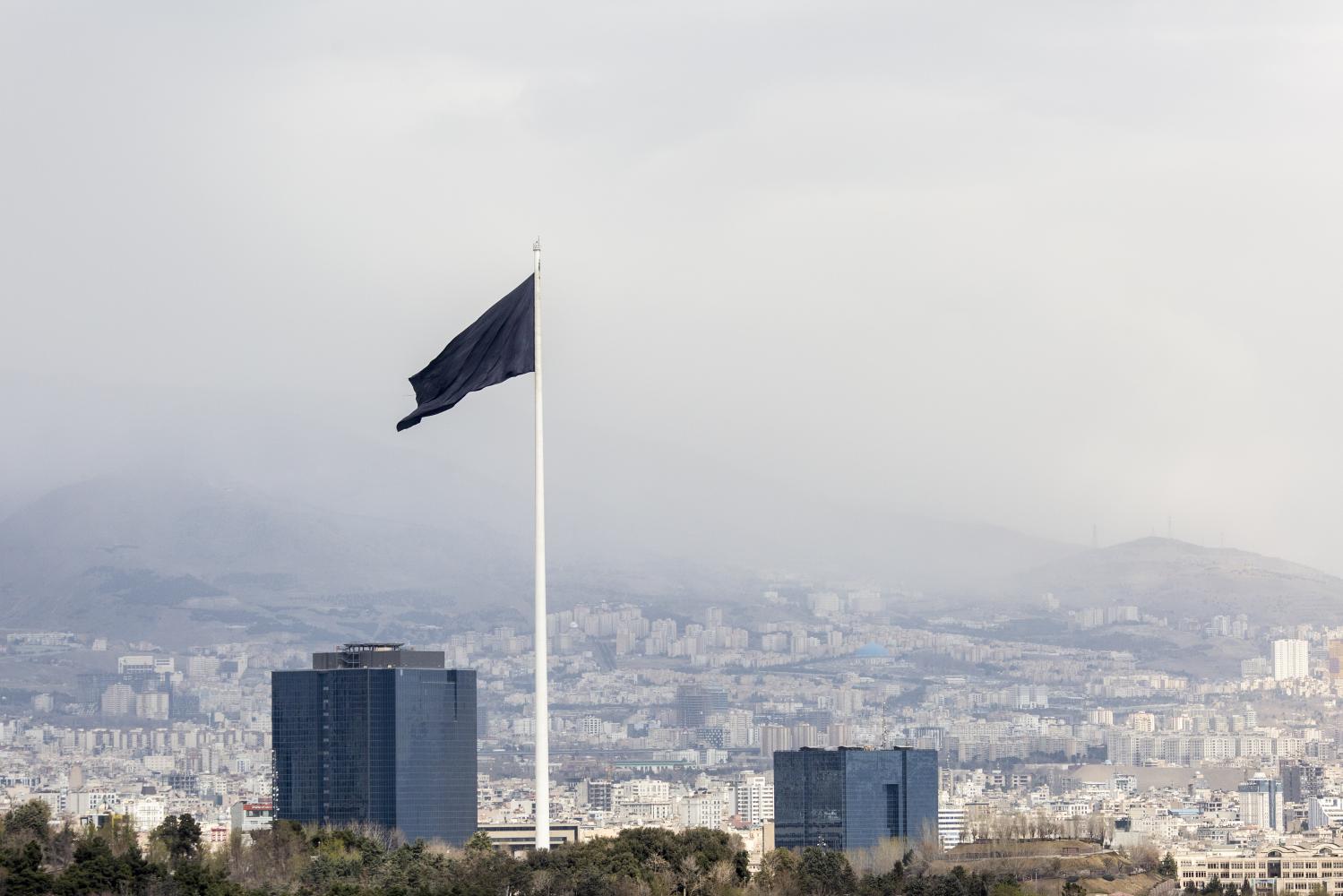
Oped, Stephen Holmes, Published on 05/03/2026
» Critics of the attack on Iran by the United States and Israel point out that US President Donald Trump has no plan for what comes next. And they are not wrong: when Mr Trump boasts that he can resolve wars in a single day, he merely exposes the limits of his attention span. But the real problem is not the shortness of Mr Trump's time horizon; it's the narrowness of his threat perception.
Emerging markets stand strong
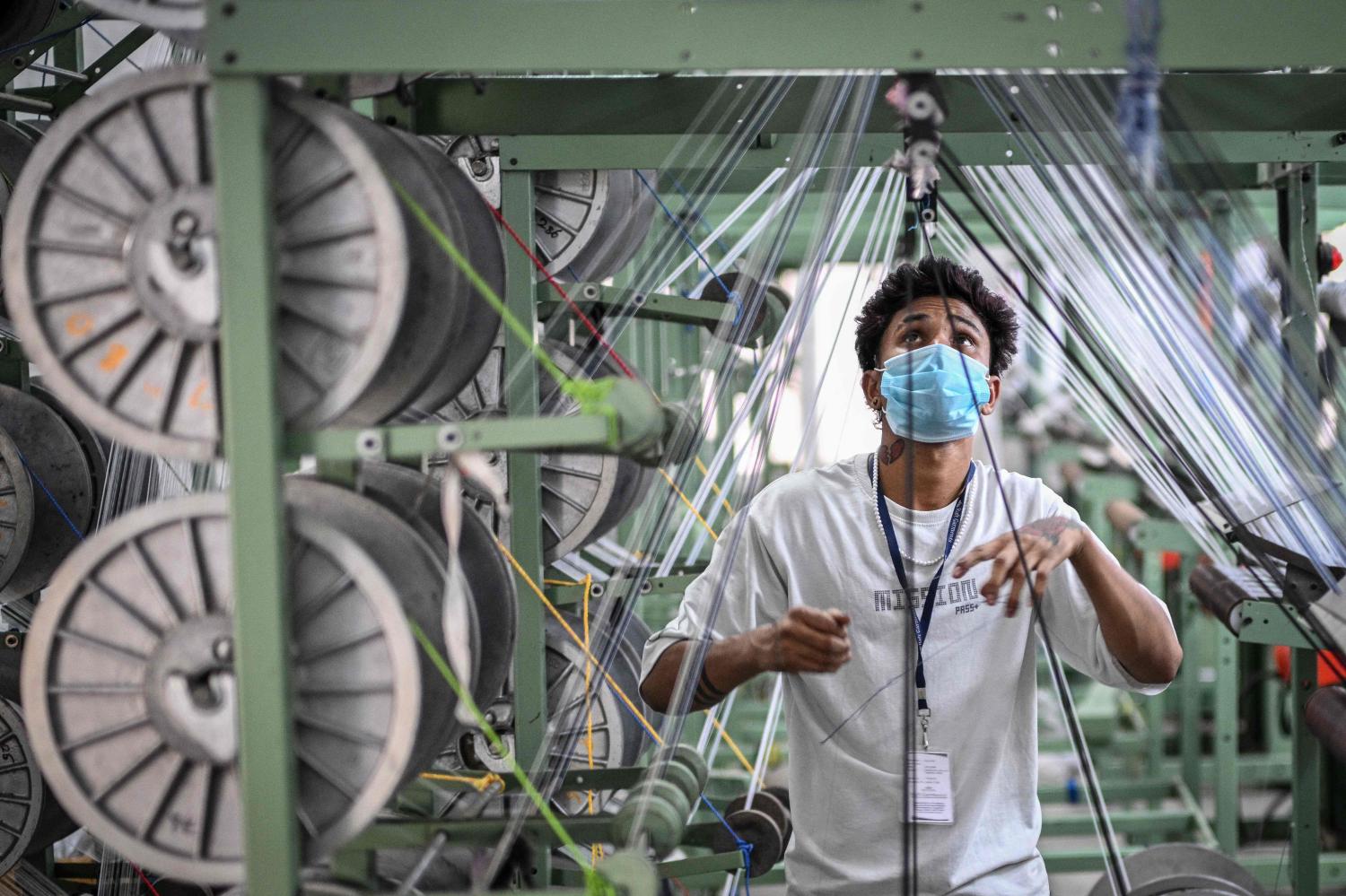
Oped, Kristalina Georgieva and Mohammed Al-Jadaan, Published on 12/02/2026
» It used to be that when advanced economies sneezed, emerging markets caught a cold. That is no longer true. Following recent global shocks, such as the post-pandemic inflation surge and a new wave of tariffs, emerging markets have held up well. Inflation has continued to slow, currencies have generally retained their value, and debt issuance costs have remained at manageable levels. There has been no sign of the kind of financial turbulence that came with past economic shocks.