




Showing 1 - 10 of 1,468
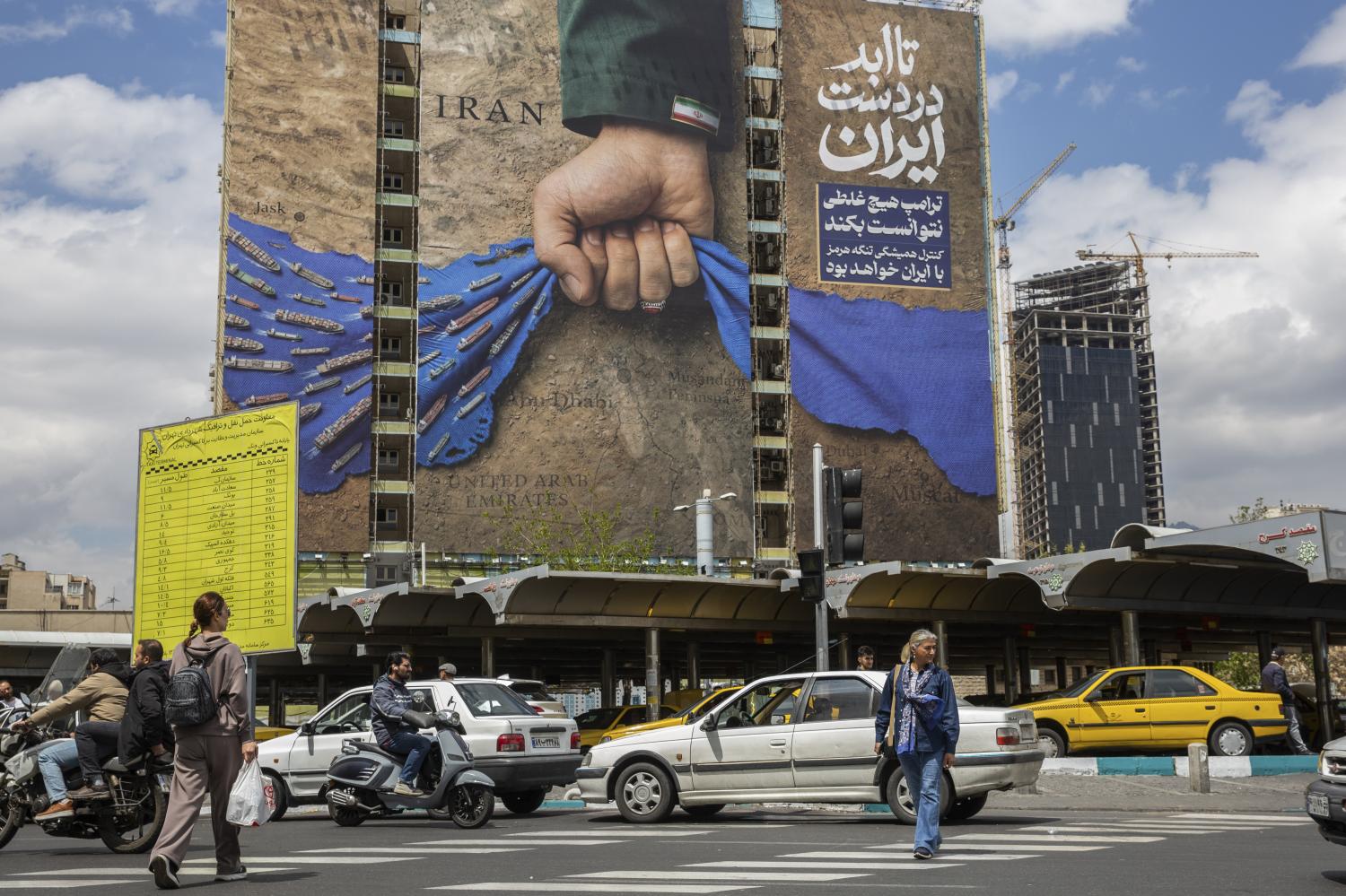
The war and its likely consequences
Oped, Thitinan Pongsudhirak, Published on 17/04/2026
» As the joint attack between the United States and Israel against Iran that resulted in a wider regional conflict in the Middle East approaches its two-month mark, the directions of the war remain precarious while some of the longer-lasting consequences appear evident. Unsurprisingly, the war has been detrimental and damaging for all states and societies concerned, not just within the affected region but the wider world. Already we can start counting some of the long-term costs.
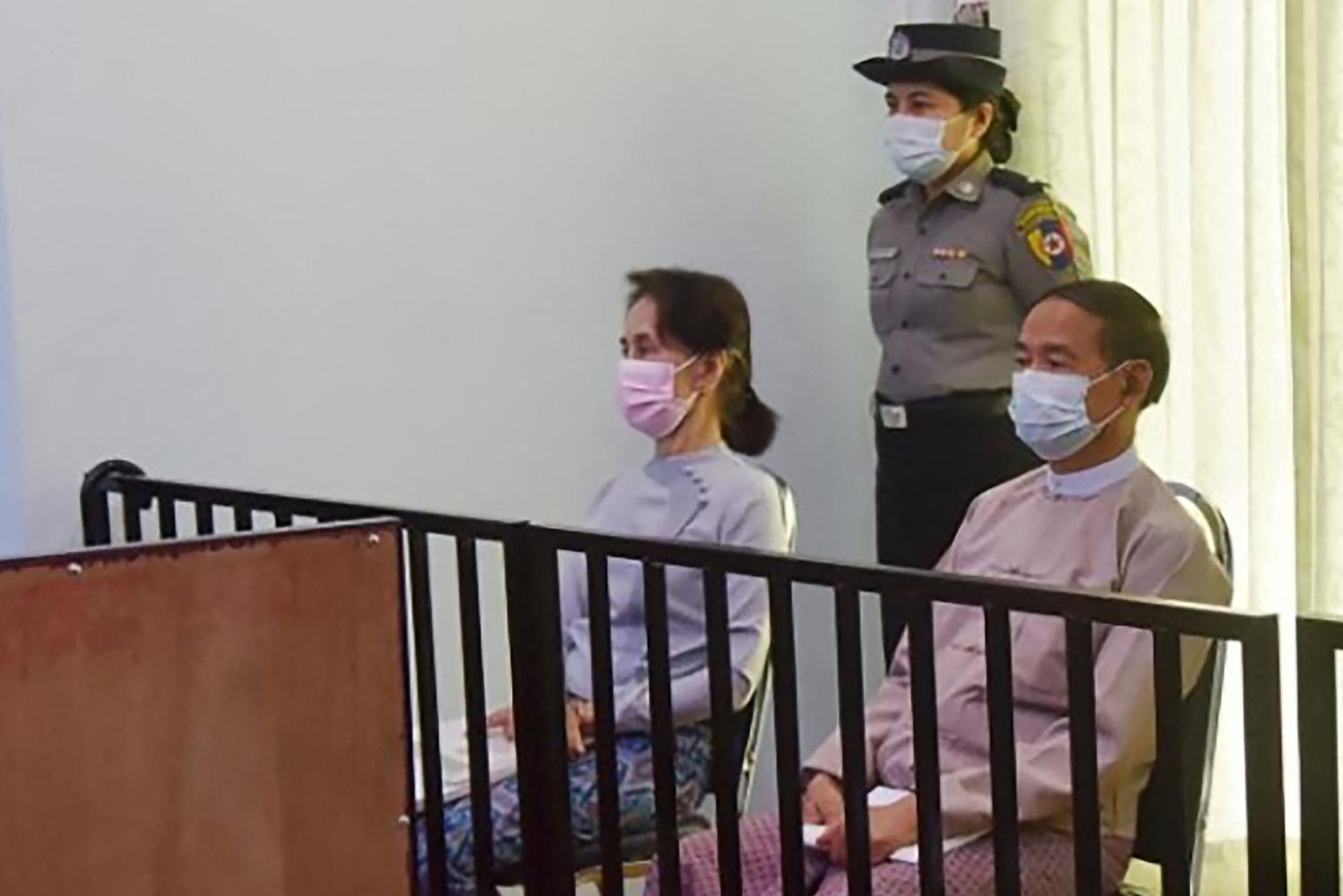
Myanmar looks east again in search of legitimacy
Oped, Larry Jagan, Published on 17/04/2026
» Myanmar understands it needs to reach out to the world if it is to end its isolation and roll back the sanctions much of the West has levied against it. To this end, the men in green, now in civilian clothes, are seeking the support of traditional allies -- China and Asean, especially Thailand -- as well as Bangladesh and Pakistan, in an effort to reset foreign policy and regain international acceptance.

Rethink handouts
Oped, Postbag, Published on 10/04/2026
» Re: "Co-pay scheme misses mark", (Editorial, April 5).

Policy debate a litmus test
Oped, Editorial, Published on 09/04/2026
» A major showdown looks set to take place between the government and the opposition as Parliament begins its policy debate later today.
Fanatics, an obsessive, and a belligerent fool
Oped, Gwynne Dyer, Published on 07/04/2026
» We don't have to look very far to find a useful historical analogy for the current crisis in the Middle East. In 1967, Egypt closed the Strait of Tiran to Israeli ships, and Israel replied with a surprise air attack that destroyed almost the entire Egyptian air force on the ground.
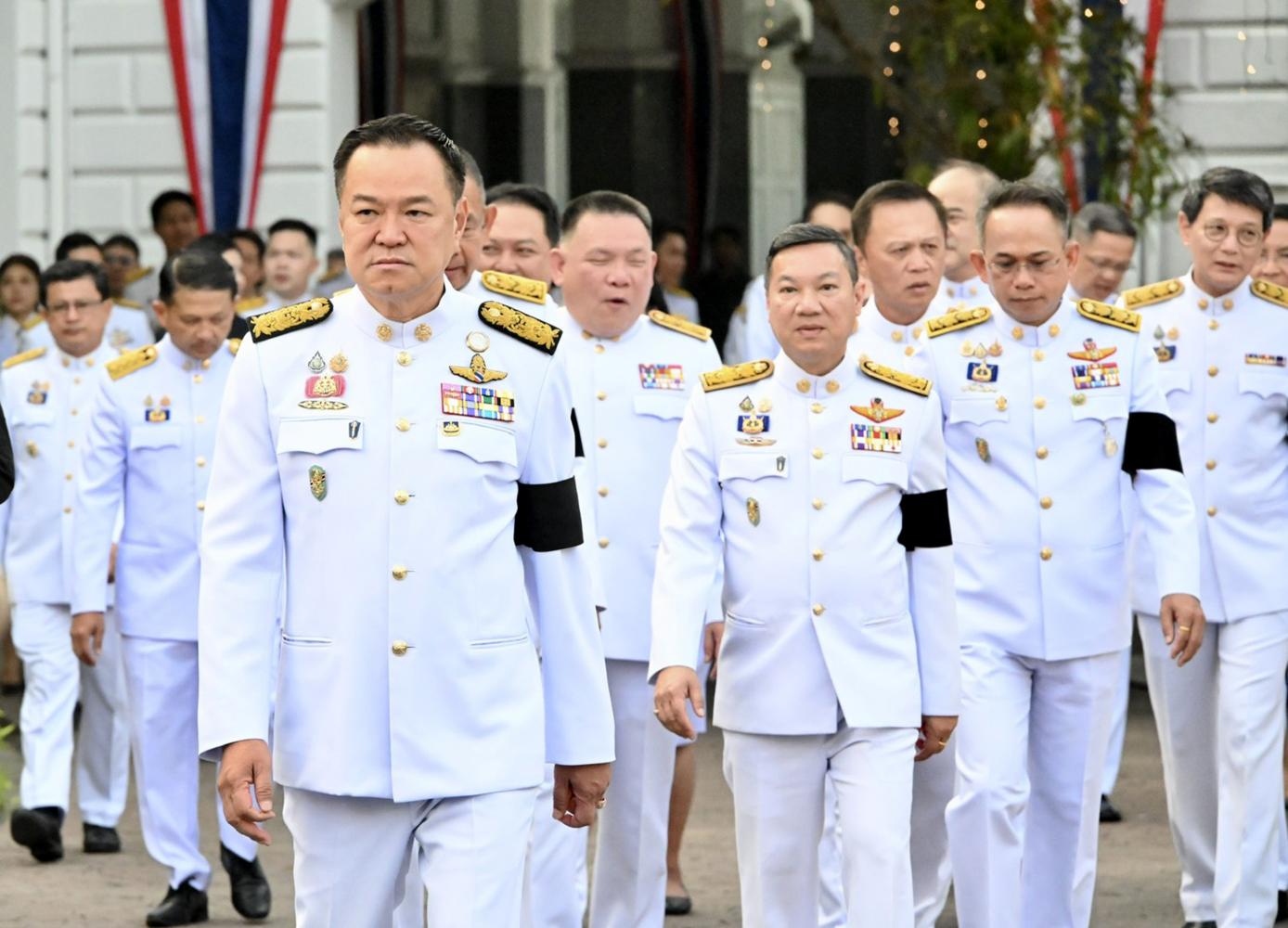
Government stability tests performance
Oped, Thitinan Pongsudhirak, Published on 03/04/2026
» Prime Minister Anutin Charnvirakul has gone from strength to strength, leveraging a stopgap minority government late last year into solid majority rule after the Feb 8 election.

Tackle smog in North
Oped, Editorial, Published on 02/04/2026
» On Monday, Chiang Mai was ranked the world's most polluted major city, according to the Air Quality Index (AQI) compiled by a Swiss air-monitoring firm.
Urgent push for fair climate finance
Oped, Sarinee Achavanuntakul, Published on 01/04/2026
» Ever more visible, the various impacts from climate change are eroding both Thailand's economic competitiveness and the livelihoods of its people: season by season, in heat waves that flatten productivity, floods that swallow farmland, and coastal erosion that is slowly reclaiming communities.
Several bad options for US in Iran standoff
Oped, Gwynne Dyer, Published on 01/04/2026
» The Iranians know they have won, but President Trump doesn't get it yet. He's still at the stage of counting up the US and Israeli air strikes and assuming that those numbers mean a US victory is possible. But five gets you ten that the Iranians are already thinking about nuclear weapons. Not their own, which don't exist. America's.
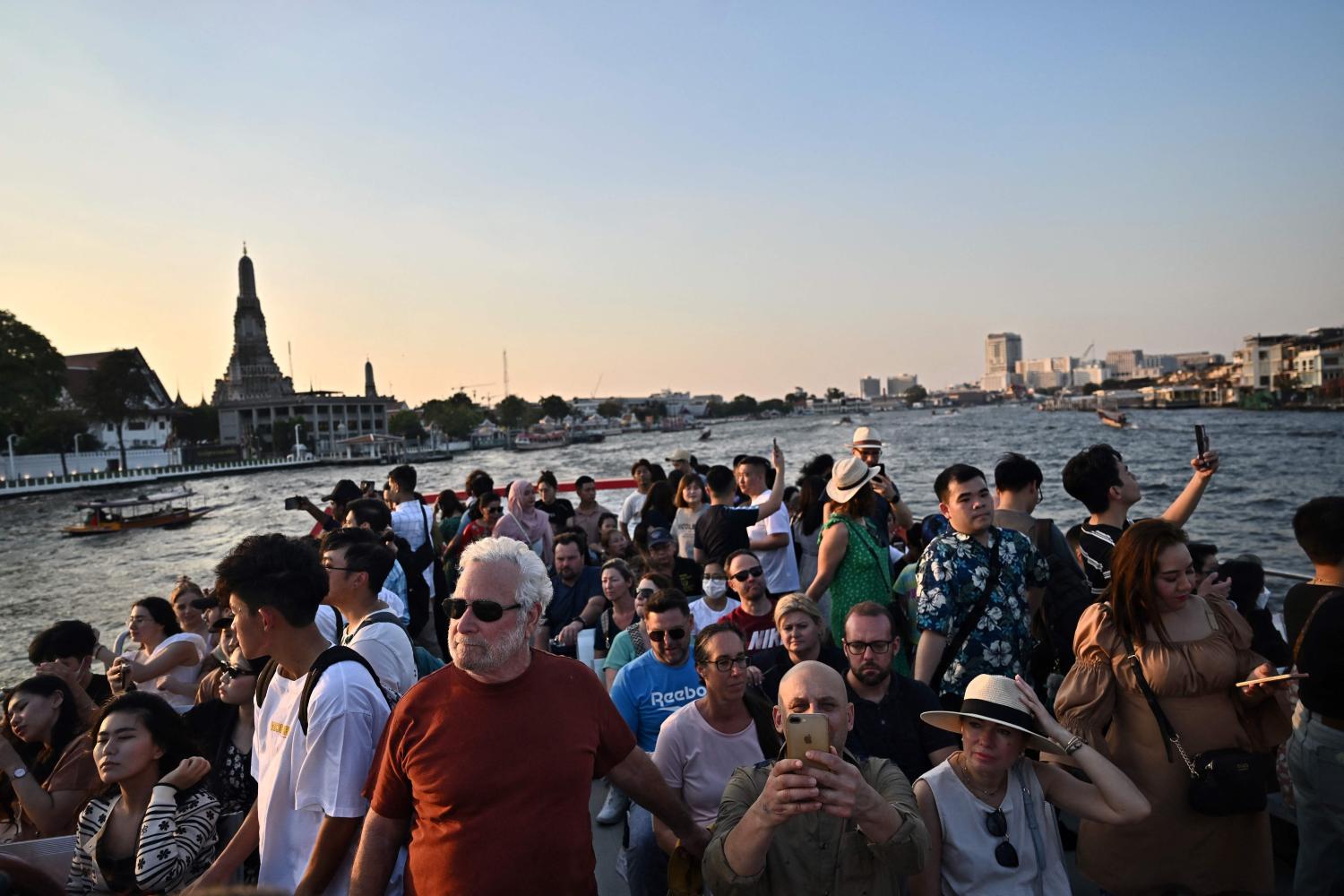
Rethinking Thailand's visa-free policy
Oped, Kavi Chongkittavorn, Published on 31/03/2026
» Thailand is planning to cut visa-free stays from 60 days to 30 days. This long-overdue change reflects growing concern over the effectiveness of immigration surveillance. Moreover, scaling down visa-free stays underscores the seriousness of the Anutin government's efforts to combat scammers, illegal work, and other underground activities that exploit easy visa access to turn Thailand into a base for under-the-table operations.