




Showing 1 - 10 of 269

AI and the future of education
Oped, Pinelopi Koujianou Goldberg, Published on 27/01/2026
» The rapid progress of large language models over the past two years has led some to argue that AI will soon make college education, especially in the liberal arts, obsolete. According to this view, young people would be better off skipping college and learning directly on the job.

Plentiful policy on offer
Oped, Editorial, Published on 19/01/2026
» Thailand is heading towards a consequential general election on Feb 8. In the weeks leading up to polling day, voters have been bombarded with policy proposals from across the political spectrum. Many are attractively packaged and, if fully realised, would seemingly transform the country overnight.
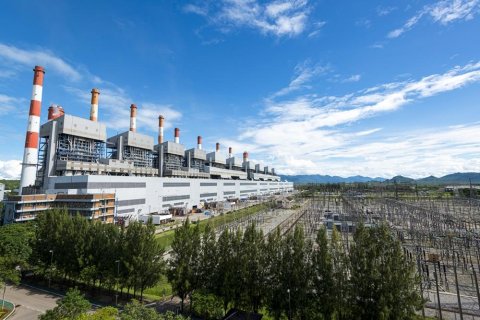
Phasing out coal makes economic sense
Oped, Rapeepat Ingkasit, Published on 24/12/2025
» Thailand's recent update to its Nationally Determined Contribution (NDC 3.0) was met with polite applause from diplomatic circles and global communities. By finally aligning the national net-zero target with the mid-century goals of our neighbours, the kingdom appears to be getting back on track.
A lesson in geoengineering for grown-ups
Oped, Gwynne Dyer, Published on 18/12/2025
» A few days ago the European Union's Earth Observation programme, "Copernicus", made a special announcement at the end of its monthly report on the state of the climate. It said that the average global temperature for the past three years (2023-2025) has been 1.5 degrees Celsius above the pre-industrial level. That's the level we were warned that we must never exceed.

Climate disasters demand swift action
Oped, Genevieve Donnellon-May, Published on 10/12/2025
» Southeast Asia is in crisis. Less than a week after the United Nations Climate Change Conference (COP30) concluded in Brazil, the region is grappling with devastating floods and landslides, underscoring the urgent climate challenges that countries have repeatedly raised on the global stage.
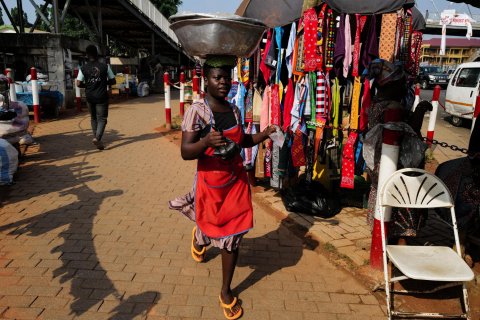
G20 must commit to debt relief
Oped, Olusegun Obasanjo, Published on 04/12/2025
» As G20 leaders met in Johannesburg last month, they faced a grim reality: many developing-country governments are spending more than they can afford on debt service. To keep funds flowing to foreign creditors, policymakers have been forced to cut spending on education, health care, and infrastructure. These countries have so far avoided default, but at the expense of their own development.

AI as Asia's new growth engine?
Oped, Lee Jong-wha, Published on 27/11/2025
» Two decades after globalisation fuelled a global economic boom, growth has shifted onto a more subdued path, where it is likely to remain for the foreseeable future. Beyond the immediate shock of fragmenting trade and investment ties -- a result of rising geopolitical tensions, particularly between the United States and China -- lie structural headwinds, including population ageing, stagnant productivity, and the growing costs of inequality and natural disaster. These challenges strike at the heart of Asia's growth model.

Where's the data?
Oped, Postbag, Published on 27/11/2025
» Re: "Partnering up for a resilient future", (Opinion, Nov 20). My social media feeds have been overflowing with desperate reels from the recent mega-flooding. And amid all this chaos, one question hangs heavily in the air: Where is the government? And more importantly, even if it wanted to respond, how would it know where help is needed?
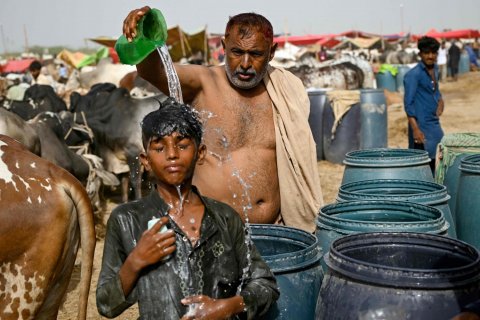
Rising heat needs urgent response
Oped, Armida Salsiah Alisjahbana, Published on 24/11/2025
» 2024 was the hottest on record globally. In Asia and the Pacific, Bangladesh was the worst-hit country, with about 33 million people affected by lower crop yields that destabilised food systems, along with extensive school closures and many cases of heatstroke and related diseases. Children, the elderly and low-wage earners in poor and densely populated urban areas suffered the most, as they generally had less access to cooling systems or to water supplies and adequate healthcare. India, too, was badly affected, with around 700 heat-related deaths mostly in informal settlements.
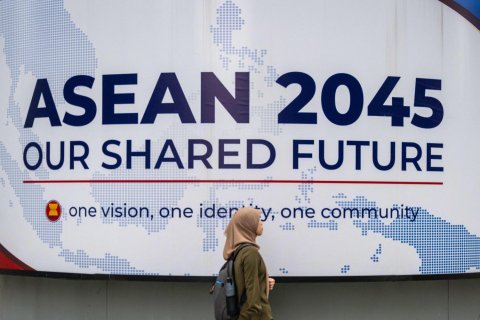
Brazil, Asean prospering together
Oped, Luiz Inácio Lula da Silva, Published on 24/10/2025
» The partnership between Brazil and the Association of Southeast Asian Nations (Asean) exemplifies how a future of peace, stability and sustainable growth can be built. With complementary and dynamic economies and a shared vision of a fair and inclusive international order, we demonstrate how dialogue and cooperation within the Global South can bridge distances and generate mutual benefits.