




Showing 1 - 10 of 14
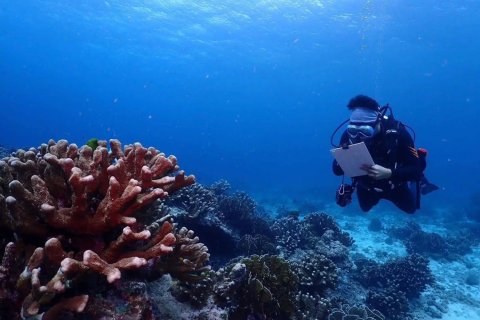
Philanthropy must dive deeper
News, Shaun Seow, Published on 23/01/2026
» Long-term global stability depends heavily on what happens in the ocean. Nowhere is this more evident than in Asia, home to much of the Coral Triangle and vast mangrove and seagrass ecosystems that sustain fisheries, protect coastal communities, and store massive amounts of carbon. Together, these ecosystems underpin food security, employment, and climate resilience across the continent and beyond.
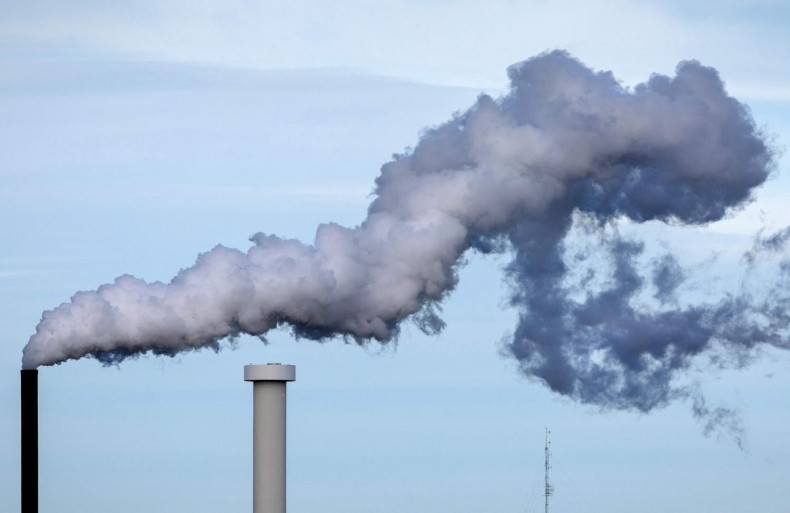
The climate challenge as a development opportunity
Oped, Navroz K Dubash, Published on 06/06/2025
» When climate change is framed as a global problem requiring collective regulation of greenhouse-gas emissions, developing-country governments see little reason to prioritise the issue over others. After all, the rich, industrialised countries who contributed disproportionately to the problem are themselves backing away from decarbonisation and climate-finance commitments, while low-income countries bear the brunt of the costs of climate change. Decision-makers in developing countries understandably conclude it may be more rational to hunker down and focus on climate resilience rather than emissions reductions.

No to Land Bridge
Oped, Postbag, Published on 29/04/2025
» Re: "Govt presses ahead with Land Bridge", (BP, April 26).

Dugongs on the brink
News, Editorial, Published on 13/11/2024
» In 2019, the struggles of a sick baby dugong named Marium captured the public's attention, which sadly ended with her dying with plastic waste later found in her intestines. Dugong deaths were alarmingly frequent that year, with five of these gentle marine mammals found dead off the coast of Krabi and Trang.
Beatniks, beards, duffel coats and music
Roger Crutchley, Published on 11/08/2024
» There seems to be daily protests going on around the world including England. It is uncomfortable witnessing in my home country scenes of bricks being lobbed through windows, doors kicked in, businesses boarded up and terrified shopkeepers pulling down the shutters. Thankfully, things appear to have temporarily calmed down and hopefully it will stay that way.
Lop Buri before the monkeying around
Roger Crutchley, Published on 02/06/2024
» One of the first towns I visited in Thailand in the early 1970s was Lop Buri, about 150 km north of Bangkok. Its main appeal was its convenient three-hour train journey from Hua Lamphong. It offered a chance to escape Bangkok for a couple of days and experience a taste of life in a small town.
Education on how to be a happy soul
News, Sara Samiphak, Published on 22/04/2024
» Extreme poverty is primarily a mental phenomenon caused by the fact that we give real meaning to money.

Trump: The mills of the gods grind slowly
Oped, Gwynne Dyer, Published on 19/08/2023
» 'The mills of the gods grind slowly, but they grind exceeding fine," wrote Sextus Empiricus, a Sceptic philosopher who lived mainly in Athens and Alexandria almost 2,000 years ago. Justice may be slow to come, but in the end the wicked will be punished. The mills are turning.
Vinland history: a question of dates, timing
Oped, Gwynne Dyer, Published on 28/11/2022
» 'If the 20th century AD were dated at the same resolution as the 20th century BC, the two World Wars would be indistinguishable in time; and the Montgomery Bus Strike might post-date the release of Mandela." So wrote the Exact Chronology of Early Societies' (ECHOES) team of palaeohistorians at Groningen University in the northern Netherlands -- and then they fixed the problem.
Have we hit the limits to growth?
News, Michael Jacobs & Xhulia Likaj, Published on 23/05/2022
» Fifty years ago this spring, one of the most influential books of the twentieth century was published. Written for the Club of Rome by Donella Meadows and colleagues at MIT, The Limits to Growth used new computer models to forecast an uncontrollable collapse in the global population and economy if prevailing patterns of environmental resource use and pollution continued. Exponential economic growth could not go on forever; at some point in the next 100 years, it would inevitably run up against Earth's finite environmental limits.