




Showing 1 - 10 of 1,961
Oil shock risks wider chain reaction
Oped, Chartchai Parasuk, Published on 16/04/2026
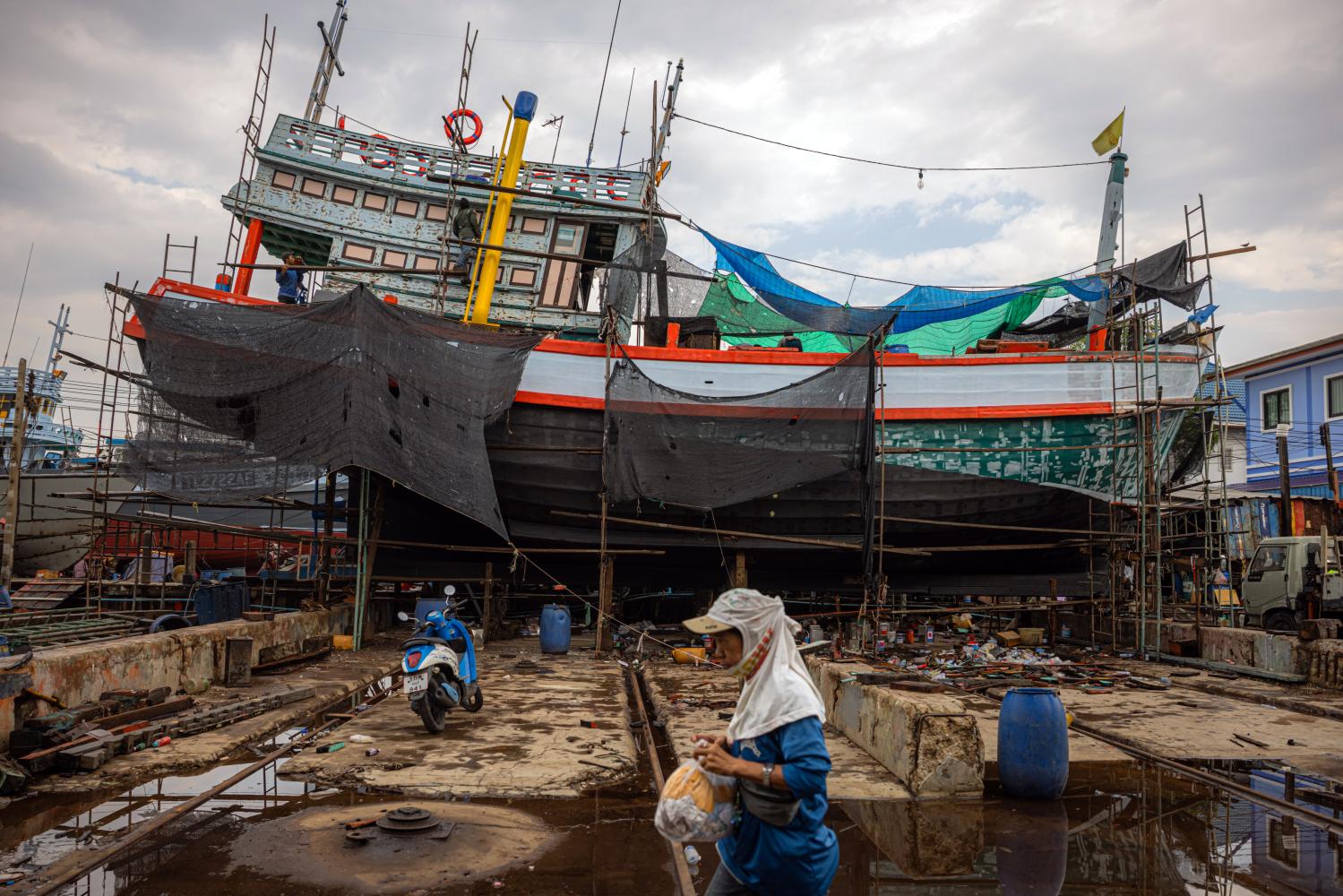
» There is no such thing as a free lunch. When global oil prices rise sharply, as they are doing now, someone must bear the cost. Some countries choose to absorb it through government support, as in Japan, while others pass the burden on to consumers, as in Thailand. Neither approach is inherently right or wrong; each carries different economic consequences. Policymakers must decide which set of outcomes is more acceptable and act accordingly.

Orban's fall seen as a populist turning point
Oped, Gwynne Dyer, Published on 16/04/2026
» Polish Prime Minister Donald Tusk sent a message congratulating Hungary's newly elected prime minister, Peter Magyar, for having evicted long-serving populist leader Viktor Orban (aka "The Viktator") from power. All the usual welcoming words, but Mr Tusk's message ended with two slightly mysterious words in Hungarian: "Ruszkik haza" -- Russians go home.
Countering the fallacy of the buffer zone
Oped, Daoud Kuttab, Published on 10/04/2026
» Territorial buffers rarely, if ever, deliver the peace and security their advocates promise. After the collapse of the USSR, Ukraine was seen as a neutral cordon between Russia and Nato. Instead, it became a zone of increasingly fierce geopolitical contention, followed by open war.

Clean Air Bill unites rivals
Oped, Editorial, Published on 10/04/2026
» It is encouraging news that opposition parties -- political rivals who rarely see eye to eye -- have launched a campaign this week to push for clean air legislation. This move comes after the former Clean Air Bill was killed off in its final reading last week by lawmakers led by the Bhumjaithai Party (BJT), which controls the Lower House.

It's a revenue grab
Oped, Postbag, Published on 09/04/2026
» Re: "Thailand plans mandatory accident insurance for foreign visitors", (Business, April 8).
The day the US became Britain at Suez
Oped, Philip J Cunningham, Published on 09/04/2026
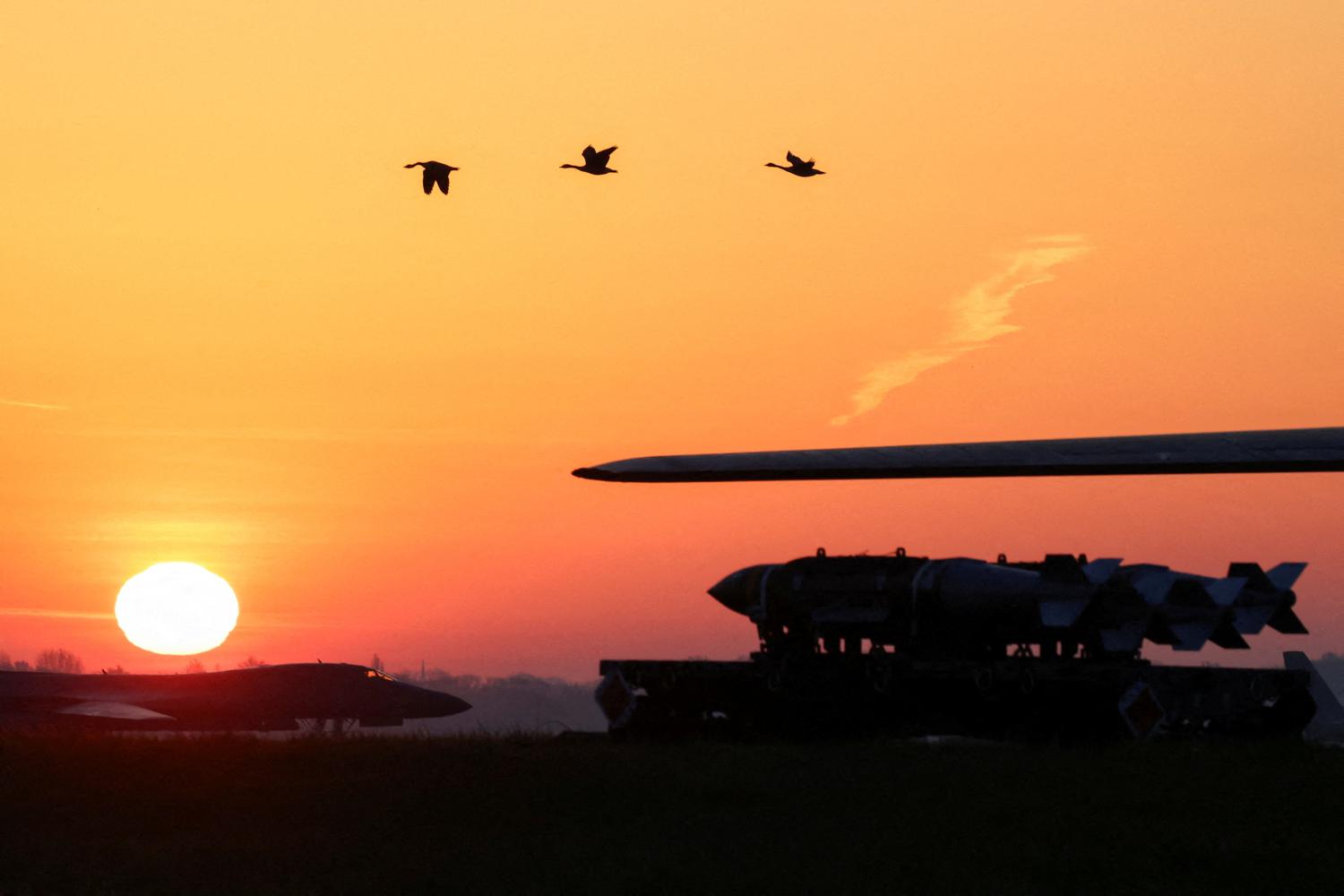
» The world's focus is on the US-induced debacle in the Strait of Hormuz, but it's another narrow strait that sums up the current state of US power in the world: Suez.
Modern-day mispricing of war
Oped, Antara Haldar, Published on 09/04/2026
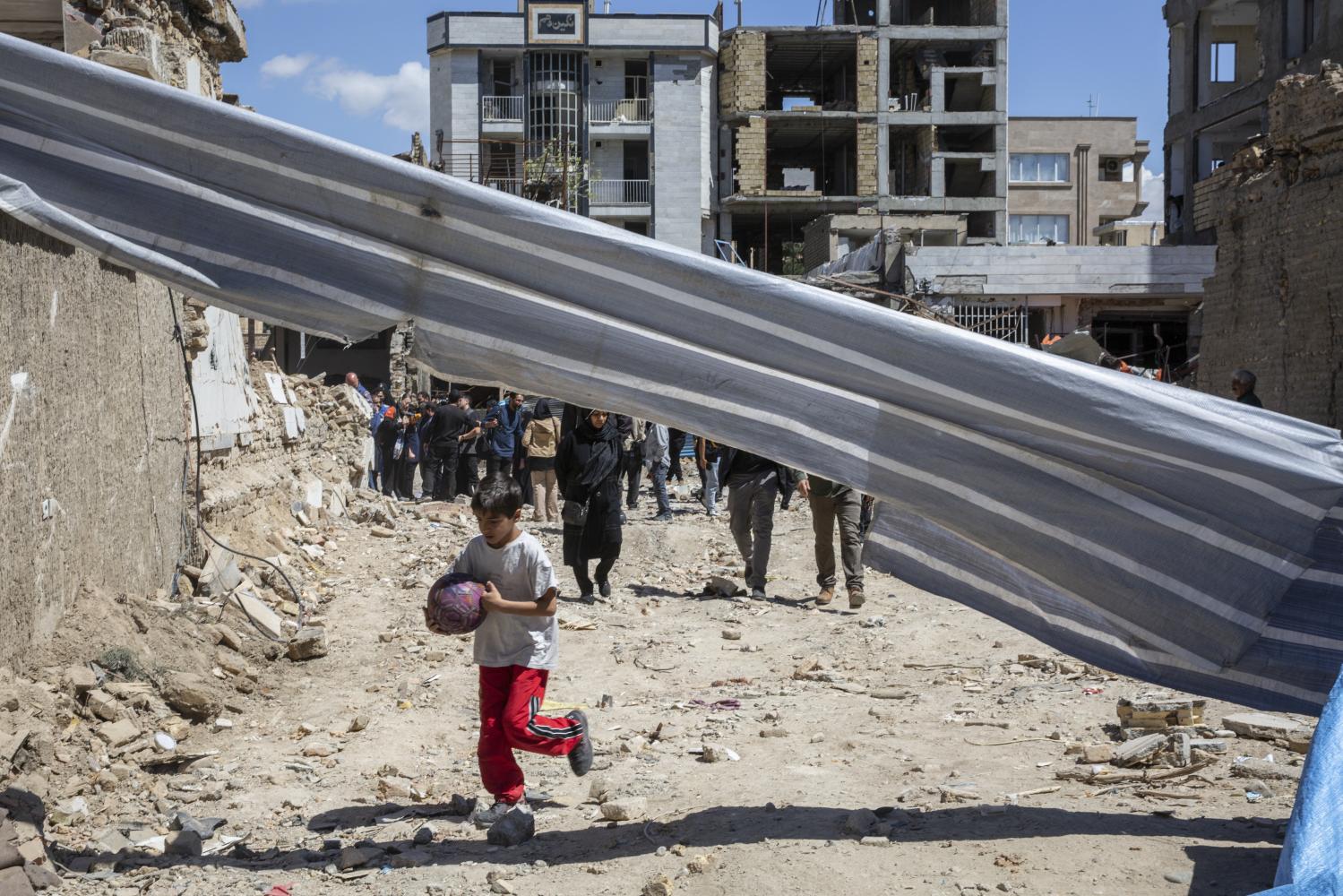
» In the space of just a few weeks, the throttling of shipping traffic through the Strait of Hormuz has revealed the true nature of the US-Israeli war with Iran. This is no regional conflict, because the entire world is being invoiced. While the size of the bill remains to be determined, it is already obvious that the belligerents won't be the only ones paying the tab.
Asean banks face climate pressure
Oped, Rachel Ho, Published on 08/04/2026
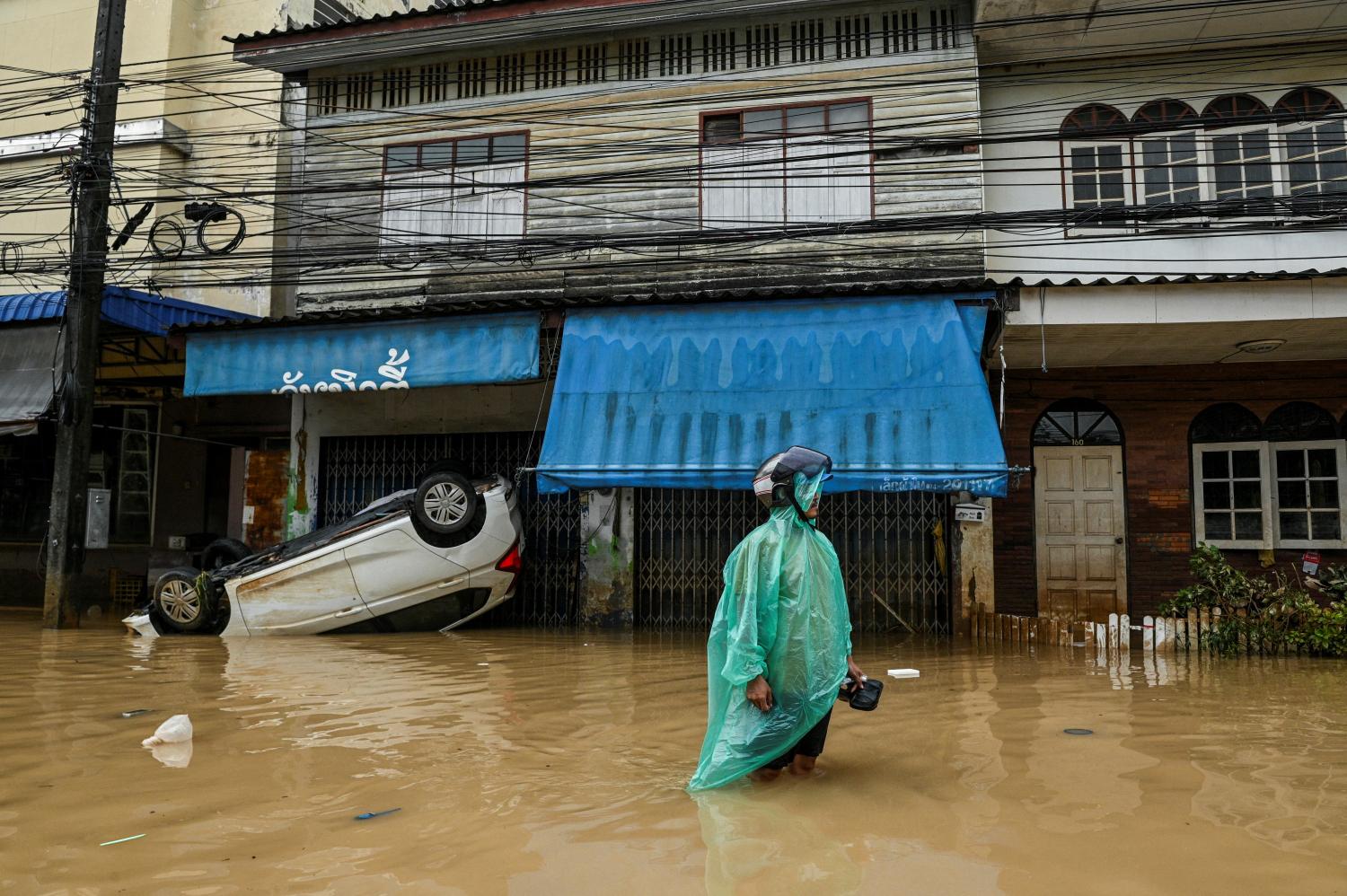
» The global oil and gas crisis is worsening. Amid the Middle East war, the central banks of countries in Southeast Asia must address a perfect storm of rising fuel prices, cost-of-living pressures, and worsening impacts of climate disasters.
Iran's water weapon against Gulf
Oped, Michael Christopher Low, Published on 07/04/2026
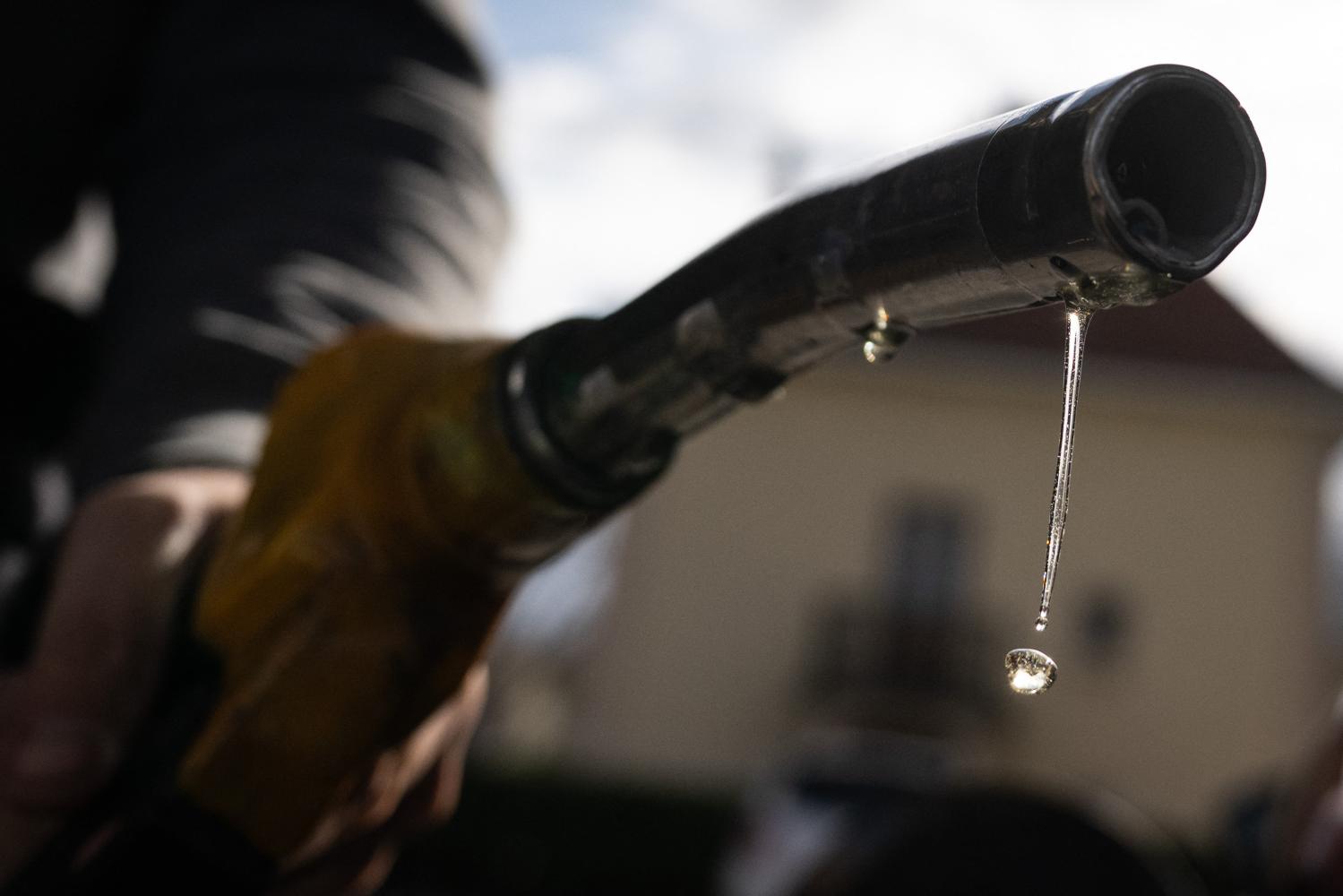
» The oil-rich monarchies of the Persian Gulf are often described as petrostates. But the US-Israeli war with Iran has highlighted that they are also saltwater kingdoms, societies whose survival depends on desalination, or converting seawater into potable water at industrial scale.
Can alliances with the US be replaced?
Oped, Kavi Chongkittavorn, Published on 07/04/2026
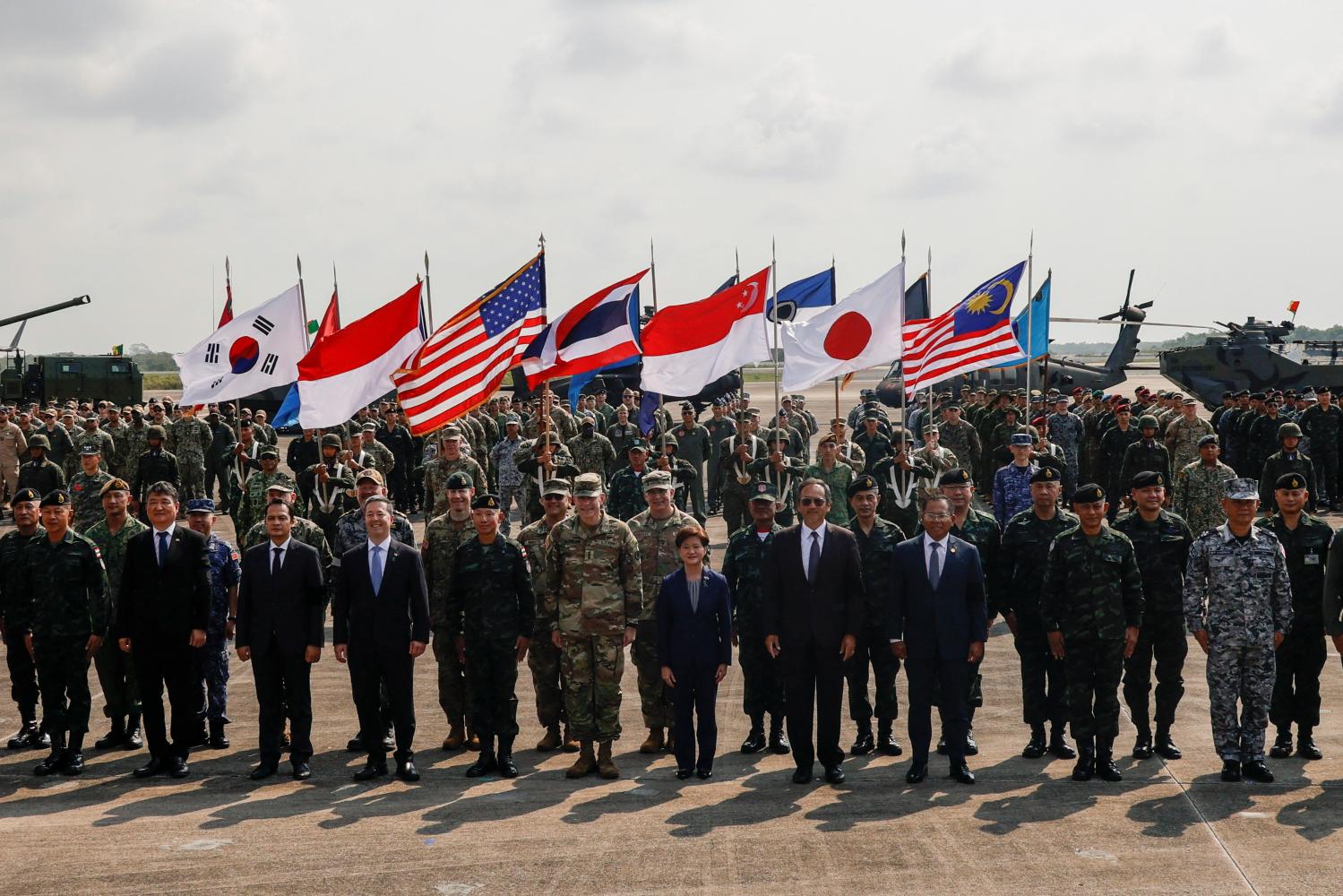
» The increasingly loud debate over the future of alliances -- after reports that the US could scale back or even withdraw from Nato -- is nerve-racking. It has caused alarm across Europe and in Southeast Asia, another node of the US alliance network. Even without any official decision, remarks by US President Donald Trump on social media were enough to shake already fragile US alliances. The question now frequently asked by Thai policymakers is: What comes next if alliances weaken?