




Showing 1 - 10 of 509
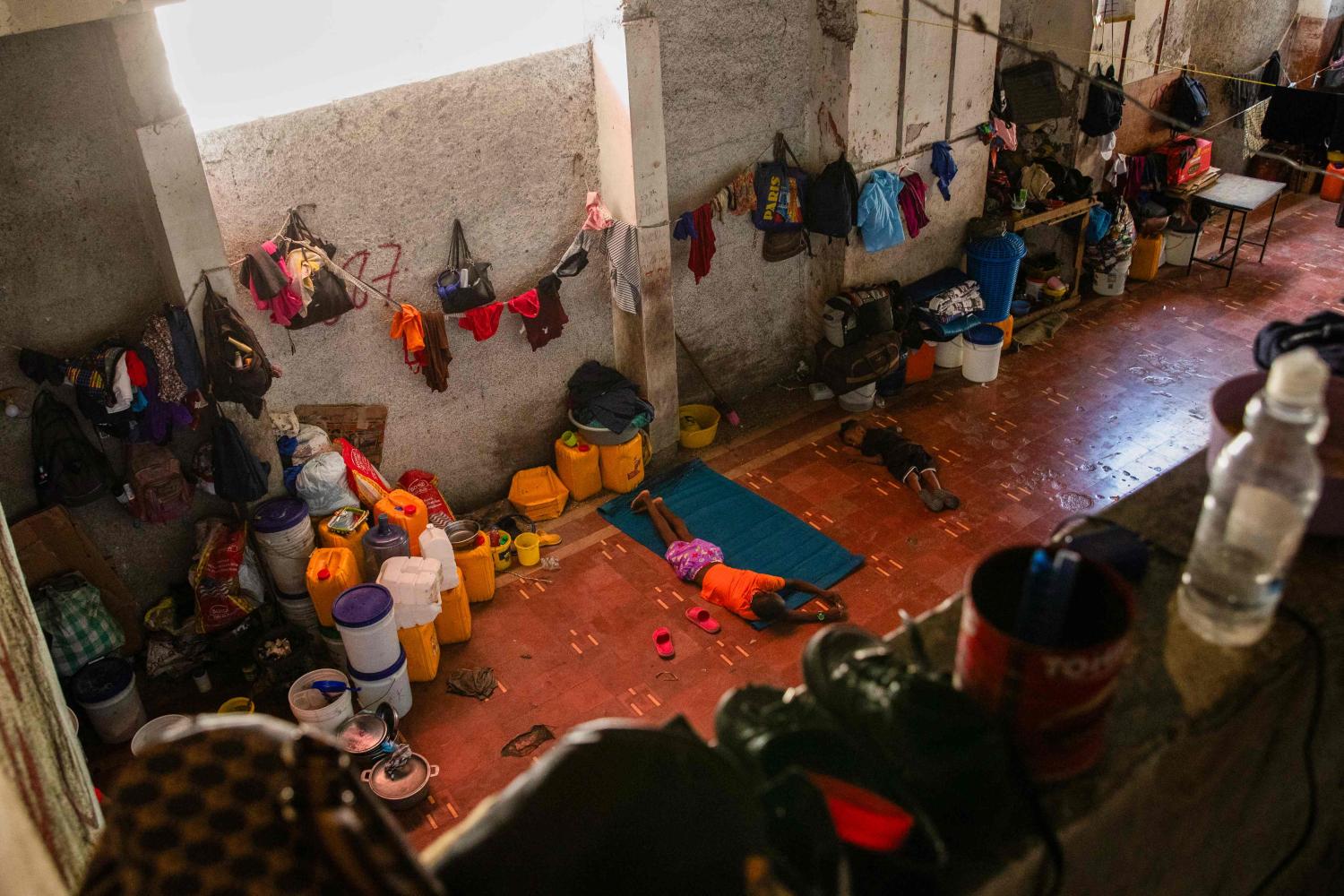
Climate fixation fails world's poor
Oped, Bjorn Lomborg, Published on 17/04/2026
» This week in Washington, more than 10,000 delegates, finance ministers, and central bankers are gathering for the World Bank and IMF Spring Meetings. Their stated goal: accelerate global development, drive economic growth, and lift billions out of poverty.
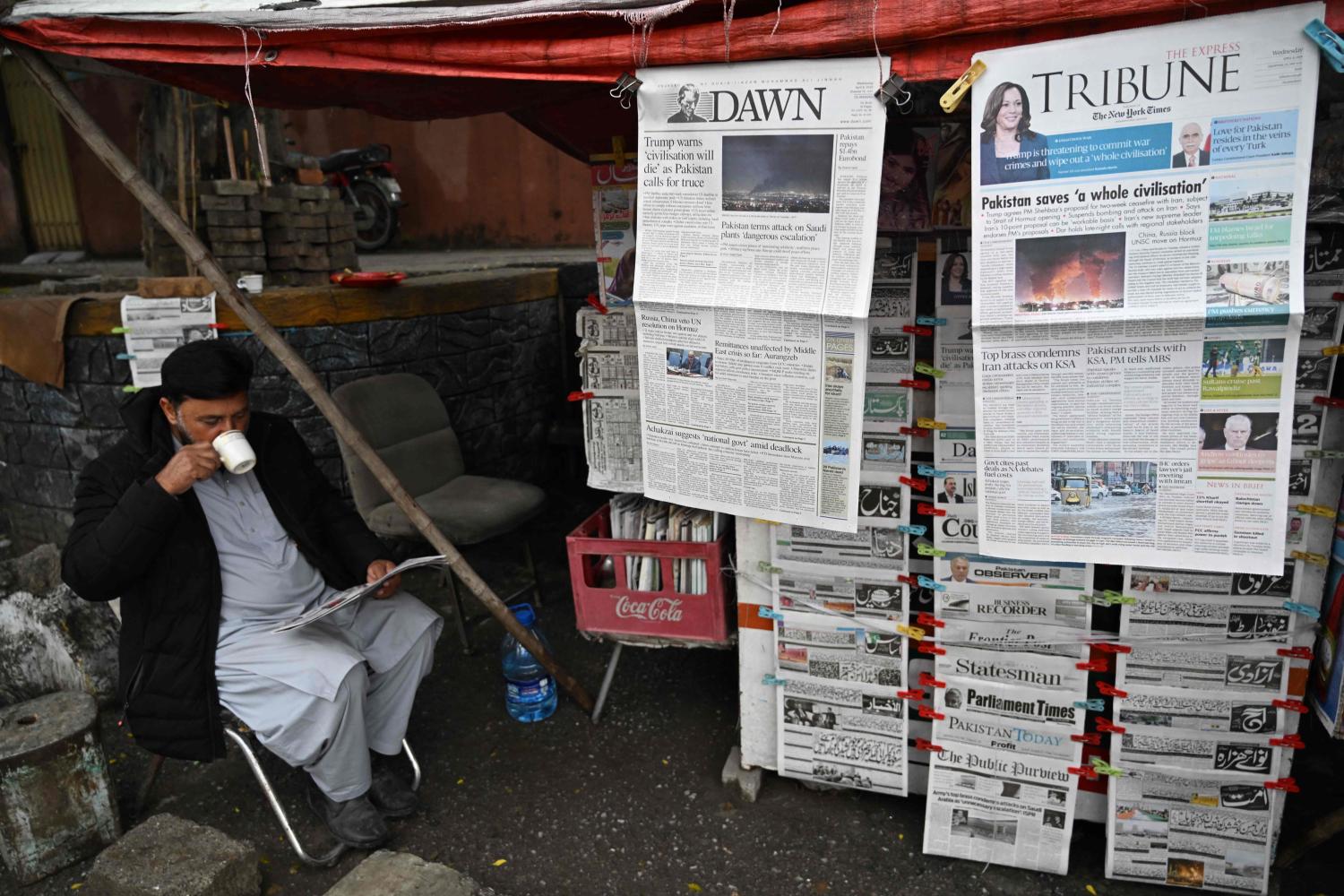
Projecting hope for a world in turmoil
Oped, Vitit Muntarbhorn, Published on 10/04/2026
» Today, the world is witnessing the most explosive situation since World War II, all too visible in conflicts such as the Iran war.
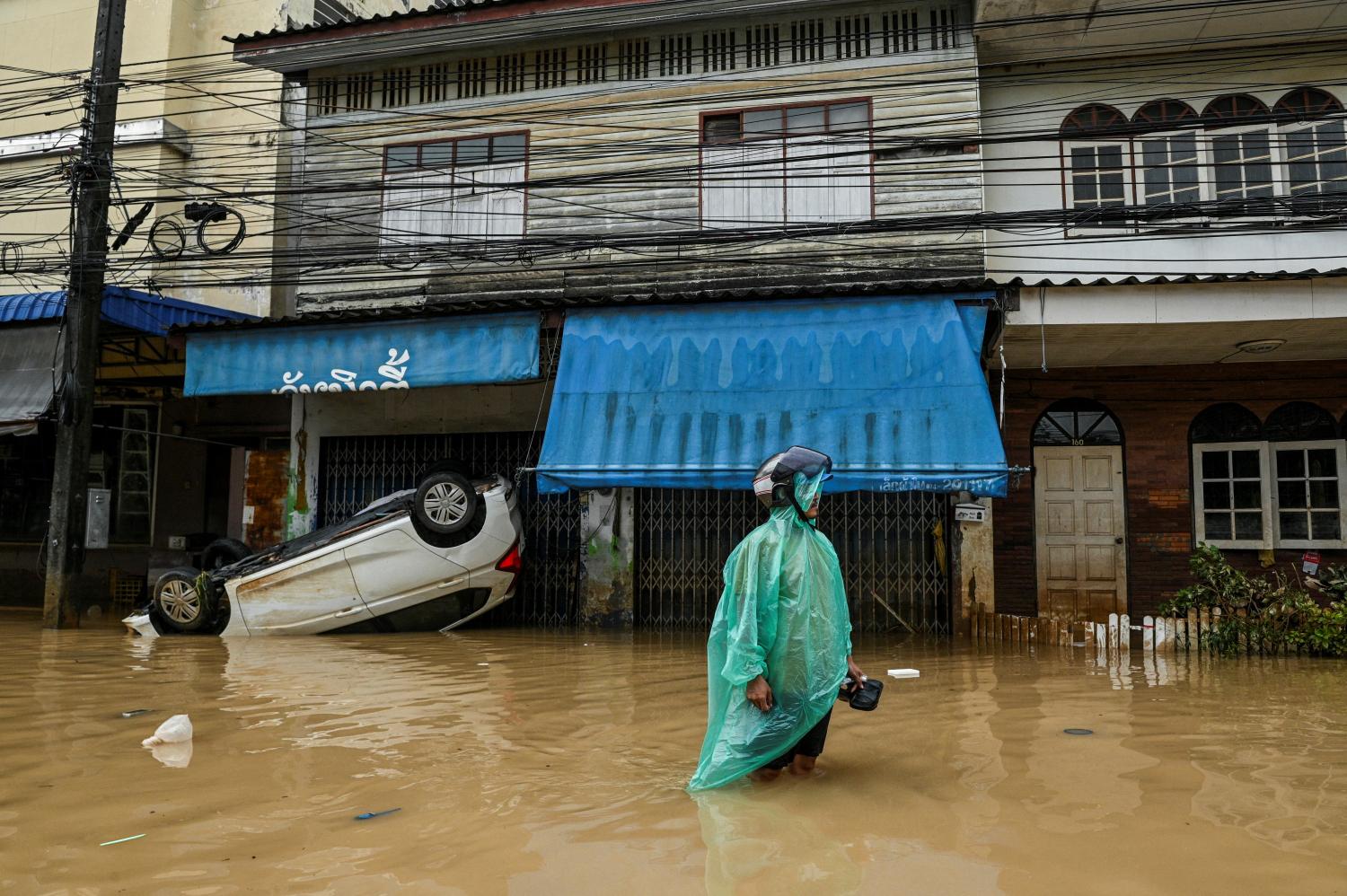
Asean banks face climate pressure
Oped, Rachel Ho, Published on 08/04/2026
» The global oil and gas crisis is worsening. Amid the Middle East war, the central banks of countries in Southeast Asia must address a perfect storm of rising fuel prices, cost-of-living pressures, and worsening impacts of climate disasters.

Stuck in Senate
Oped, Postbag, Published on 08/04/2026
» Re: "BJT pulls support for Clean Air Bill", (BP, April 7). This article chose to single out and quote Bhumjaithai (BJT) party list-MP Supachai, voicing concerns about "fast-tracking" and the economic fallout caused by the Clean Air Bill (CAB) during a recent House debate on a severe PM 2.5 crisis in the Northern region.

MPs' pensions on the line
Oped, Editorial, Published on 26/03/2026
» A bleak economic outlook driven by the oil crisis has prompted renewed calls for a review of the pension scheme for former members of parliament, which critics say has become a heavy burden on taxpayers.

The fire this time is for US climate science
Oped, Gwynne Dyer, Published on 18/03/2026
» In 1953 Ray Bradbury, an American writer, published a book entitled simply Fahrenheit 451. It was a novel about an American fireman in a not-too-distant future who realised that he was doing his job all wrong -- because his job was to burn books, which were banned in that future America. (451°F is the temperature at which paper catches fire.)
Preparing for AI-enabled bioweapons
Oped, Sania Nishtar, Published on 11/03/2026
» We don't know when the next epidemic or pandemic will hit, or where the next infectious threat will emerge. But we do know that the nature of the threat is constantly evolving. One of the most sobering takeaways from this year's Munich Security Conference was that AI-enabled gene editing has radically lowered the barrier to developing genetically engineered bioweapons. We must prepare to live with even deeper uncertainty about whether emerging infectious threats are natural or man-made, and whether they have been accidentally or deliberately released.

Women can lead push for growth
Oped, Anisha Chugh, Laura Leonelli Morey & Teresa Zapeta Mendoza, Published on 09/03/2026
» Across the Global South, painful austerity measures such as benefit caps, pay freezes and subsidy cuts have followed donor governments' recent cuts to foreign aid. The policy pivot has had an especially dramatic impact on women -- costing them jobs, services and protections -- and is causing widespread economic hardship in many developing countries.
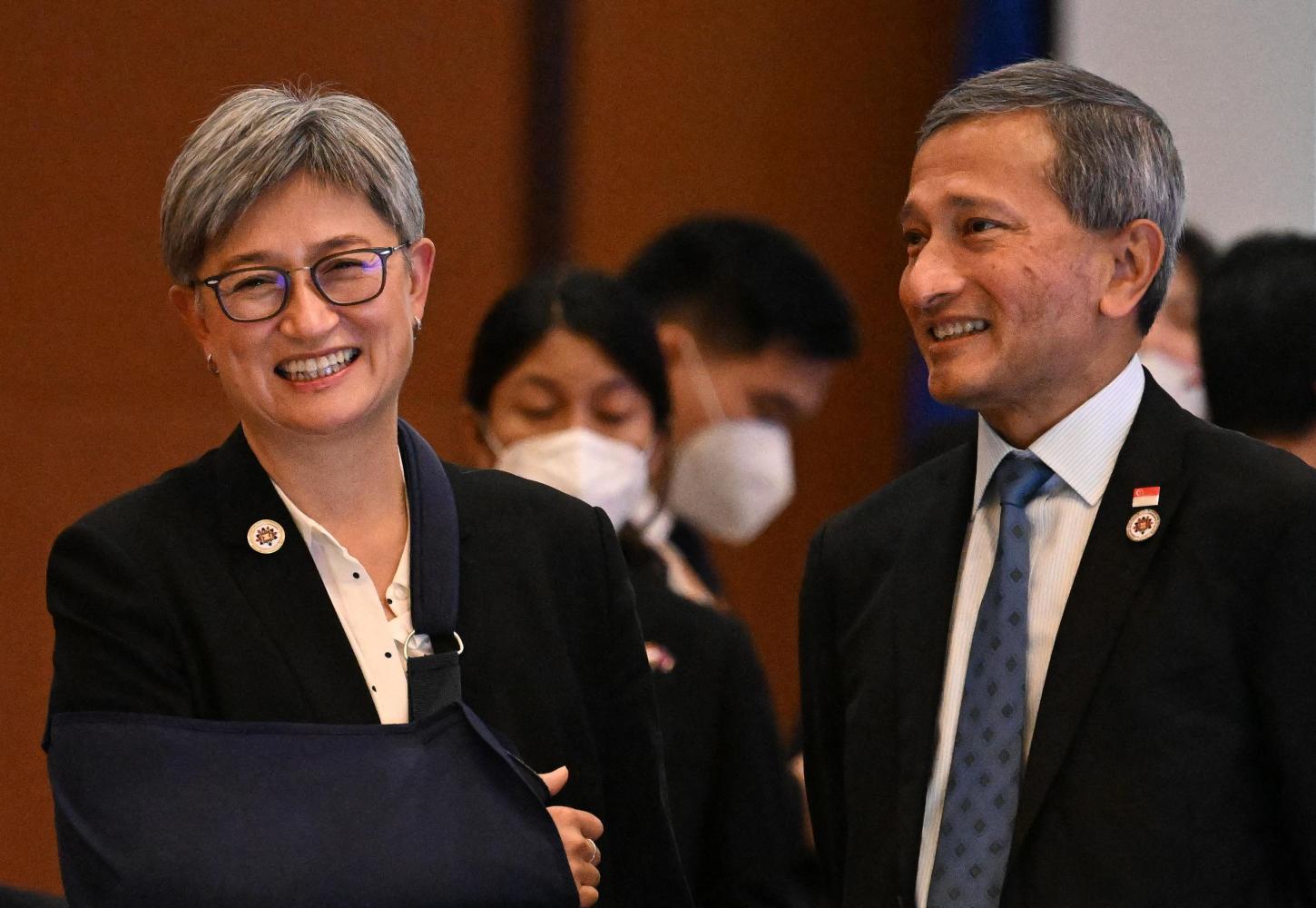
It's never been more important to strengthen ties
Oped, Genevieve Donnellon-May, Published on 09/03/2026
» Australia and the Association of Southeast Asian Nations (Asean) face a defining moment. Intensifying great-power competition, climate crises and economic fragmentation are reshaping the Indo-Pacific, raising urgent questions about how the two sides can build a truly resilient partnership.
Time for region to double down on green energy
Oped, Lidy Nacpil, Published on 06/03/2026
» The escalating instability in the Middle East has sent shockwaves through global energy markets, forcing Southeast Asian nations into a precarious position. While the region has made significant pledges to transition toward renewables, the threat of interrupted gas supplies and surging LNG prices is creating a dangerous incentive to prioritise immediate energy security over long-term climate goals.