




Showing 1 - 10 of 1,282
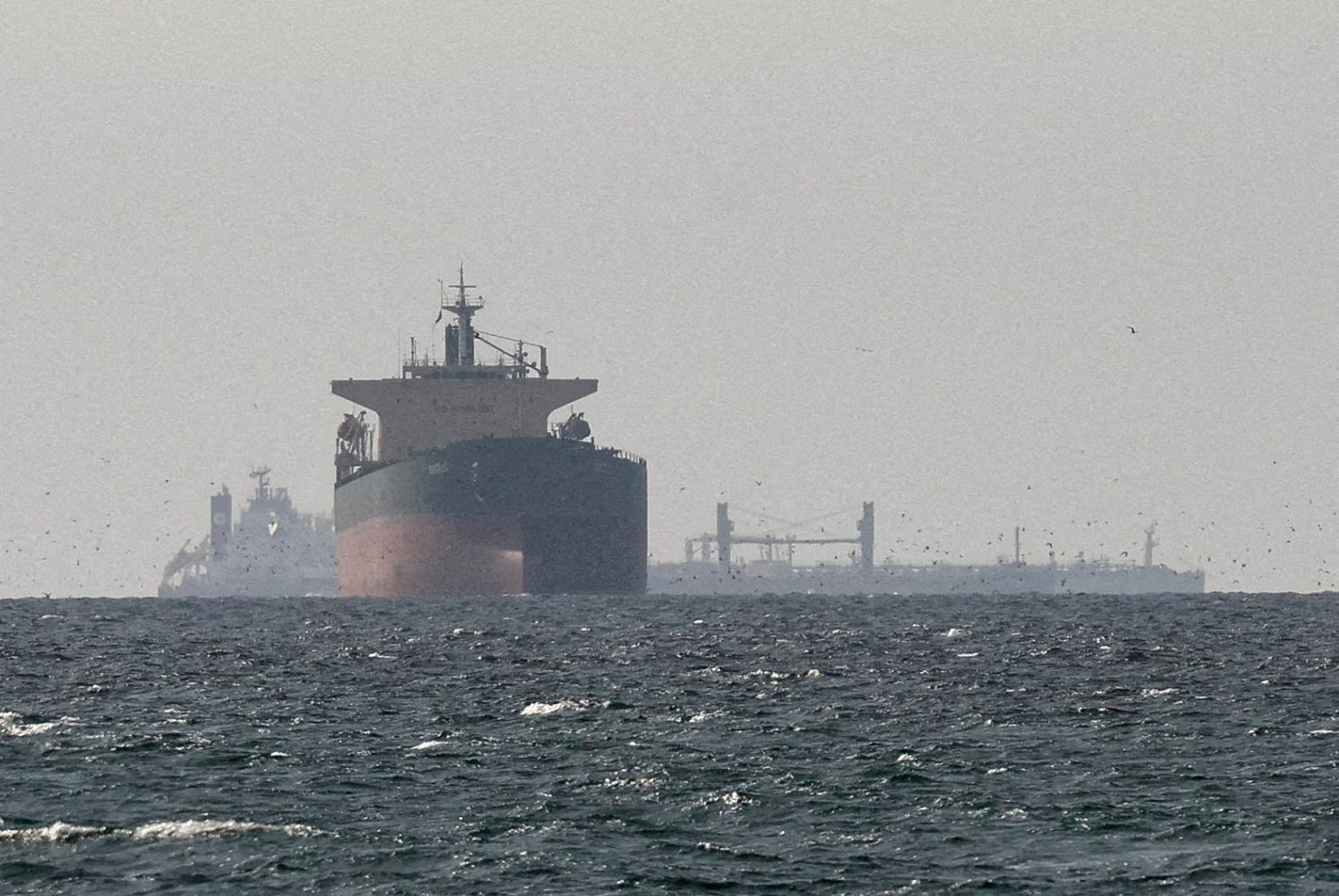
Is the Iran war America's Suez or its Gallipoli?
Oped, Yanis Varoufakis, Published on 21/04/2026
» When Egypt closed the Suez Canal for five months in 1956, it triggered events that shrunk the global standing of Britain's pound sterling, inaugurated the petrodollar age, and demonstrated how a small country can inflict serious damage upon the economic power that had subjugated it decades earlier.

A word to brokers
Oped, Postbag, Published on 20/04/2026
» Re: "Stock reforms mirror regional realignment" (Business, April 15).
The war and its likely consequences
Oped, Thitinan Pongsudhirak, Published on 17/04/2026
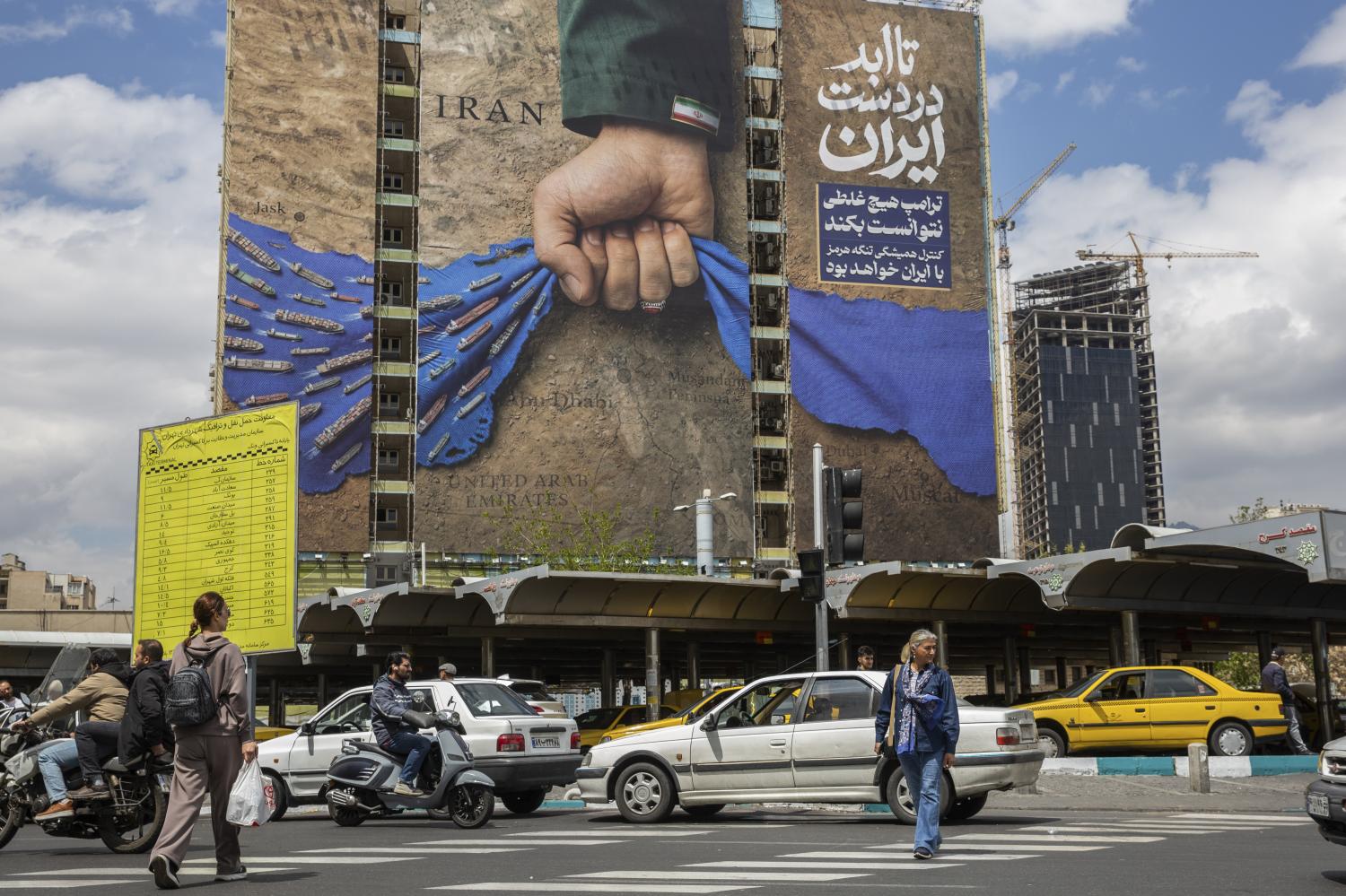
» As the joint attack between the United States and Israel against Iran that resulted in a wider regional conflict in the Middle East approaches its two-month mark, the directions of the war remain precarious while some of the longer-lasting consequences appear evident. Unsurprisingly, the war has been detrimental and damaging for all states and societies concerned, not just within the affected region but the wider world. Already we can start counting some of the long-term costs.

When will the IMF ever learn?
Oped, Timothy Kaldas, Published on 16/04/2026
» This year's International Monetary Fund Spring Meetings come at a time of heightened economic uncertainty and intense scrutiny of the institution's capabilities and approach. Critics on the left argue that the IMF imposes regressive austerity measures on borrowers, exacerbating poverty, hampering economic growth, and undermining their ability to achieve debt sustainability. On the right, US President Donald Trump's administration has accused the IMF of "mission creep," claiming that it has strayed from its core mandate of maintaining macroeconomic stability.
Oil shock risks wider chain reaction
Oped, Chartchai Parasuk, Published on 16/04/2026
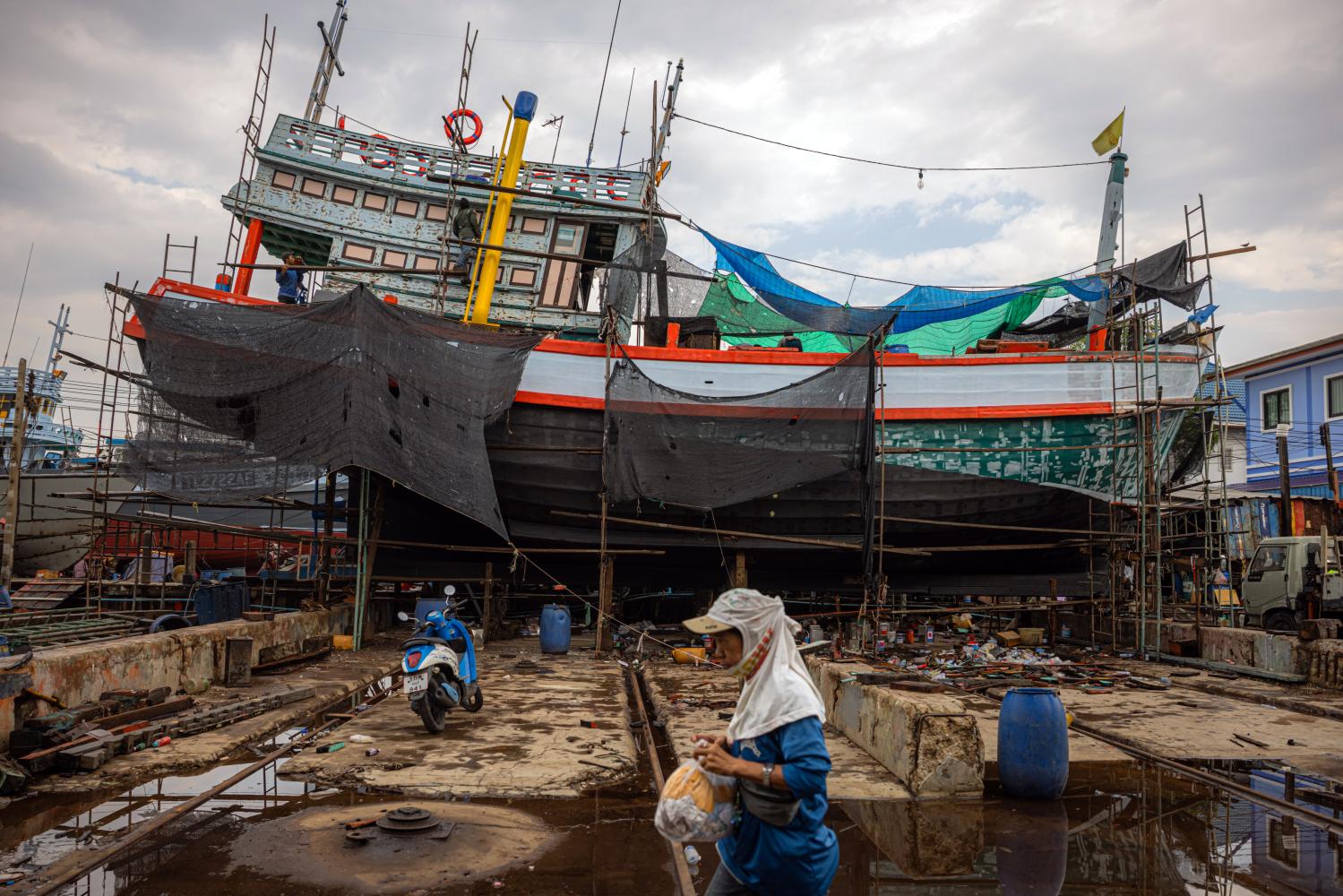
» There is no such thing as a free lunch. When global oil prices rise sharply, as they are doing now, someone must bear the cost. Some countries choose to absorb it through government support, as in Japan, while others pass the burden on to consumers, as in Thailand. Neither approach is inherently right or wrong; each carries different economic consequences. Policymakers must decide which set of outcomes is more acceptable and act accordingly.
Orban's fall seen as a populist turning point
Oped, Gwynne Dyer, Published on 16/04/2026
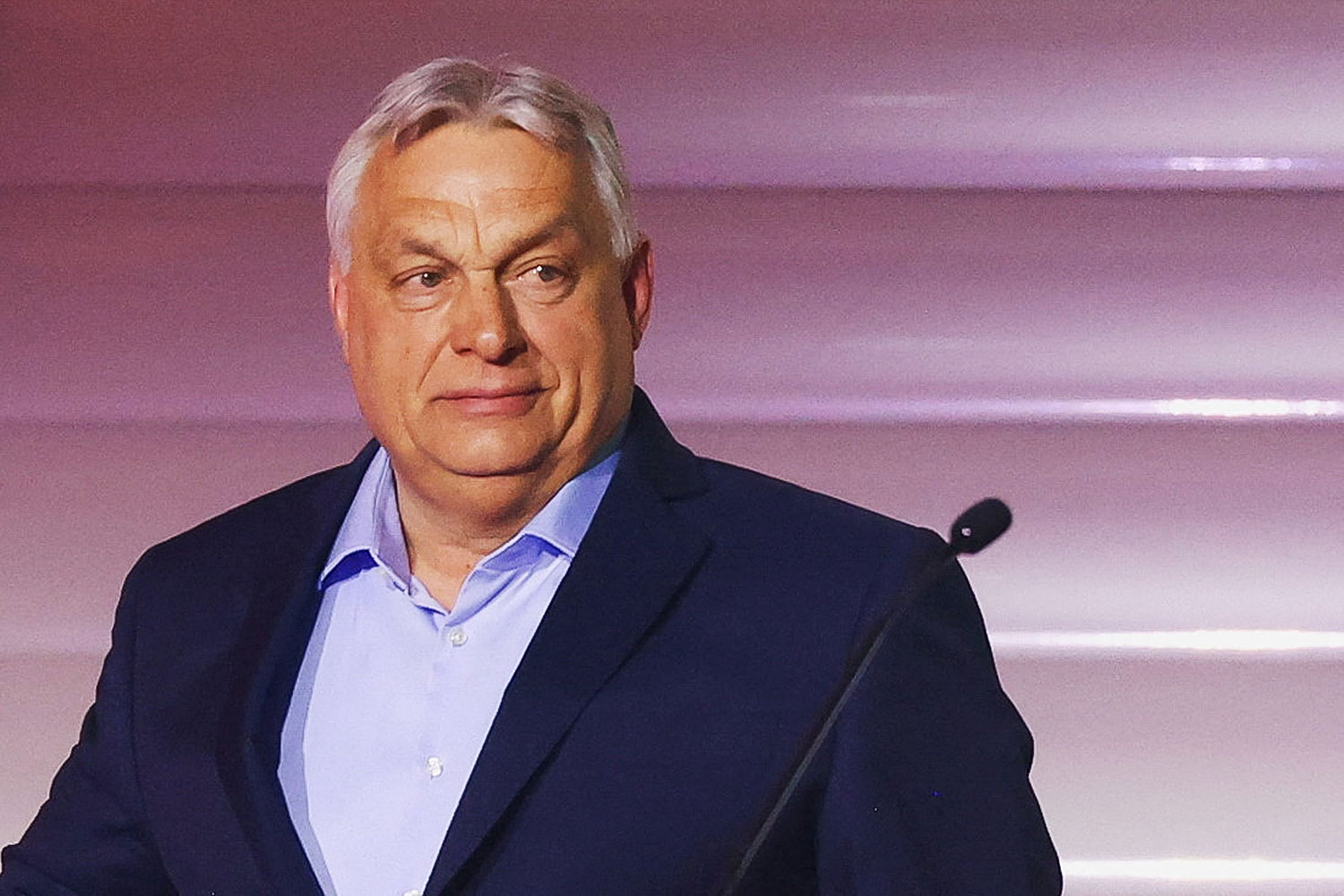
» Polish Prime Minister Donald Tusk sent a message congratulating Hungary's newly elected prime minister, Peter Magyar, for having evicted long-serving populist leader Viktor Orban (aka "The Viktator") from power. All the usual welcoming words, but Mr Tusk's message ended with two slightly mysterious words in Hungarian: "Ruszkik haza" -- Russians go home.
Asean banks face climate pressure
Oped, Rachel Ho, Published on 08/04/2026
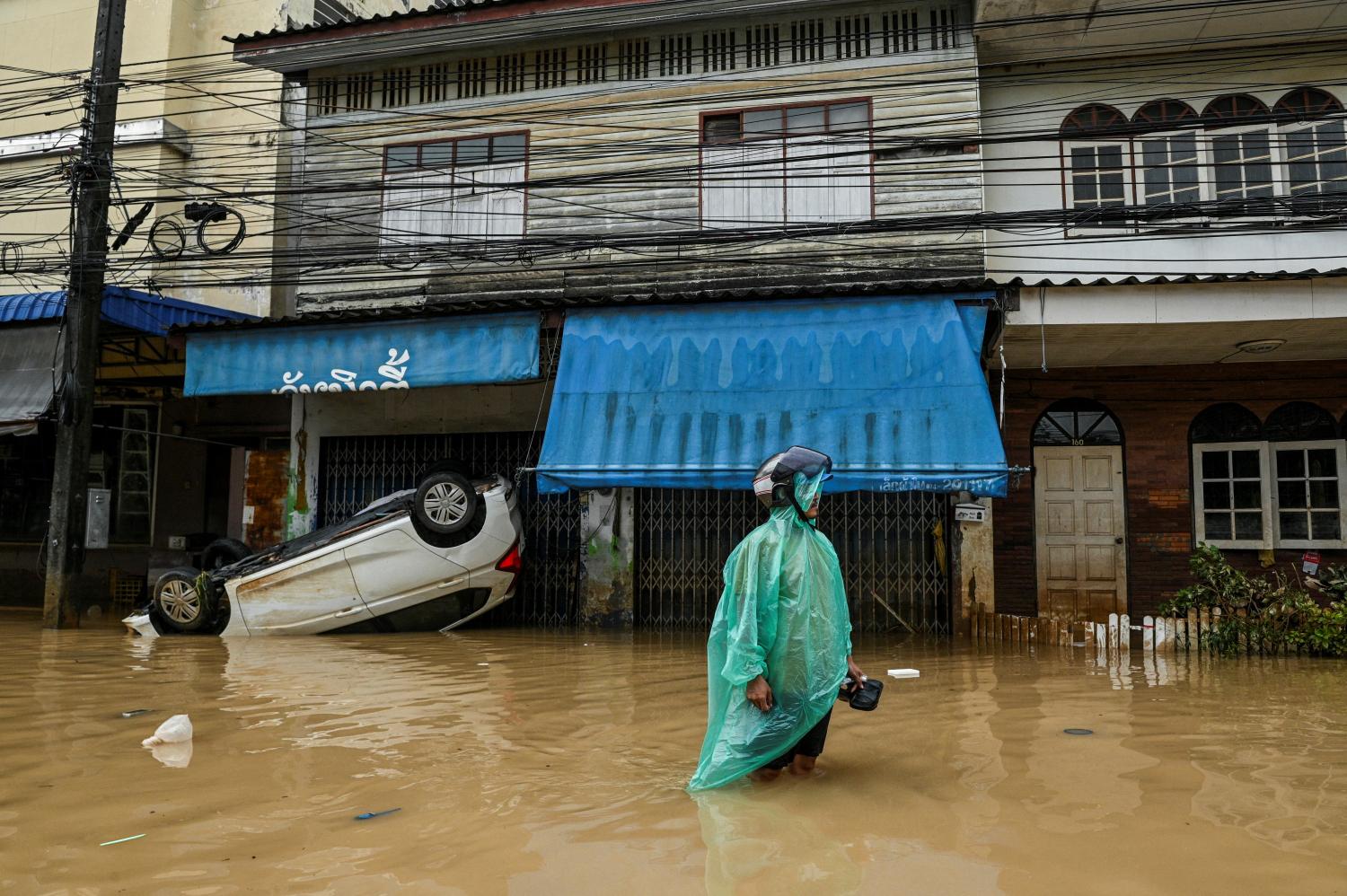
» The global oil and gas crisis is worsening. Amid the Middle East war, the central banks of countries in Southeast Asia must address a perfect storm of rising fuel prices, cost-of-living pressures, and worsening impacts of climate disasters.
Fanatics, an obsessive, and a belligerent fool
Oped, Gwynne Dyer, Published on 07/04/2026
» We don't have to look very far to find a useful historical analogy for the current crisis in the Middle East. In 1967, Egypt closed the Strait of Tiran to Israeli ships, and Israel replied with a surprise air attack that destroyed almost the entire Egyptian air force on the ground.
The fatal flaw of AI-driven business models
Oped, Joachim Klement, Published on 02/04/2026
» Hundreds of billions of dollars are riding on the assumption that artificial intelligence will be reliable enough for high-stakes work. New research suggests it may never be. The AI tools that power ChatGPT and its rivals -- known as large language models, or LLMs -- are a genuine productivity-enhancing innovation. But they have serious shortcomings, most notably, their tendency to hallucinate, or make things up.

Tackle smog in North
Oped, Editorial, Published on 02/04/2026
» On Monday, Chiang Mai was ranked the world's most polluted major city, according to the Air Quality Index (AQI) compiled by a Swiss air-monitoring firm.