




Showing 1 - 10 of 11
Politicising novel solutions to climate change
News, Bjorn Lomborg, Published on 13/05/2024
» Climate studies are increasingly becoming politicised. Harvard University recently shut down a key geoengineering research project because of intense backlash, despite the college's aspiration to become "a global beacon for climate change."

Are scientific breakthroughs on the decline?
News, F.D. Flam, Published on 27/12/2023
» This year had barely begun when scientists got some jolting news. On Jan 4, a paper appeared in Nature claiming that disruptive scientific findings have been waning since 1945. An accompanying graph showed all fields on a steep downhill slide.
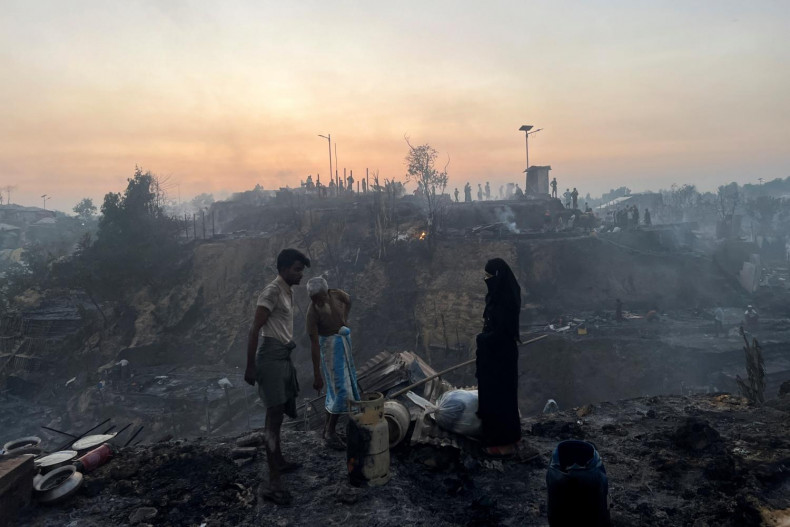
No respite for refugees
Oped, Postbag, Published on 11/03/2023
» Re: "Camp blaze renders 12,000 homeless", (BP, March 8).
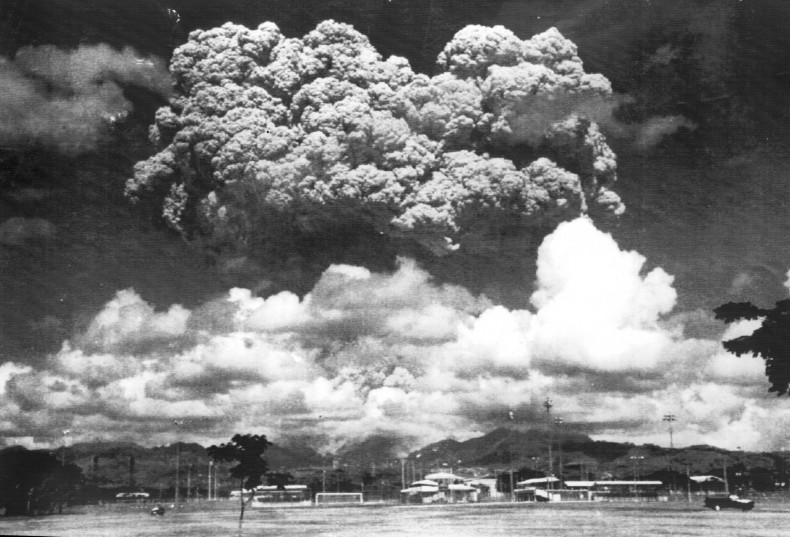
US startup's climate gig stirs up controversy
Oped, Gwynne Dyer, Published on 06/01/2023
» It was the moral equivalent of a fart in a hurricane. The "hurricane" was the explosion of the Mount Pinatubo volcano in the Philippines in 1991, which boosted 17 million tonnes of sulphur dioxide into the stratosphere.

Getting tough on PM2.5
Oped, Editorial, Published on 25/03/2022
» This past week has seen two events linked to attempts to solve the problem of PM2.5 fine dust particles. Wednesday marked the opening of the National Environment Information Centre (NEIC), a 200-million-baht big data analytics centre related to air and dust particle problems.
God complex
Oped, Postbag, Published on 19/02/2022
» Re: "PM invokes epic myth to hammer opposition," (BP, Feb 18). Self-appointed Prime Minister Prayuth Chan-o-cha apparently thinks he is Phra Ram (Lord Rama), or God in other words.

The smallest of things can destroy us
Oped, Wasant Techawongtham, Published on 09/01/2021
» There were no celebrations during the New Year holidays, at least not like the ones we have had in previous years. The coronavirus has disrupted what used to be a festive season and life in general.
Bitter fruits of US poll will be felt for years to come
Oped, Philip J Cunningham, Published on 12/11/2020
» The aftermath of a US presidential election is, in normal times, a moment to muse about possible new policy directions of the candidate who prevailed at the polling booth.
The pandemic can revolutionise climate policy
Oped, Roland Kupers, Published on 28/08/2020
» Economists have long dominated climate-policy debates, but have scant results to show for it. As with the ongoing global fight against the coronavirus pandemic, our best hope for tackling the climate crisis may instead lie with systems science. By better understanding how networks function, we can design policies that harness them for the common good.

Time to take smog seriously
News, Editorial, Published on 29/09/2019
» As winter approaches, ultra-fine PM2.5 dust particles start to blanket Bangkok and other cities, posing a health threat to the public.