




Showing 1 - 10 of 647

Fuel-saving ideas
Oped, Postbag, Published on 02/04/2026
» Re: "PM apologises for fuel 'chaos'", (BP, March 28).

Oil post draws fire
Oped, Editorial, Published on 01/04/2026
» After a month of ham-fisted oil crisis management, Prime Minister Anutin Charnvirakul appears to be moving in the right direction.
Gulf states tell US ending the war is not enough
Oped, Samia Nakhoul, Published on 31/03/2026
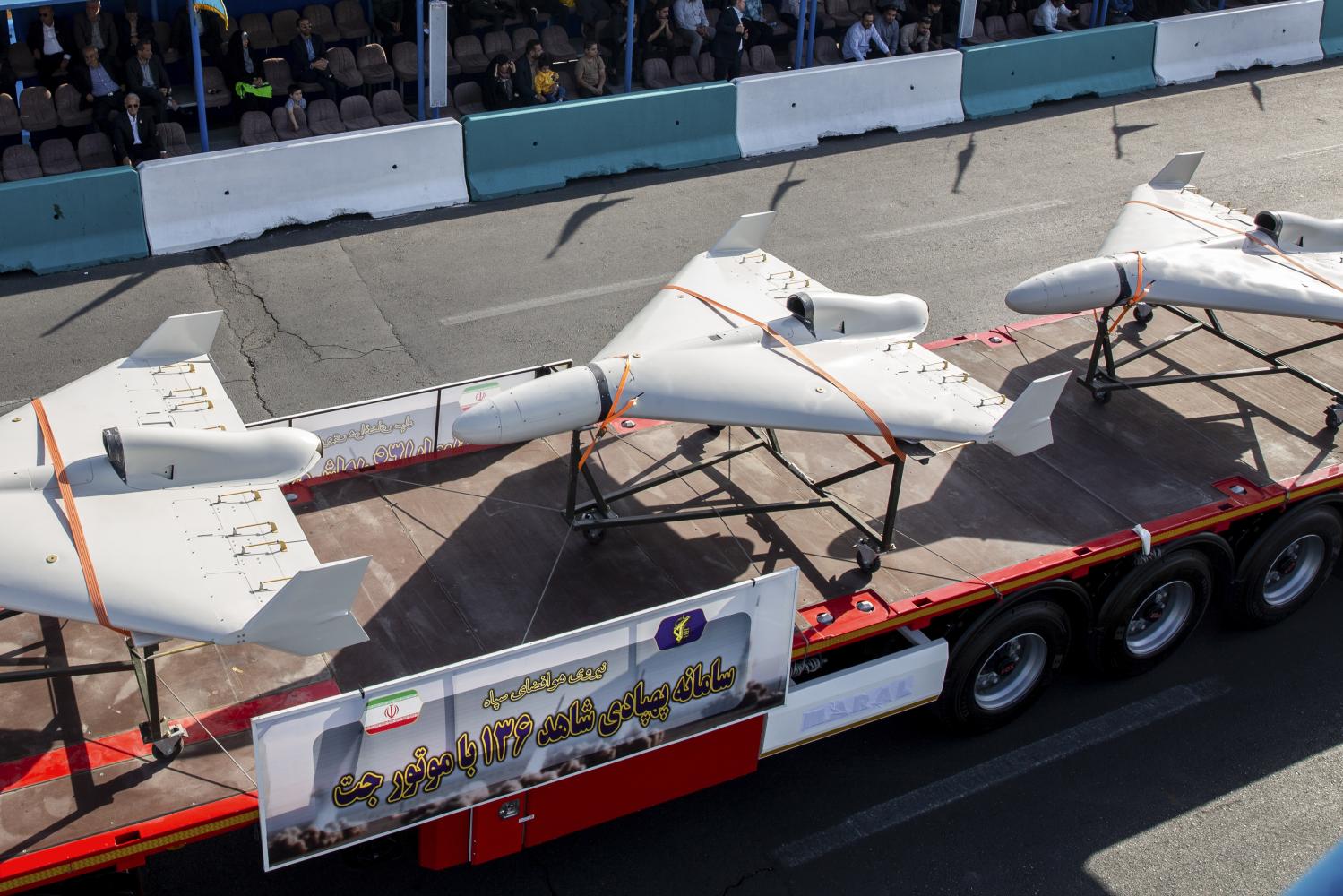
» Gulf Arab states are telling the US that any deal with Tehran should do more than end the war, and must permanently curb Iran's missile and drone capabilities and ensure global energy supplies are never again "weaponised", four Gulf sources said.

Rethinking Thailand's visa-free policy
Oped, Kavi Chongkittavorn, Published on 31/03/2026
» Thailand is planning to cut visa-free stays from 60 days to 30 days. This long-overdue change reflects growing concern over the effectiveness of immigration surveillance. Moreover, scaling down visa-free stays underscores the seriousness of the Anutin government's efforts to combat scammers, illegal work, and other underground activities that exploit easy visa access to turn Thailand into a base for under-the-table operations.

PM apology a good start
Oped, Editorial, Published on 30/03/2026
» The recent public apology by Prime Minister Anutin Charnvirakul regarding the fuel management hiccups during the first half of March is a rare and welcome gesture of political accountability.
Iran war: One miscalculation after another
Oped, Gwynne Dyer, Published on 24/03/2026
» Still not four full weeks into the war, and already Donald Trump's "short-term excursion" -- decapitate the Iranian regime with a surprise attack and impose harsh terms on the defeated survivors -- has morphed into a global economic crisis and a region-wide war that could destroy the wealth of all the countries on both sides of the Gulf. At the very least.

The fire this time is for US climate science
Oped, Gwynne Dyer, Published on 18/03/2026
» In 1953 Ray Bradbury, an American writer, published a book entitled simply Fahrenheit 451. It was a novel about an American fireman in a not-too-distant future who realised that he was doing his job all wrong -- because his job was to burn books, which were banned in that future America. (451°F is the temperature at which paper catches fire.)
Preparing for AI-enabled bioweapons
Oped, Sania Nishtar, Published on 11/03/2026
» We don't know when the next epidemic or pandemic will hit, or where the next infectious threat will emerge. But we do know that the nature of the threat is constantly evolving. One of the most sobering takeaways from this year's Munich Security Conference was that AI-enabled gene editing has radically lowered the barrier to developing genetically engineered bioweapons. We must prepare to live with even deeper uncertainty about whether emerging infectious threats are natural or man-made, and whether they have been accidentally or deliberately released.

Women can lead push for growth
Oped, Anisha Chugh, Laura Leonelli Morey & Teresa Zapeta Mendoza, Published on 09/03/2026
» Across the Global South, painful austerity measures such as benefit caps, pay freezes and subsidy cuts have followed donor governments' recent cuts to foreign aid. The policy pivot has had an especially dramatic impact on women -- costing them jobs, services and protections -- and is causing widespread economic hardship in many developing countries.
It's never been more important to strengthen ties
Oped, Genevieve Donnellon-May, Published on 09/03/2026
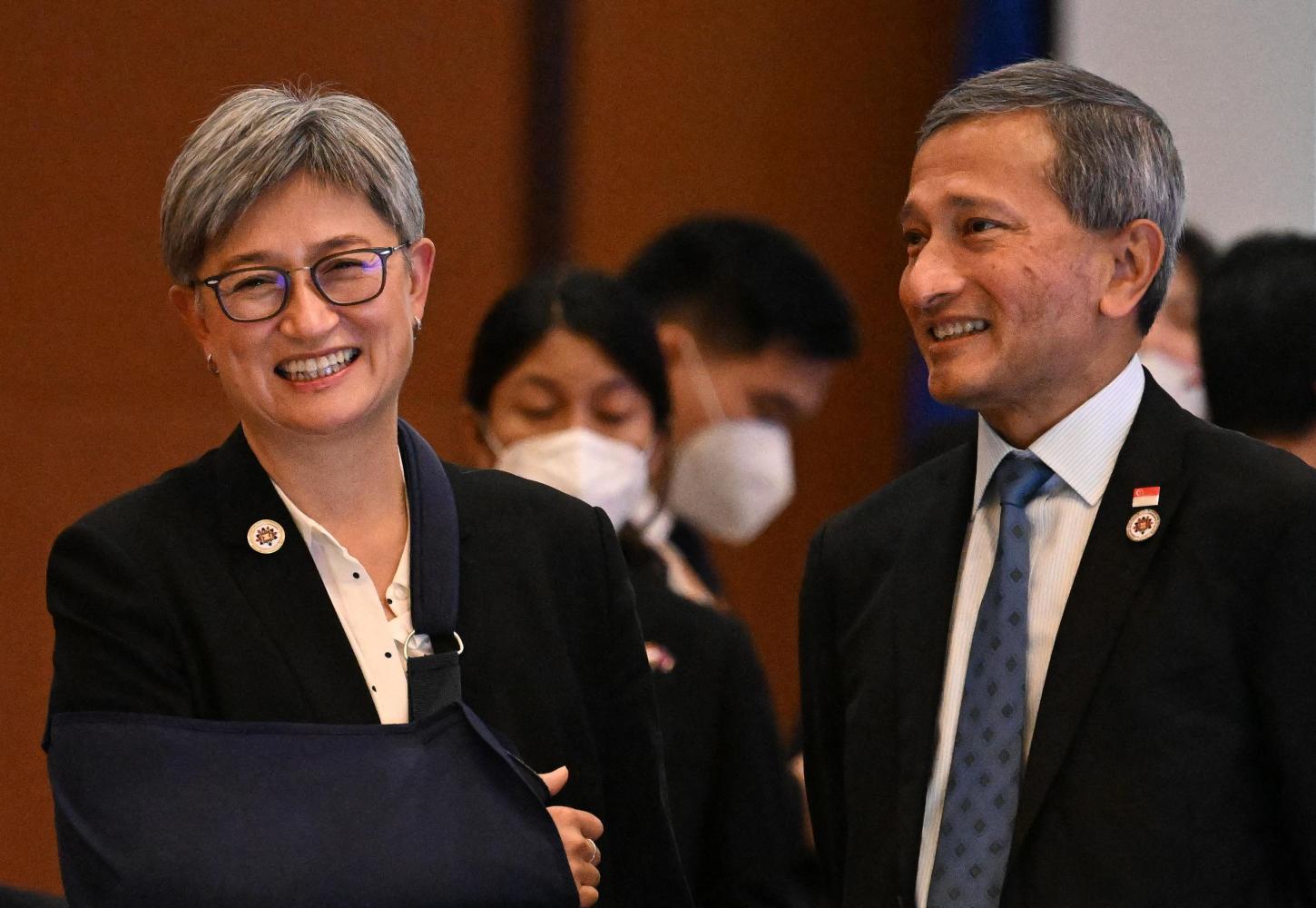
» Australia and the Association of Southeast Asian Nations (Asean) face a defining moment. Intensifying great-power competition, climate crises and economic fragmentation are reshaping the Indo-Pacific, raising urgent questions about how the two sides can build a truly resilient partnership.