




Showing 1 - 10 of 920
Fanatics, an obsessive, and a belligerent fool
Oped, Gwynne Dyer, Published on 07/04/2026
» We don't have to look very far to find a useful historical analogy for the current crisis in the Middle East. In 1967, Egypt closed the Strait of Tiran to Israeli ships, and Israel replied with a surprise air attack that destroyed almost the entire Egyptian air force on the ground.

Fuel-saving ideas
Oped, Postbag, Published on 02/04/2026
» Re: "PM apologises for fuel 'chaos'", (BP, March 28).
The silent engines of Asean realism
Oped, Imran Khalid, Published on 30/03/2026
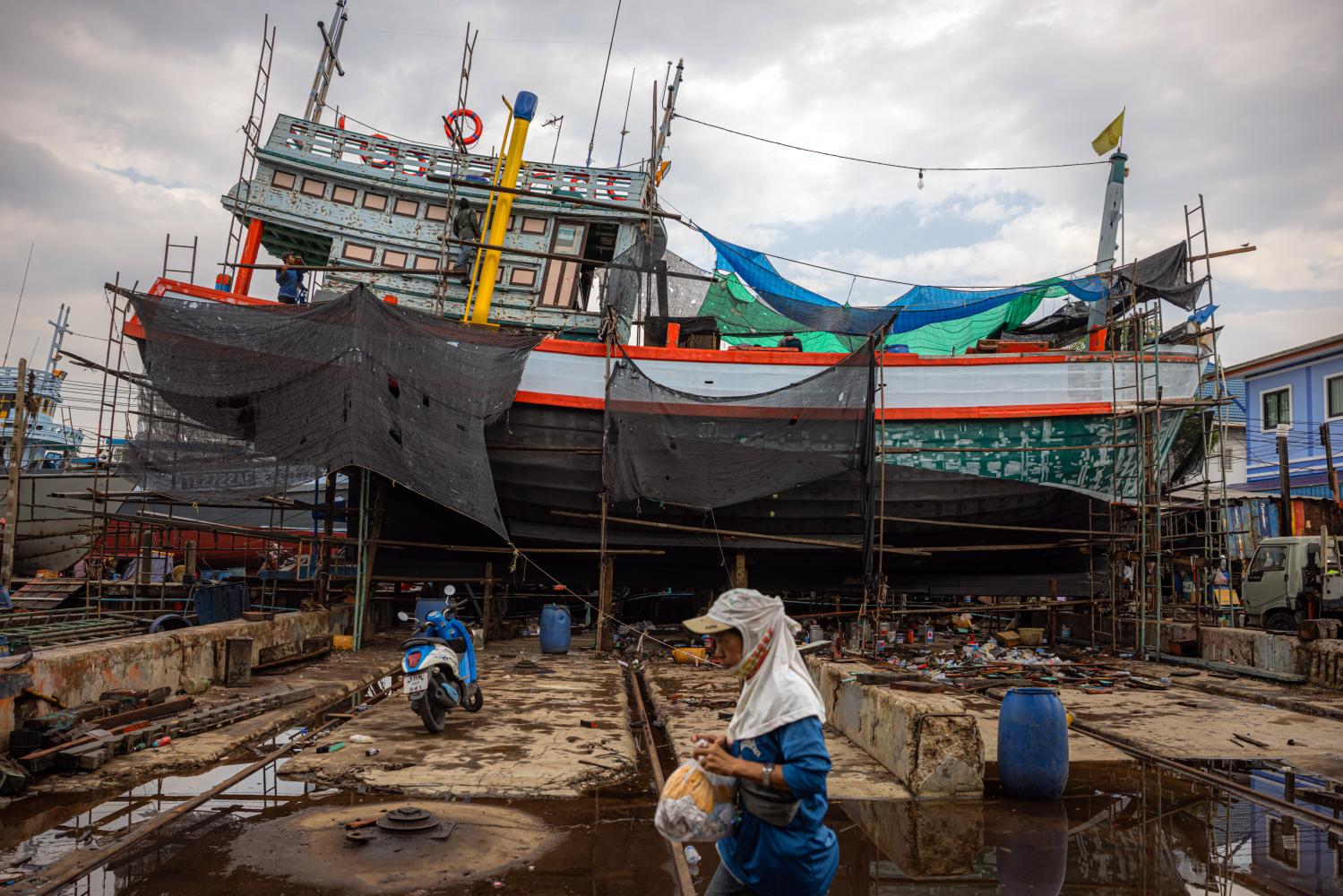
» The global economy is currently tackling what may be the most significant energy disruption since the 1970s. The effective throttling of the Strait of Hormuz -- now seeded with Iranian Maham mines and subject to a tense, IRGC-monitored tolling system -- has physically severed the energy arteries that sustain the industrial heart of Southeast Asia.

PM apology a good start
Oped, Editorial, Published on 30/03/2026
» The recent public apology by Prime Minister Anutin Charnvirakul regarding the fuel management hiccups during the first half of March is a rare and welcome gesture of political accountability.
Thailand's food industry talent gap
Oped, Napapop Thongraya, Published on 25/03/2026
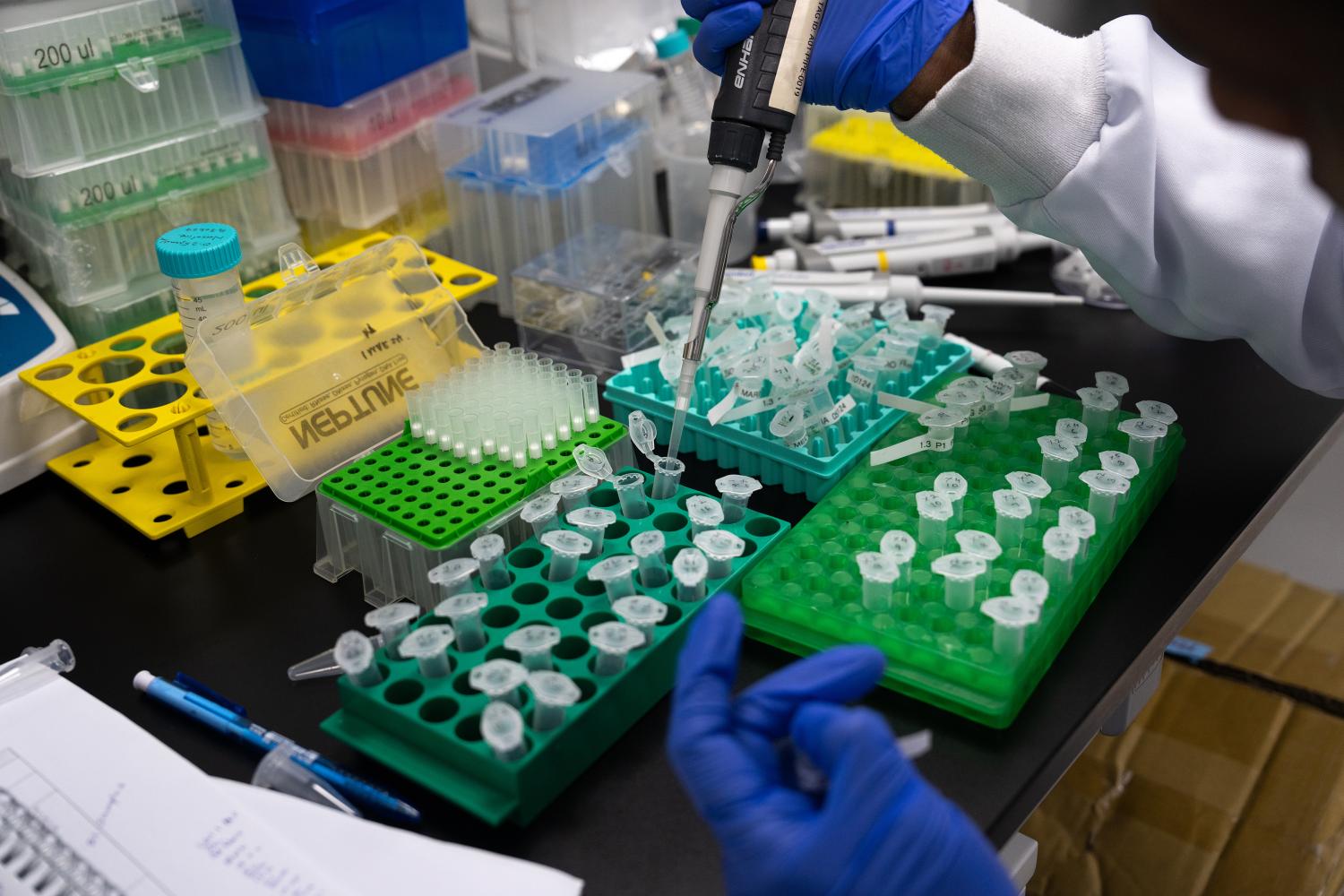
» Thailand has aspired to be the "kitchen of the world". But who will do the cooking when the food scientists are overworked, underpaid, and fewer young people want to study food science in the first place?

Crisis inaction
Oped, Postbag, Published on 20/03/2026
» Re: "Rising costs, empty tanks", (Editorial, March 18).

Lesson from India to avoid the middle-income trap
Oped, Arvind Panagariya, Published on 18/03/2026
» Among Indian Prime Minister Narendra Modi's most ambitious goals is to transform his country into a developed economy by Aug 15, 2047 -- the centenary of Indian independence. Given India's growth record over the past two decades, the speed and scale of its infrastructure development in recent years, and the Modi government's willingness to enact large-scale economic reforms, India is likely to become one of the few developing countries to avoid the middle-income trap.
Thai neutrality key as Mideast war escalates
Oped, Anucha Charoenpo, Published on 13/03/2026
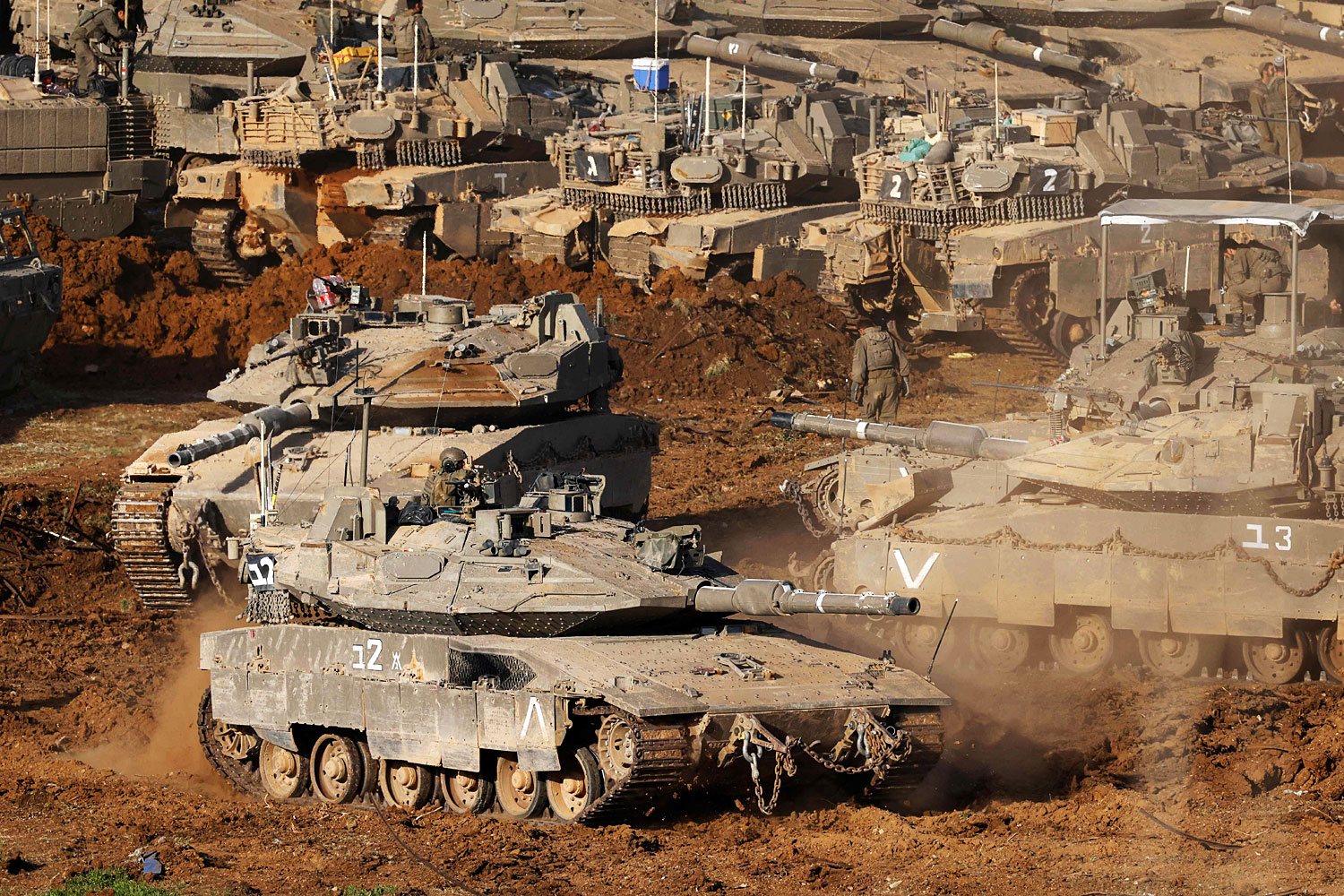
» The ongoing conflict involving Iran, the United States and Israel is causing widespread concern beyond the Middle East. Thailand, like many other nations, has expressed concern about the risks of terrorism and sabotage that could threaten both citizens and foreign nationals within its borders.
Preparing for AI-enabled bioweapons
Oped, Sania Nishtar, Published on 11/03/2026
» We don't know when the next epidemic or pandemic will hit, or where the next infectious threat will emerge. But we do know that the nature of the threat is constantly evolving. One of the most sobering takeaways from this year's Munich Security Conference was that AI-enabled gene editing has radically lowered the barrier to developing genetically engineered bioweapons. We must prepare to live with even deeper uncertainty about whether emerging infectious threats are natural or man-made, and whether they have been accidentally or deliberately released.

The long road to war with Iran
Oped, Carla Norrlöf, Published on 06/03/2026
» As the conflict with Iran reshapes global security assumptions and energy markets, the debate in the United States has focused largely on why President Donald Trump chose war in the first place. Was it domestic politics, a desire to project strength, a miscalculation, or something else?