




Showing 1 - 10 of 1,434

Rethink handouts
Oped, Postbag, Published on 10/04/2026
» Re: "Co-pay scheme misses mark", (Editorial, April 5).
Countering the fallacy of the buffer zone
Oped, Daoud Kuttab, Published on 10/04/2026
» Territorial buffers rarely, if ever, deliver the peace and security their advocates promise. After the collapse of the USSR, Ukraine was seen as a neutral cordon between Russia and Nato. Instead, it became a zone of increasingly fierce geopolitical contention, followed by open war.
Projecting hope for a world in turmoil
Oped, Vitit Muntarbhorn, Published on 10/04/2026
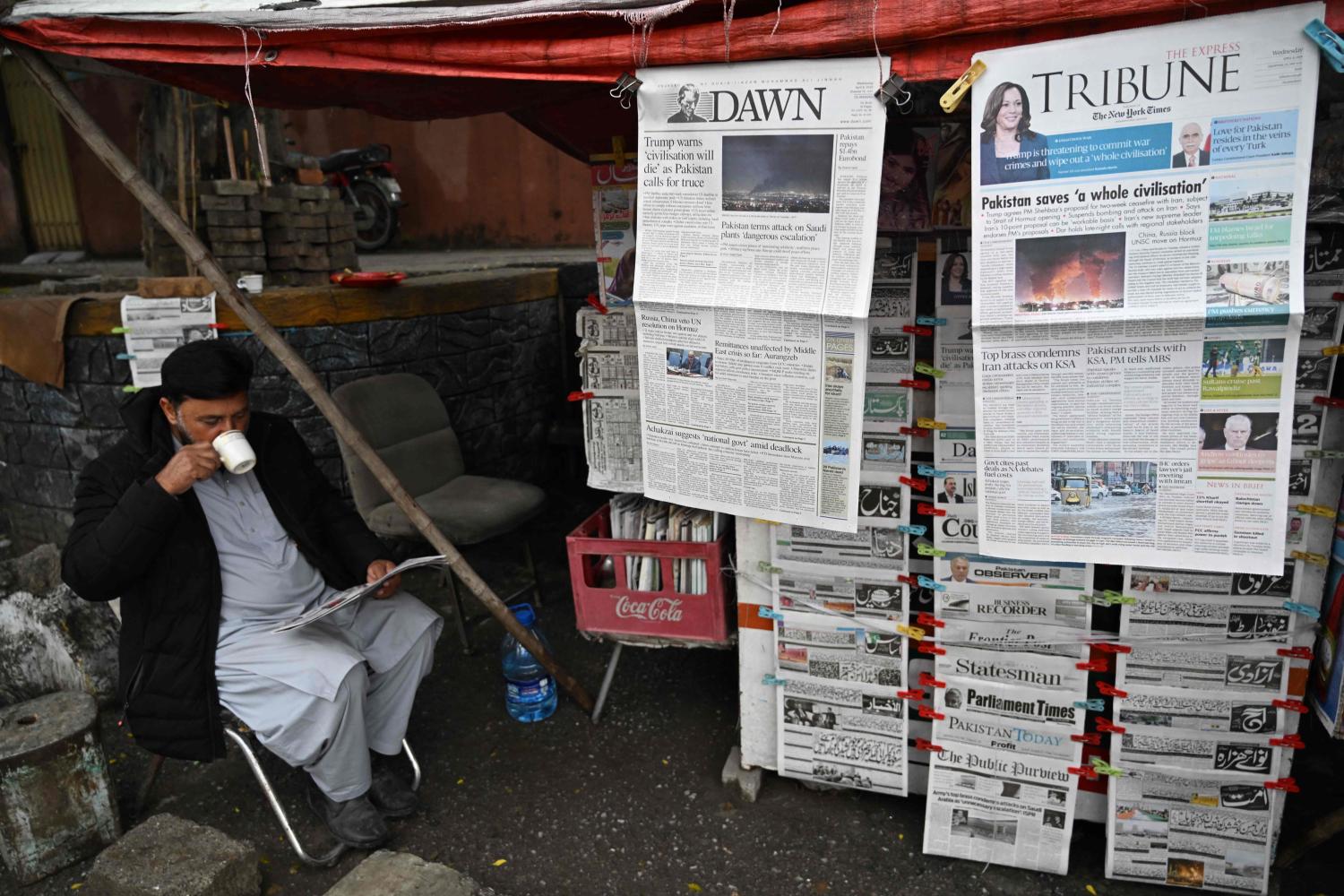
» Today, the world is witnessing the most explosive situation since World War II, all too visible in conflicts such as the Iran war.
Let's save Chiang Rai's wetlands
Oped, Rungsrit Kanjanavanit, Published on 10/04/2026
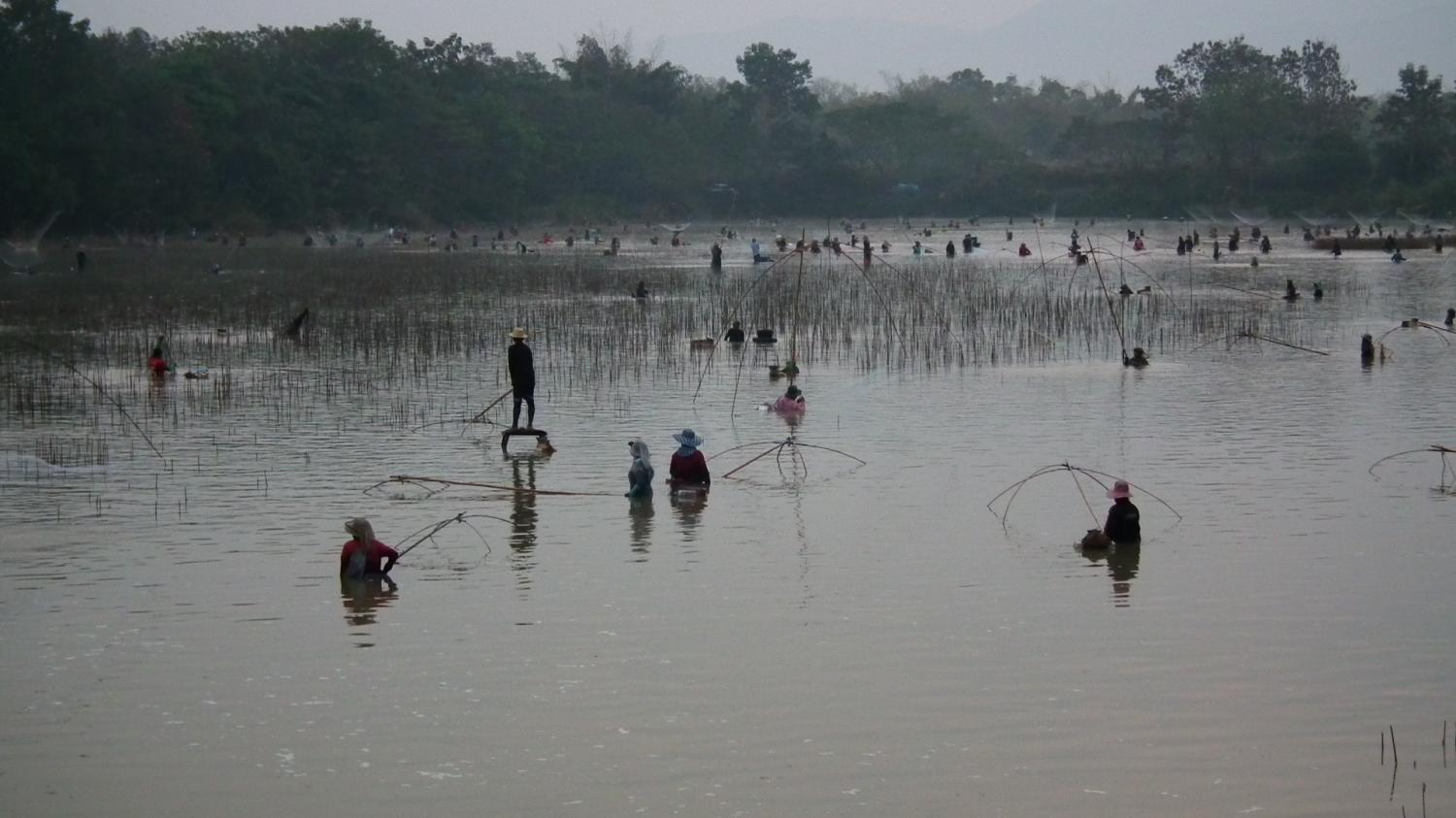
» Wetlands are essential for Thailand's ecological health. Yet our wetlands face threats nationwide. In Chiang Rai province, the Royal Irrigation Department has dispatched bulldozers to convert the Wiang Nong Lom Wetland from a living landscape into a water reservoir, erasing its vitality as a natural system.
Asean banks face climate pressure
Oped, Rachel Ho, Published on 08/04/2026
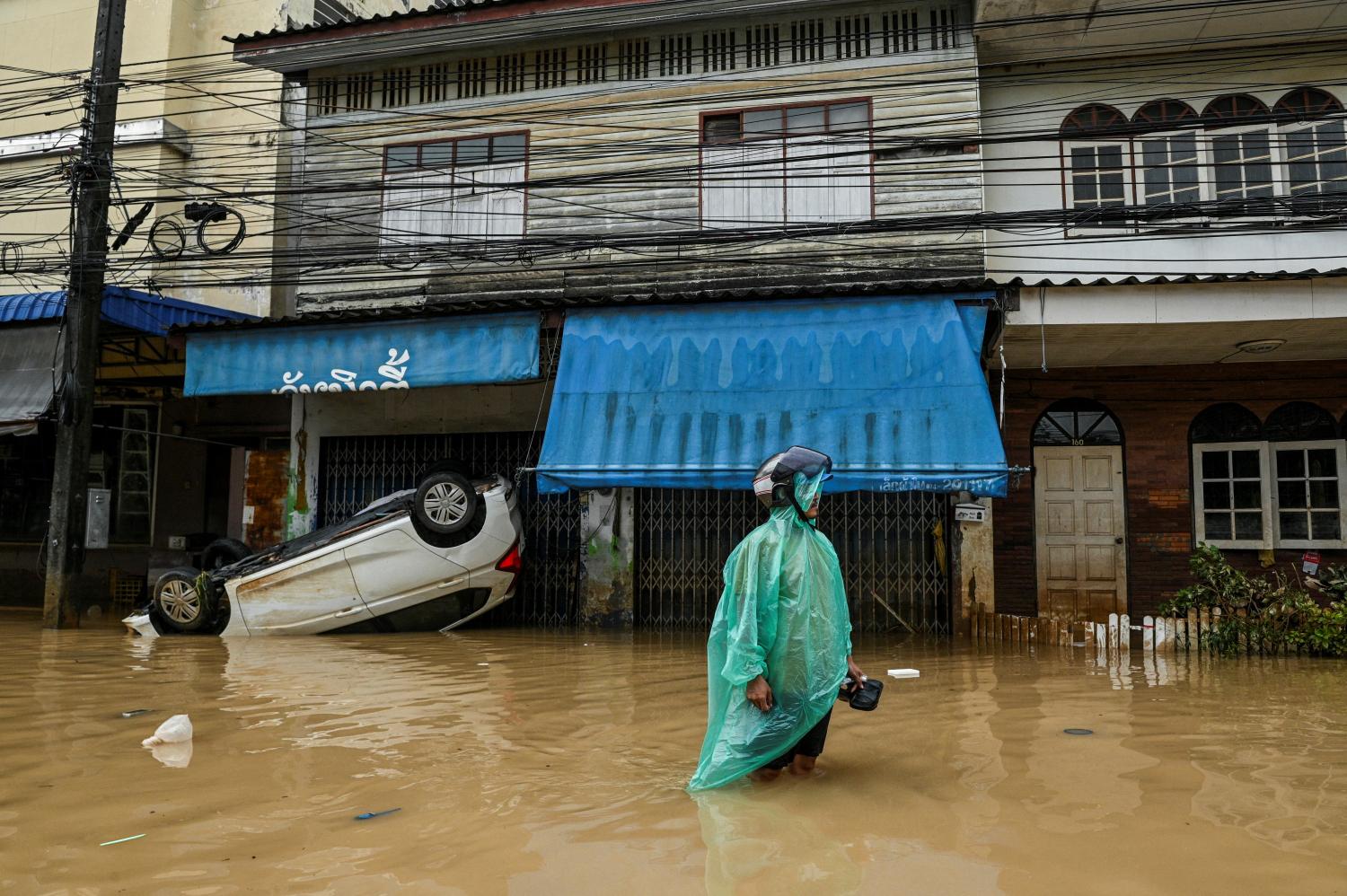
» The global oil and gas crisis is worsening. Amid the Middle East war, the central banks of countries in Southeast Asia must address a perfect storm of rising fuel prices, cost-of-living pressures, and worsening impacts of climate disasters.
Fanatics, an obsessive, and a belligerent fool
Oped, Gwynne Dyer, Published on 07/04/2026
» We don't have to look very far to find a useful historical analogy for the current crisis in the Middle East. In 1967, Egypt closed the Strait of Tiran to Israeli ships, and Israel replied with a surprise air attack that destroyed almost the entire Egyptian air force on the ground.
Iran's water weapon against Gulf
Oped, Michael Christopher Low, Published on 07/04/2026
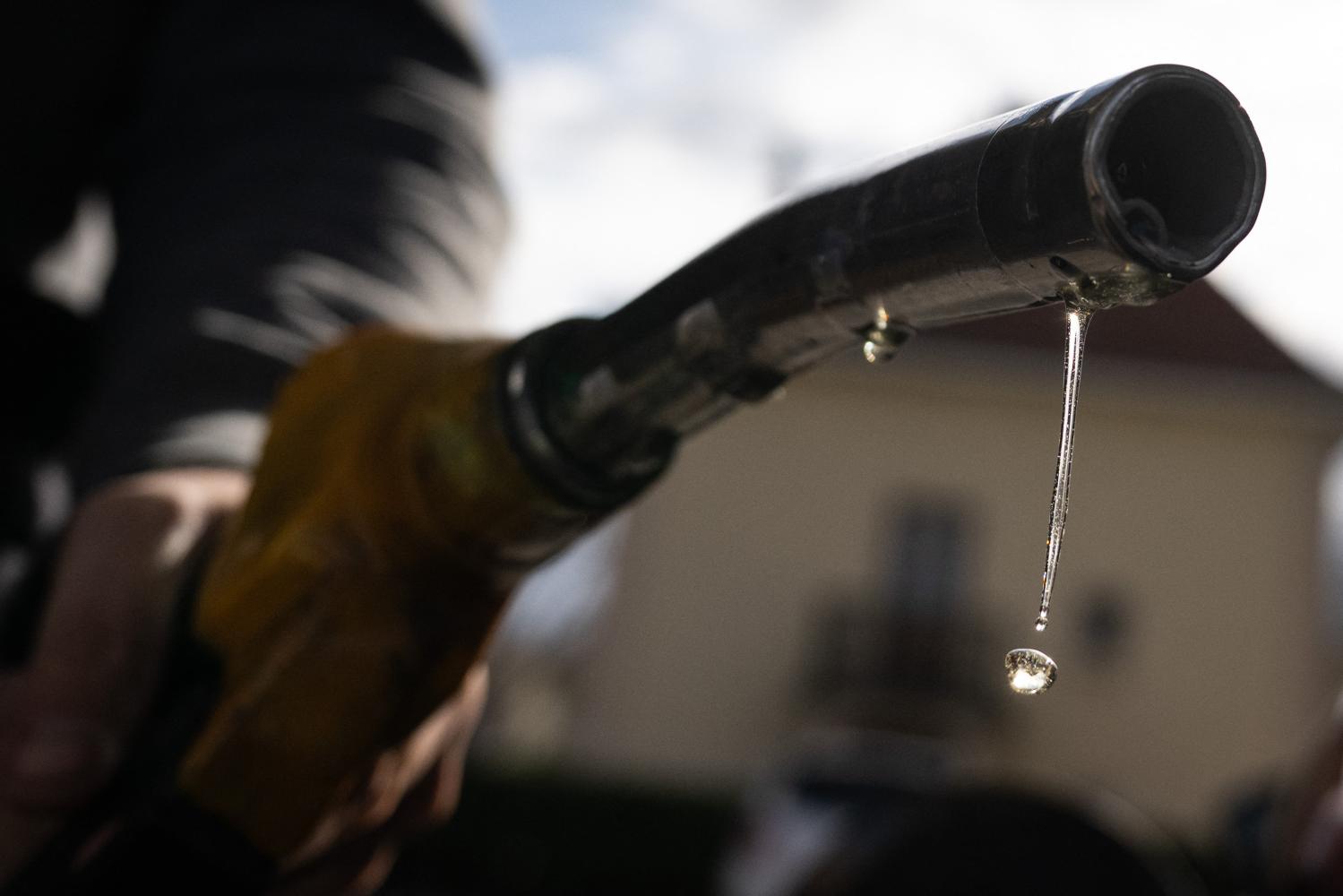
» The oil-rich monarchies of the Persian Gulf are often described as petrostates. But the US-Israeli war with Iran has highlighted that they are also saltwater kingdoms, societies whose survival depends on desalination, or converting seawater into potable water at industrial scale.
Can alliances with the US be replaced?
Oped, Kavi Chongkittavorn, Published on 07/04/2026
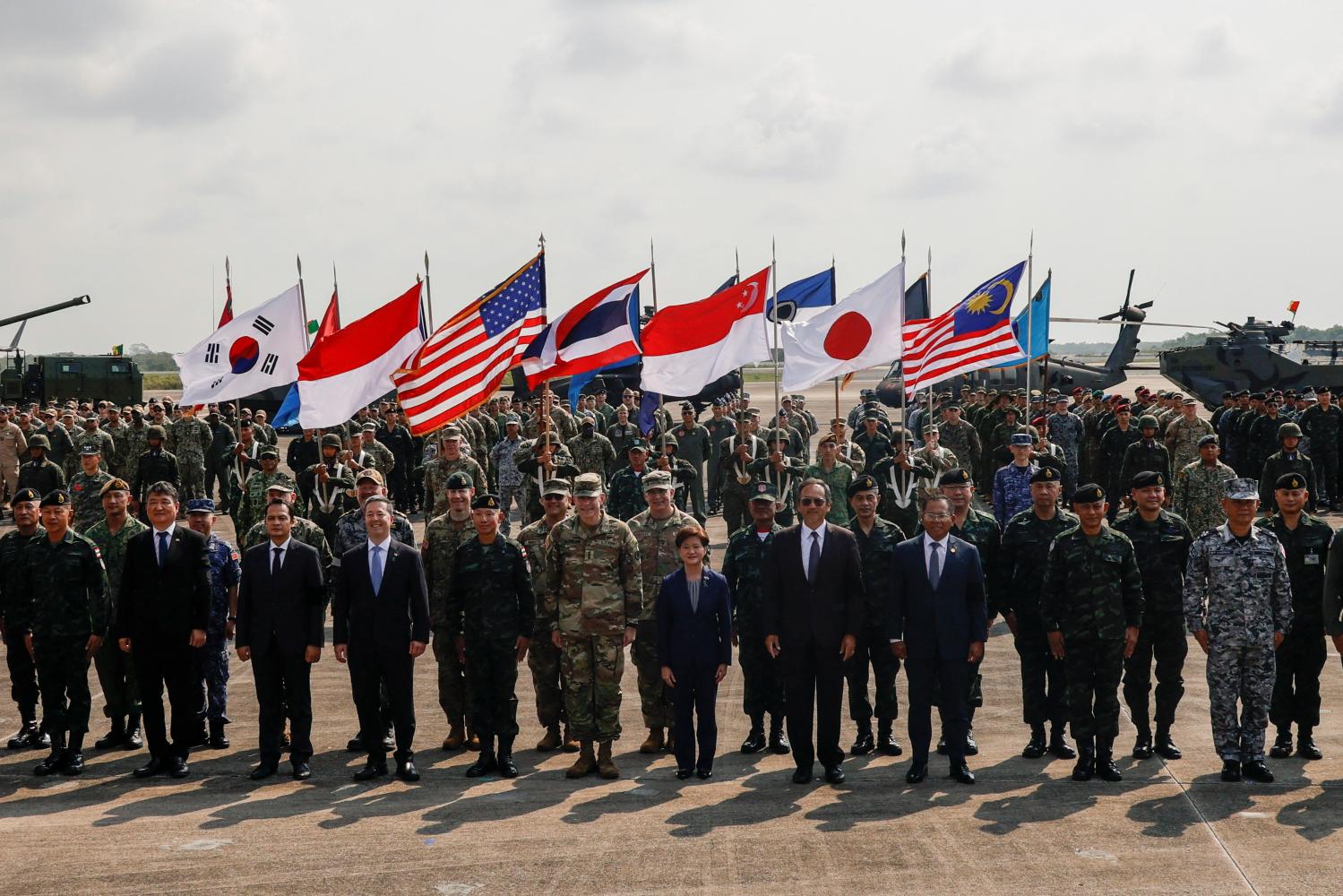
» The increasingly loud debate over the future of alliances -- after reports that the US could scale back or even withdraw from Nato -- is nerve-racking. It has caused alarm across Europe and in Southeast Asia, another node of the US alliance network. Even without any official decision, remarks by US President Donald Trump on social media were enough to shake already fragile US alliances. The question now frequently asked by Thai policymakers is: What comes next if alliances weaken?
Will Kharg Island decide the future of US alliances?
Oped, Carla Norrlöf, Published on 03/04/2026
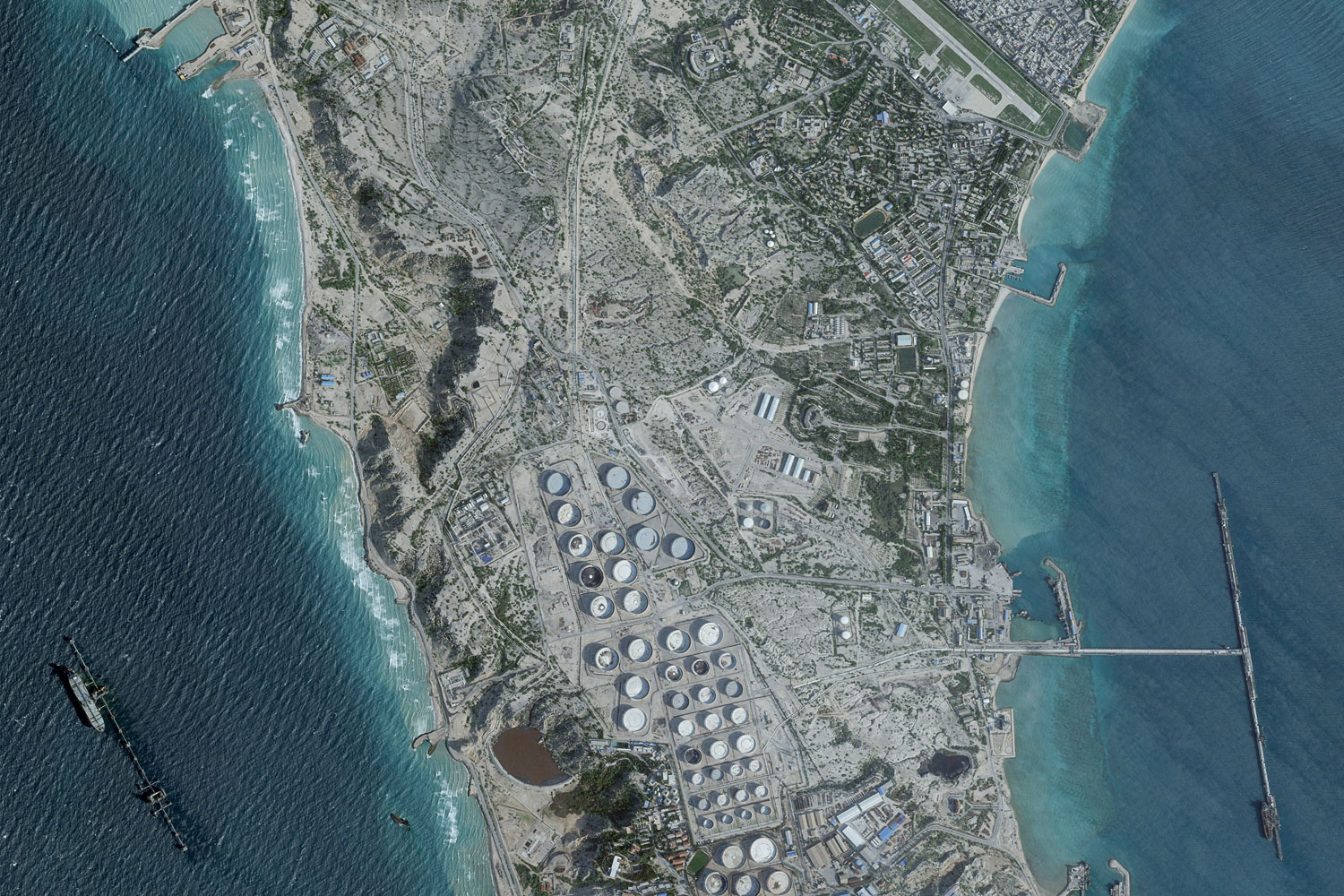
» The key question about Iran's energy-export terminal on Kharg Island is not whether the United States can seize or disable it. Of course it can.
Russia is winning the Iran War
Oped, Chris Patten, Published on 02/04/2026
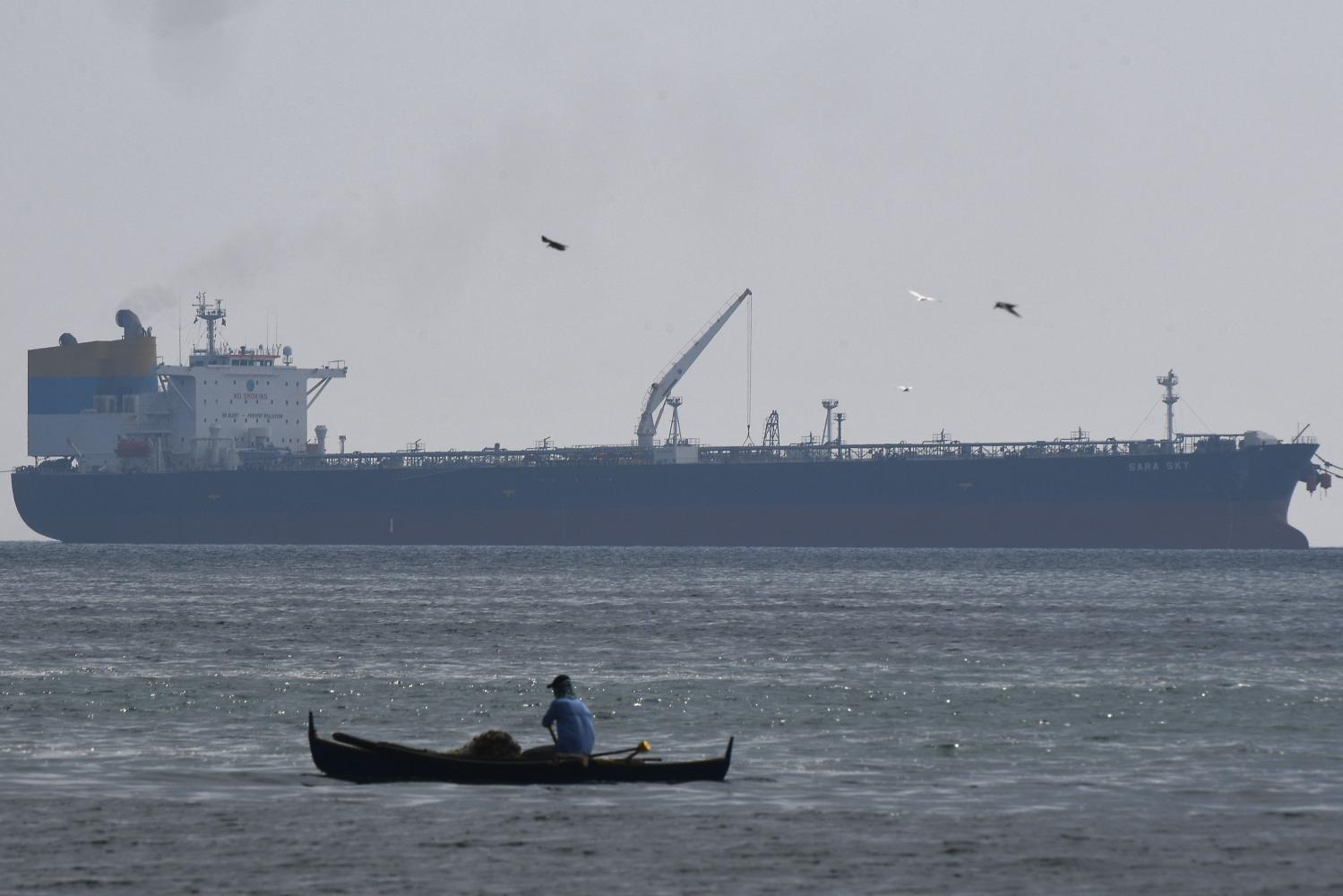
» While the rationale for US President Donald Trump's Iran war is difficult to decipher, its main beneficiary is far easier to identify: Russian President Vladimir Putin.