



Showing 1 - 10 of 49
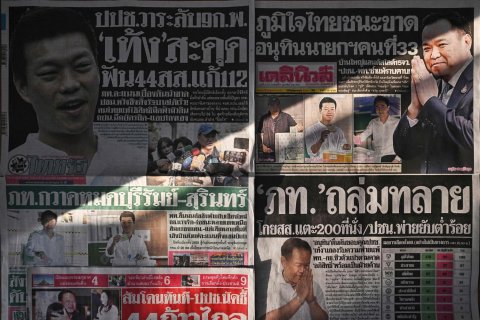
Implications of conservative triumph
Oped, Thitinan Pongsudhirak, Published on 13/02/2026
» The incumbent and conservative Bhumjaithai (BJT) Party has surprisingly swept Thailand's Feb 8 election with a commanding win. With the previously poll-leading and progressive People's Party (PP) coming in a distant second, Thailand appears headed for a conservative coalition government revolving around BJT and like-minded junior partners. Known for its conservative stance and being pro-status quo, it would not be surprising if the BJT-led coalition government, led by Prime Minister-elect Anutin Charnvirakul, were not challenged by the Constitutional Court, the Election Commission, and other supervisory agencies, which have derailed and dissolved reform-minded winning parties in the past.
Are the Iranians pretending to have nukes?
Oped, Gwynne Dyer, Published on 04/02/2026
» The Iranian regime is brutal, fanatical and corrupt. It has just committed the mass murder of its own citizens in the city streets and in their own homes. But the story we are told about Iran's pursuit of nuclear weapons is very misleading.

Three shocks that shook us in 2025
Oped, Yanis Varoufakis, Published on 24/12/2025
» This was the year that the remaining pillars of the late-20th-century order were shattered, exposing the hollow core of what passed for a global system. Three blows sufficed.
'Scam-gate' deserves full accounting
Oped, Thitinan Pongsudhirak, Published on 24/10/2025
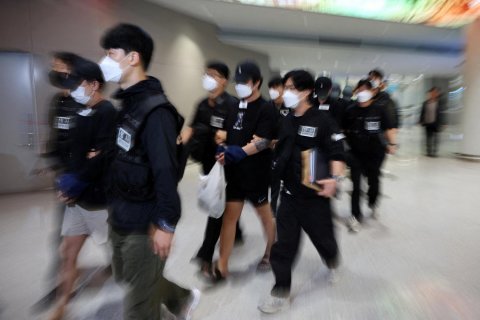
» The explosive revelations and allegations of regional cybercrimes and scam networks have hit Thailand head-on and placed the government of Prime Minister Anutin Charnvirakul in an awkward and defensive position. As more facts surrounding what looks like a labyrinthine cross-border multibillion-dollar transnational criminal ring come to light, more questions have surfaced with no clear answers. The Anutin government needs to come clean and avoid a "scam-gate" of cover-ups and lies at the expense of countless scammed victims across many countries.
Limits of Xi, Putin's 'no-limits' alliance
Oped, Ruby Osman & Dan Sleat, Published on 05/09/2025
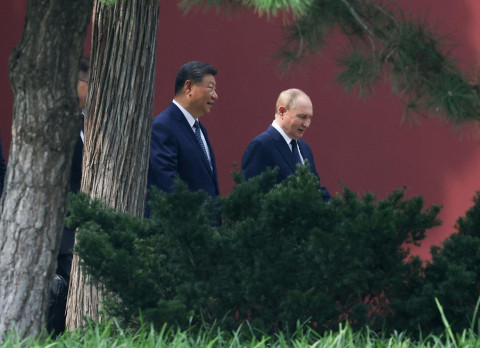
» Much has changed since Chinese President Xi Jinping and Russian President Vladimir Putin last stood together atop Tiananmen Square in 2015. When they did so again this week, it was supposedly as equal partners. But, of course, the reality is far more complex.

Blended finance for climate action
Oped, Imran Arif, Published on 13/08/2025
» It takes policy support, commitment and also money to tackle climate change. For the latter, Thailand needs around 5-7 trillion baht in climate finance to achieve its carbon neutrality and net-zero emissions by 2050 and 2065, respectively. However, that's a target the country is still a long way away from.
Why investing in people matters
Oped, Auliya Febriyanti, Rhea Oktaqiara & Zulfikar Yurnaidi, Published on 04/07/2025
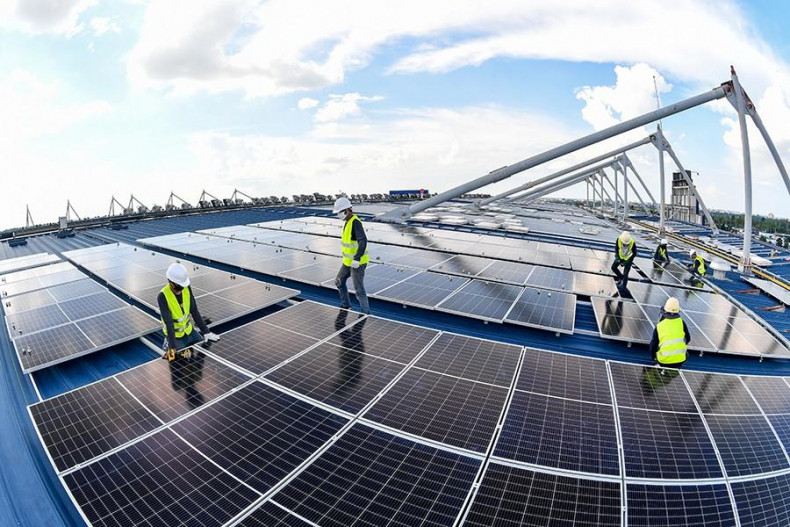
» Asean is striving to enhance its competitiveness on the global stage and readiness for a transition under its Carbon Neutrality Strategy. However, Asean will not be well-positioned to become an important part of the global net-zero economy without a robust human capital development to produce skilled, educated, and healthy individuals to drive the energy transition. Human capital has been a central ingredient in economic development, as evidenced by the bloc's Human Capital Index -- which ranges from 0.5 to 0.8 -- which demonstrates a positive correlation with Gross Domestic Products (GDP) per capita.

Australia should hope for Aukus to collapse
Oped, Gareth Evans, Published on 19/06/2025
» The Aukus partnership, the 2021 deal whereby the United States and the United Kingdom agreed to provide Australia with at least eight nuclear-propelled submarines over the next three decades, has come under review by the US Defence Department.
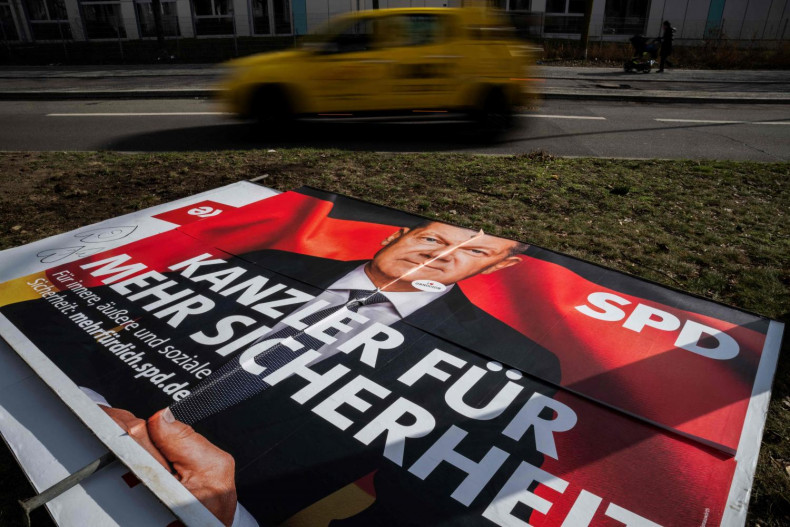
Centre-left parties must regain relevance in Germany
Oped, Bartosz M Rydlinski, Published on 01/03/2025
» Germany's Social Democrats are one of the West's oldest political parties, with a legacy of advocating parliamentary democracy, opposing Nazism, and leading the modernisation of postwar Germany. In addition to many notable labour, economic, and human-rights reforms the party has implemented over the years, ex-SPD leader and West German chancellor Willy Brandt's Ostpolitik in the 1970s laid the groundwork for Germany's reunification in 1990.

Foreign policy needs to be democratic
Oped, Thitinan Pongsudhirak, Published on 11/10/2024
» To the extent that foreign policy starts at home, Prime Minister Paetongtarn Shinawatra's latest diplomatic forays should be supported because Thailand has become a regional laggard with its international standing at an all-time low. Elected civilian leaders by the people, as opposed to unelected appointees from military-conservative elites, are the way ahead to regain Thailand's international profile and forward movements. Ms Paetongtarn is evidently not the first-best elected outcome, but she is all Thailand has to work with for now.