



Showing 1 - 10 of 17
Insurers must embrace AI tools
Oped, Pierre du Rostu, Published on 09/04/2025
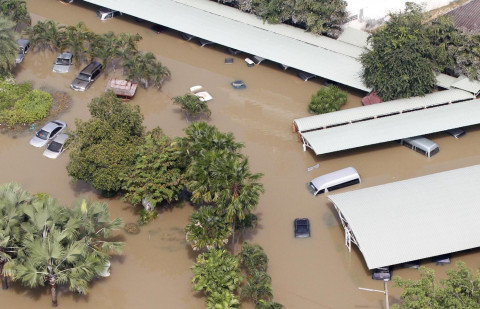
» Over the past year and a half, insurers have been pulling out of high-risk areas at an alarming rate. Nowhere has this been more obvious than in California, where wildfires have become more frequent and intense -- the Los Angeles conflagration in January being only the latest in a series of devastating blazes. And it's not just wildfires: the Golden State is also prone to large, damaging floods.
Can new bonds mitigate disaster losses?
Oped, Rapeepat Ingkasit, Published on 05/02/2025
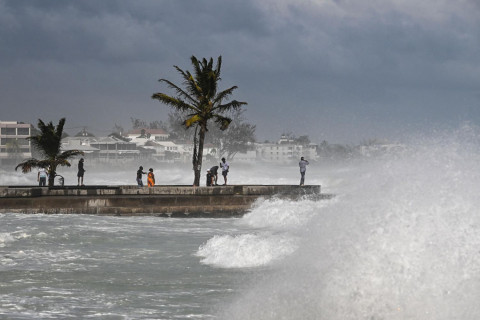
» Last year turned out to be one of the most expensive on record in terms of insurance payments resulting from natural disasters.

Feedback on climate – not in front of the kids
Oped, Gwynne Dyer, Published on 16/01/2025
» 'This does not mean the international +1.5ºC target has been broken because that refers to a long-term average over decades." If those carefully chosen words don't set your alarm bells ringing, you have not travelled much in the land of lawyers.
Strengthening vulnerable coastlines
Oped, Karen Sack, Published on 05/11/2024
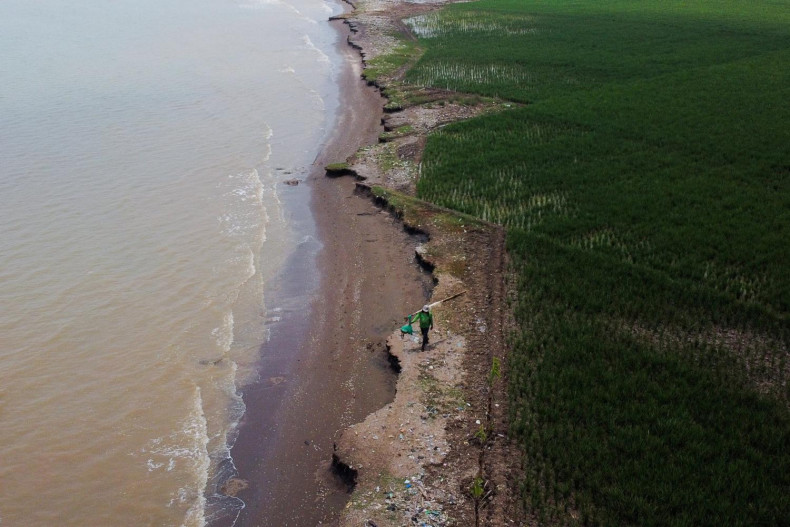
» Roughly 40% of the world's population inhabits coastal areas. In addition to being home to 12 of the world's 15 largest cities, these regions serve as an essential lifeline for countless small villages and towns. With around 80% of international trade passing through seaports, coastal regions also play an outsize economic role, accounting for 60-70% of global GDP.
More affordable climate finance
Oped, Rebecca Ray & Ulrich Volz, Published on 14/03/2024
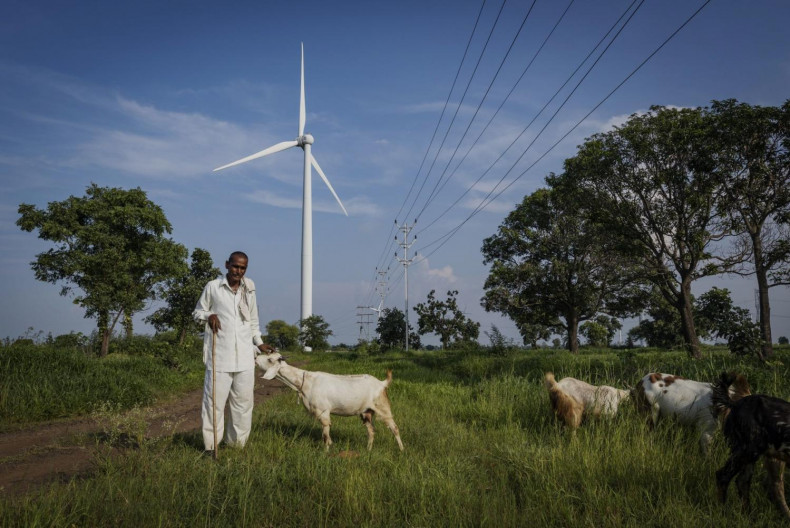
» Emerging-market and developing economies (EMDEs) will need an estimated US$2.4 trillion (86 trillion baht) in climate investment annually to meet climate goals, according to the Independent High-Level Expert Group on Climate Finance, with $1 trillion coming from external sources. Achieving the United Nations Sustainable Development Goals (SDGs) will require even more financing: an increase of $3.5 trillion in new investments annually by 2030. These are daunting figures. But they are also non-negotiable.
IMF must lead climate financing
Oped, Laurence Tubiana & Kevin P Gallagher, Published on 19/12/2023
» With their agreement at COP28 to "transition away from fossil fuels in energy systems", countries have made genuine progress on tackling climate change. But there is still much to do to mobilise the level of financing needed to turn the commitment into reality. International organisations -- especially the International Monetary Fund -- must step up. Though the IMF was relatively slow off the mark in the race to combat climate change, it has made great strides under Managing Director Kristalina Georgieva. But it must take its climate leadership much further.

Advancing environmental justice
Oped, Justina Nixon-Saintil, Published on 02/09/2023
» Climate change is undoubtedly the defining challenge of our time, but its effects are not equally distributed. In both developed and developing countries, environmental degradation disproportionately affects communities marginalised because of race, ethnicity, religion, and poverty. More often than not, these communities are already confronting systemic inequalities such as water scarcity and greater exposure to pollution and extreme weather events -- all of which are exacerbated by the climate crisis.
We need to act for our future generations
Oped, Joseph E Stiglitz, Published on 22/06/2023
» Conservatives often make a big show of worrying about the debt burden that we are passing onto our children. This moral argument featured prominently in congressional Republicans' refusal to support a routine increase to the US debt ceiling. The GOP supposedly is so committed to reducing spending that it is willing to hold the global economy hostage and risk permanent damage to America's reputation.
Can insurance come to our climate rescue?
Oped, Gwynne Dyer, Published on 09/06/2023
» California's fall from grace has been steep and swift, and now even the insurance companies are pulling out. The two biggest American home insurance companies, State Farm and Allstate, announced last week that they will stop selling insurance policies to Californians. Why? Climate change-related wildfires are making it too risky to insure Californian houses.

Disaster awaits
Oped, Postbag, Published on 20/08/2022
» Re: "Bangkok still tangled up in sky spaghetti", (PostScript, Aug 14).