




Showing 1 - 10 of 1,113
A US-founded alliance worth keeping around
News, John J Metzler, Published on 11/04/2026
» Nato is again in the rhetorical crosshairs as the Trump administration has chided some European members for not allowing American aircraft to transit through America's European bases.
Countering the fallacy of the buffer zone
Oped, Daoud Kuttab, Published on 10/04/2026
» Territorial buffers rarely, if ever, deliver the peace and security their advocates promise. After the collapse of the USSR, Ukraine was seen as a neutral cordon between Russia and Nato. Instead, it became a zone of increasingly fierce geopolitical contention, followed by open war.
Conflicts of interest worsen crisis
News, Veera Prateepchaikul, Published on 06/04/2026
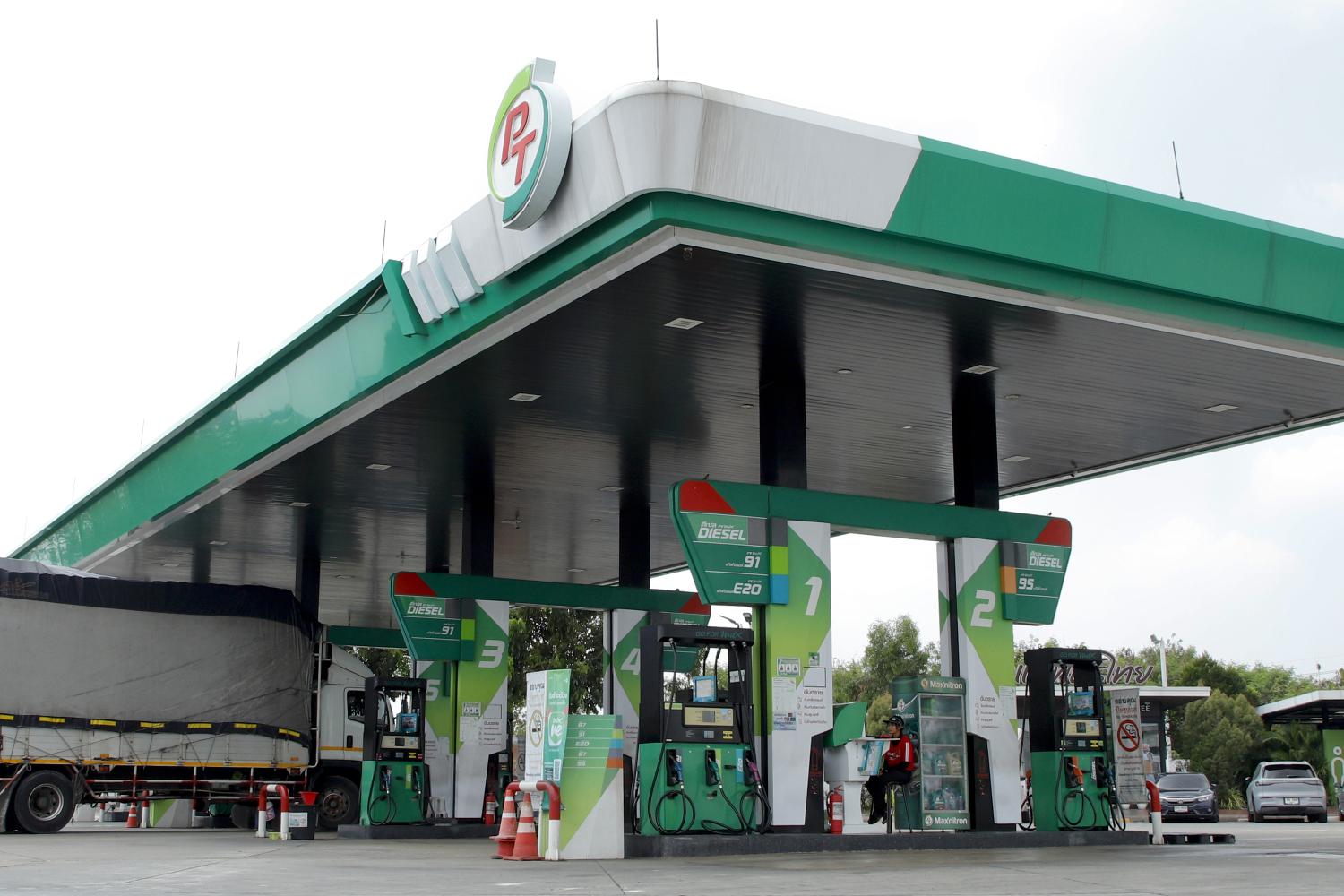
» Transport Minister Phiphat Ratchakitprakarn's resignation as head of the committee handling the oil crisis caused by the war in the Middle East has spared him from public criticism over a potential conflict of interest linked to his family's oil trading business.

No, this is not a New Normal
Vanich Kittichai, Published on 04/04/2026
» “This is the New Normal” is how spokesperson for the Centre for Monitoring the Situation in the Middle East, Nuttaa Mahattana, has characterised Thailand’s current struggle with soaring fuel and commodities prices triggered by the war in the Middle East.

Save Dutch embassy
Postbag, Published on 04/04/2026
» Re: "City's green spaces losing ground", (Opinion, March 30).
Russia is winning the Iran War
Oped, Chris Patten, Published on 02/04/2026
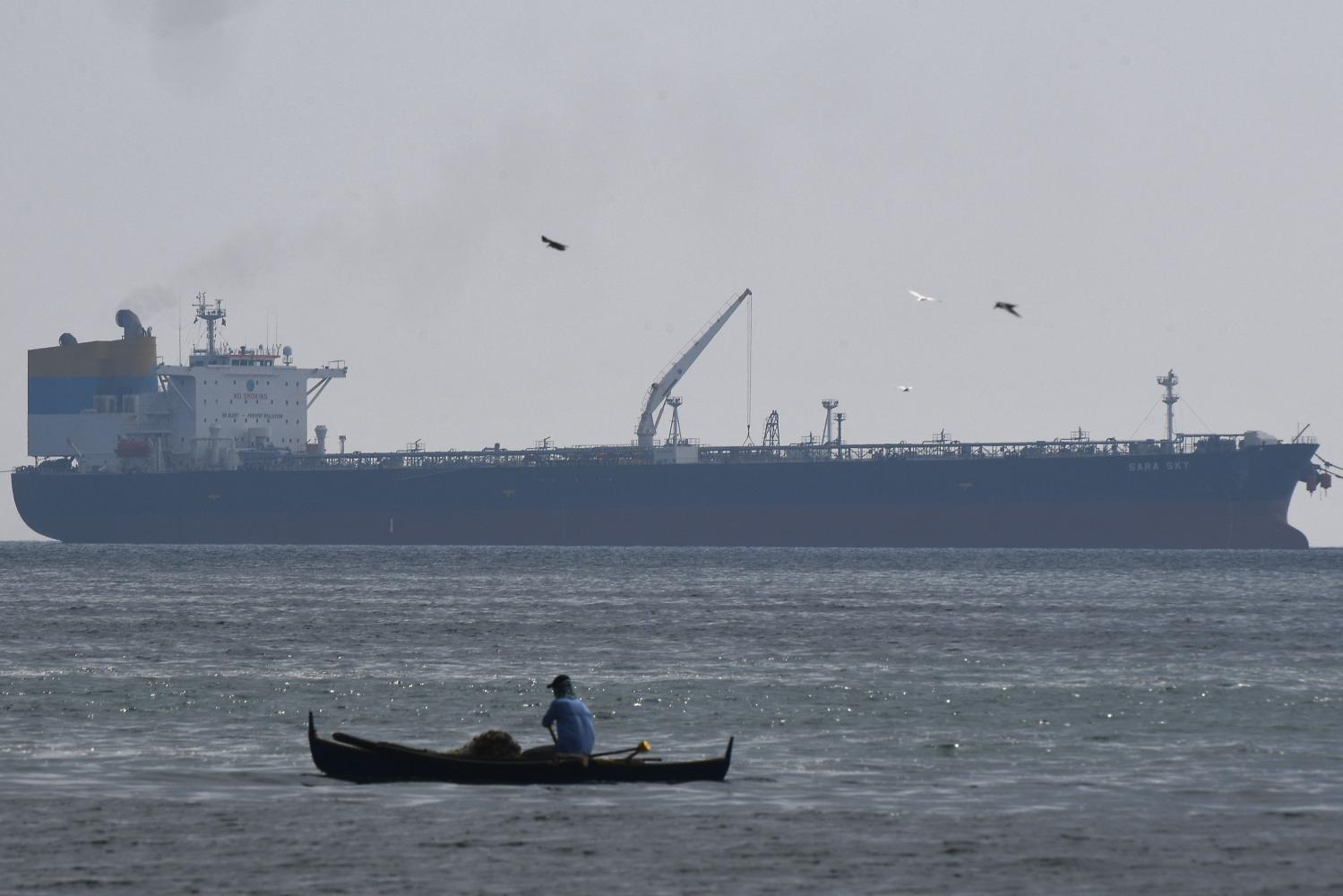
» While the rationale for US President Donald Trump's Iran war is difficult to decipher, its main beneficiary is far easier to identify: Russian President Vladimir Putin.

Fuel reform now
Oped, Postbag, Published on 01/04/2026
» Re: "PM apology a good start," (Editorial, March 30).

Target the young
Postbag, Published on 29/03/2026
» Re: "Population shrinks to 65.8m", (BP, March 26).
American hegemony is waning
News, Carla Norrlöf is Professor of Political Science at the University of Toronto., Published on 21/03/2026
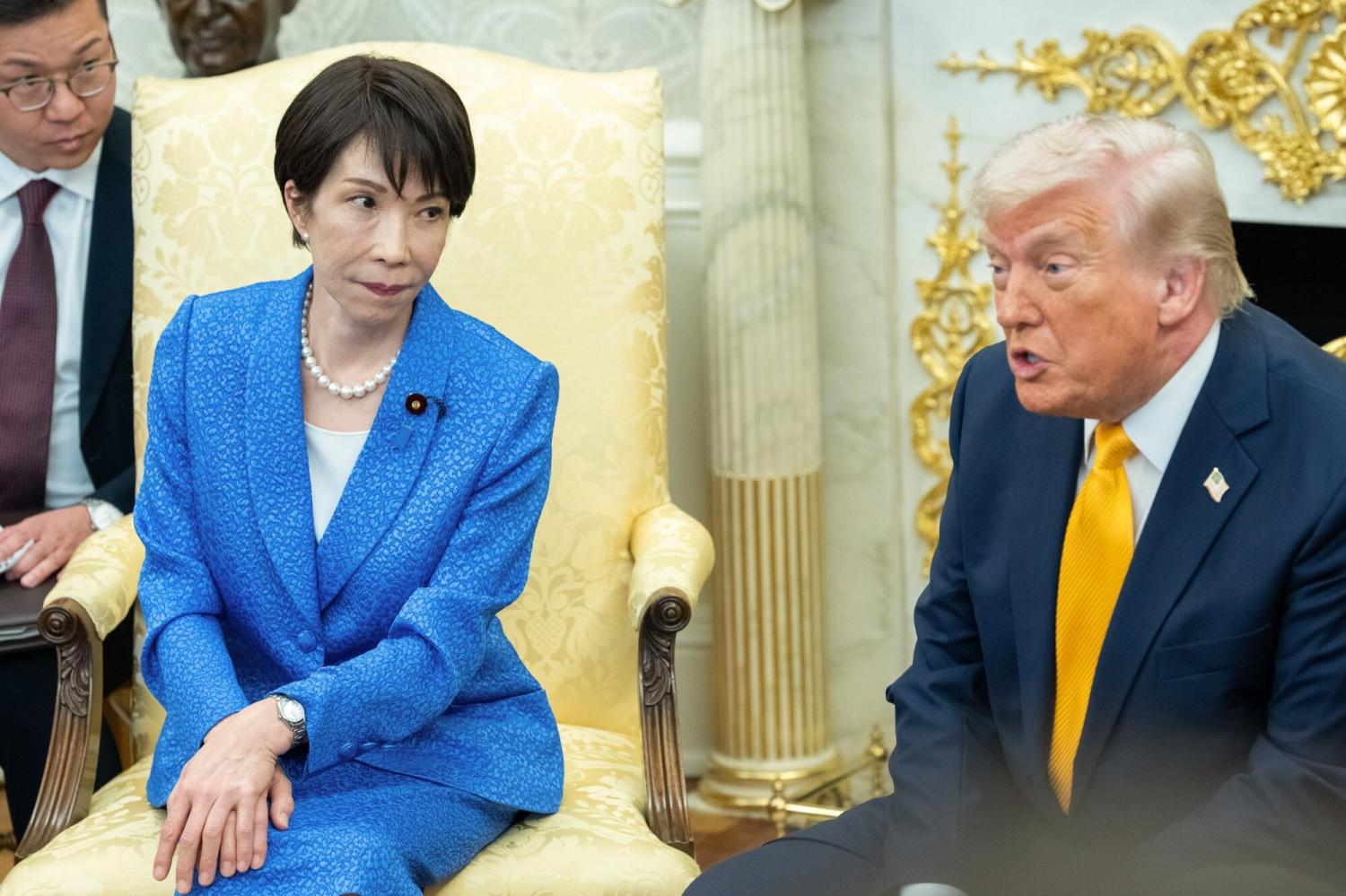
» The messy crisis in the Strait of Hormuz has clarified how power works in the 21st century. It reminds us that the greatest long-term threat to the United States is not China's military buildup or Russian aggression, but the gradual fragmentation of the alliance system that has underwritten its global leadership since World War II.

The fire this time is for US climate science
Oped, Gwynne Dyer, Published on 18/03/2026
» In 1953 Ray Bradbury, an American writer, published a book entitled simply Fahrenheit 451. It was a novel about an American fireman in a not-too-distant future who realised that he was doing his job all wrong -- because his job was to burn books, which were banned in that future America. (451°F is the temperature at which paper catches fire.)