




Showing 1 - 10 of 866
Fanatics, an obsessive, and a belligerent fool
Oped, Gwynne Dyer, Published on 07/04/2026
» We don't have to look very far to find a useful historical analogy for the current crisis in the Middle East. In 1967, Egypt closed the Strait of Tiran to Israeli ships, and Israel replied with a surprise air attack that destroyed almost the entire Egyptian air force on the ground.
Some shock therapy or slow healing?
Oped, Chartchai Parasuk, Published on 02/04/2026
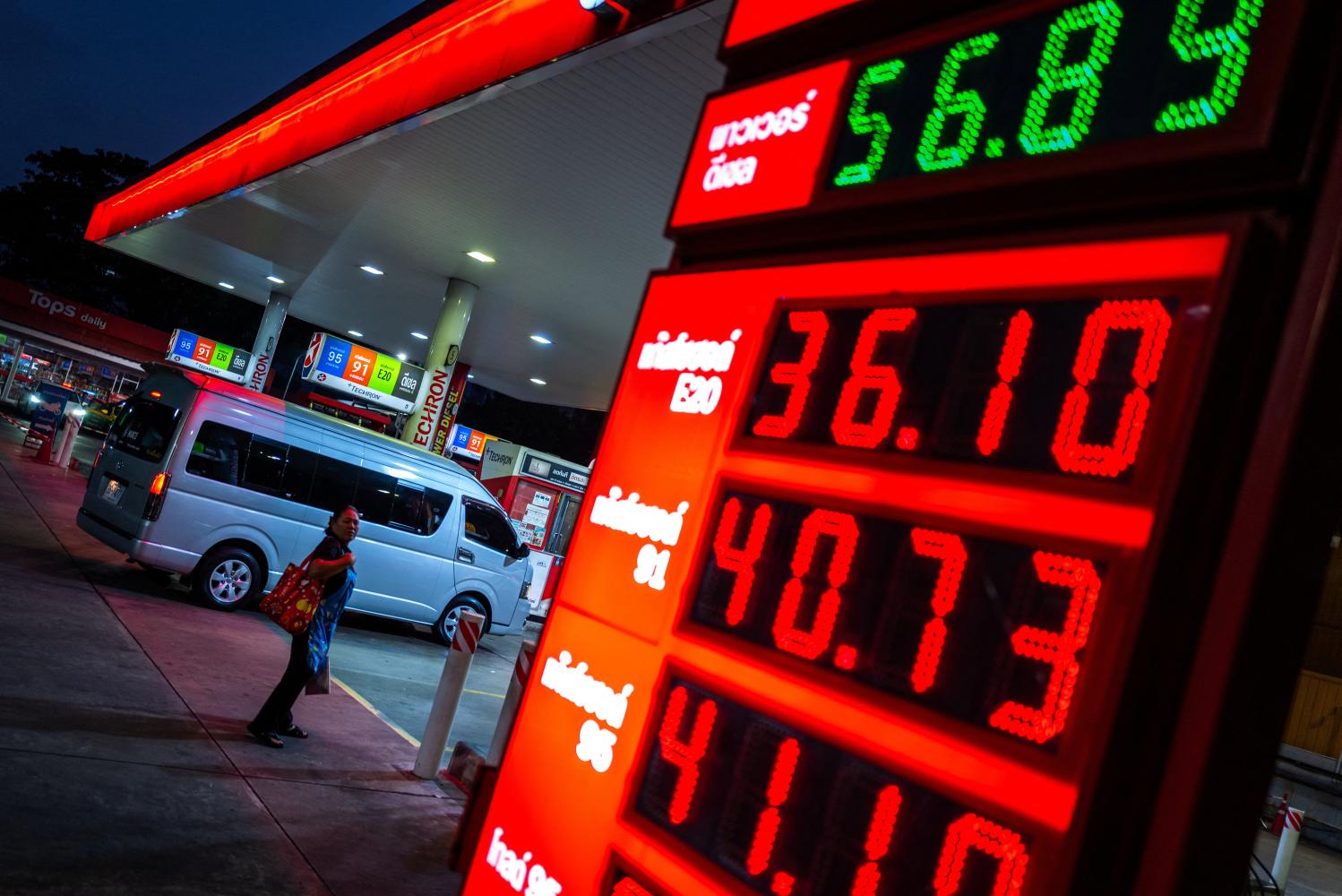
» Do readers prefer shock therapy or slow healing? This is not a health question, but an important economic one.
Russia is winning the Iran War
Oped, Chris Patten, Published on 02/04/2026
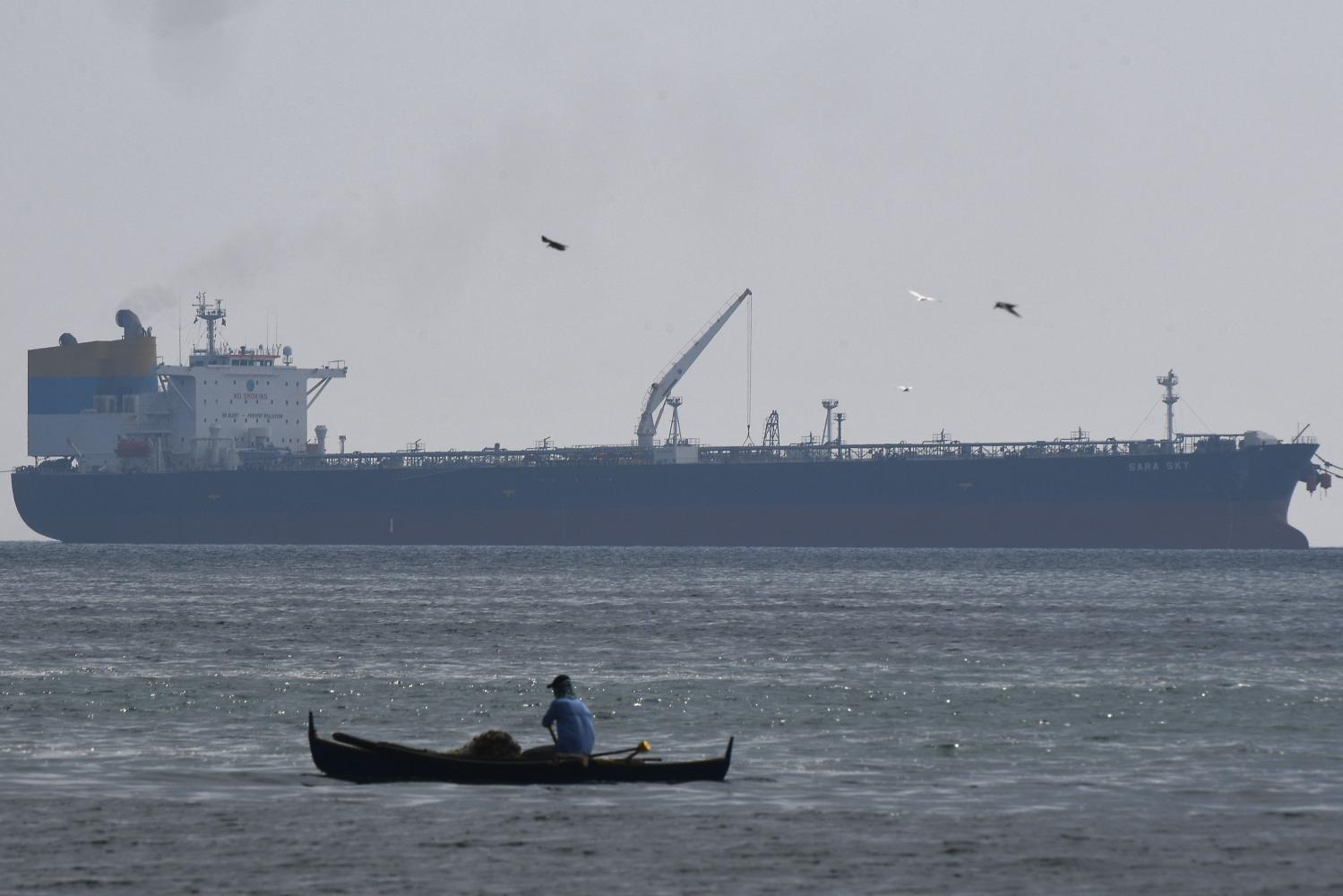
» While the rationale for US President Donald Trump's Iran war is difficult to decipher, its main beneficiary is far easier to identify: Russian President Vladimir Putin.

Why safe havens unexpectedly drop
News, Helen Jewell, Published on 28/03/2026
» Geopolitical shocks often don't move markets the way intuition suggests, as investors raise cash first and ask questions later.

Education rethink
Oped, Postbag, Published on 27/03/2026
» Re: "Social Security Fund reform 'urgent' as society ages", (BP, March 25).
American hegemony is waning
News, Carla Norrlöf is Professor of Political Science at the University of Toronto., Published on 21/03/2026
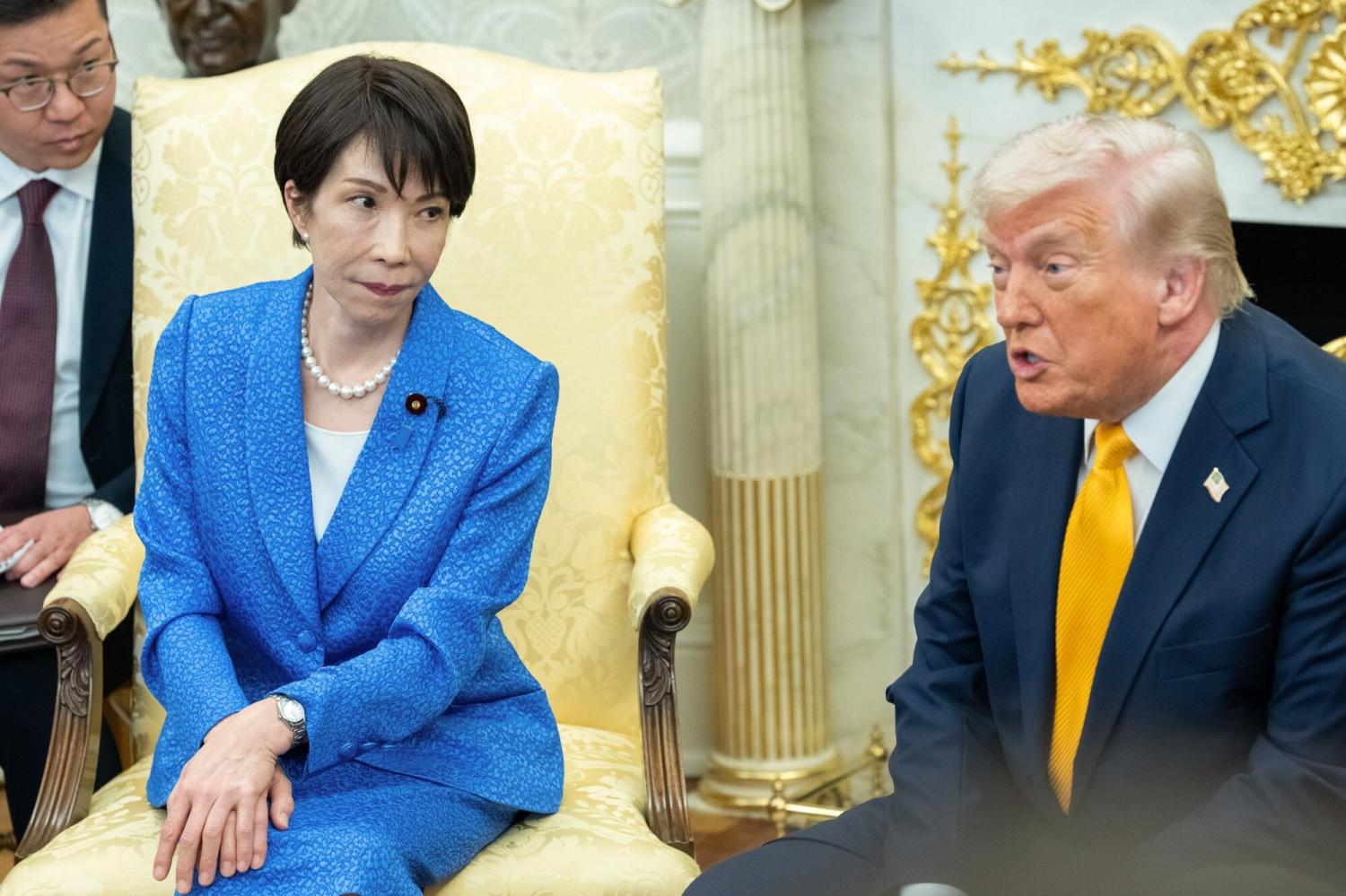
» The messy crisis in the Strait of Hormuz has clarified how power works in the 21st century. It reminds us that the greatest long-term threat to the United States is not China's military buildup or Russian aggression, but the gradual fragmentation of the alliance system that has underwritten its global leadership since World War II.
Impacts of Iran war on Southeast Asia
Oped, Thitinan Pongsudhirak, Published on 20/03/2026
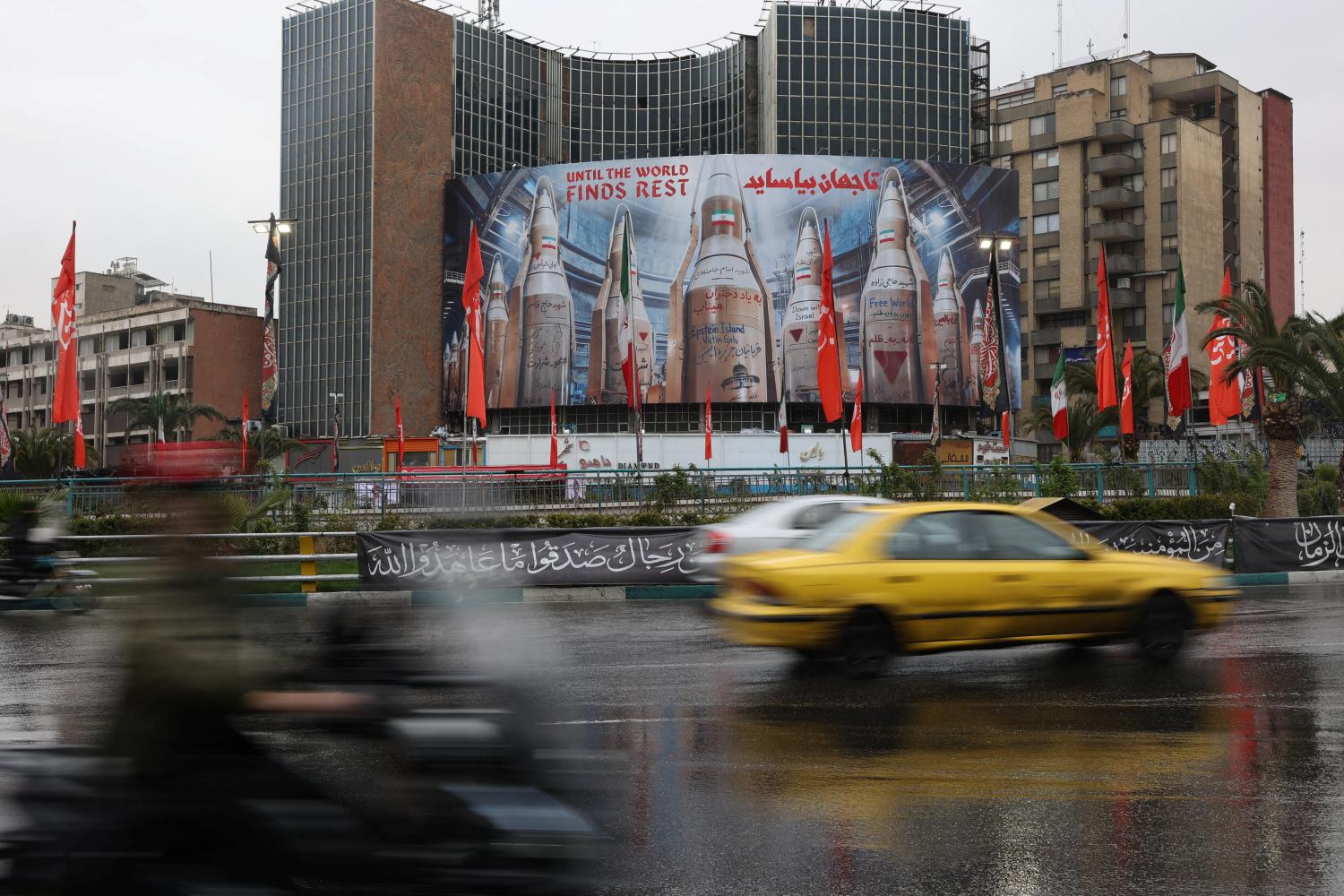
» For the most part, Southeast Asia as a region has taken a neutral stance toward the joint attack between the United States and Israel against the Islamic Republic of Iran. Even the Philippines and Thailand, two formal US treaty allies, have distanced themselves, calling for restraint and de-escalation.
It's never been more important to strengthen ties
Oped, Genevieve Donnellon-May, Published on 09/03/2026
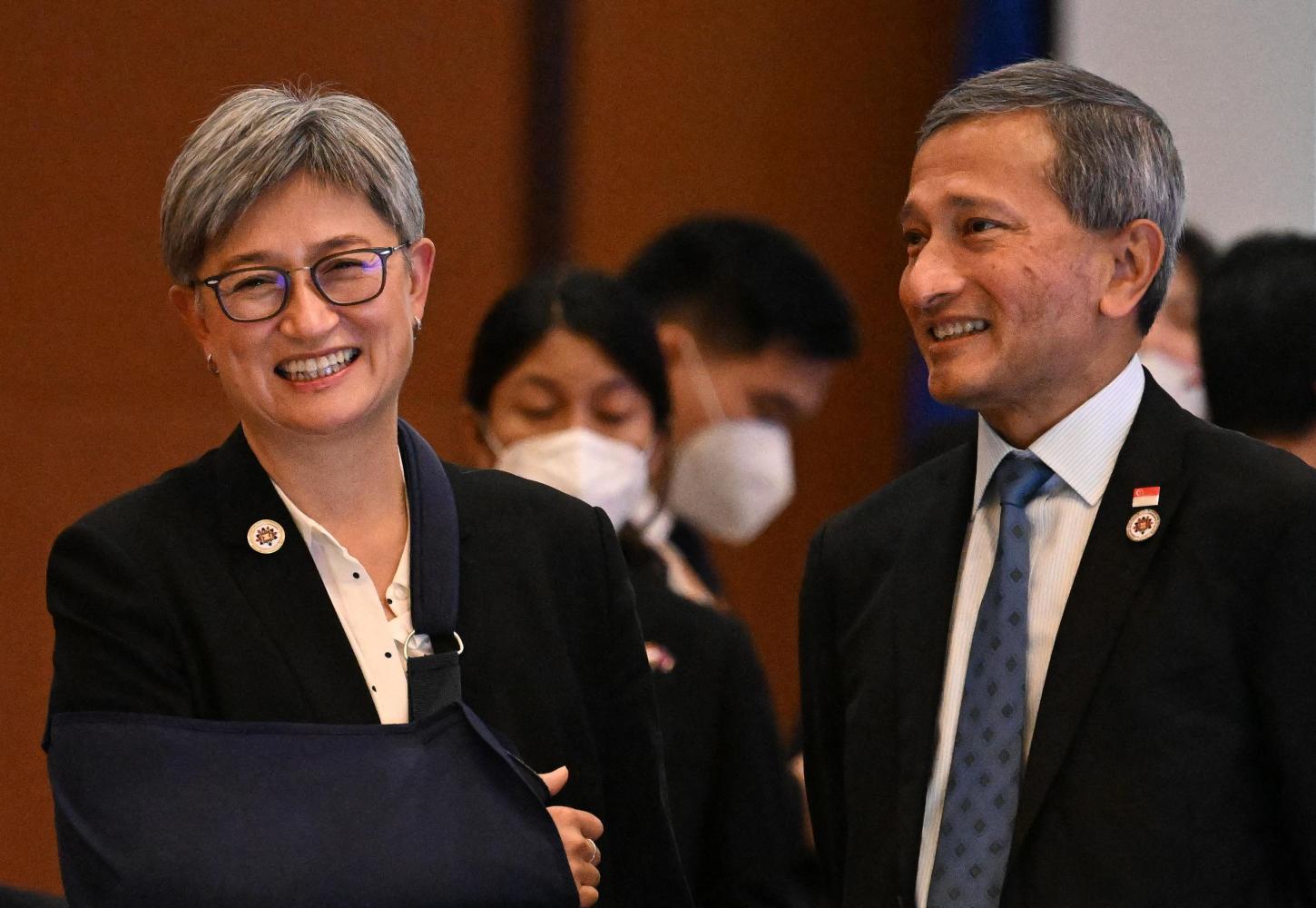
» Australia and the Association of Southeast Asian Nations (Asean) face a defining moment. Intensifying great-power competition, climate crises and economic fragmentation are reshaping the Indo-Pacific, raising urgent questions about how the two sides can build a truly resilient partnership.
Minilateralism's necessary rise
Oped, Prabhat Upadhyaya & Saliem Fakir, Published on 23/02/2026
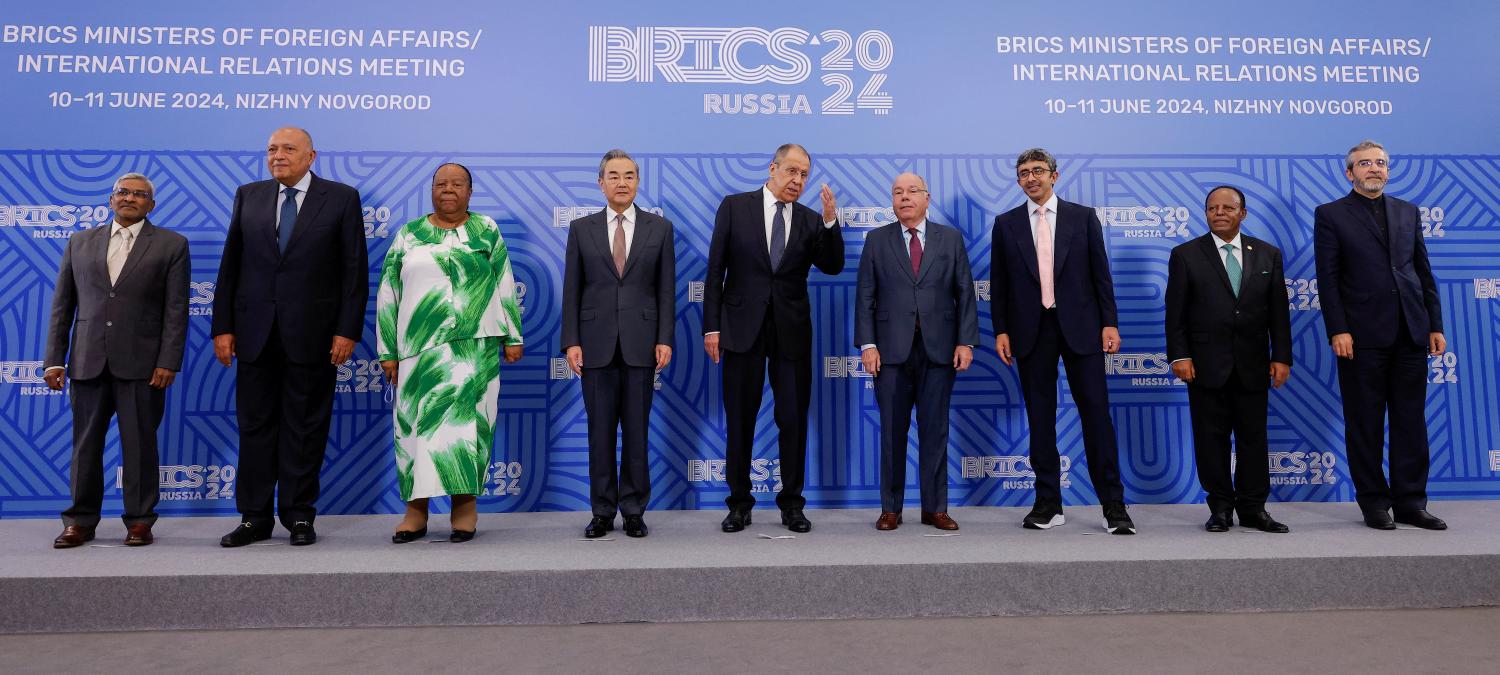
» If there was any doubt remaining about the return of great-power politics, it has been dispelled by US President Donald Trump's attack on Venezuela, threats to annex Greenland, and refusal to extend the New Start treaty limiting the nuclear arsenals of the United States and Russia. Such geopolitical upheavals are driven by "the will to power", as Adam Tooze has pointed out -- including "power over resources, purchasing power, the ability to resist the influence of others."
Could a Brics currency rival the dollar?
Oped, Jim O'Neill, Published on 18/02/2026
» Could the Brics (Brazil, Russia, India, China, South Africa) ever launch a shared currency to challenge the US dollar's dominant position in the world economy? Like many conventional international economists, I have generally dismissed the idea, despite my own role in coining the Brics acronym, which led to the creation of a formal Brics club (since expanded into the Brics+, with the addition of five new members).