




Showing 1 - 10 of 3,042
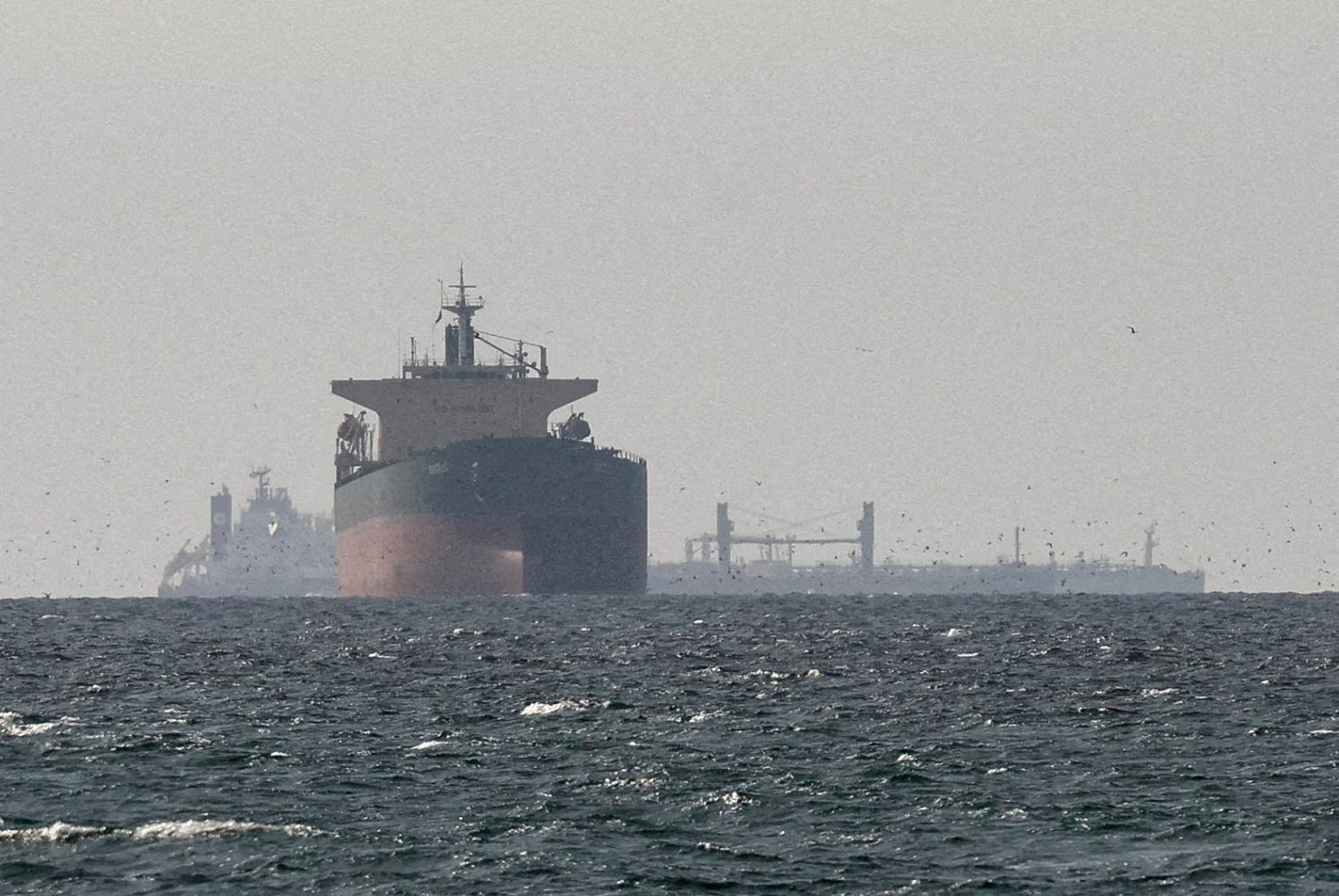
Is the Iran war America's Suez or its Gallipoli?
Oped, Yanis Varoufakis, Published on 21/04/2026
» When Egypt closed the Suez Canal for five months in 1956, it triggered events that shrunk the global standing of Britain's pound sterling, inaugurated the petrodollar age, and demonstrated how a small country can inflict serious damage upon the economic power that had subjugated it decades earlier.

AI hits academia
Oped, Postbag, Published on 21/04/2026
» Re: "Universities face age shift", (Editorial, April 18).
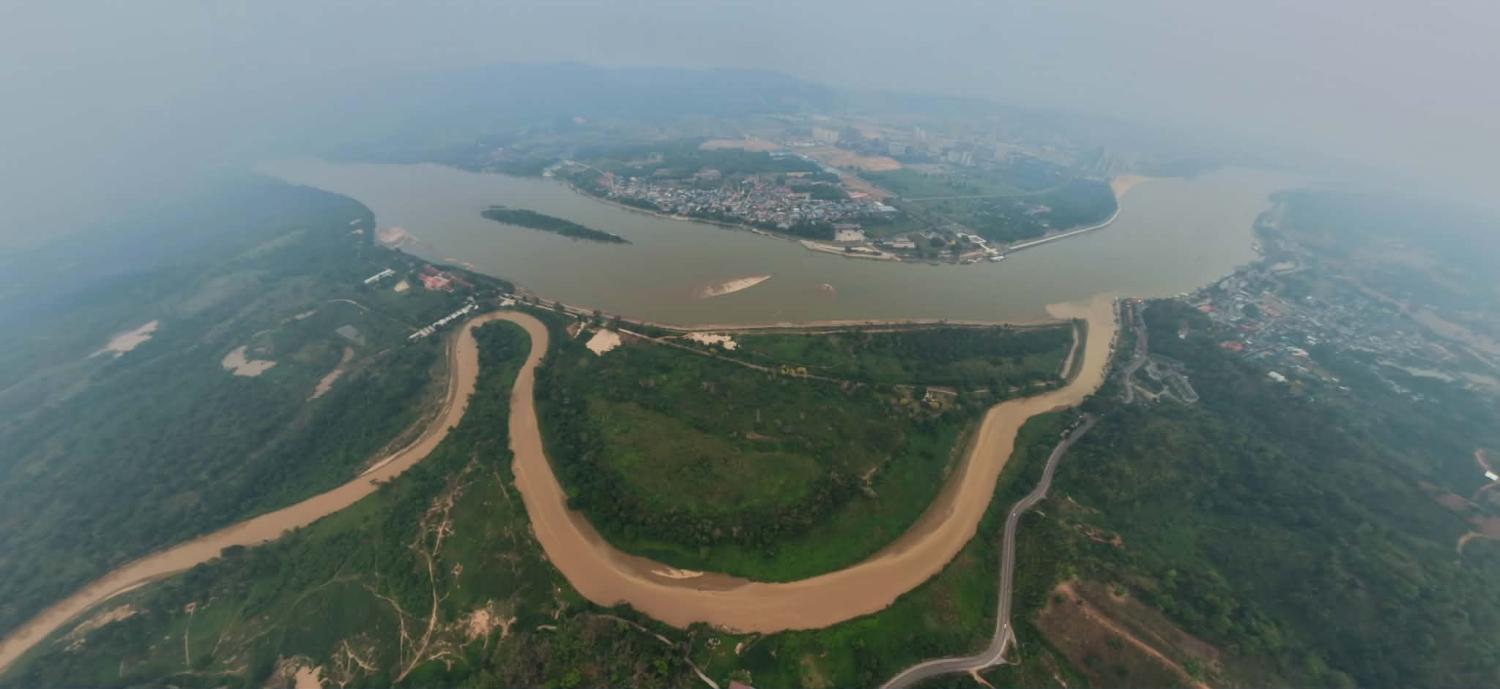
Mining is killing region's rivers
Oped, Pianporn Deetes, Published on 21/04/2026
» Last week, Thailand's Pollution Control Department (PCD) released a report on its tenth round of water quality monitoring tests on three rivers in the northern region. The report is based on samples taken from the Kok, Sai, Ruak, and Mekong rivers in the country's northernmost area.
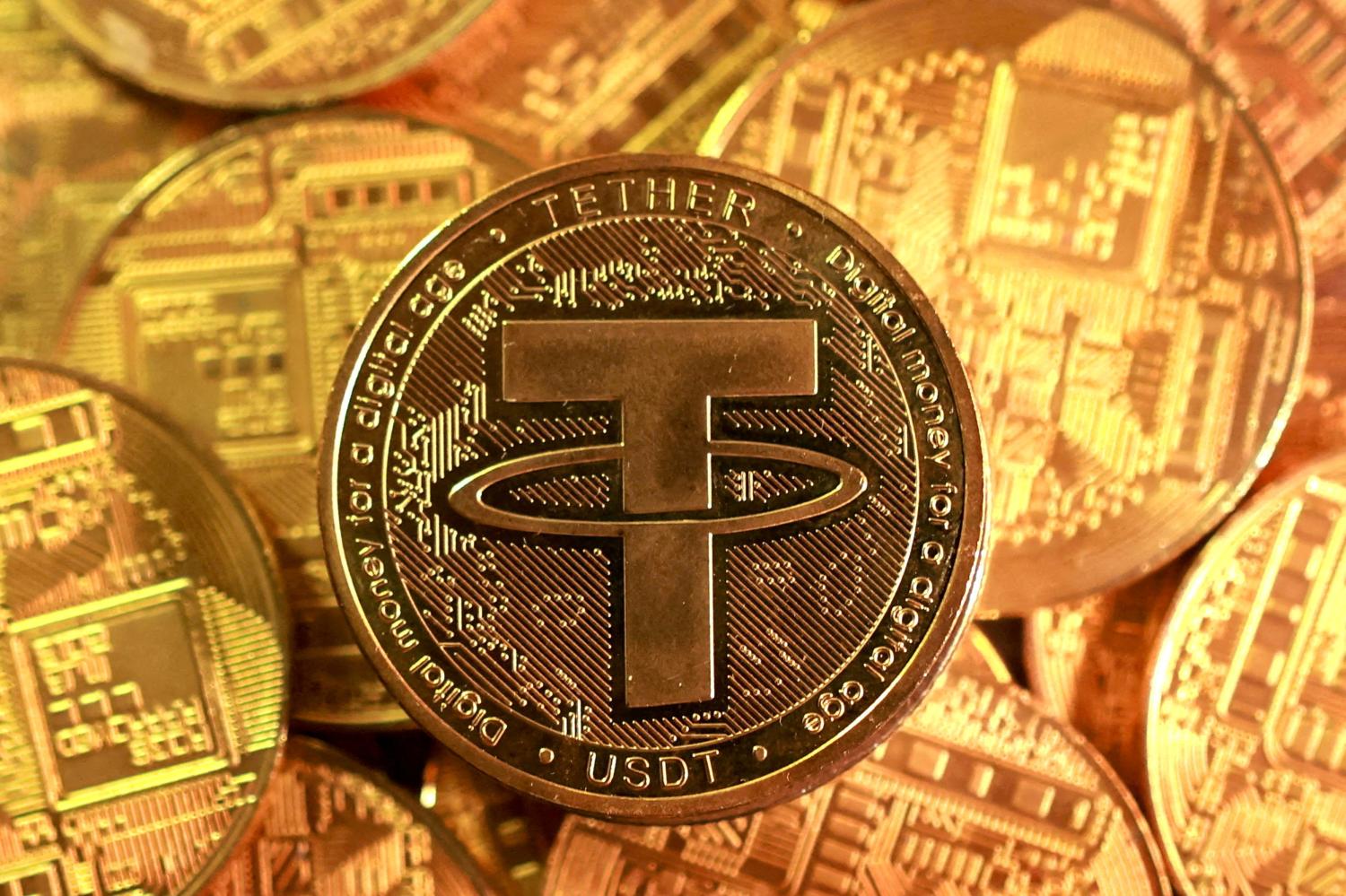
Crypto push undermines US power
Oped, Jayati Ghosh, Published on 20/04/2026
» The Ouroboros, the ancient image of a serpent devouring its own tail, has long symbolised self-defeating strategies. It is thus an apt metaphor for US President Donald Trump's current policies. His reckless and illegal war against Iran is the clearest example, but his administration's enthusiastic embrace of crypto currencies represents a subtler, slower-burning expression of the same self-destructive tendency.

Car scheme doubts
Oped, Editorial, Published on 20/04/2026
» The government's planned "old car for new" scheme, a campaign to provide a subsidy and soft loans to accelerate electric vehicle adoption, marks a policy push to advance the transition towards net zero. In principle, the direction sounds good.
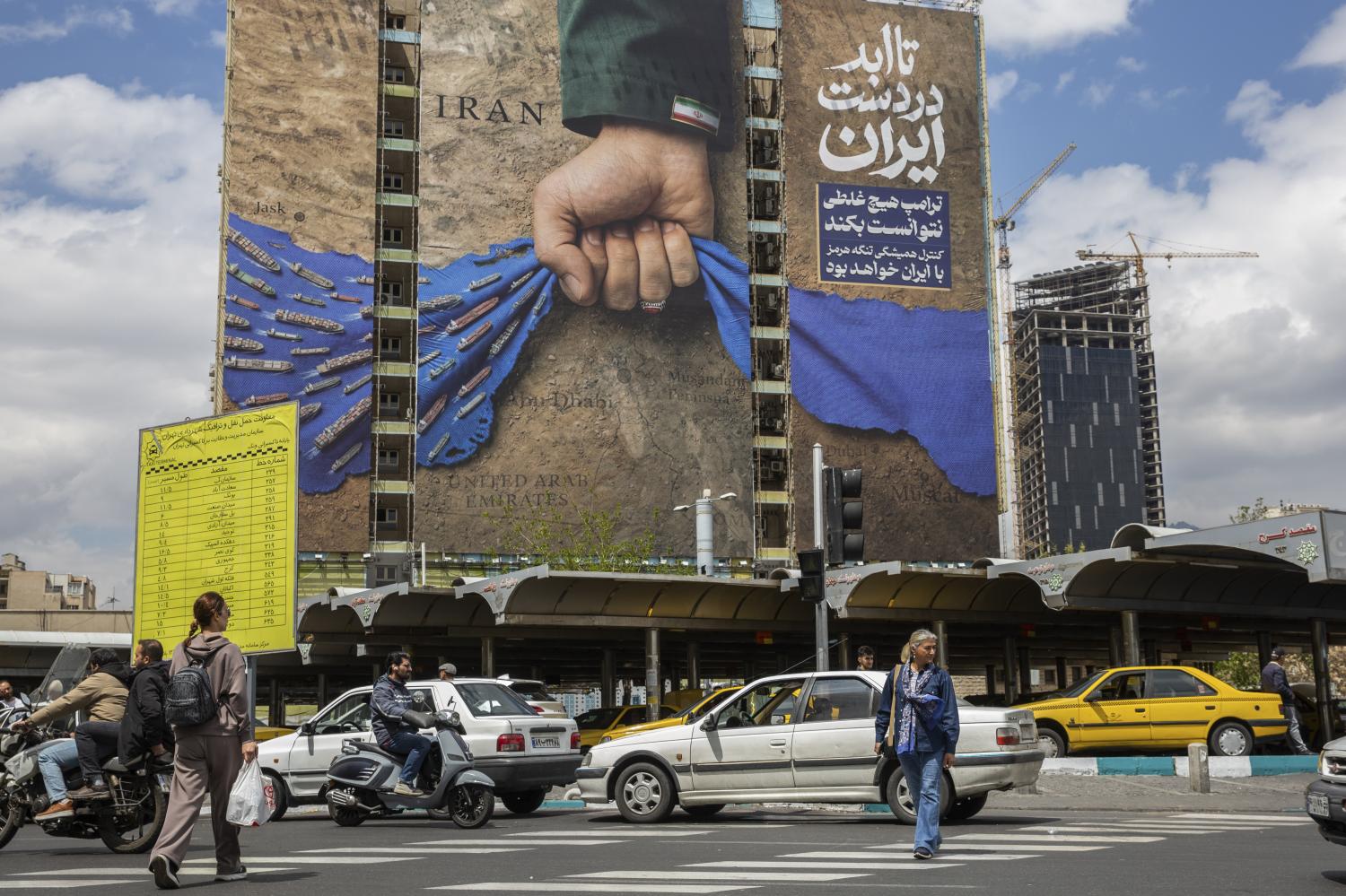
The war and its likely consequences
Oped, Thitinan Pongsudhirak, Published on 17/04/2026
» As the joint attack between the United States and Israel against Iran that resulted in a wider regional conflict in the Middle East approaches its two-month mark, the directions of the war remain precarious while some of the longer-lasting consequences appear evident. Unsurprisingly, the war has been detrimental and damaging for all states and societies concerned, not just within the affected region but the wider world. Already we can start counting some of the long-term costs.
Climate fixation fails world's poor
Oped, Bjorn Lomborg, Published on 17/04/2026
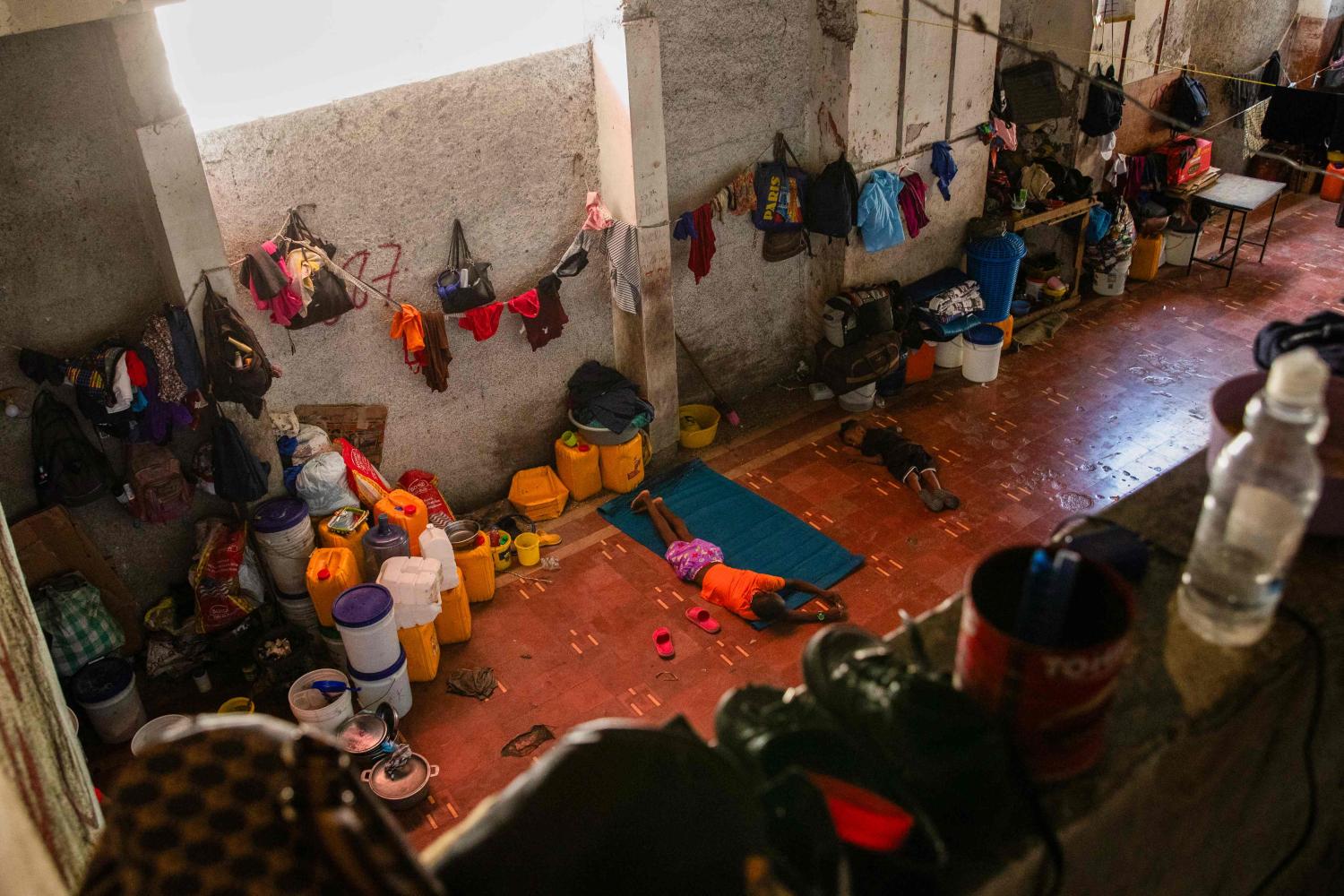
» This week in Washington, more than 10,000 delegates, finance ministers, and central bankers are gathering for the World Bank and IMF Spring Meetings. Their stated goal: accelerate global development, drive economic growth, and lift billions out of poverty.

When will the IMF ever learn?
Oped, Timothy Kaldas, Published on 16/04/2026
» This year's International Monetary Fund Spring Meetings come at a time of heightened economic uncertainty and intense scrutiny of the institution's capabilities and approach. Critics on the left argue that the IMF imposes regressive austerity measures on borrowers, exacerbating poverty, hampering economic growth, and undermining their ability to achieve debt sustainability. On the right, US President Donald Trump's administration has accused the IMF of "mission creep," claiming that it has strayed from its core mandate of maintaining macroeconomic stability.
Oil shock risks wider chain reaction
Oped, Chartchai Parasuk, Published on 16/04/2026
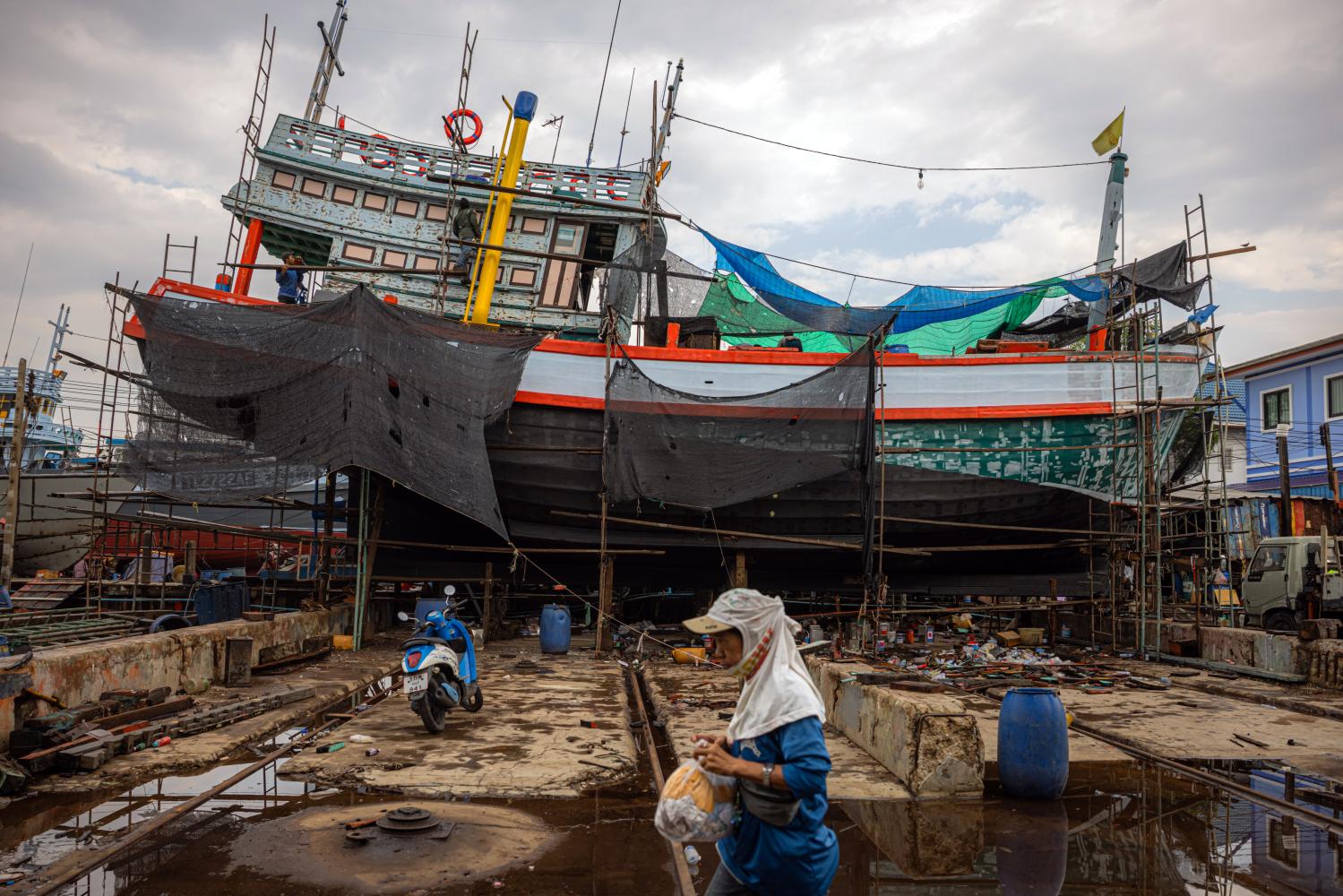
» There is no such thing as a free lunch. When global oil prices rise sharply, as they are doing now, someone must bear the cost. Some countries choose to absorb it through government support, as in Japan, while others pass the burden on to consumers, as in Thailand. Neither approach is inherently right or wrong; each carries different economic consequences. Policymakers must decide which set of outcomes is more acceptable and act accordingly.
Orban's fall seen as a populist turning point
Oped, Gwynne Dyer, Published on 16/04/2026
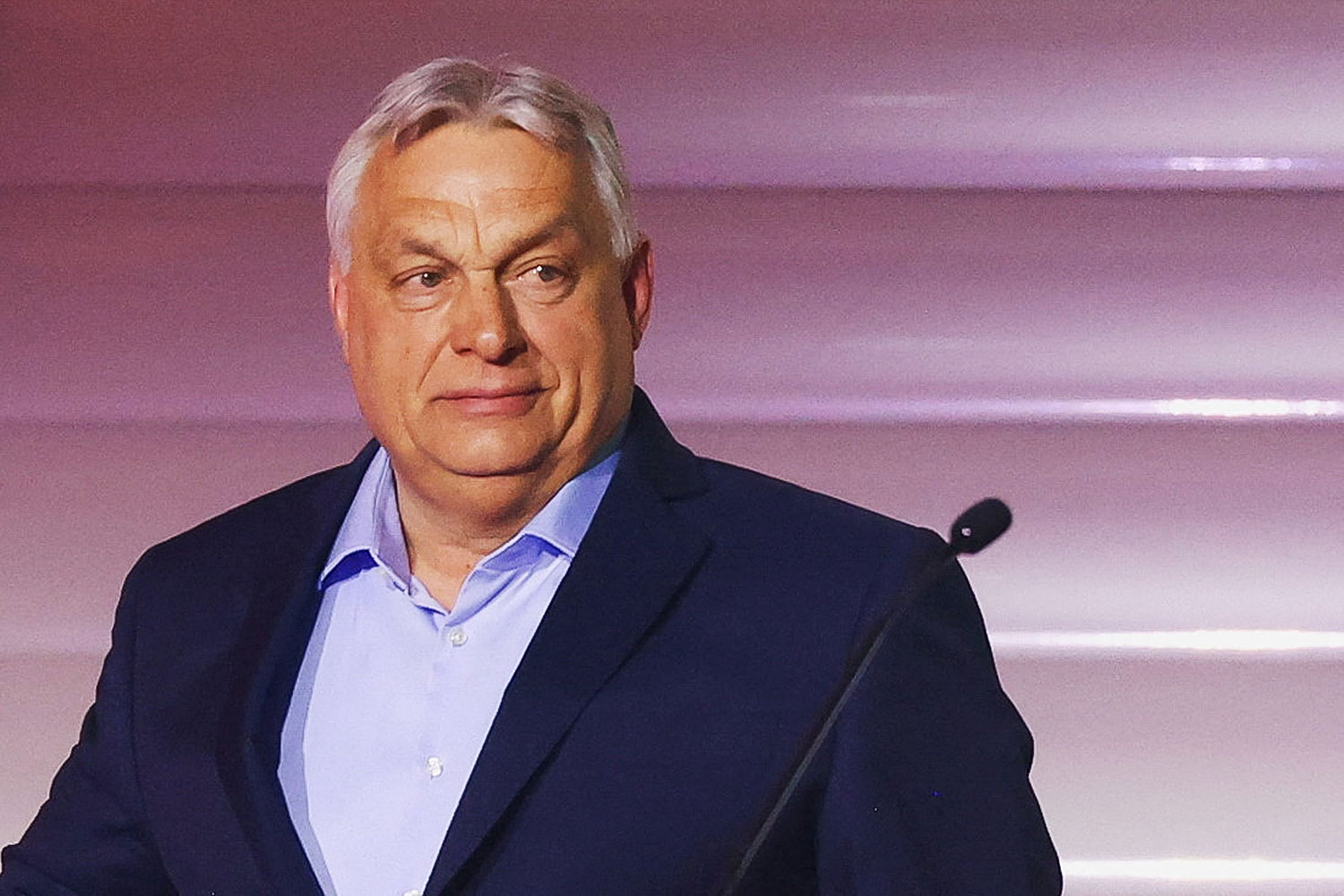
» Polish Prime Minister Donald Tusk sent a message congratulating Hungary's newly elected prime minister, Peter Magyar, for having evicted long-serving populist leader Viktor Orban (aka "The Viktator") from power. All the usual welcoming words, but Mr Tusk's message ended with two slightly mysterious words in Hungarian: "Ruszkik haza" -- Russians go home.