




Showing 1 - 10 of 35
Russia is winning the Iran War
Oped, Chris Patten, Published on 02/04/2026
» While the rationale for US President Donald Trump's Iran war is difficult to decipher, its main beneficiary is far easier to identify: Russian President Vladimir Putin.
Gulf states tell US ending the war is not enough
Oped, Samia Nakhoul, Published on 31/03/2026
» Gulf Arab states are telling the US that any deal with Tehran should do more than end the war, and must permanently curb Iran's missile and drone capabilities and ensure global energy supplies are never again "weaponised", four Gulf sources said.
The Iran war is upending global energy markets
Oped, Carolyn Kissane, Published on 12/03/2026
» The war with Iran is widening faster than many expected. The Islamic Republic's retaliation against Arab Gulf states has extended beyond military targets to critical civilian infrastructure, including airports, water desalination plants, and energy facilities. Hezbollah has opened a second front from Lebanon. US President Donald Trump suggests that operations could last "four to five weeks", but with nearly 50 senior Iranian officials having been killed, it is unclear who might be positioned to negotiate an off-ramp.
The long road to war with Iran
Oped, Carla Norrlöf, Published on 06/03/2026
» As the conflict with Iran reshapes global security assumptions and energy markets, the debate in the United States has focused largely on why President Donald Trump chose war in the first place. Was it domestic politics, a desire to project strength, a miscalculation, or something else?
Time for region to double down on green energy
Oped, Lidy Nacpil, Published on 06/03/2026
» The escalating instability in the Middle East has sent shockwaves through global energy markets, forcing Southeast Asian nations into a precarious position. While the region has made significant pledges to transition toward renewables, the threat of interrupted gas supplies and surging LNG prices is creating a dangerous incentive to prioritise immediate energy security over long-term climate goals.
Five energy market trends for 2026
Oped, Ron Bousso, Published on 01/01/2026
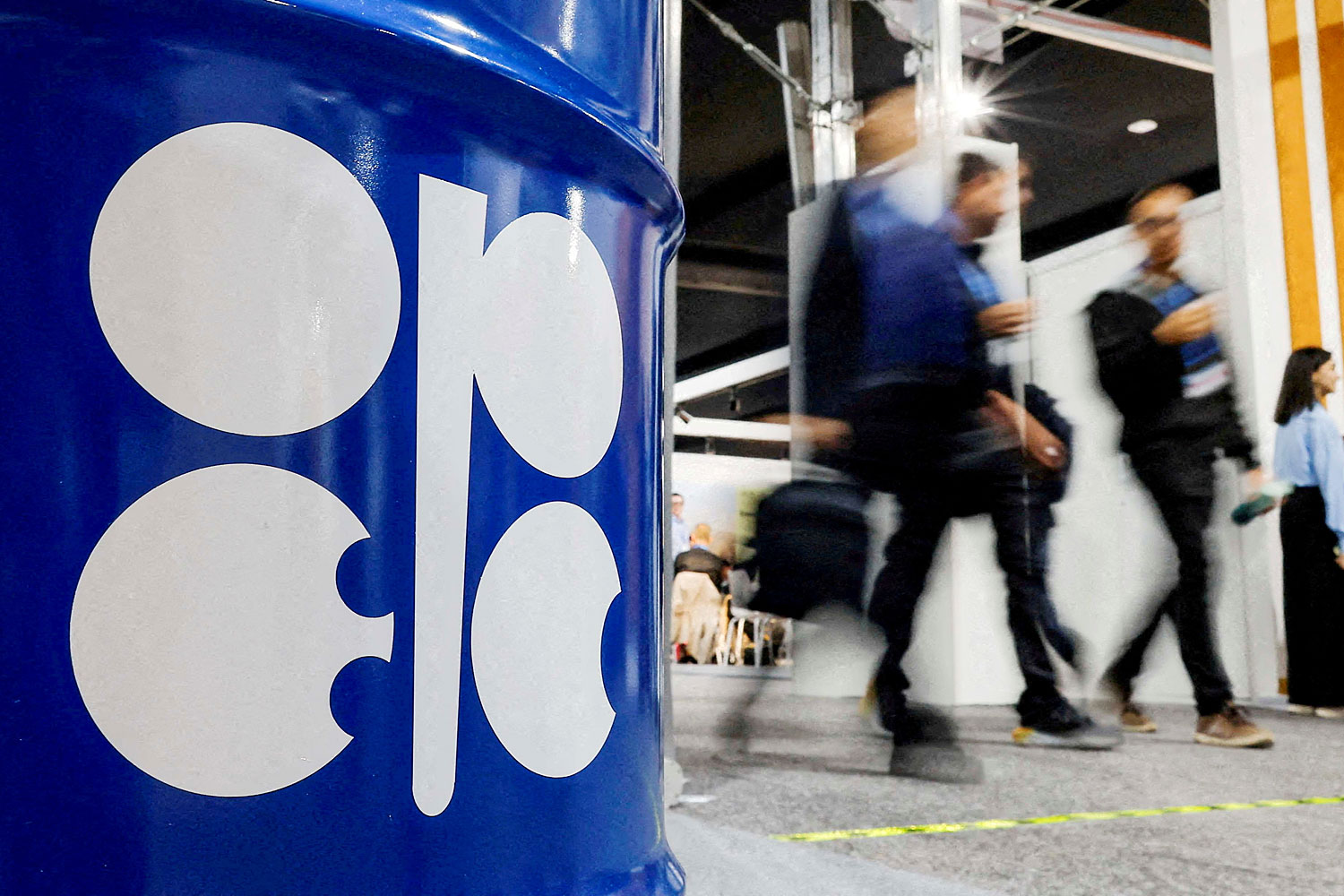
» Energy markets enter 2026 in a downbeat mood as geopolitical uncertainty clouds the outlook and increasing signs of swelling oil and gas supplies threaten to sink prices.
Venezuela: Performative purging
Oped, Gwynne Dyer, Published on 09/12/2025
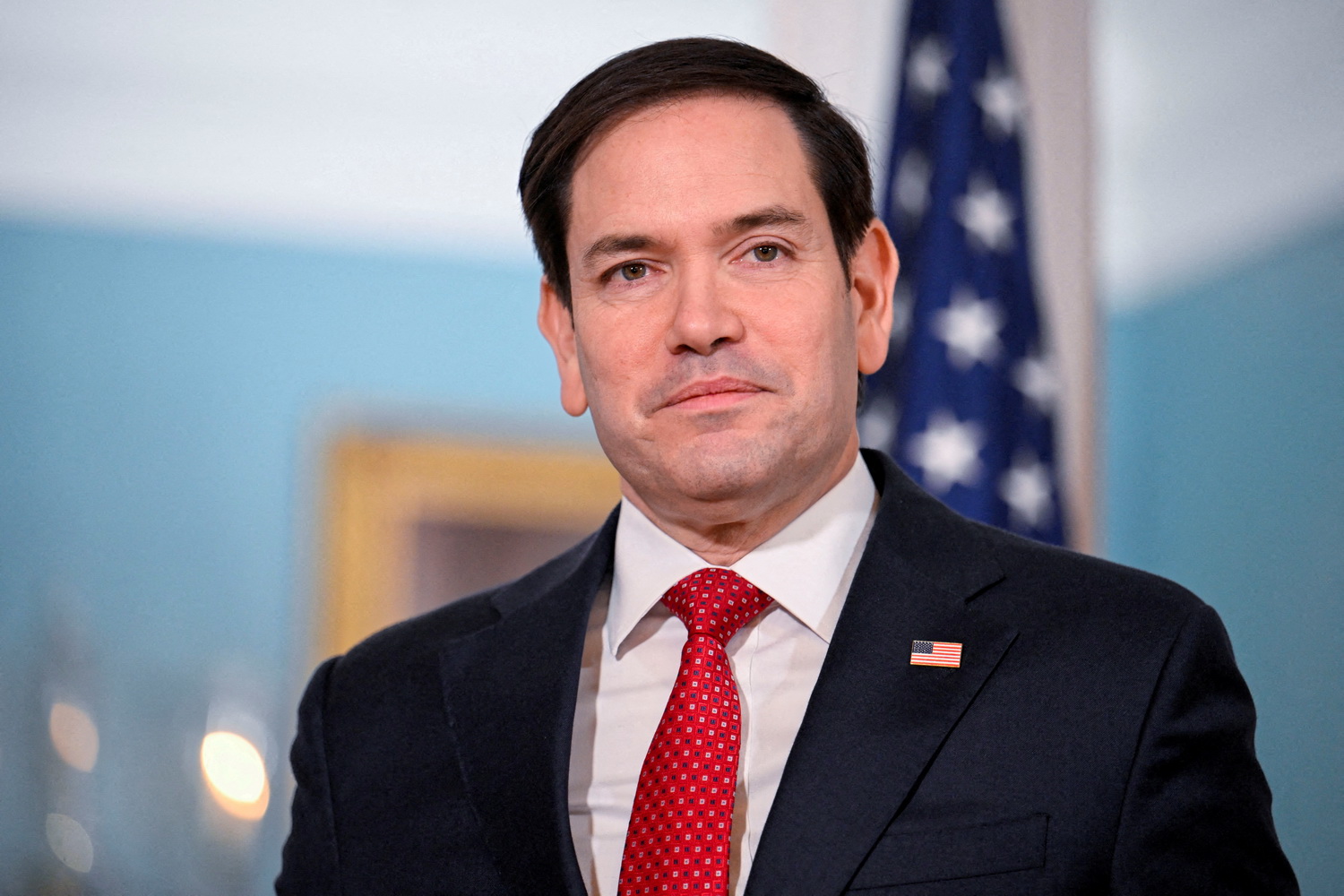
» 'If you're on a boat full of cocaine or fentanyl or whatever, headed to the United States, you're an immediate threat to the United States," said US Secretary of State Marco Rubio last week. So it's perfectly reasonable for the US armed forces to kill everybody on that boat (including a "double tap" on any survivors in the water).

New tech disrupts global order
Oped, Mark Blyth & Daniel Driscoll, Published on 18/11/2025
» News media tend to focus on the world's major powers because they command more resources by dint of their relatively larger economies, militaries and energy endowments. But there are costs to such dominance. For example, a single American Gerald R Ford-class aircraft carrier costs $13 billion (421.6 billion baht), while the F-35 fighter jet costs about $100 million. So, if you can build your military equipment for less than your opponent, you can gain a strategic advantage.
Landmine sparks fear
Oped, Editorial, Published on 13/11/2025
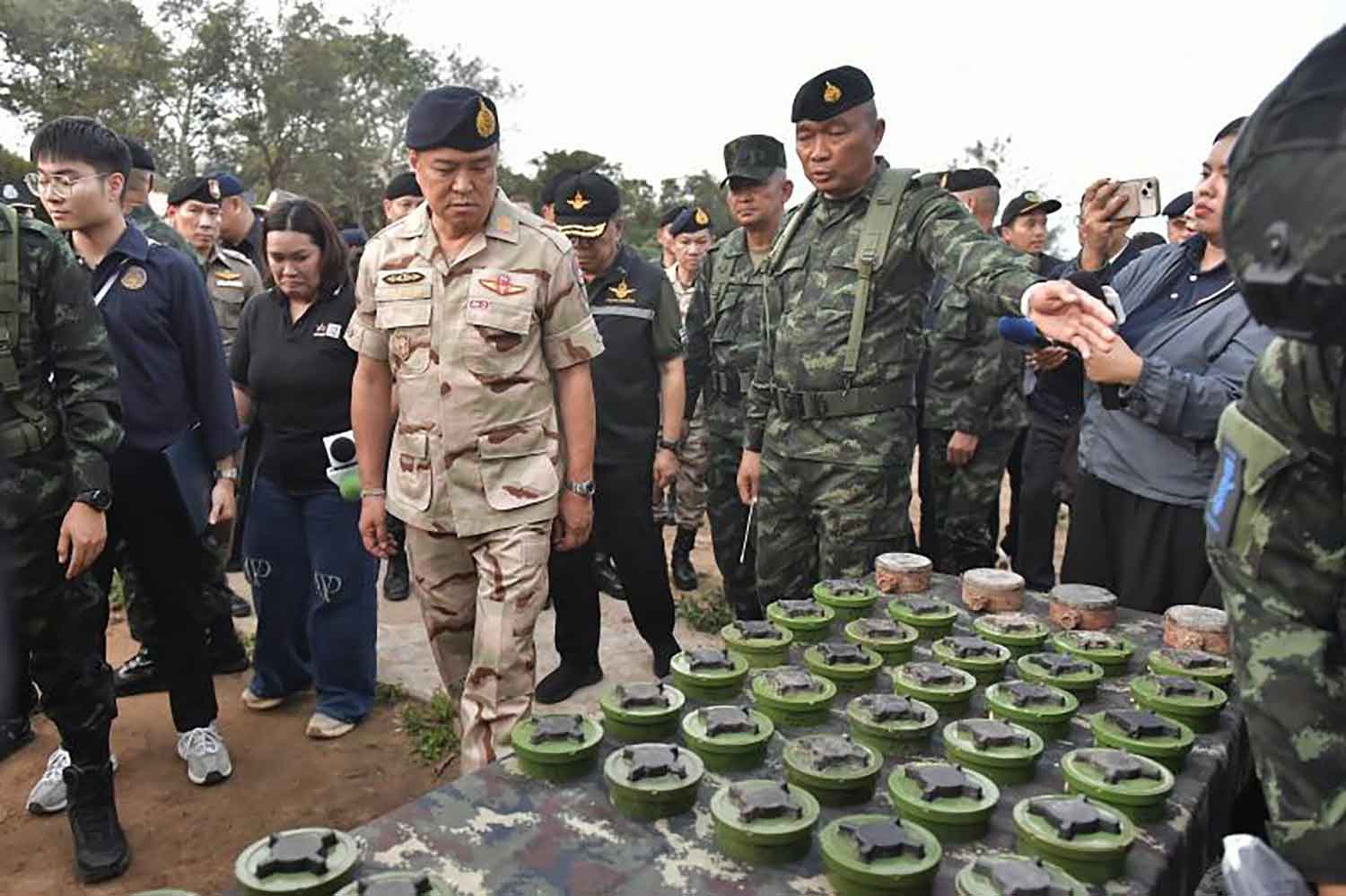
» The latest landmine explosion, which injured four soldiers and left one without a foot, not only undermines attempts at peace between Thailand and Cambodia but also sparks fears of an all-out war as Thailand faces pressure to retaliate and teach its neighbour a lesson.
Cambodia's bluster fails at UN event
Oped, Kavi Chongkittavorn, Published on 30/09/2025
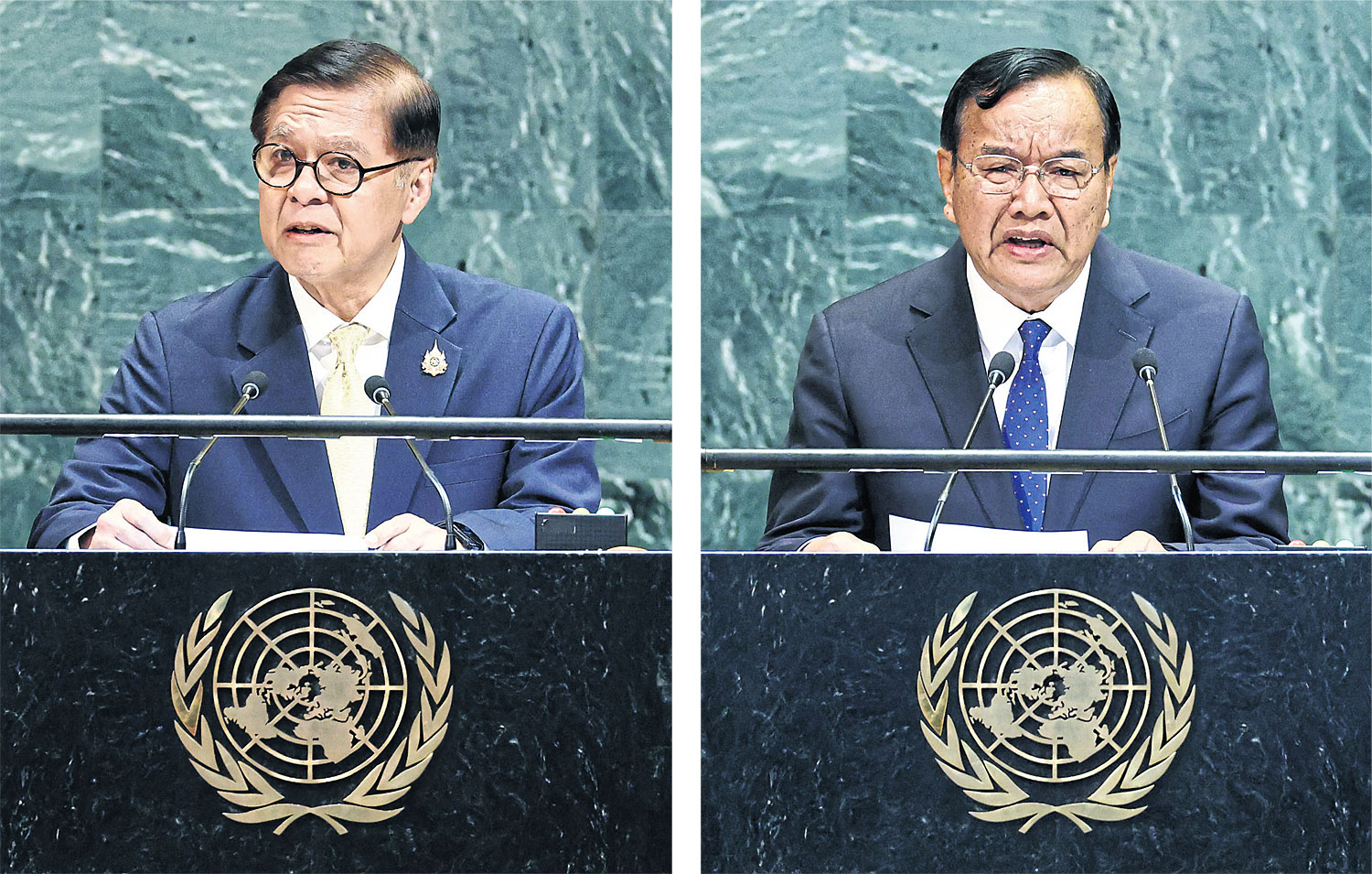
» At the 80th session of the United Nations General Assembly (UNGA), Thailand and Cambodia verbally clashed again over their border dispute. What stood out was not just the usual complaints, but the gap between quiet promises made behind closed doors and loud posturing in public.