




Showing 1 - 10 of 5,691

How world's super-rich are rewriting the rules
Oped, Joseph E Stiglitz & Jayati Ghosh, Published on 13/02/2026
» Ongoing efforts to derail multilateral tax cooperation lie at the heart of a global programme to replace democratic governance with coercive rule by the extremely wealthy -- or what we call 21st-century Caesarism. Any strategy to counter this programme, therefore, must recognise that taxing extreme wealth is essential to saving democracy.
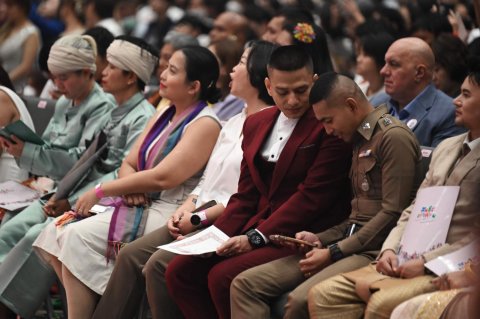
One year of marriage equality
Oped, Niamh Collier-Smith, Published on 13/02/2026
» Every year on Feb 14, the world pauses to celebrate love -- traditionally through flowers, romance and promises. But this Valentine's Day in Thailand goes beyond sentiment, marking over one full year of legal marriage equality.
Surviving the collapse of the population
Oped, Gwynne Dyer, Published on 13/02/2026
» 'To them that hath shall [more] be given" is generally a reliable guide, especially in economic matters, but it doesn't work if the beneficiaries are too stupid to take advantage of the gift. The scarce and precious commodity in this case being people, who are in increasingly short supply.
Emerging markets stand strong
Oped, Kristalina Georgieva and Mohammed Al-Jadaan, Published on 12/02/2026
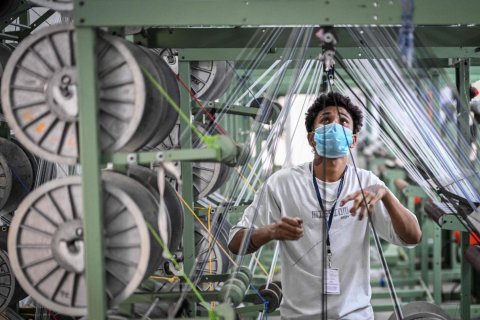
» It used to be that when advanced economies sneezed, emerging markets caught a cold. That is no longer true. Following recent global shocks, such as the post-pandemic inflation surge and a new wave of tariffs, emerging markets have held up well. Inflation has continued to slow, currencies have generally retained their value, and debt issuance costs have remained at manageable levels. There has been no sign of the kind of financial turbulence that came with past economic shocks.
Roaring global growth is emerging
News, Mike Dolan, Published on 11/02/2026
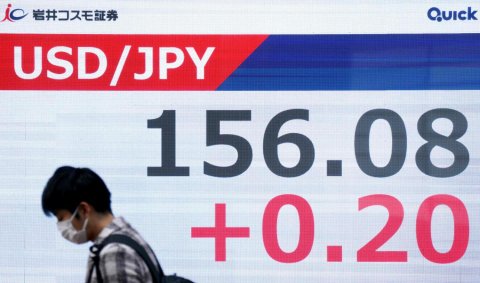
» The chaotic newsflow, geopolitical shape-shifting and wild market swings of 2026 have clouded one basic signal: the global economy is racing forward.
Reinvent Thailand to revive growth
Oped, Boonwara Sumano, Published on 11/02/2026
» In the 1990s, Thailand ranked second in Asean for state performance, behind only Singapore. Today, we trail several neighbours. This decline has unfolded gradually over three decades -- through repeated economic crises, institutional stagnation, and reforms that never quite went far enough. What is different today is that the cost of inaction has become far more dangerous.
The case of the disappearing senior generals
News, Gwynne Dyer, Published on 10/02/2026
» Armies can be used against both against foreigners abroad and against citizens at home, but the two roles require quite different equipment and tactics. The same applies to their commanders: you need a different kind of general if you think that the primary task of their troops will be controlling dissent at home.
From conflict to shared prosperity
News, David Jay Green, Published on 10/02/2026
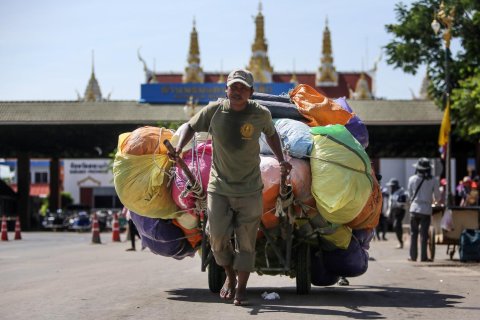
» The news from the front line, the border between Cambodia and Thailand, has a depressing familiarity. Another ceasefire is agreed upon, but it is accompanied by hostile statements from officials of both governments, and, in the past, such statements have led to aggressive action by one or both military forces. This opens the door to armed combat. People are killed or injured, property and infrastructure damaged, and people's livelihoods disrupted. We need to break this cycle; we need real peace.
Climate change discourse takes a new turn
Oped, Bjorn Lomborg, Published on 09/02/2026
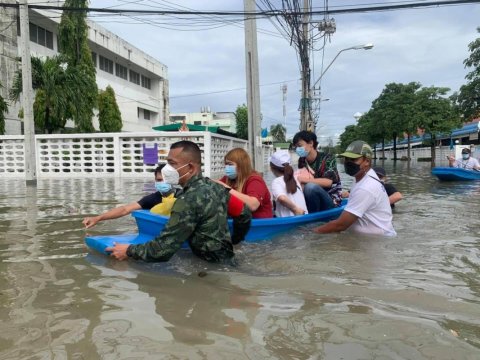
» What a difference a single year makes. The once-dominant push to radically reshape society to avert climate catastrophe has collapsed. Look at Davos -- the talkfest long dominated by climate advocacy. That consensus has been abandoned by its once strongest proponents.
Charter choice at polls
News, Editorial, Published on 07/02/2026
» Tomorrow's election will be like no other. It will be the first time that eligible voters elect members of parliament and vote in a charter referendum on the same day.