



Showing 1 - 10 of 61
Asean's energy security at risk
Oped, Ma. Theresa P. Lazaro, Published on 26/03/2026
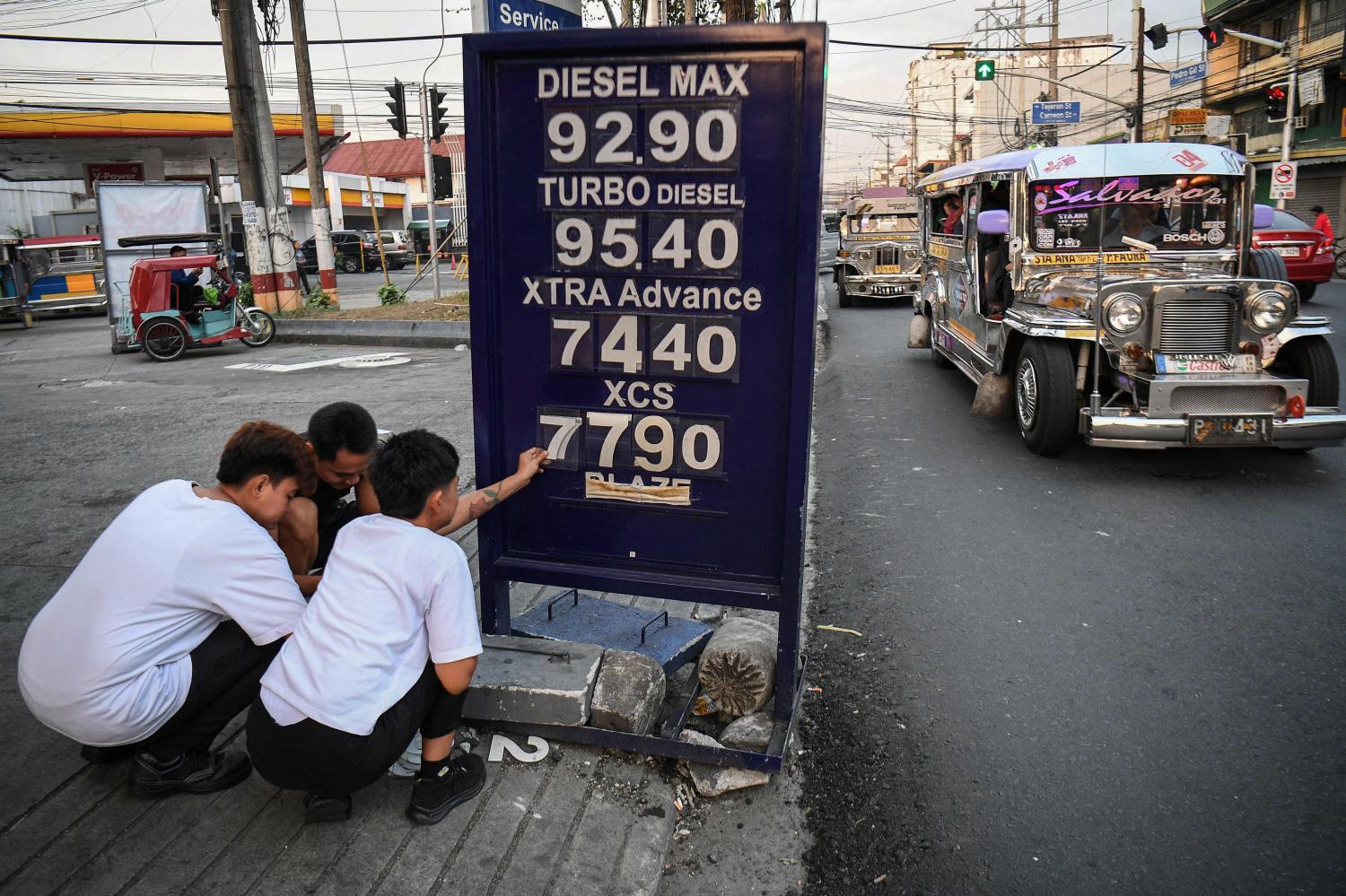
» In June 1986, the five founding members of the Association of Southeast Asian Nations (Asean) assembled in Manila to discuss Asean's response to the global energy crisis, which began with the Iranian Revolution in late 1978.
Time for region to double down on green energy
Oped, Lidy Nacpil, Published on 06/03/2026
» The escalating instability in the Middle East has sent shockwaves through global energy markets, forcing Southeast Asian nations into a precarious position. While the region has made significant pledges to transition toward renewables, the threat of interrupted gas supplies and surging LNG prices is creating a dangerous incentive to prioritise immediate energy security over long-term climate goals.
Brazil's bold industrial turn is a gamble
Oped, Jayati Ghosh, Published on 25/12/2025
» For many in the developing world, Brazil is a rare beacon of hope in an otherwise bleak global landscape. Along with his South African counterpart, Cyril Ramaphosa, President Luiz Inácio Lula da Silva is among the few world leaders who have stood up to US President Donald Trump with dignity and a measure of success.
Let us link our carbon markets
Oped, Xue Song, Published on 08/12/2025
» With CBAM set to cost the region billions from 2026, an Asia-led carbon corridor could turn that threat into a lasting climate and strategic advantage.
Why climate finance is no longer enough
Oped, Laura Carvalho, Published on 11/11/2025
» With the UN Climate Conference (COP30) in Belém, Brazil, kicking off, it is clear that the world's widely shared commitment to a just energy transition is falling by the wayside. In the year since governments signed on to the agreement at COP29 to scale up climate finance -- with a goal of mobilising $1.3 trillion (42 trillion baht) annually by 2035 -- wealthy countries have been retreating from their pledges. Worse, these signs of bad faith are coming just as the costs of climate adaptation and decarbonisation in developing countries are mounting.
Time to focus on climate funding
Oped, Rakesh Mohan & Janak Raj, Published on 04/11/2025
» Discussions about climate finance often focus on the most vulnerable countries, such as small island developing states -- and for good reason. But the nine major emerging-market economies (EMEs) -- Argentina, Brazil, China, India, Indonesia, Mexico, Russia, South Africa, and Turkey -- also have significant climate-finance needs, which must be met if the world is to have any chance of achieving its climate goals. Nowhere are those needs larger than in China.
Can Europe, China forge a climate connection?
Oped, Emmanuel Guerin & Bernice Lee, Published on 12/08/2025
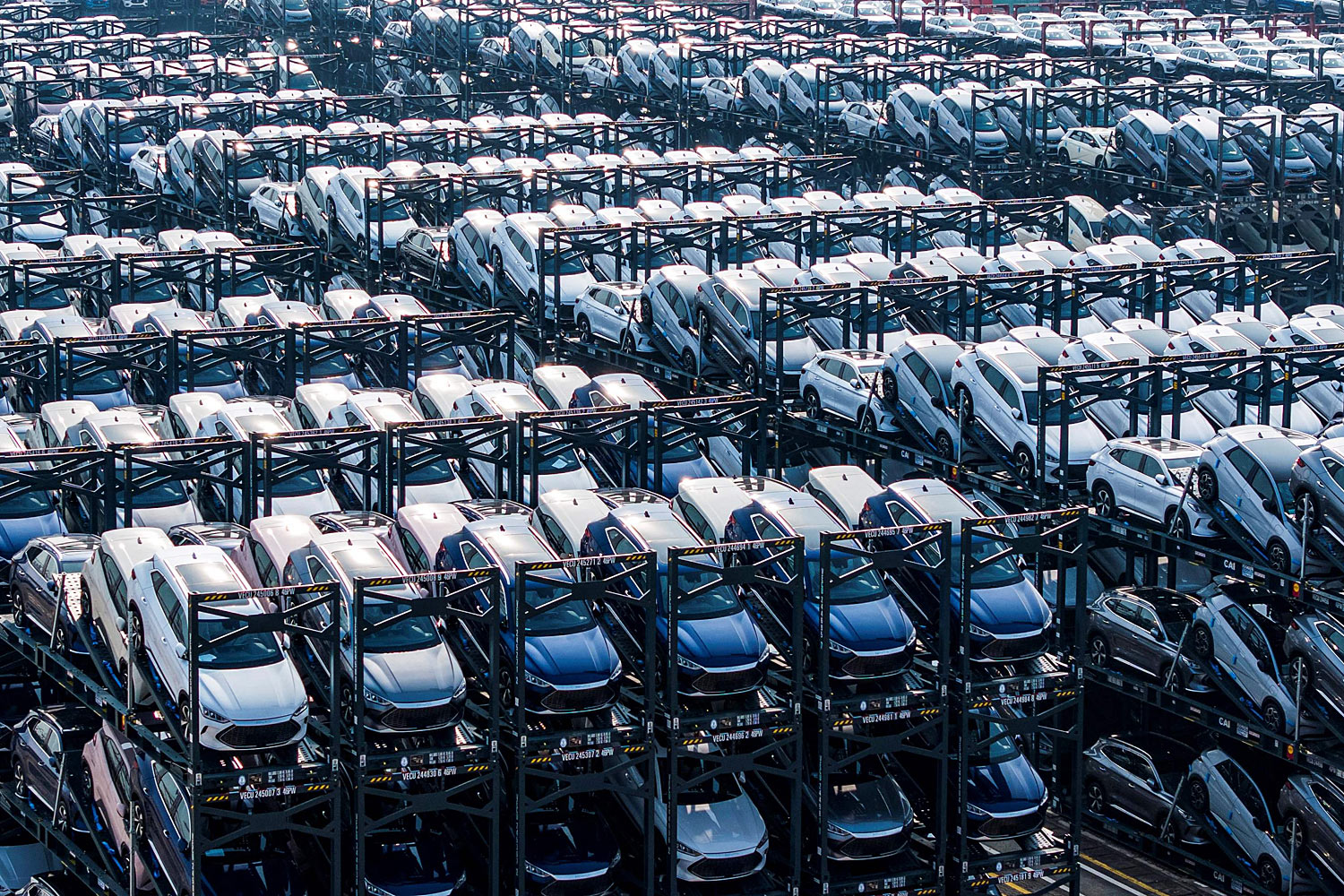
» Earlier this year, the Chinese firm CATL, the world's largest battery-maker, unveiled an electric-vehicle (EV) battery capable of delivering a remarkable 520 kilometres (323 miles) of driving range after just five minutes of charging. The announcement came a month after BYD, China's leading EV manufacturer, launched its own ultra-fast charging system. In solar, too, the numbers are staggering: Chinese firms can now produce over 1,200 gigawatts of solar panels annually.

A new agenda for climate-resilient development
Oped, Saliem Fakir, Published on 01/08/2025
» Mitigating the worst effects of climate change requires reconciling ambition and justice. But achieving both a just energy transition and ambitious global climate action depends on trade rules that foster equitable development. To facilitate the shift to low-carbon economies, developing countries must have reliable access to green technologies, investments, and international markets.
Today, Tuvalu. Tomorrow, the entire world
Oped, Gwynne Dyer, Published on 15/07/2025
» Some big changes arrive with a bang, but usually they sort of sneak in and you barely notice them at first. Last month's big change saw the creation of the world's first climate-change visas. It's a way of giving potential climate refugees some hope and some dignity, and it would certainly be an improvement on the current migration mess.

Thailand's cleaner grid is within reach
Oped, Rapeepat Ingkasit, Published on 11/06/2025
» Thailand is approaching a pivotal moment in shaping its energy future. The draft Power Development Plan 2024 (PDP2024) -- currently awaiting finalisation -- outlines the country's power strategy for the next two decades. But as it stands, the draft leans heavily on legacy thermal infrastructure, including continued reliance on fossil fuels.