




Showing 1 - 10 of 751
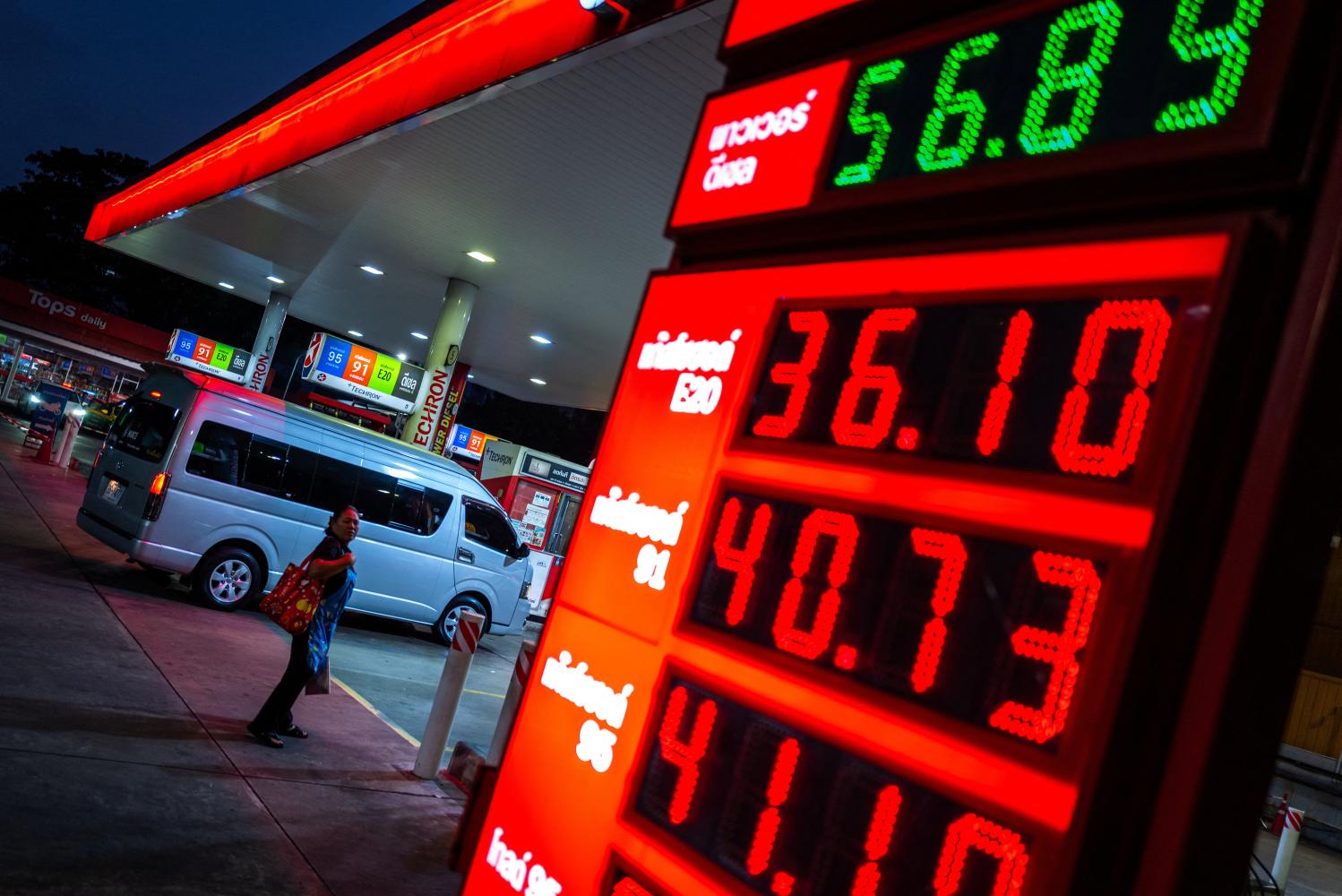
Some shock therapy or slow healing?
Oped, Chartchai Parasuk, Published on 02/04/2026
» Do readers prefer shock therapy or slow healing? This is not a health question, but an important economic one.

Tackle smog in North
Oped, Editorial, Published on 02/04/2026
» On Monday, Chiang Mai was ranked the world's most polluted major city, according to the Air Quality Index (AQI) compiled by a Swiss air-monitoring firm.

Education rethink
Oped, Postbag, Published on 27/03/2026
» Re: "Social Security Fund reform 'urgent' as society ages", (BP, March 25).
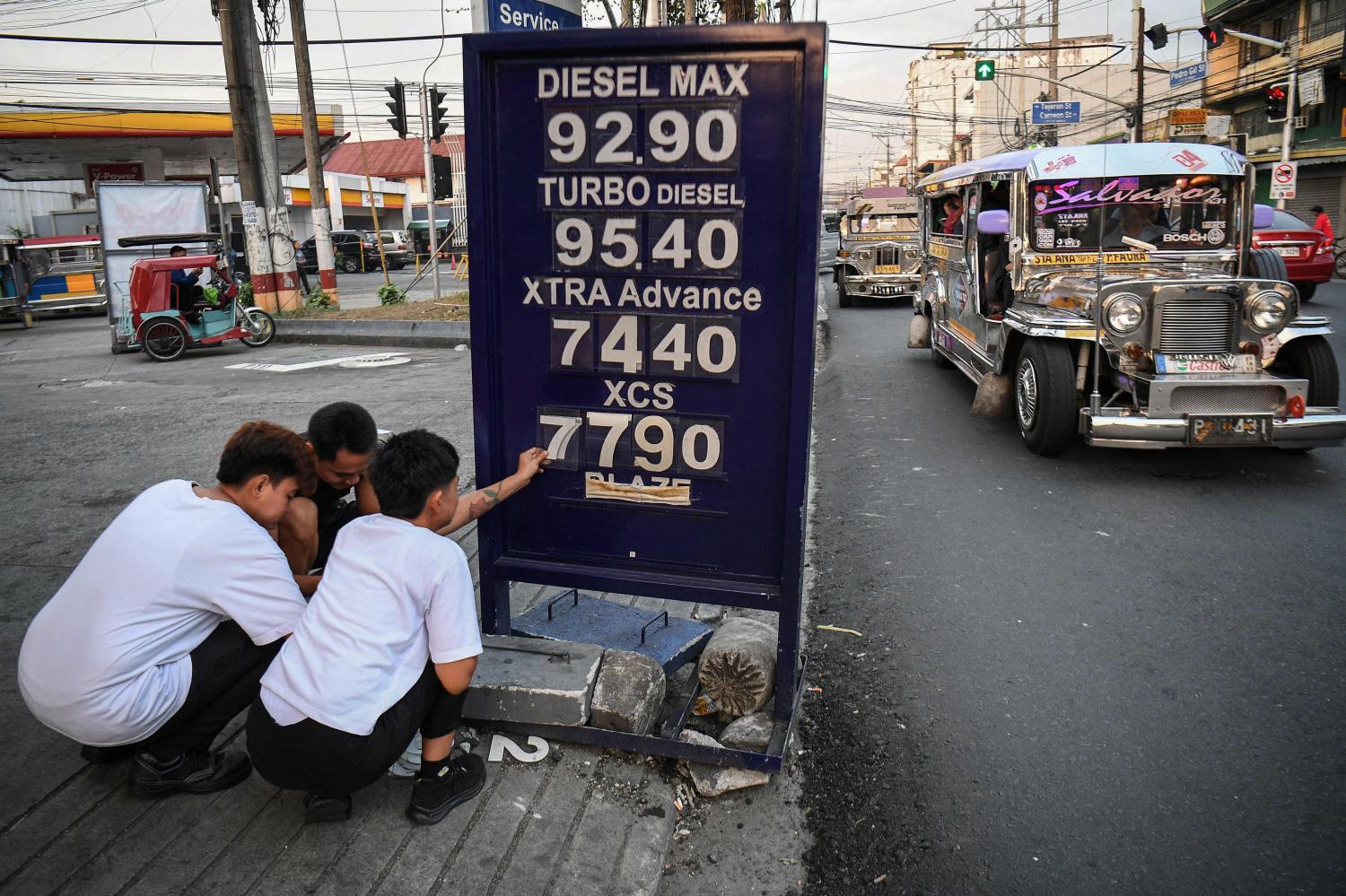
Asean's energy security at risk
Oped, Ma. Theresa P. Lazaro, Published on 26/03/2026
» In June 1986, the five founding members of the Association of Southeast Asian Nations (Asean) assembled in Manila to discuss Asean's response to the global energy crisis, which began with the Iranian Revolution in late 1978.
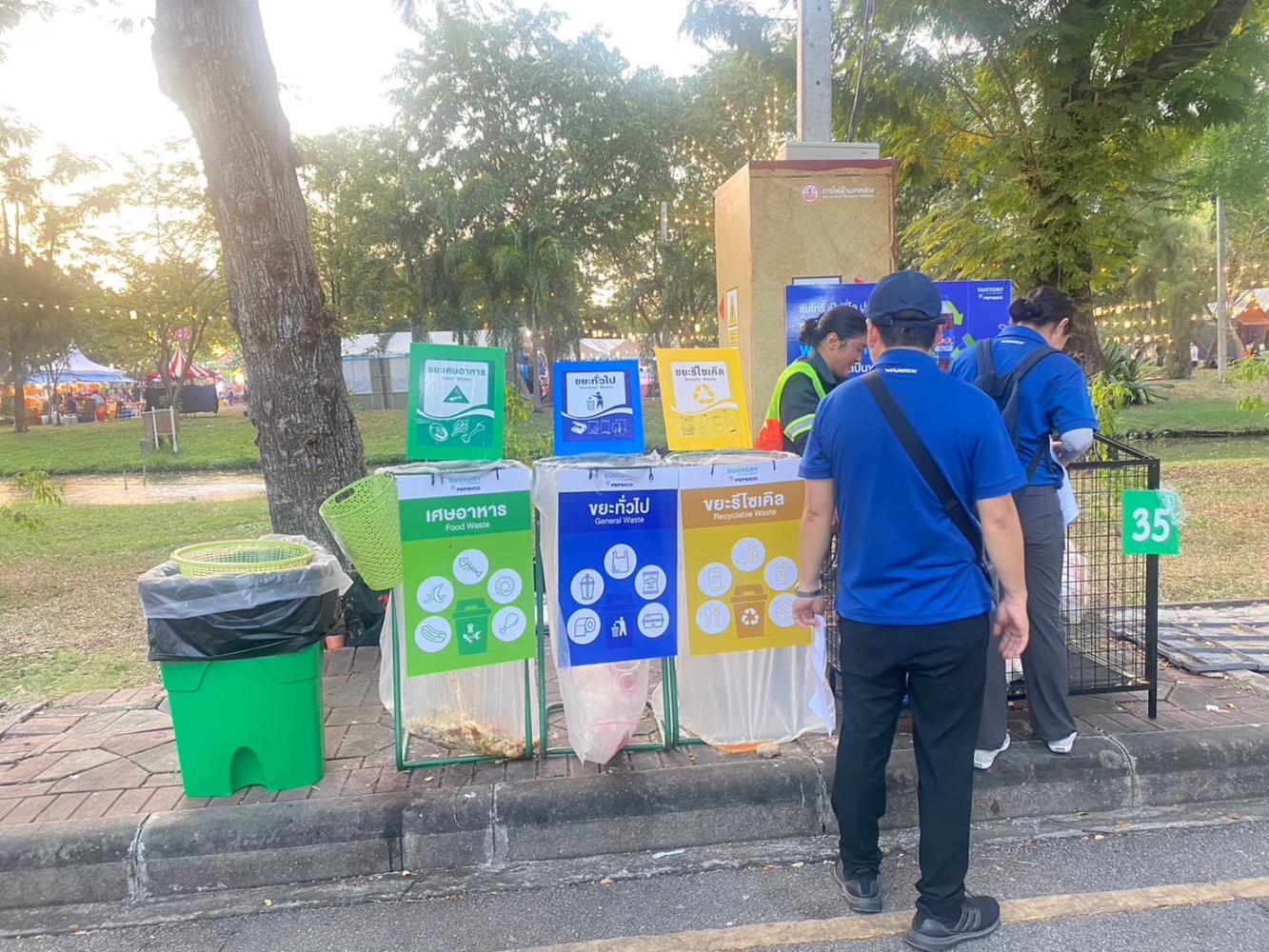
Tackle food waste, curb pollution
Oped, Edel S. Garingan, Published on 24/03/2026
» Climate change and air pollution are not driven by carbon dioxide alone. To address global warming, we must also address extremely powerful pollutants like methane, which has the capacity to trap heat in the atmosphere far more effectively than carbon dioxide over a short period of time.

Anutin's first big test
Oped, Editorial, Published on 23/03/2026
» The latest escalation in the Middle East targeting energy infrastructure is not merely another flurry of geopolitical tension, but a systemic shock to the global order with the potential to reverberate far beyond oil markets.

Loving the lizards
Oped, Postbag, Published on 18/03/2026
» Re: "It's not just the park's lizards", (BP, March 16) & "Monitor monitoring", (BP, April 26, 2025).
The fire this time is for US climate science
Oped, Gwynne Dyer, Published on 18/03/2026
» In 1953 Ray Bradbury, an American writer, published a book entitled simply Fahrenheit 451. It was a novel about an American fireman in a not-too-distant future who realised that he was doing his job all wrong -- because his job was to burn books, which were banned in that future America. (451°F is the temperature at which paper catches fire.)
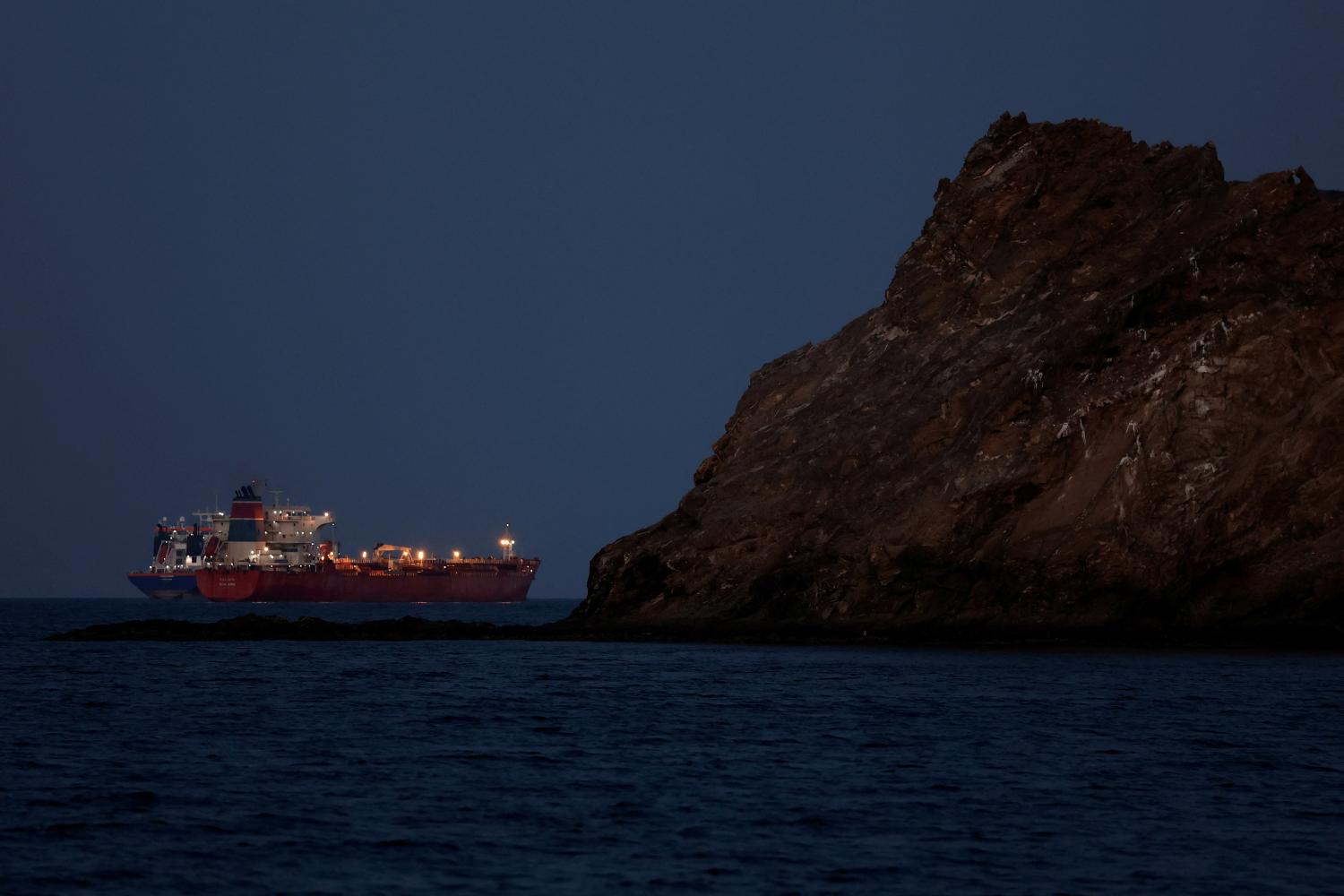
The Iran war is upending global energy markets
Oped, Carolyn Kissane, Published on 12/03/2026
» The war with Iran is widening faster than many expected. The Islamic Republic's retaliation against Arab Gulf states has extended beyond military targets to critical civilian infrastructure, including airports, water desalination plants, and energy facilities. Hezbollah has opened a second front from Lebanon. US President Donald Trump suggests that operations could last "four to five weeks", but with nearly 50 senior Iranian officials having been killed, it is unclear who might be positioned to negotiate an off-ramp.
Preparing for AI-enabled bioweapons
Oped, Sania Nishtar, Published on 11/03/2026
» We don't know when the next epidemic or pandemic will hit, or where the next infectious threat will emerge. But we do know that the nature of the threat is constantly evolving. One of the most sobering takeaways from this year's Munich Security Conference was that AI-enabled gene editing has radically lowered the barrier to developing genetically engineered bioweapons. We must prepare to live with even deeper uncertainty about whether emerging infectious threats are natural or man-made, and whether they have been accidentally or deliberately released.