



Showing 1 - 10 of 12
Global warming and the burning issue of money
Oped, Gwynne Dyer, Published on 14/11/2024
» It's hard to imagine a less plausible venue for the annual UN-sponsored conference on climate than the dictatorial petrostate of Azerbaijan. Baku, the capital, has a walled medieval centre that's worth a day or two, but offshore the shallow Caspian Sea is littered with a century's worth of old and new oil wells.
Bridging the needs of communities
News, Regan Pairojmahakij, Published on 30/10/2024
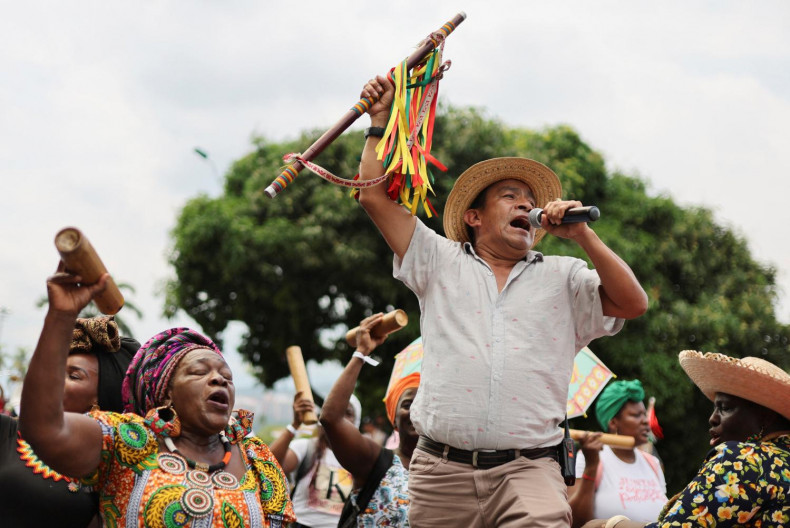
» The United Nations Convention on Biological Diversity (CBD) Conference of Parties (COP) in Cali, Colombia, COP16, provides an opportunity to move closer to achieving the world's biodiversity conservation goals. From Oct 21 to this Friday, this year's CBD COP follows both the UN Climate Change and Desertification COPs as the last in a triad of "super" COP events taking place in close succession. It follows from the watershed CBD COP15, where the Kunming-Montreal Global Biodiversity Framework was adopted.
Meet your biodiversity pledges
Oped, Mary Robinson, Published on 19/07/2024
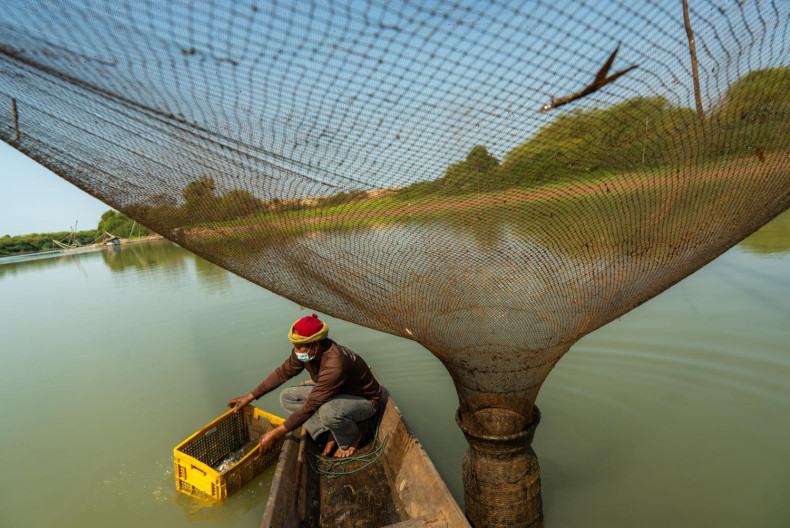
» This summer of record-breaking heat waves and contentious elections around the world offers a valuable opportunity to reflect on the role individuals can play in driving positive change. By building coalitions and amplifying the voices of those most affected by crises, we can muster the courage and political will needed to overcome seemingly insurmountable global challenges.
Cities can drive climate solutions
Oped, Michael R Bloomberg & Yvonne Aki-Sawyerr, Published on 06/12/2023
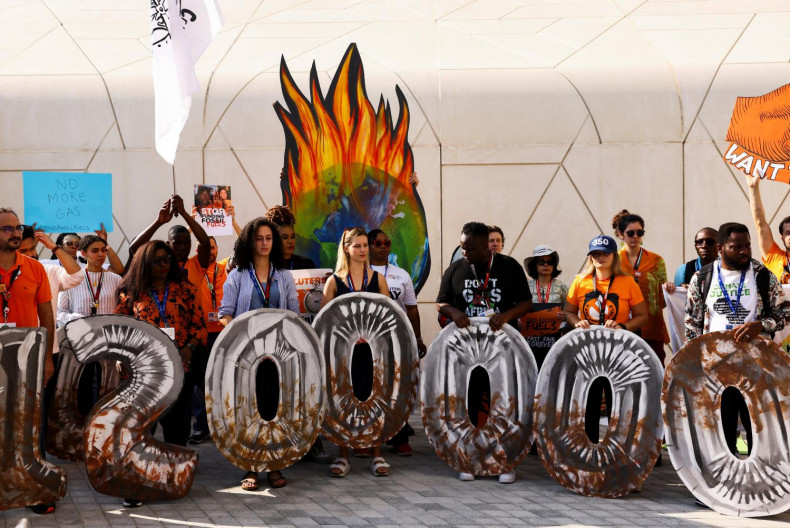
» Nation-states, presidents, and prime ministers are the players who garner the biggest headlines and the most media attention at each year's UN Climate Change Conference. Yet for the past decade, and with far less fanfare, cities, states, and regional governments (known as "subnationals") have been implementing the Paris climate agreement's guidance, even when their national governments have not. This has meant investing in clean-energy systems and other urban innovations to reduce emissions locally and sharing what works through networks like C40 and the Global Covenant of Mayors to accelerate progress on a larger scale.
High time for a high-seas treaty
News, Jennifer Morris, Published on 06/03/2023
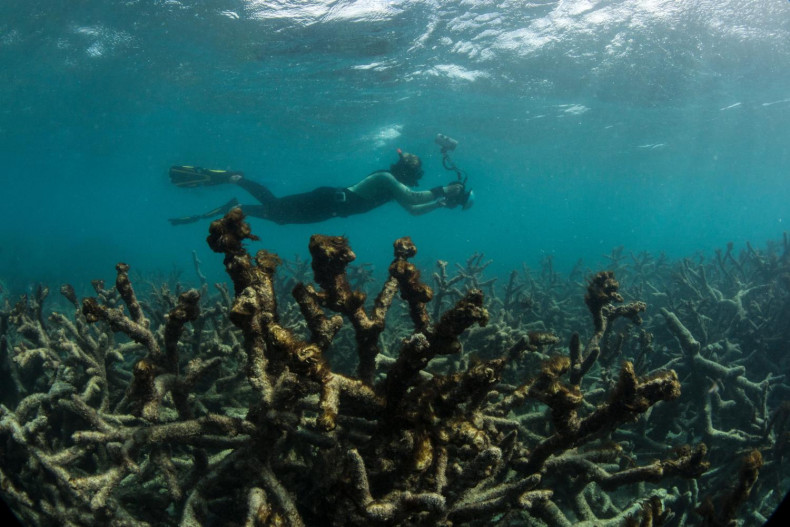
» Our planet's tightly woven, interconnected natural systems are vital to life and livelihoods. Yet with each passing season, we are witnessing the crushing realities of the climate crisis and biodiversity loss.
Creative climate solutions are the way forward
Oped, May Boeve, Published on 20/01/2023
» This year was a tumultuous one in many ways. While climate-related shocks became even more prevalent and severe, Russia's invasion of Ukraine triggered a global energy crisis that continues to affect millions of peoples' lives and livelihoods. Following that shock, unprecedented heatwaves across Europe, Asia, and North America, and then devastating flooding in Pakistan, highlighted the urgency of reducing our fossil-fuel dependency and reshaping our energy systems.

Investing in nature pays dividends
Oped, Mari Pangestu, Published on 14/12/2022
» The mega-challenges engulfing the world today -- from Covid-19 to climate change -- have highlighted the interdependencies between people, planet, and the economy. As we chart a course to reignite global growth and drive green, resilient, and inclusive development, we must not ignore these interlinkages. Nature -- meaning biodiversity and the services that healthy ecosystems provide -- is central to this endeavour, especially in developing countries, where poor people in rural areas tend to rely heavily on nature's services and are the most vulnerable to its depletion.
Climate action needs more women
News, Yvonne Aki-Sawyerr, Published on 02/05/2022
» 'The higher you go; the fewer women there are." This observation by the Nobel Peace Prize laureate and environmental trailblazer Wangari Maathai, reflects a reality familiar to all women who have aspired to leadership positions, and it has gained a new meaning for me as the climate crisis has intensified. Though it is already clear that women and girls will face higher risks and greater burdens because of climate change, they remain significantly underrepresented in climate and environmental negotiations.

Free the money for a brighter future
Oped, Jayati Ghosh, Published on 03/03/2022
» The main factor limiting the global recovery is not the much-discussed increase in inflation in advanced economies, which is likely to be transient, but rather the massive inequalities between most rich countries and the rest of the world, with the exception of China. These disparities, by constraining the expansion of global effective demand, keep some poorer economies mired in stagnation, and eventually will affect investors in richer countries as well.
World needs climate accountability
Oped, Mary Robinson, Published on 01/03/2022
» It has been 30 years since world leaders gathered in Rio de Janeiro and agreed on a set of measures to start the global mobilisation against human-caused climate change and to meet the imperative of a more sustainable development model. Their Rio Declaration affirmed that "human beings are at the centre of concerns for sustainable development. They are entitled to a healthy and productive life in harmony with nature".