



Showing 1 - 10 of 690
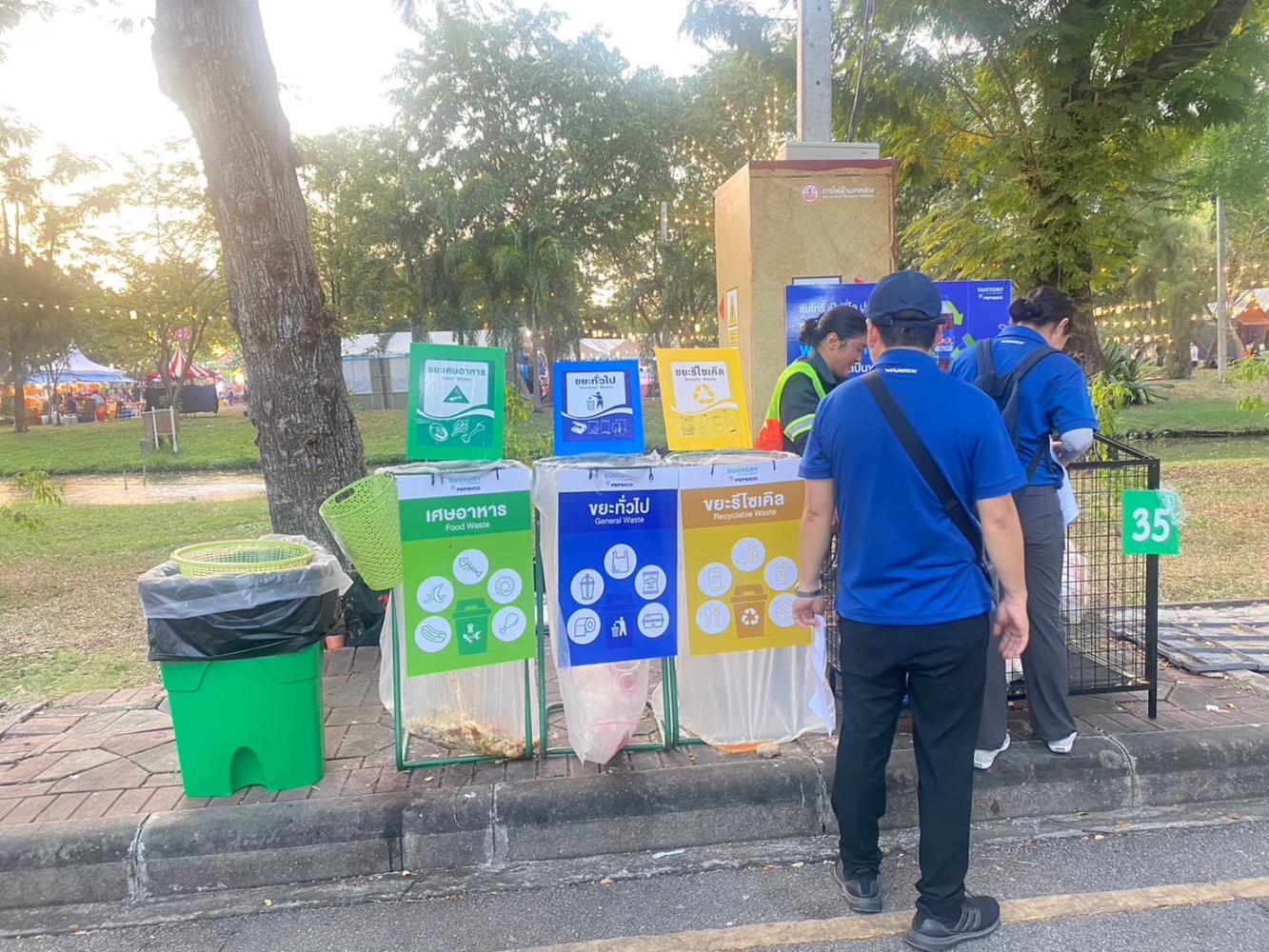
Tackle food waste, curb pollution
Oped, Edel S. Garingan, Published on 24/03/2026
» Climate change and air pollution are not driven by carbon dioxide alone. To address global warming, we must also address extremely powerful pollutants like methane, which has the capacity to trap heat in the atmosphere far more effectively than carbon dioxide over a short period of time.

Diversification key to surviving volatility
Oped, Sally Tyler, Published on 13/03/2026
» On the day I am writing this editorial, I was meant to be travelling to Bangkok for one of my periodic visits to a city I have grown to love. I am always keen to shave off a few hours from a long-haul flight, which means the shortest flight path from my home in Washington, DC, would take me through Abu Dhabi, but my flight was cancelled like thousands of others due to the ongoing conflict in the Mideast. My inconvenience is nothing compared to the destruction endured by those on the ground, but it illustrates the expanding global impact of the US/Israel/Iran War.
Preparing for AI-enabled bioweapons
Oped, Sania Nishtar, Published on 11/03/2026
» We don't know when the next epidemic or pandemic will hit, or where the next infectious threat will emerge. But we do know that the nature of the threat is constantly evolving. One of the most sobering takeaways from this year's Munich Security Conference was that AI-enabled gene editing has radically lowered the barrier to developing genetically engineered bioweapons. We must prepare to live with even deeper uncertainty about whether emerging infectious threats are natural or man-made, and whether they have been accidentally or deliberately released.
Time for region to double down on green energy
Oped, Lidy Nacpil, Published on 06/03/2026
» The escalating instability in the Middle East has sent shockwaves through global energy markets, forcing Southeast Asian nations into a precarious position. While the region has made significant pledges to transition toward renewables, the threat of interrupted gas supplies and surging LNG prices is creating a dangerous incentive to prioritise immediate energy security over long-term climate goals.

Students need learning exemplars
Oped, Mariano Miguel Carrera, Published on 05/03/2026
» Recently, a student mentioned feeling unheard while giving a presentation because the teacher was on the phone. I smiled and, at first, thought that she might realise that is how teachers feel when students are on their devices, scrolling through social media or playing games in class.

Unlocking Thai competitiveness
Oped, Kiratipong Naewmalee & Phumjit Sri-Udomkajorn, Published on 25/02/2026
» Regulatory reform is an urgent priority in restoring growth to Thailand's emerging economy. Rigid rules and excessive red tape have become significant structural barriers to private sector development. Evidence from several key industries demonstrates that outdated, fragmented legislation continues to constrain competitiveness.

EC is losing public trust
Oped, Editorial, Published on 18/02/2026
» If any good has come from the performance of the Election Commission (EC) following the Feb 8 election, it is this: the organisation has exposed the top-down "mandarin" culture of the Thai bureaucracy, where officials act as regulators of the people rather than their servants.
Nato 1.0 is dead. Long live Nato 2.0
News, Gwynne Dyer, Published on 17/02/2026
» Every year about this time, the North Atlantic Treaty Organisation (Nato), the world's most powerful alliance for the past 77 years, holds a conference in Munich to examine its state of health.
Emerging markets stand strong
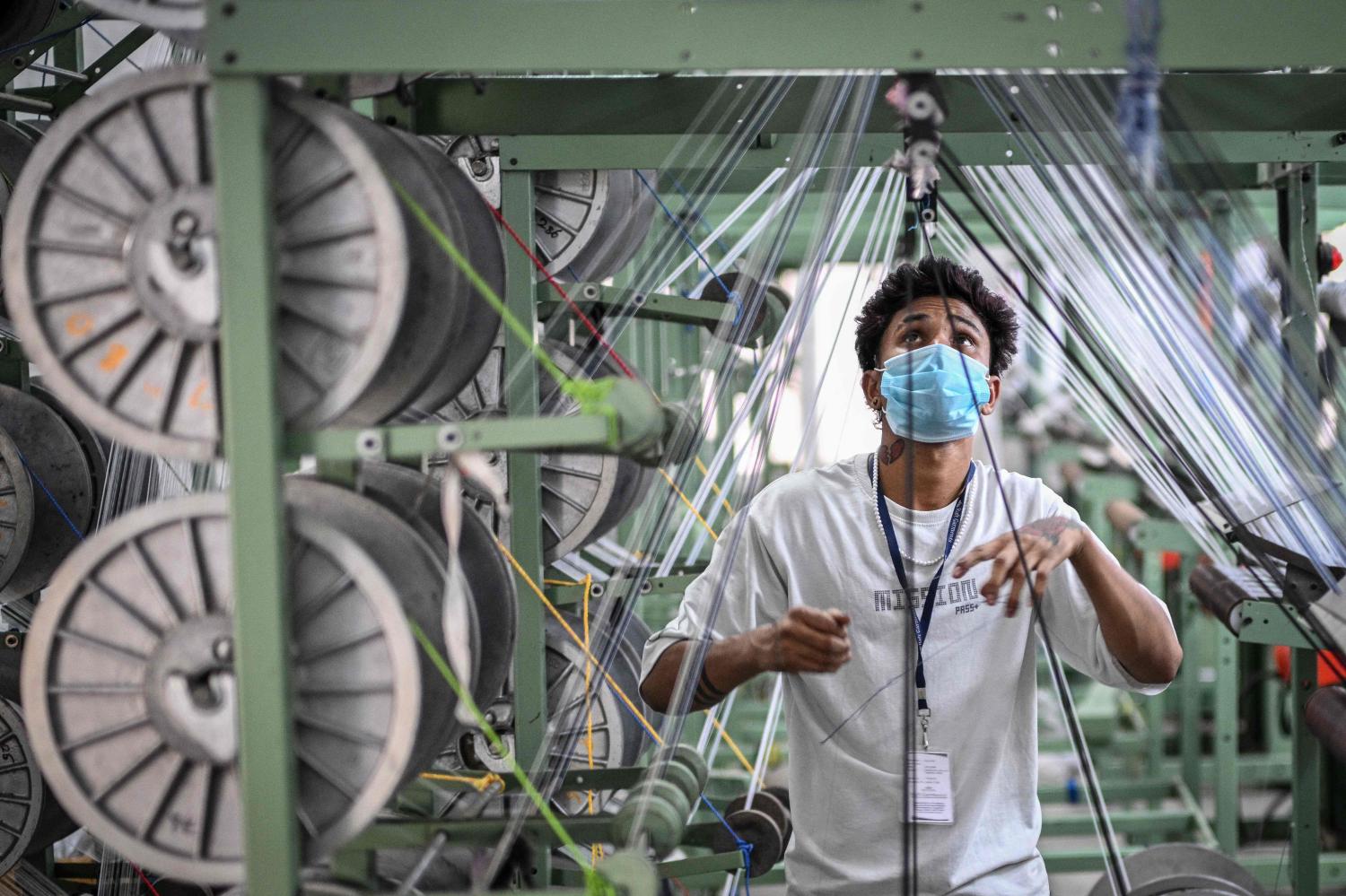
Oped, Kristalina Georgieva and Mohammed Al-Jadaan, Published on 12/02/2026
» It used to be that when advanced economies sneezed, emerging markets caught a cold. That is no longer true. Following recent global shocks, such as the post-pandemic inflation surge and a new wave of tariffs, emerging markets have held up well. Inflation has continued to slow, currencies have generally retained their value, and debt issuance costs have remained at manageable levels. There has been no sign of the kind of financial turbulence that came with past economic shocks.
Reinvent Thailand to revive growth
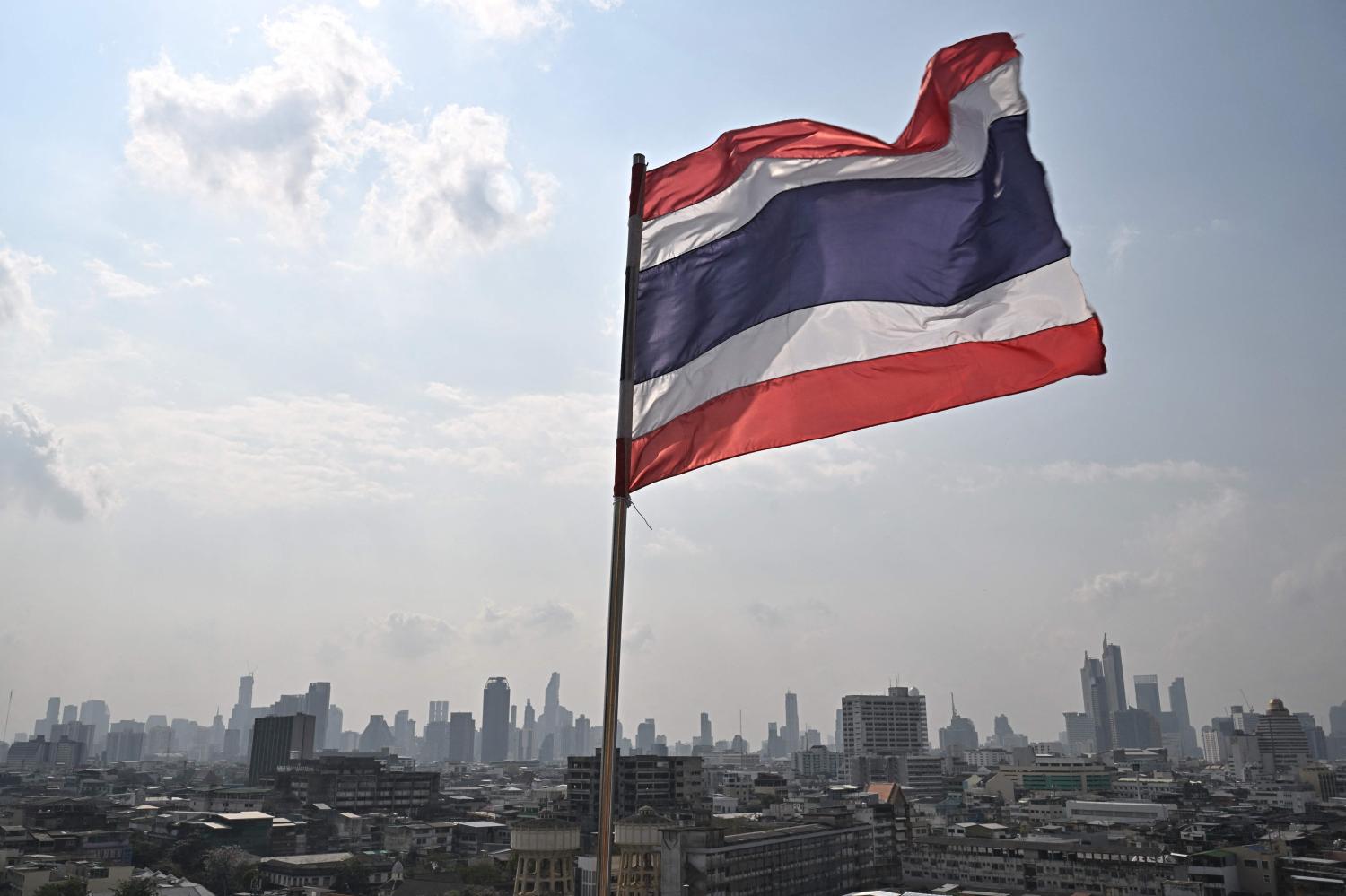
Oped, Boonwara Sumano, Published on 11/02/2026
» In the 1990s, Thailand ranked second in Asean for state performance, behind only Singapore. Today, we trail several neighbours. This decline has unfolded gradually over three decades -- through repeated economic crises, institutional stagnation, and reforms that never quite went far enough. What is different today is that the cost of inaction has become far more dangerous.