




Showing 1 - 10 of 1,364

Laws must unlock food waste value
News, Chanisara Dumkum & Theerat Dejitikul, Published on 08/04/2026
» Thailand has been throwing away food on a massive scale. Yet much of what ends up in the bin could have been used to feed people, animals, or even generate energy. The question is what needs to be done. To find a proper solution, we must acknowledge a hard fact: waste is not the problem in itself. The real issue lies in the system that manages it.
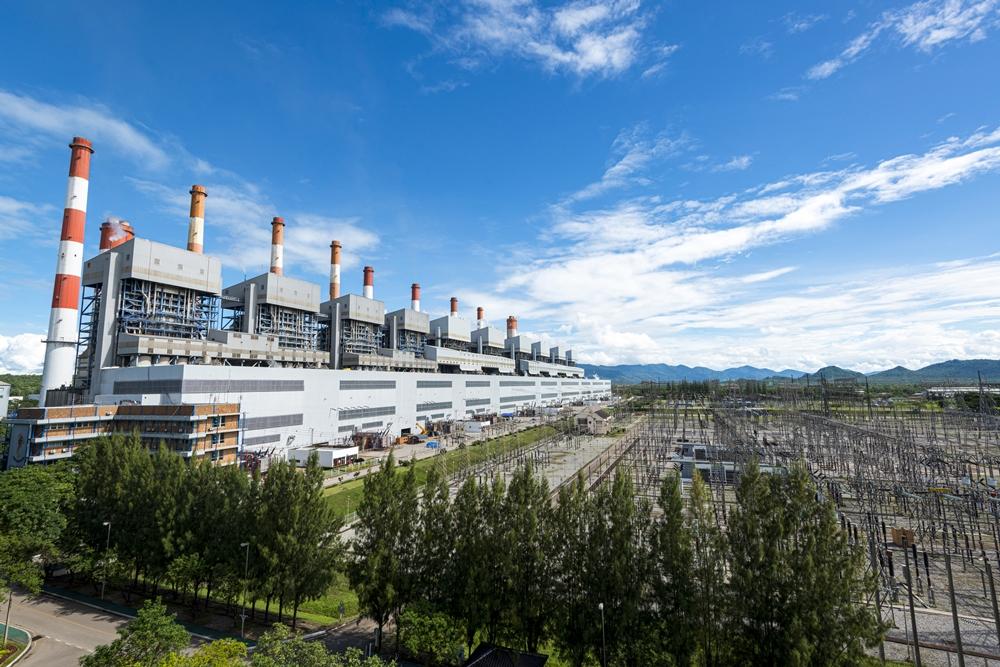
Urgent push for fair climate finance
Oped, Sarinee Achavanuntakul, Published on 01/04/2026
» Ever more visible, the various impacts from climate change are eroding both Thailand's economic competitiveness and the livelihoods of its people: season by season, in heat waves that flatten productivity, floods that swallow farmland, and coastal erosion that is slowly reclaiming communities.

Fuel reform now
Oped, Postbag, Published on 01/04/2026
» Re: "PM apology a good start," (Editorial, March 30).

Flyover bridge sparks backlash
Editorial, Published on 29/03/2026
» A controversial flyover bridge in Ta Phraya district of Sa Kaeo attests to the fact state authorities have taken little, if any, account of the law requiring public participation in development projects before permits are granted.
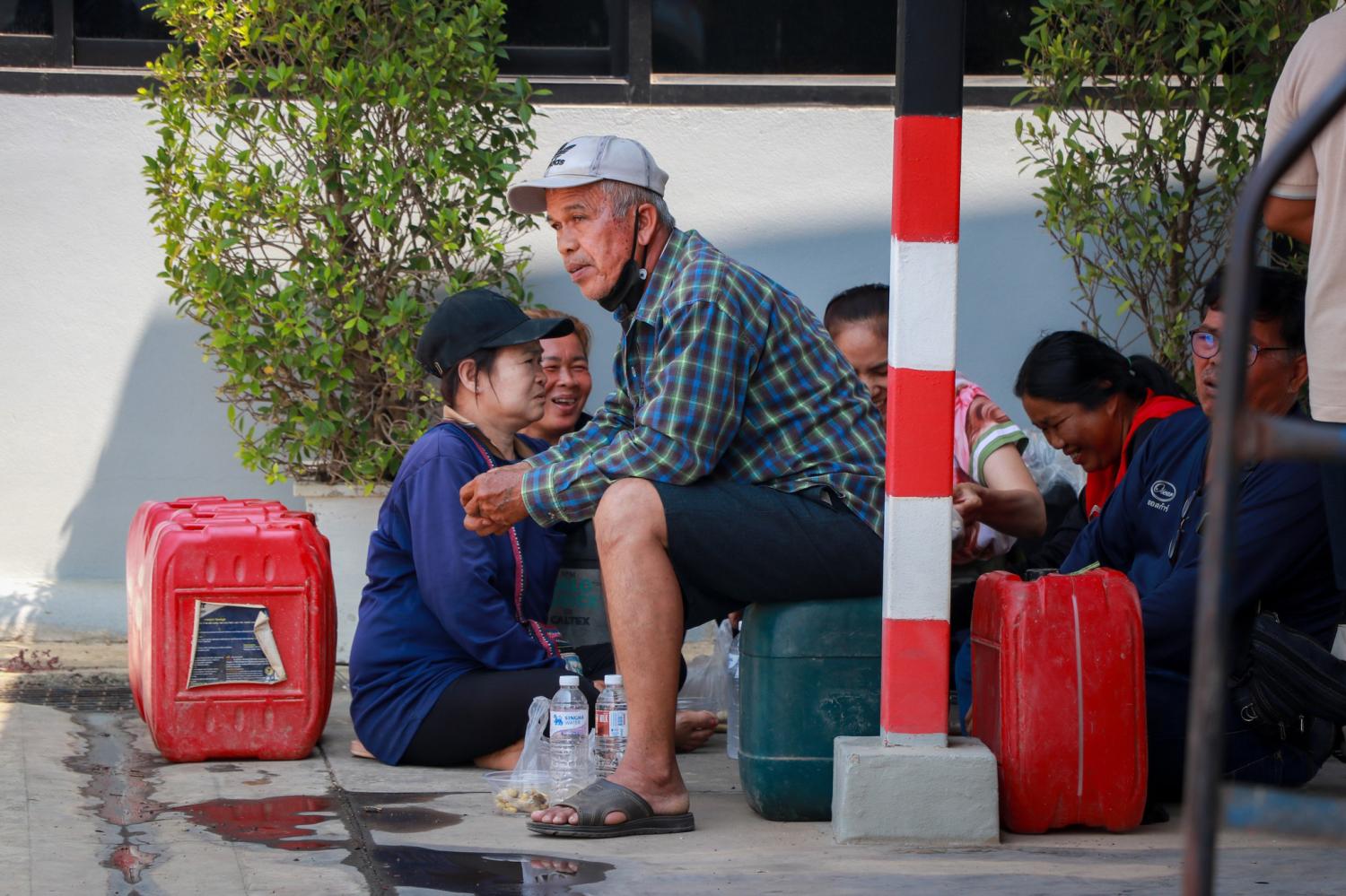
PM's crisis-coping skills again in doubt
Oped, Nattaya Chetchotiros, Published on 26/03/2026
» A joint military attack on Iran by the United States and Israel appears to have had a profound political impact on the Anutin government. Prime Minister Anutin Charnvirakul and his ministers have come under heavy criticism from the public and commentators alike for what is widely seen as a failure to handle the oil supply situation effectively.
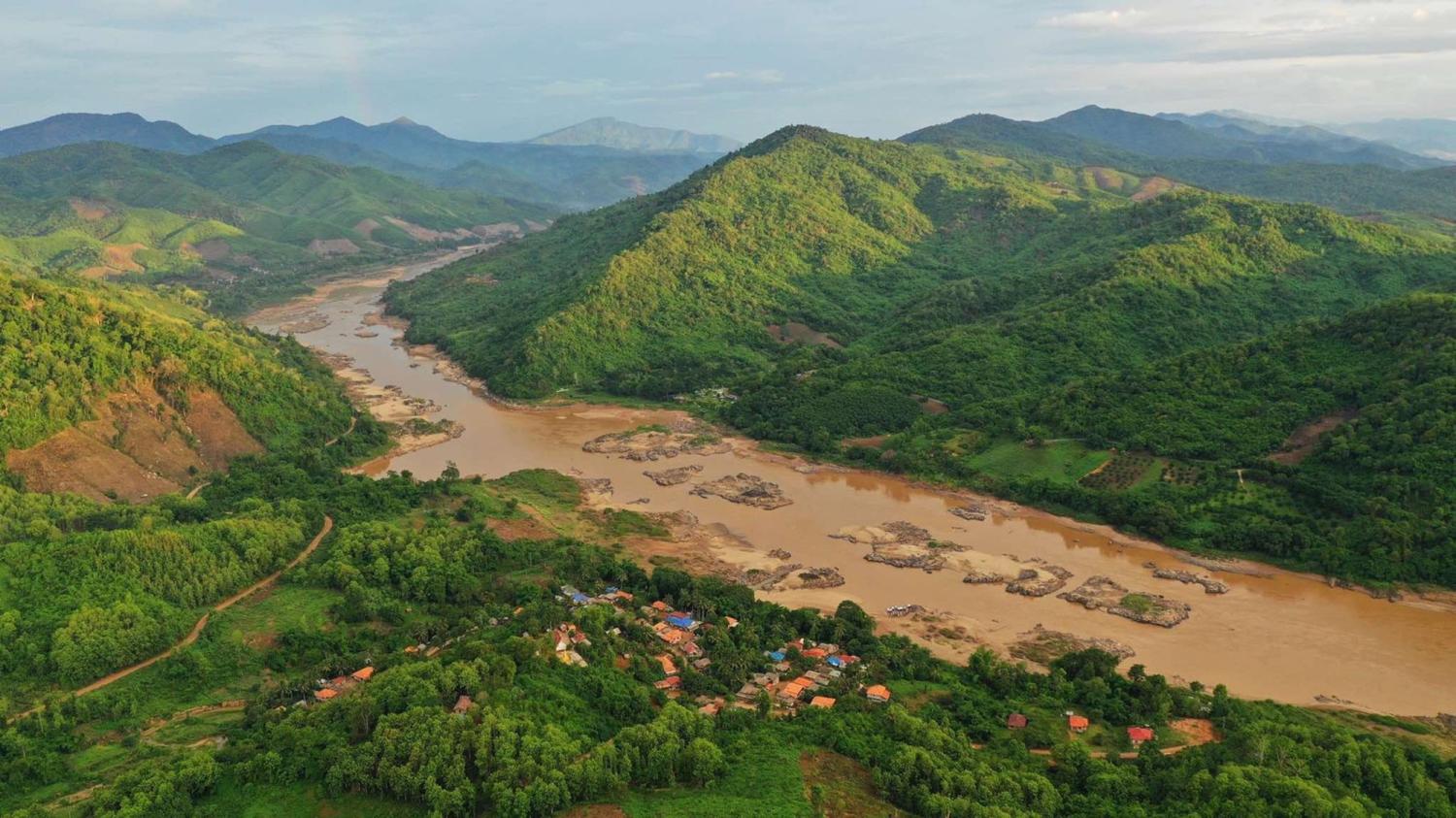
Power rivalry heats up Mekong region
Oped, Kavi Chongkittavorn, Published on 24/03/2026
» The Thai saying, maenam maimee promdan (rivers have no boundaries), fittingly applies to the mighty Mekong River, known in China as the Lancang.
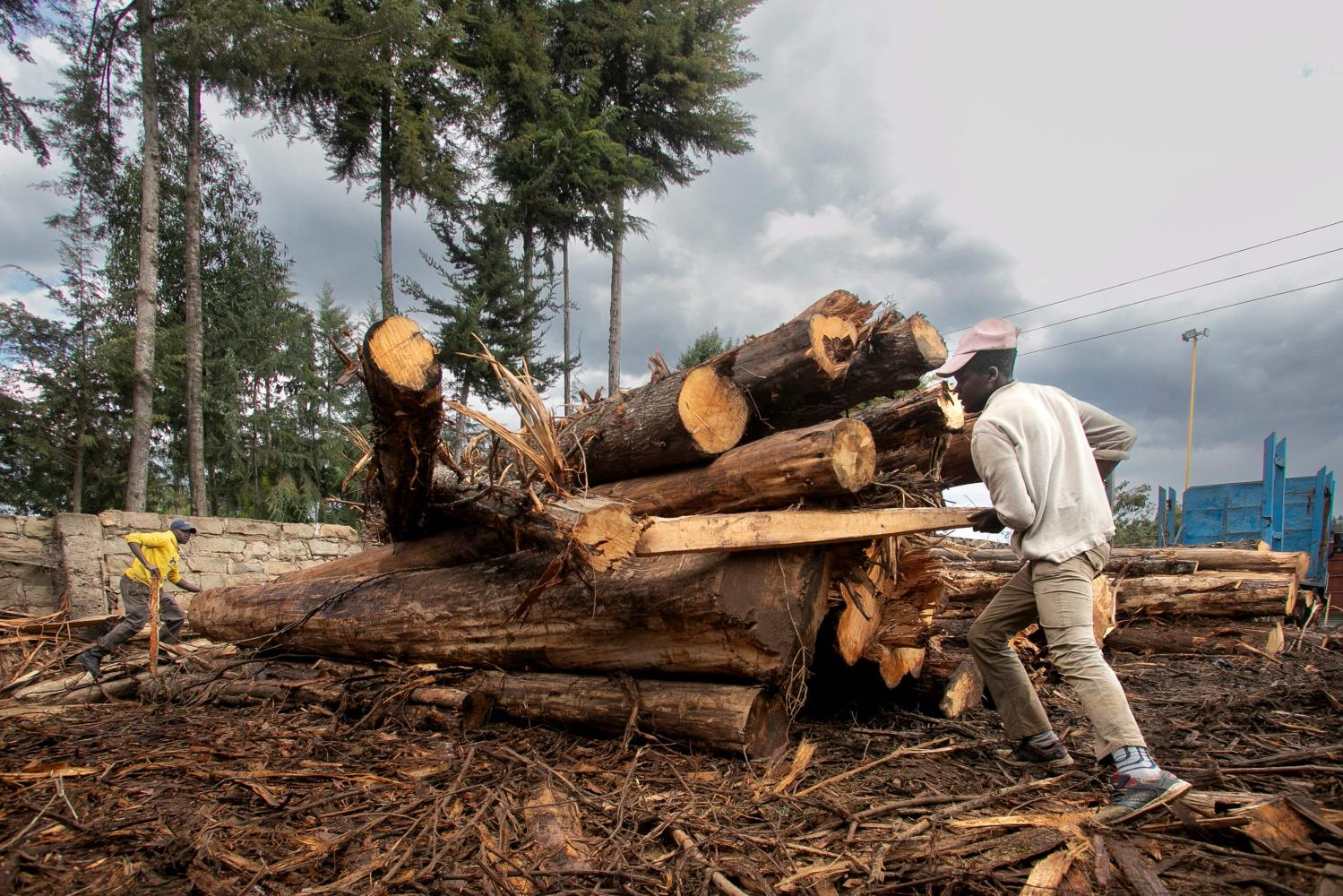
The economy depends on forests
Oped, Zhimin Wu, Published on 23/03/2026
» Money may not grow on trees, but much of our prosperity does.

Start from home
Oped, Postbag, Published on 23/03/2026
» Re: "Can we design universal access to compassion?", (Opinion, March 19).

Forest fire policy fuels haze
Editorial, Published on 22/03/2026
» Each dry season, the toxic haze returns with forest fires. So does the crackdown in which forests are sealed, burning is banned, and villagers become suspects.

The fire this time is for US climate science
Oped, Gwynne Dyer, Published on 18/03/2026
» In 1953 Ray Bradbury, an American writer, published a book entitled simply Fahrenheit 451. It was a novel about an American fireman in a not-too-distant future who realised that he was doing his job all wrong -- because his job was to burn books, which were banned in that future America. (451°F is the temperature at which paper catches fire.)