



Showing 1 - 10 of 146

Why safe havens unexpectedly drop
News, Helen Jewell, Published on 28/03/2026
» Geopolitical shocks often don't move markets the way intuition suggests, as investors raise cash first and ask questions later.
Time for region to double down on green energy
Oped, Lidy Nacpil, Published on 06/03/2026
» The escalating instability in the Middle East has sent shockwaves through global energy markets, forcing Southeast Asian nations into a precarious position. While the region has made significant pledges to transition toward renewables, the threat of interrupted gas supplies and surging LNG prices is creating a dangerous incentive to prioritise immediate energy security over long-term climate goals.
Surviving the collapse of the population
Oped, Gwynne Dyer, Published on 13/02/2026
» 'To them that hath shall [more] be given" is generally a reliable guide, especially in economic matters, but it doesn't work if the beneficiaries are too stupid to take advantage of the gift. The scarce and precious commodity in this case being people, who are in increasingly short supply.
Emerging markets stand strong
Oped, Kristalina Georgieva and Mohammed Al-Jadaan, Published on 12/02/2026
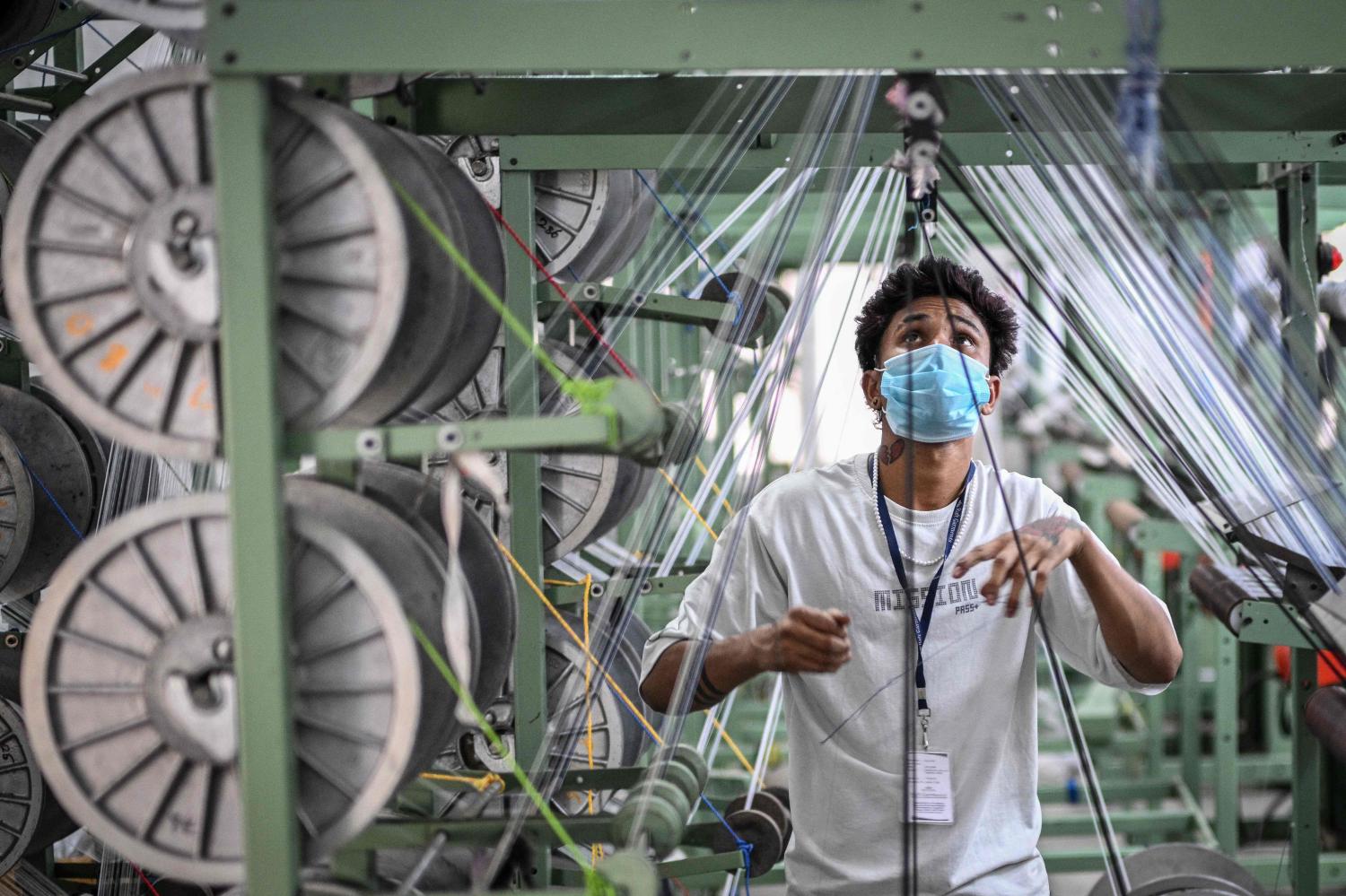
» It used to be that when advanced economies sneezed, emerging markets caught a cold. That is no longer true. Following recent global shocks, such as the post-pandemic inflation surge and a new wave of tariffs, emerging markets have held up well. Inflation has continued to slow, currencies have generally retained their value, and debt issuance costs have remained at manageable levels. There has been no sign of the kind of financial turbulence that came with past economic shocks.

Politics at the border
Oped, Editorial, Published on 06/02/2026
» Amid a fierce election campaign, Bhumjaithai -- once a mid-sized party -- has ridden a wave of nationalism, becoming a force to be reckoned with in Sunday's poll.

Hedgehoppers in search of good news
Roger Crutchley, Published on 01/02/2026
» Being the very first day of February it would have been nice if there was some good news worth celebrating, but unfortunately nothing immediately springs to mind. Cheerful news is an increasingly rare commodity these days. It all seems to be gloom and doom and hardly portends a joyful 2026. It can get a bit wearying grappling with news reports featuring contradictions, cover-ups and cock-ups, often accompanied by half-truths, prevarications and porky pies. But this is the world we now live in.

Ice obsession - the Thai way of drinking
Petprakai Hansiri, Published on 04/01/2026
» Ice cubes are integral to Thai life, an essential, their use ingrained in daily habits, but this ice obsession is rarely viewed through the same lens by outsiders, who see its presence in almost every beverage as peculiar.

New tech disrupts global order
Oped, Mark Blyth & Daniel Driscoll, Published on 18/11/2025
» News media tend to focus on the world's major powers because they command more resources by dint of their relatively larger economies, militaries and energy endowments. But there are costs to such dominance. For example, a single American Gerald R Ford-class aircraft carrier costs $13 billion (421.6 billion baht), while the F-35 fighter jet costs about $100 million. So, if you can build your military equipment for less than your opponent, you can gain a strategic advantage.
Why climate finance is no longer enough
Oped, Laura Carvalho, Published on 11/11/2025
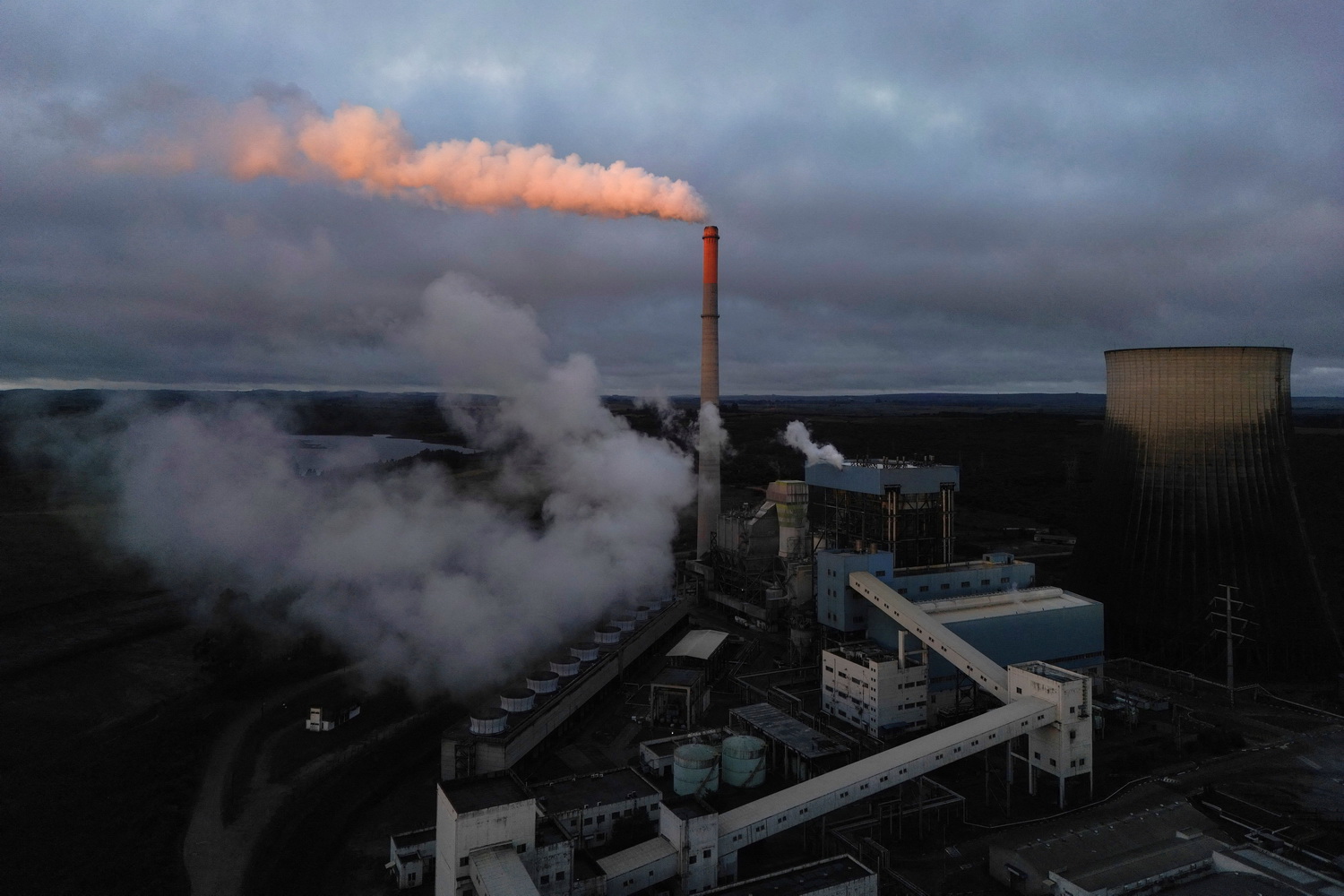
» With the UN Climate Conference (COP30) in Belém, Brazil, kicking off, it is clear that the world's widely shared commitment to a just energy transition is falling by the wayside. In the year since governments signed on to the agreement at COP29 to scale up climate finance -- with a goal of mobilising $1.3 trillion (42 trillion baht) annually by 2035 -- wealthy countries have been retreating from their pledges. Worse, these signs of bad faith are coming just as the costs of climate adaptation and decarbonisation in developing countries are mounting.
Commodities nearing super cycle
News, Taosha Wang, Published on 22/09/2025
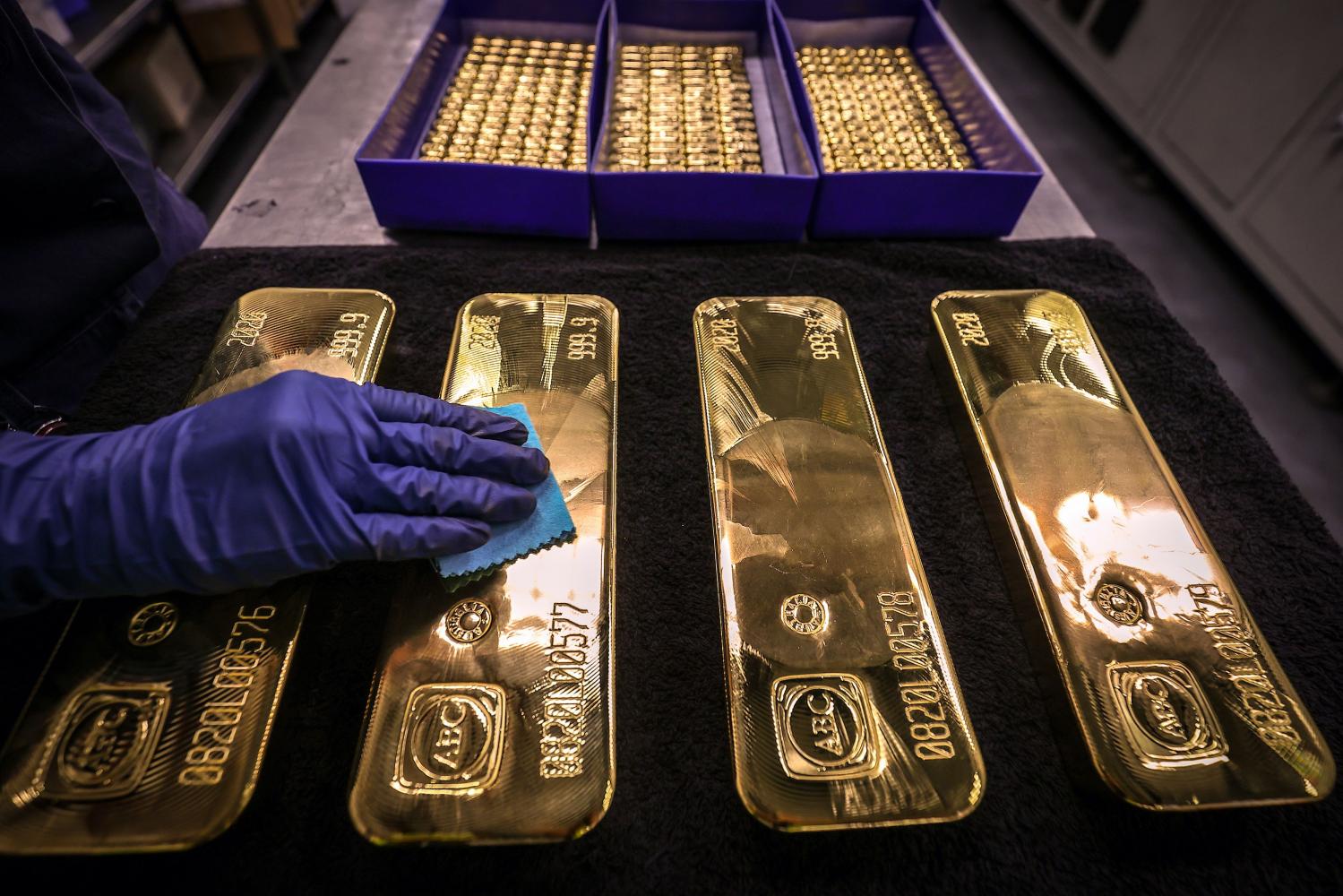
» Commodities have had a rough decade, but a confluence of structural factors suggests that after years of underinvestment, the stage may be set for the next super cycle.