




Showing 1 - 10 of 2,384

It's a revenue grab
Oped, Postbag, Published on 09/04/2026
» Re: "Thailand plans mandatory accident insurance for foreign visitors", (Business, April 8).
Iran's water weapon against Gulf
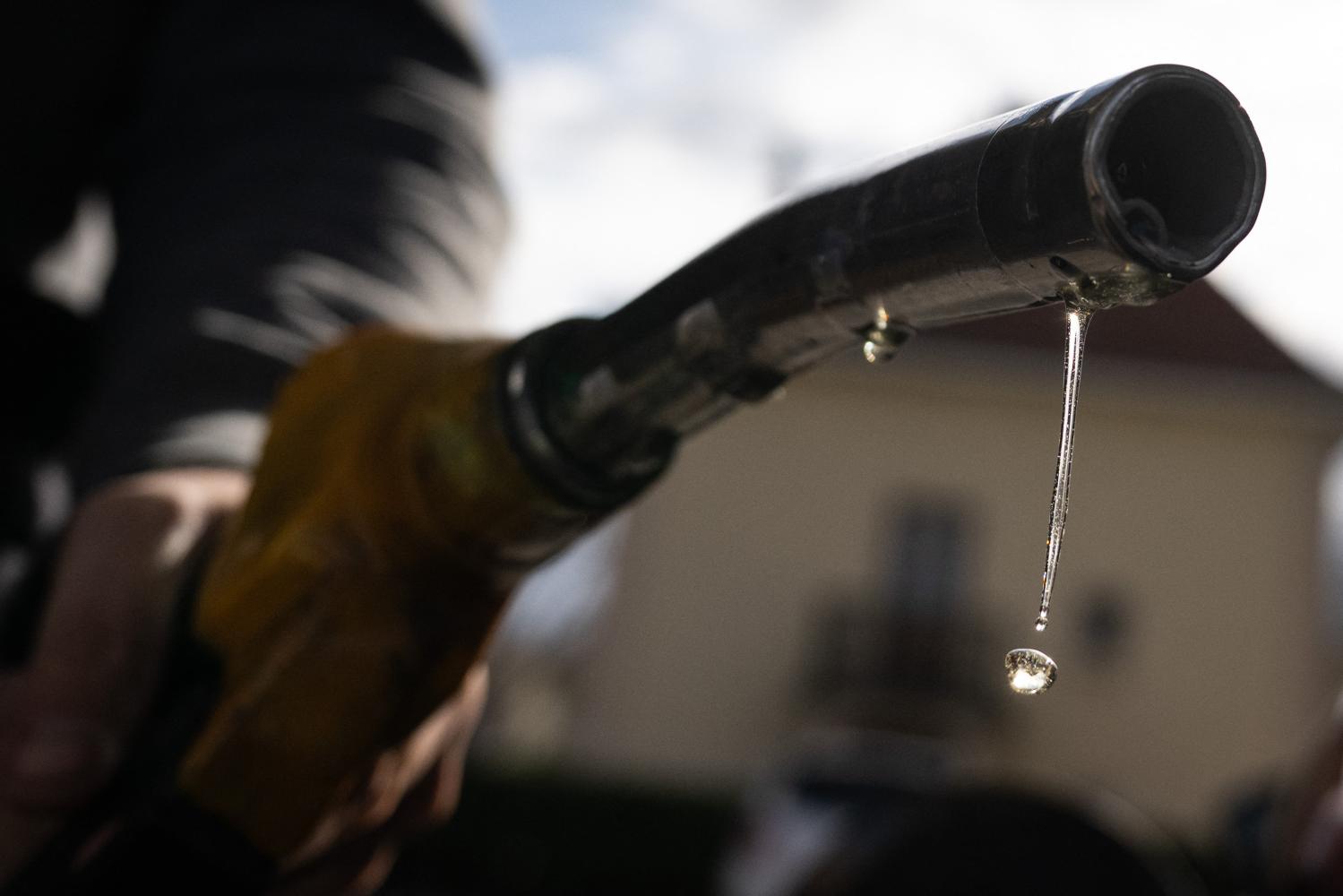
Oped, Michael Christopher Low, Published on 07/04/2026
» The oil-rich monarchies of the Persian Gulf are often described as petrostates. But the US-Israeli war with Iran has highlighted that they are also saltwater kingdoms, societies whose survival depends on desalination, or converting seawater into potable water at industrial scale.
Conflicts of interest worsen crisis
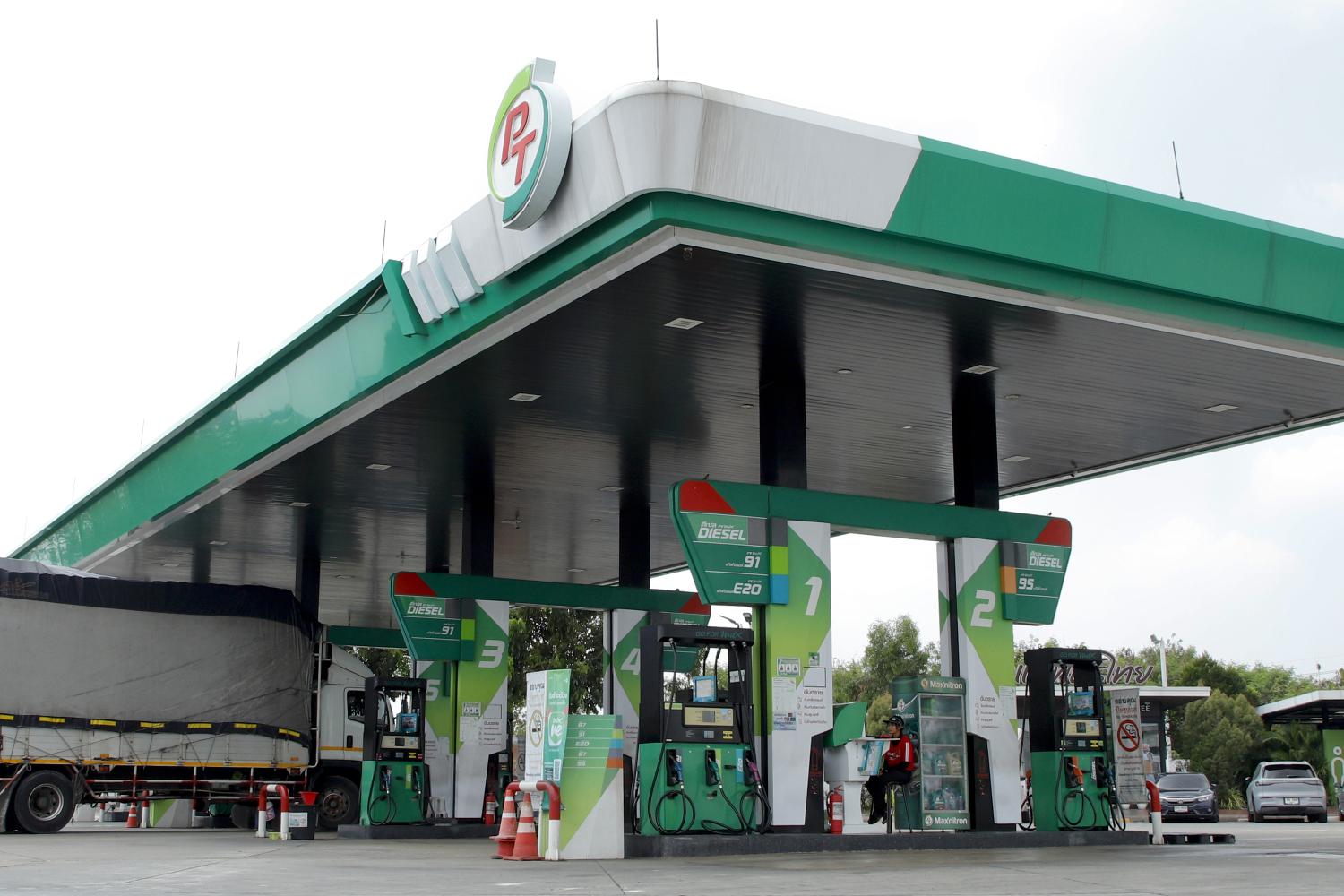
News, Veera Prateepchaikul, Published on 06/04/2026
» Transport Minister Phiphat Ratchakitprakarn's resignation as head of the committee handling the oil crisis caused by the war in the Middle East has spared him from public criticism over a potential conflict of interest linked to his family's oil trading business.

Co-pay scheme misses mark
Editorial, Published on 05/04/2026
» A newly elected government following through on its campaign promises is usually a cause for praise. However, the Anutin Charnvirakul administration's vow to resurrect its flagship "Khon La Khrueng Plus" or Half-and-Half co-payment scheme is instead being met with trepidation.

Save Dutch embassy
Postbag, Published on 04/04/2026
» Re: "City's green spaces losing ground", (Opinion, March 30).
Trump's threat to exit Nato forces rethink
News, Gwynne Dyer, Published on 04/04/2026
» As Washington abandons the transatlantic pact following an unprovoked attack on Iran, Europe must prepare for a future without US security guarantees.

Tackle smog in North
Oped, Editorial, Published on 02/04/2026
» On Monday, Chiang Mai was ranked the world's most polluted major city, according to the Air Quality Index (AQI) compiled by a Swiss air-monitoring firm.

Fuel-saving ideas
Oped, Postbag, Published on 02/04/2026
» Re: "PM apologises for fuel 'chaos'", (BP, March 28).

Oil post draws fire
Oped, Editorial, Published on 01/04/2026
» After a month of ham-fisted oil crisis management, Prime Minister Anutin Charnvirakul appears to be moving in the right direction.
The silent engines of Asean realism
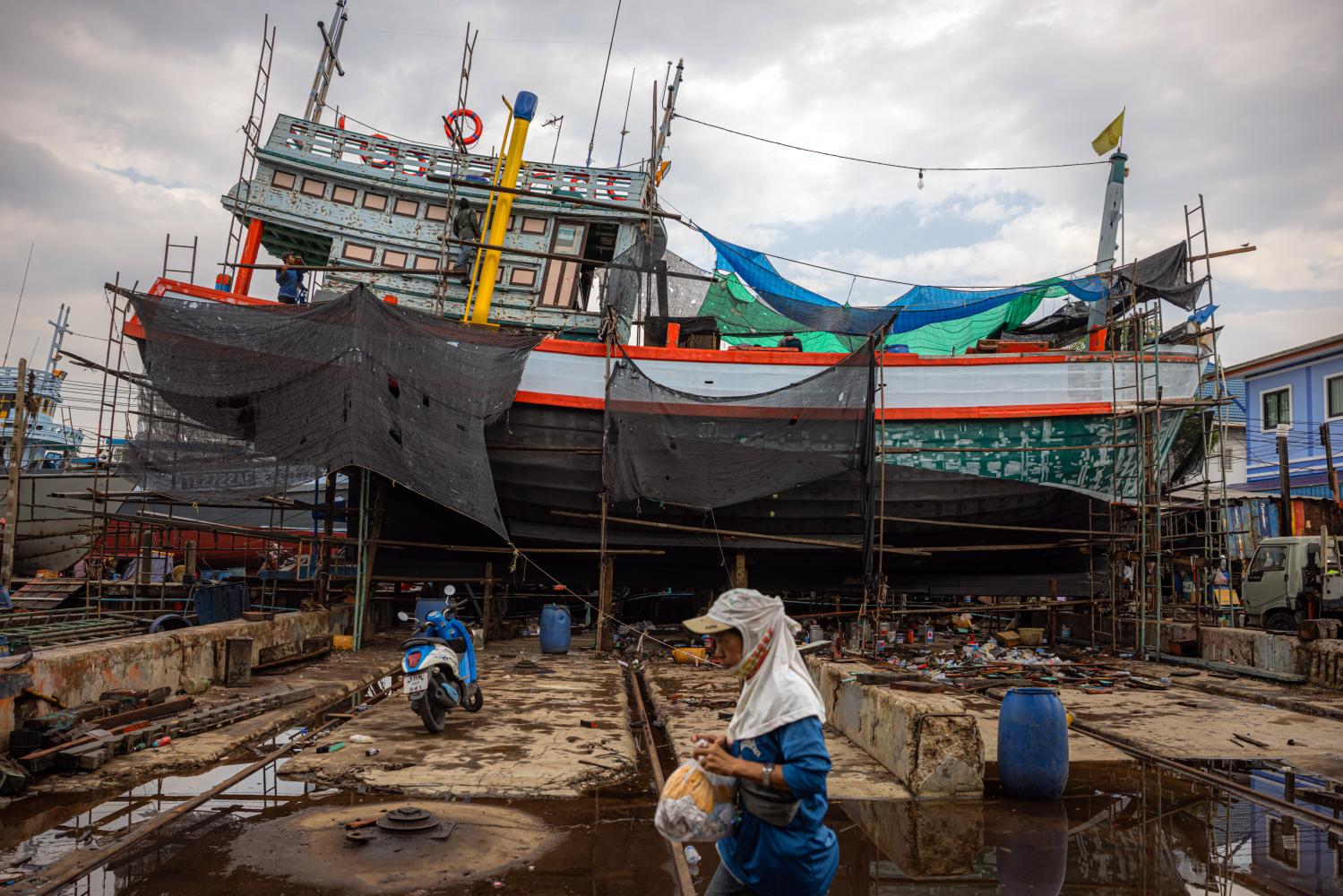
Oped, Imran Khalid, Published on 30/03/2026
» The global economy is currently tackling what may be the most significant energy disruption since the 1970s. The effective throttling of the Strait of Hormuz -- now seeded with Iranian Maham mines and subject to a tense, IRGC-monitored tolling system -- has physically severed the energy arteries that sustain the industrial heart of Southeast Asia.