



Showing 1 - 6 of 6
Environment on the up as world prospers
Oped, Bjorn Lomborg, Published on 22/04/2025
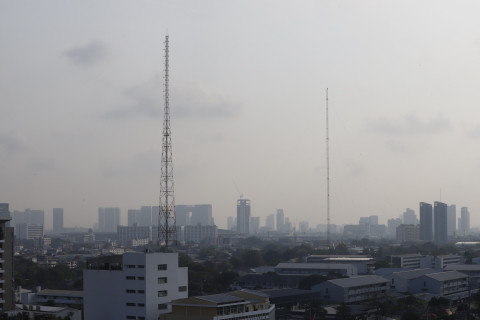
» As we celebrate Earth Day today, it's tempting to believe that the world is on the brink of environmental collapse. We are constantly inundated by dire predictions of climate catastrophe and warnings about the planet's imminent destruction. But this is misleading. Rather than panic, we should take a moment to appreciate the remarkable progress we've made in improving the environment -- and acknowledge that a key factor is prosperity.
The unheralded Bronx teens behind 'breaking'
Oped, Thomas Guzman-Sanchez, Published on 10/08/2024
» The Olympians competing in the inaugural breaking exhibition event at the Paris Games are sure to perform incredible feats of acrobatics while music plays. But you won't catch them doing actual rhythmic dance outside of a few shuffle steps.
India election fuels nationalist sentiments
Oped, Gwynne Dyer, Published on 19/04/2024
» Extreme nationalism always looks foolish or even deranged to those who have not caught the virus, but in India it's now official.
Mexico's cart ban marks generic shift
Oped, Aldo Solano Rojas, Published on 25/06/2022
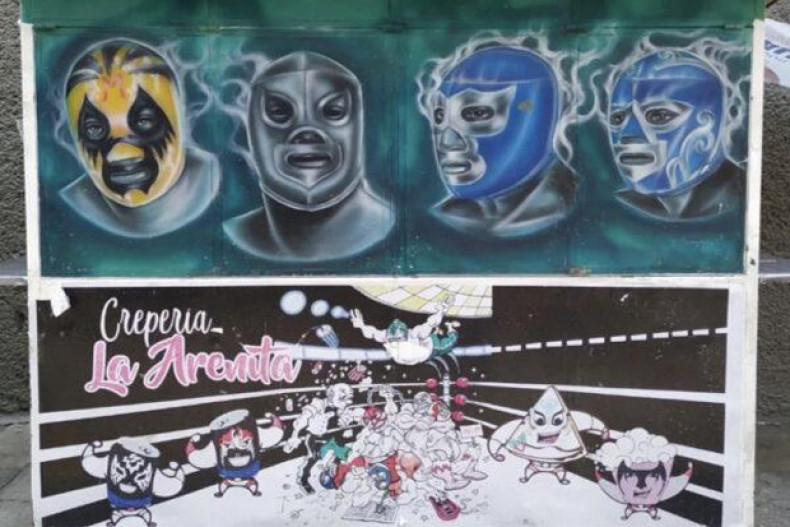
» In April, the government of Mexico City's central Cuauhtémoc alcaldía, or borough, mandated that all its rótulos -- the hand-painted signs decorating street vendors' kiosks -- be erased.

Dangerous situation
Oped, Postbag, Published on 04/08/2021
» Re: "Ministry insists all medics will get Pfizer", (BP, Aug 3).

A silly syllabus
Oped, Postbag, Published on 04/11/2020
» Former Education Minister Somsak Prissananantakul favours providing students with a better understanding of history (BP, Nov 3), so long as a process known as chamra prawattisat be undertaken, in which academics with differing opinions come together to agree on a standard interpretation. This proposal sums up much of what is wrong with Thai education, and perhaps Thai culture as well. Why have a standard interpretation of history? So it can be crammed down students' throats for later regurgitation on command? History is like a photograph. It captures events from a specific angle, with a specific depth of field, and perhaps through various filters. Why not expose students to multiple interpretations and let them, through discussion, identify the biases in each and, in the process, develop critical thinking skills?