



Showing 1 - 10 of 444
Emerging markets stand strong
Oped, Kristalina Georgieva and Mohammed Al-Jadaan, Published on 12/02/2026
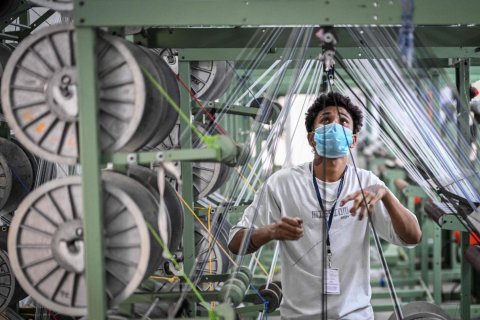
» It used to be that when advanced economies sneezed, emerging markets caught a cold. That is no longer true. Following recent global shocks, such as the post-pandemic inflation surge and a new wave of tariffs, emerging markets have held up well. Inflation has continued to slow, currencies have generally retained their value, and debt issuance costs have remained at manageable levels. There has been no sign of the kind of financial turbulence that came with past economic shocks.

Shaping Thailand's tourism future
Oped, Kulit Kiartsritara, Published on 22/01/2026
» The era of volume is dead. The next decade of Thai tourism will and must be shaped not by the number of arrivals, but by the economic value generated by those arrivals.

EU's carbon challenge
Oped, Editorial, Published on 01/01/2026
» From today, exporters of five types of products to the European Union must comply with the bloc's Carbon Border Adjustment Mechanism (CBAM).
'Land bridge' will harm nature
Oped, Kitichate Sridith, Published on 31/12/2025
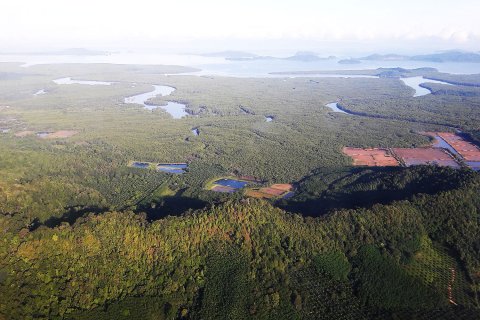
» The end of 2025 brought Thais the good news that one of the world's most endangered felines -- the flat-headed cat -- has not gone extinct in our nation, as had long been feared. But our natural heritage is under relentless pressure. We need to treat our habitats, flora and fauna as assets that demand science-led protection.
Phasing out coal makes economic sense
Oped, Rapeepat Ingkasit, Published on 24/12/2025
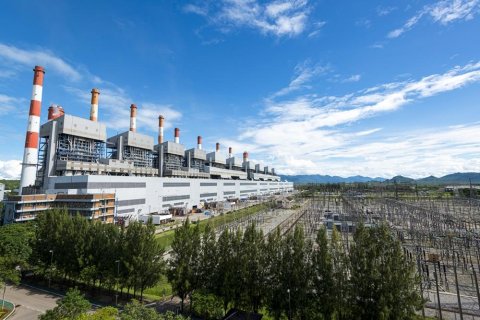
» Thailand's recent update to its Nationally Determined Contribution (NDC 3.0) was met with polite applause from diplomatic circles and global communities. By finally aligning the national net-zero target with the mid-century goals of our neighbours, the kingdom appears to be getting back on track.
A lesson in geoengineering for grown-ups
Oped, Gwynne Dyer, Published on 18/12/2025
» A few days ago the European Union's Earth Observation programme, "Copernicus", made a special announcement at the end of its monthly report on the state of the climate. It said that the average global temperature for the past three years (2023-2025) has been 1.5 degrees Celsius above the pre-industrial level. That's the level we were warned that we must never exceed.
Trade conflicts destroy the planet
Oped, Qiyuan Xu, Published on 12/12/2025
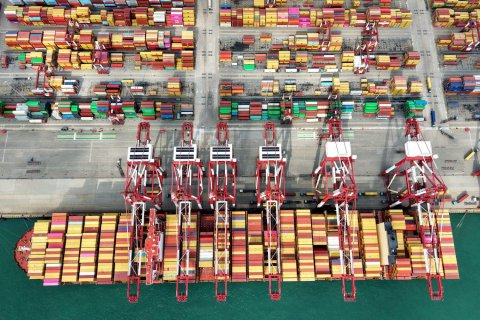
» Tariff wars are often justified as necessary to protect or reshore manufacturing jobs and to improve national security. But, according to new research, these conflicts produce another outcome that is largely overlooked: pollution. When global supply chains are forced into inefficient detours, carbon dioxide emissions rise.
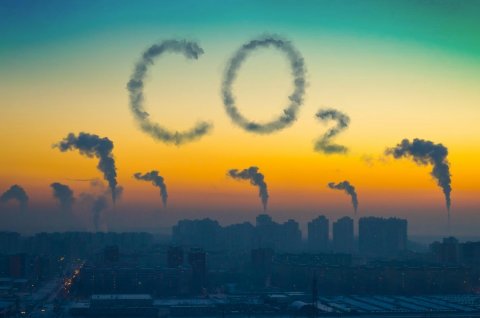
Let us link our carbon markets
Oped, Xue Song, Published on 08/12/2025
» With CBAM set to cost the region billions from 2026, an Asia-led carbon corridor could turn that threat into a lasting climate and strategic advantage.
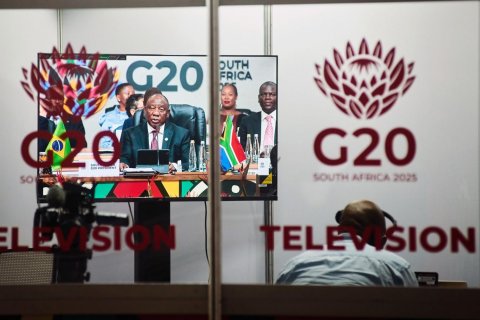
How G20 can help curb inequality
Oped, Jayati Ghosh, Published on 01/12/2025
» This month's G20 Summit in Johannesburg marked several historic firsts. For starters, it was the group's first-ever summit in Africa, and the first to include the African Union as a full-fledged member. It also set less encouraging precedents: it was the first meeting boycotted by a key founding member -- the United States -- on spurious grounds, and the first in which that same country tried to prevent the host from issuing a final declaration. Equally unprecedented was South Africa's decision to ignore the American threat and issue one anyway.

New tech disrupts global order
Oped, Mark Blyth & Daniel Driscoll, Published on 18/11/2025
» News media tend to focus on the world's major powers because they command more resources by dint of their relatively larger economies, militaries and energy endowments. But there are costs to such dominance. For example, a single American Gerald R Ford-class aircraft carrier costs $13 billion (421.6 billion baht), while the F-35 fighter jet costs about $100 million. So, if you can build your military equipment for less than your opponent, you can gain a strategic advantage.