



Showing 1 - 10 of 36
Kingdom of Denmark vs the Shadow Fleet
News, Gwynne Dyer, Published on 25/10/2025
» Back in the 16th and 17th centuries, two-thirds of the Danish kingdom's income came from taxes paid by every ship passing through the Øresund ('The Sound') Strait, the only exit from the Baltic Sea. Each ship had to declare its cargo -- and if the Danes thought they were undervaluing it, Denmark had the right to buy it at the declared price.
UN picks rights council members with bad records
Oped, John J Metzler, Published on 23/10/2025
» In a ritual of near-farcical folly, the UN General Assembly has elected 14 new members to join the Geneva-based Human Rights Council on Oct 15.
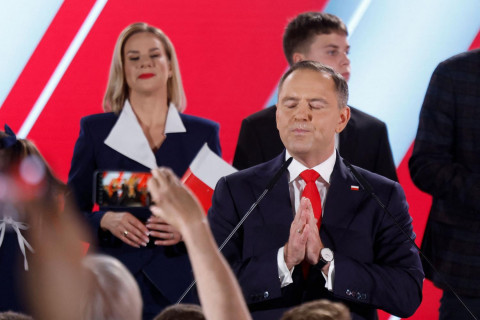
Forgetting what democracy is for and all about
Oped, Antara Haldar, Published on 10/07/2025
» On June 2, I got a sense of history coming full circle in the Polish town of Sopot, on the Baltic Sea just a few kilometres from the Gdańsk Shipyard. Sharing a stage at the Plenary Session of the European Financial Congress with Lech Wałęsa, the legendary trade unionist who led the 1980 Solidarity strike at the Lenin Shipyard and later became Poland's first post-communist president, I felt I was witnessing the end of an era.
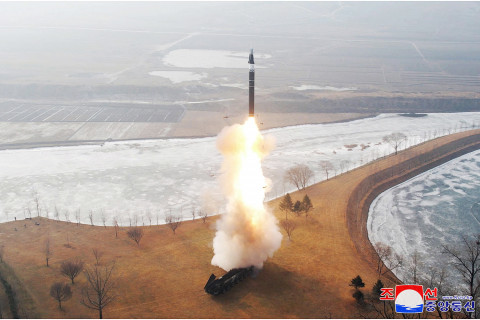
Breaking the silence over North Korea
Oped, John J Metzler, Published on 29/05/2025
» Speaking out to break the information barrier inside the North Korean dictatorship is in itself nothing new, and usually quickly forgotten. North Korean exiles, friendly governments, and humanitarian organisations periodically raise the oft-forsaken banner of human rights, only to be confronted by realpolitik through another round of North Korean missile launches or nuclear proliferation.
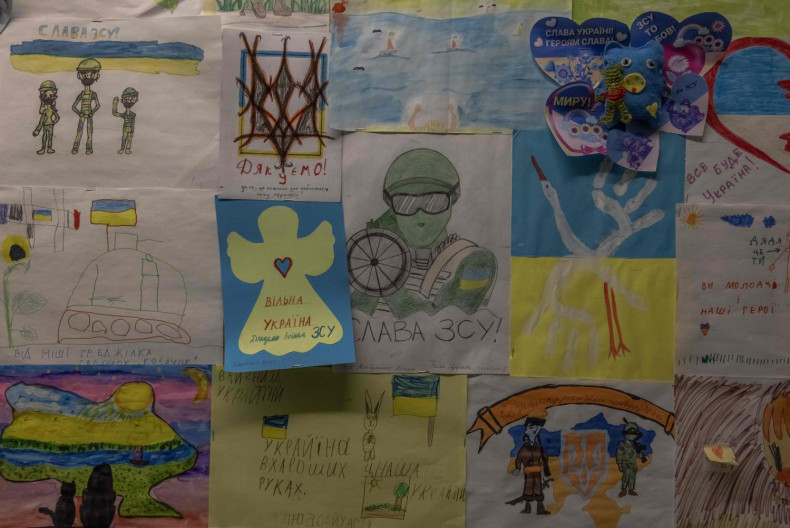
The effects of Trump's Ukraine deal
News, Gene Frieda, Published on 24/02/2025
» At the end of World War I, John Maynard Keynes was part of the British delegation to the Paris Peace Conference, where the victorious Allies dictated the peace terms for the defeated Central Powers. He emerged from the conference distraught. As he subsequently wrote in The Economic Consequences of the Peace, delegates' focus on short-term political considerations, including the desire to "punish" Germany for its aggression, would come at the cost of long-term social and political stability in Europe. It is a warning worth remembering today.

Is the 'middle-income trap' real?
Oped, Keun Lee, Published on 31/12/2024
» The term "middle-income trap" refers to the tendency of fast-growing developing economies to lose momentum well before they achieve high-income status. First introduced by World Bank economist Indermit Gill and the Brookings Institution's Homi Kharas in 2007, the concept has since become the subject of intense debate among economists.
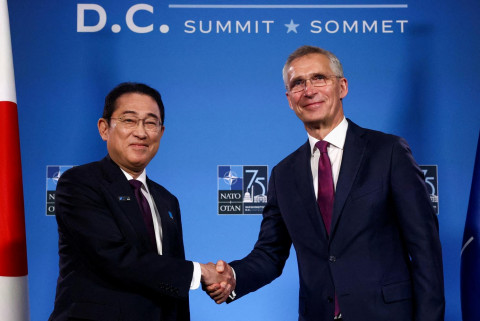
Nato's Washington summit deepens spat with China
News, Peter Apps, Published on 16/07/2024
» During Nato's 75th anniversary summit held in Washington last week, China's defence ministry made a surprise announcement.
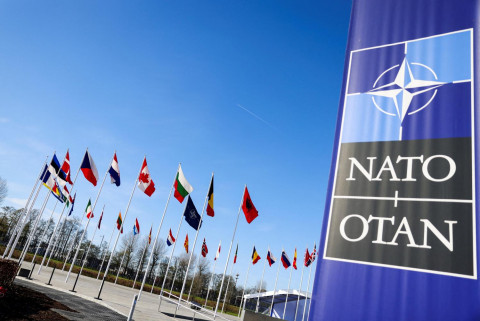
Nato meet faces shadow of Trump, Ukraine divisions
News, Peter Apps, Published on 03/07/2024
» As Nato officials prepared in June for the alliance's July 9-12 summit in Washington, outgoing Secretary General Jens Stoltenberg embarked on the traditional pre-meeting shuttle diplomacy aimed at avoiding unexpected disruptions.
In Russia, the really dangerous ones are sane
News, Gwynne Dyer, Published on 08/04/2024
» There are plenty of crazies in Russian politics who make bizarre claims about their country's victim status ("the evil West made us do it") and issue blood-curdling but implausible threats about using nuclear weapons on their enemies. But the really dangerous ones are quite sane.
The utility of neutrality, now in steep decline
Oped, Gwynne Dyer, Published on 02/03/2024
» Neutrality used to be a European thing, but it is now in steep decline. If it were an animal, we'd have to declare it an endangered species.