



Showing 1 - 10 of 80
Who is next for the United States?
Oped, Gwynne Dyer, Published on 12/01/2026
» The Crazy Gang are high on the "brilliant success" of their Venezuela caper and looking for new targets. Like Alexander the Great, US President Donald Trump weeps because there are no more worlds to conquer. But wait! Actually, there are still lots of places to conquer.
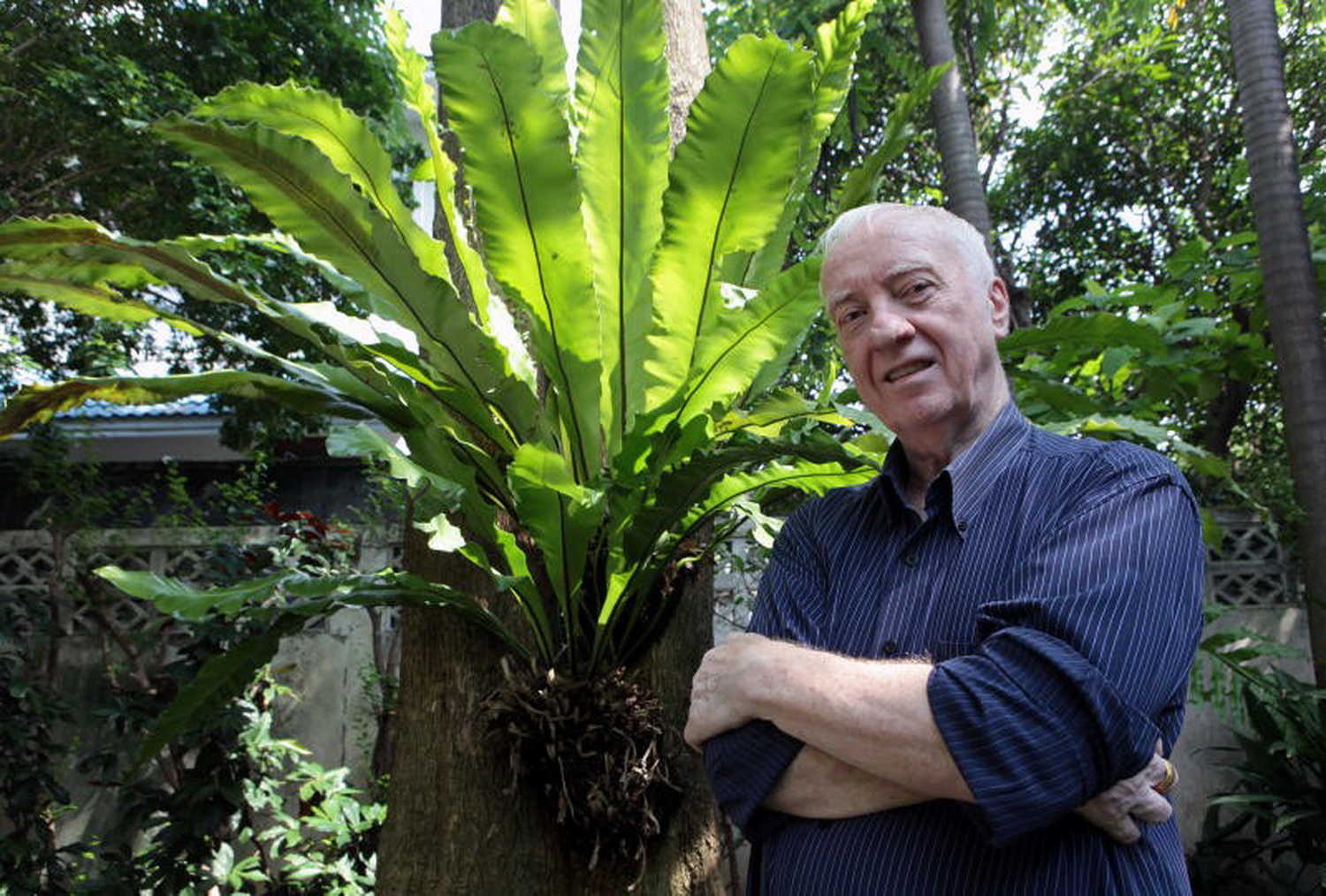
Greenland enjoys a taste of Thailand
Roger Crutchley, Published on 11/01/2026
» We are only 11 days into 2026 and I am already worn out trying to keep up with what's going on in this crazy old world. In addition to Venezuela, countries which must be a wee bit nervous about what lies in store include Colombia, Cuba, Mexico, Iran and Greenland. However, we will leave the heavy news to the experts.

What happens when Christmas loses its soul to AI?
News, Timothy Snyder, Published on 23/12/2025
» While trying to work at a café the other day, I experienced the real war on Christmas. Hoping for the familiar hum of conversation and music, I was surprised upon entering that no one was talking. Still, I sat down with my notebook and attempted to focus my thoughts, but something was playing havoc with my concentration. The music seemed eerie. I lifted my head, listened, and became disturbed.

No special species
Oped, Postbag, Published on 29/11/2025
» Re: "Jakarta dog meat ban sparks debate", (World, Nov 27). Yes, if an animal is infected with rabies or any other disease, it is probably better not to eat its meat, however tasty, albeit recognising that the starving might reasonably have different priorities. This is true whether the animal is a dog, a cow, a cat, a pig, a chicken, or another of our animal relatives.
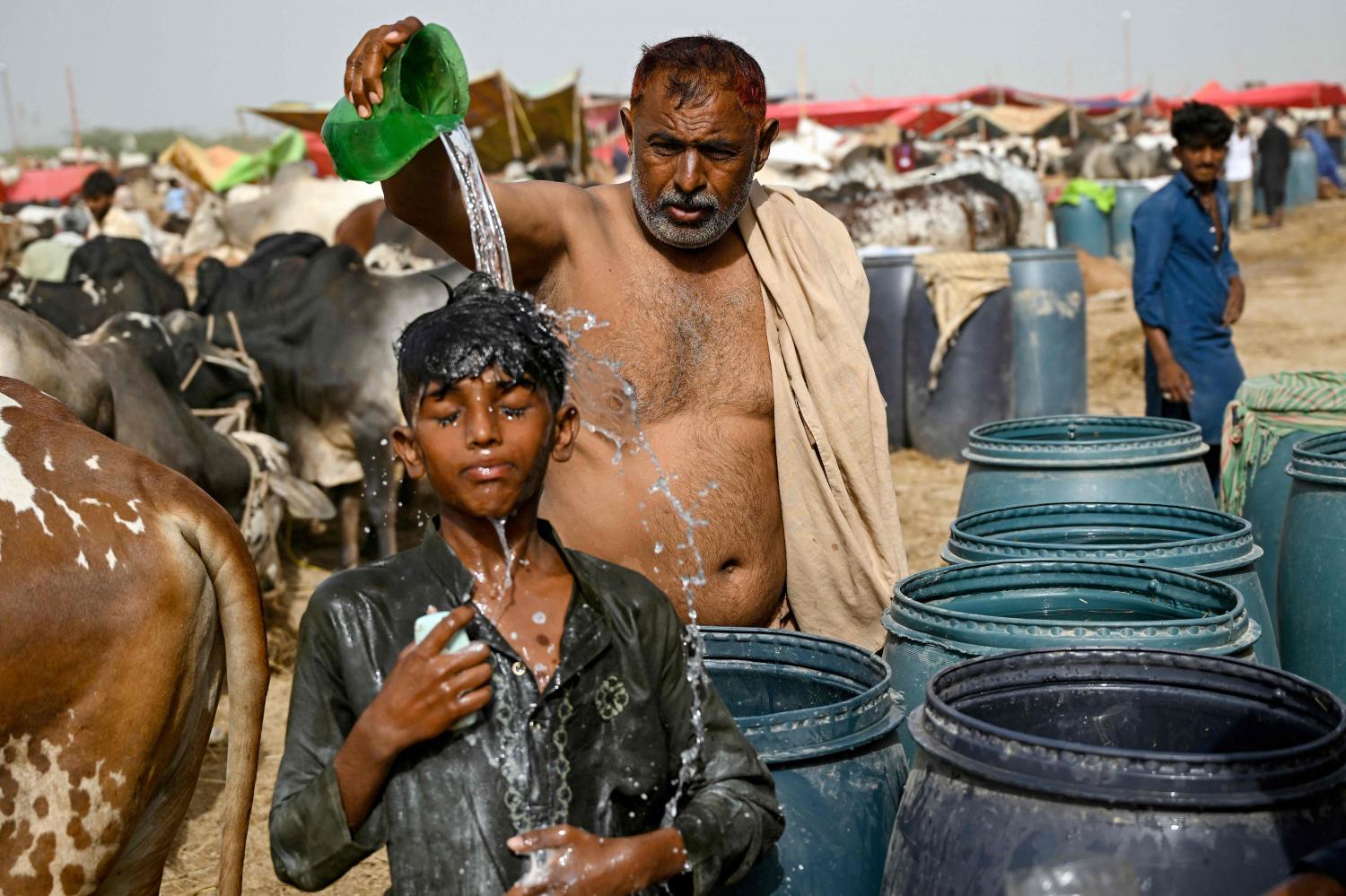
Rising heat needs urgent response
Oped, Armida Salsiah Alisjahbana, Published on 24/11/2025
» 2024 was the hottest on record globally. In Asia and the Pacific, Bangladesh was the worst-hit country, with about 33 million people affected by lower crop yields that destabilised food systems, along with extensive school closures and many cases of heatstroke and related diseases. Children, the elderly and low-wage earners in poor and densely populated urban areas suffered the most, as they generally had less access to cooling systems or to water supplies and adequate healthcare. India, too, was badly affected, with around 700 heat-related deaths mostly in informal settlements.
COP30 must do good, not just avoid harm
News, Eileen Mairena Cunningham, Published on 17/11/2025
» When indigenous peoples are mentioned in the context of climate change, my mind immediately goes to images of my grandmother's roofless and flooded house, destroyed by a Category 5 hurricane and a Category 4 storm in quick succession.
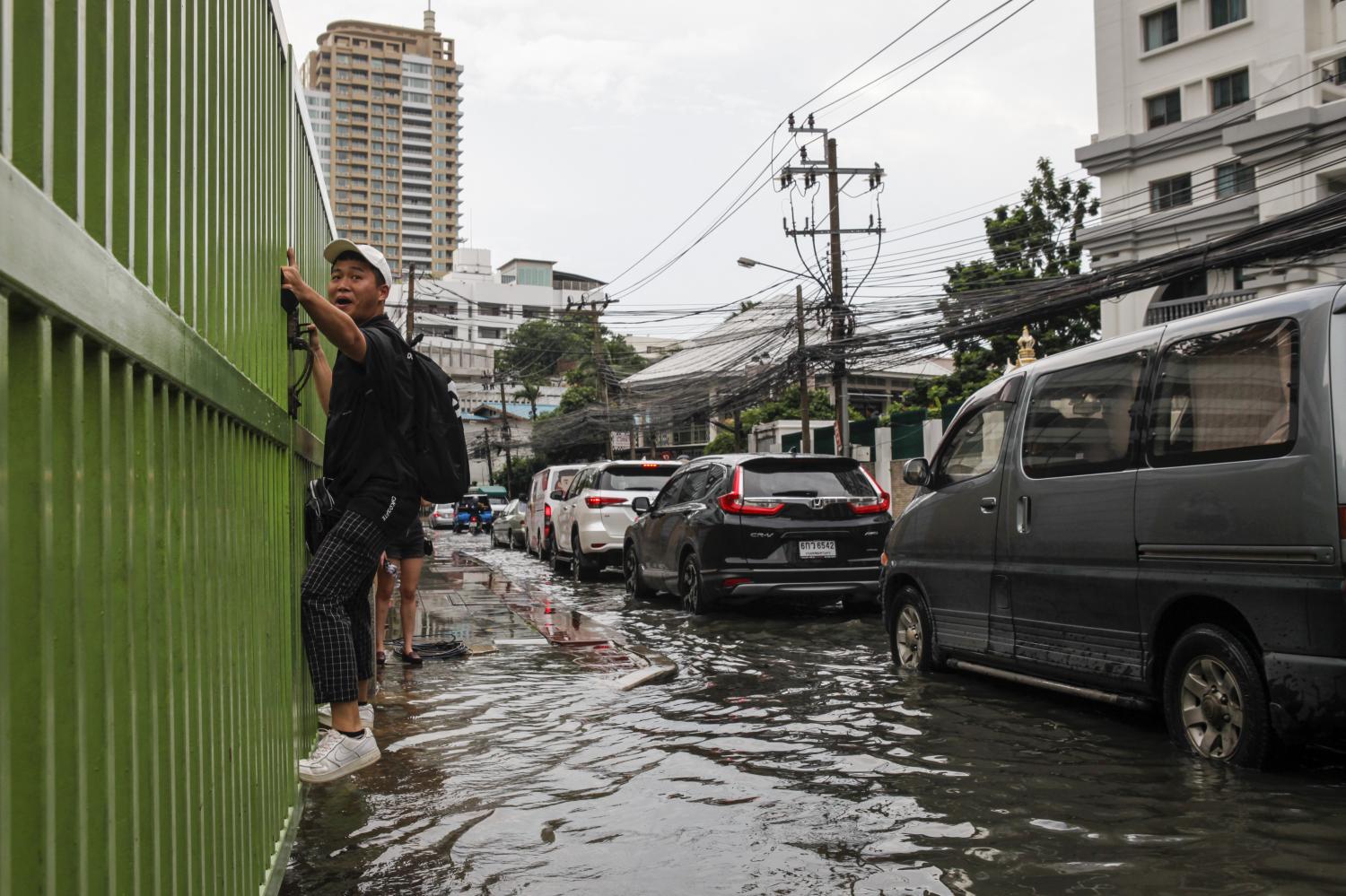
Rethink cities for a changing climate
News, Michael Shafer, Published on 25/10/2025
» Rain is the most ordinary of things. It should nourish crops, fill reservoirs and cool the air. Yet, for millions of people living in the world's big cities, rain has become something to fear.
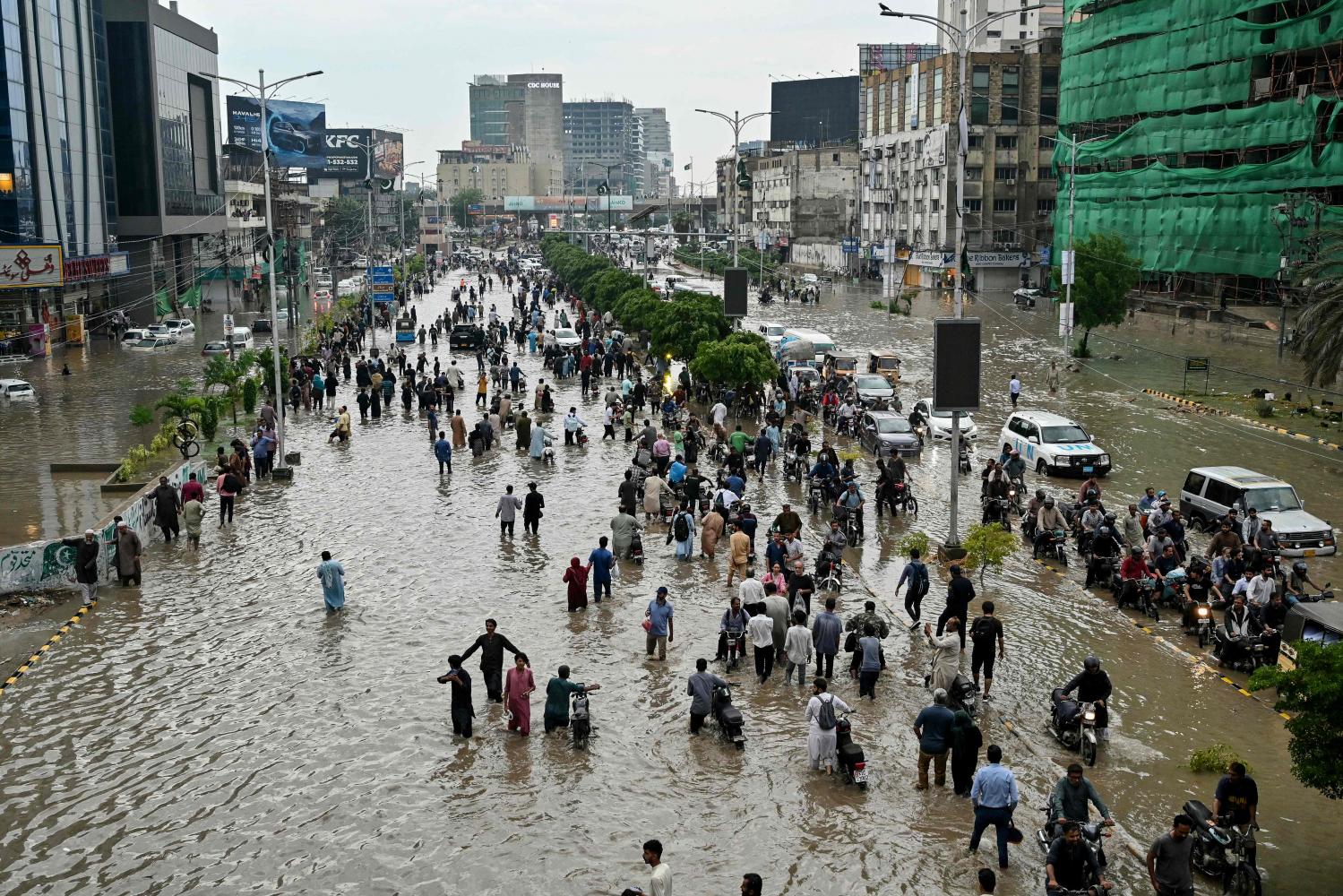
Market still 'wrong' on climate
Oped, Fiona Watson, Published on 01/10/2025
» As business, government and nonprofit leaders debate the future of climate action ahead of the United Nations Climate Change Conference (COP30) in Brazil, the global economy remains vulnerable to acute and chronic climate-driven shocks whose impact could be more severe than that of the 2008 global financial crisis. At a time when many governments and businesses continue to underestimate and underprice physical climate risk, we must remember that neither financial markets nor regulators are always right. What if their current complacency about climate risks is catastrophically wrong?

Tackling the basics
Oped, Postbag, Published on 22/07/2025
» Re: "Thais revise trade offer with US", (Business, July 8).
More missiles, memes, and the new resistance
News, Imran Khalid, Published on 19/07/2025
» There was a time, not so long ago, when Walter Cronkite's sombre baritone could turn battlefield dispatches into moments of collective reckoning. Even the first "television war" of 1991, piped in grainy bursts from Baghdad, felt slow enough for shock to sink in. These days, the missiles that streak above Natanz or Esfahan arrive on TikTok between latte art tutorials and kittens sliding off sofas. The effect is less shock-and-awe, more scroll-and-shrug.