




Showing 1 - 10 of 972
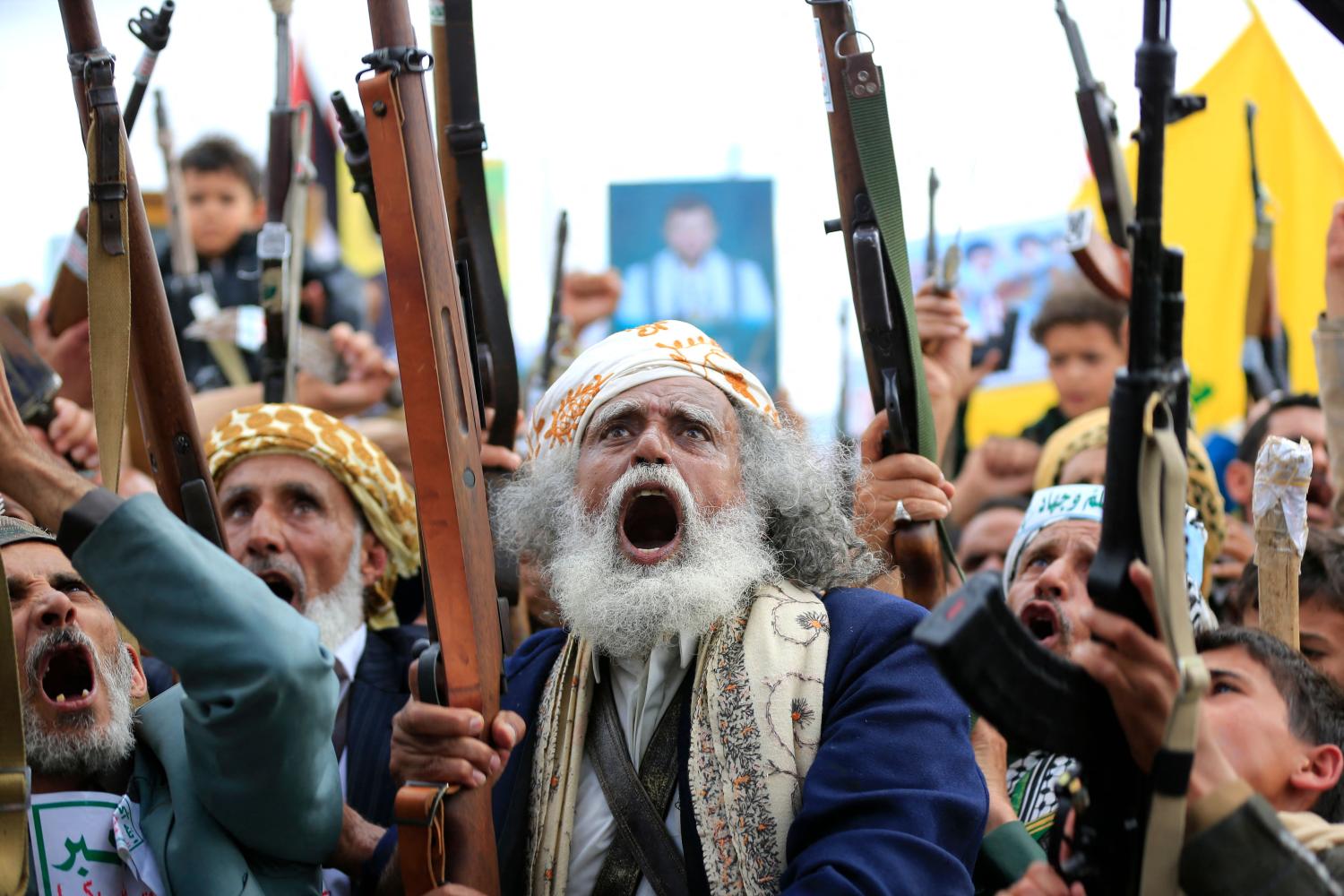
How can we future-proof the global economy?
Oped, Mohamed A El-Erian, Published on 23/04/2026
» An uncomfortable reality is becoming increasingly difficult to ignore. The global economy is in a period of "more frequent and violent shocks", as Nobel laureate Michael Spence puts it. Instead of facing isolated and temporary disruptions, we are confronting a structural shift towards unsettling volatility, deepening fragmentation, and a wider dispersion of outcomes for countries, companies, and households. The old world is gone, and virtually everyone risks losing out in the new one. The question is by how much and what to do about it.

Forget births, cut Thai deaths first
Oped, Sergei Scherbov & Vipan Prachuabmoh, Published on 23/04/2026
» Thailand's demographic debate is too often framed as though the country had only one option: raise fertility or accept a shrinking workforce. That view is understandable, but for the next two decades, it is mostly the misaligned policy horizon. If the question is how Thailand can strengthen its workforce before mid-century, the fastest answer is not higher fertility, but rather lower mortality.

Chokepoints expose fragility of our global order
Oped, Todd G Buchholz, Published on 22/04/2026
» Most schoolchildren learn that the Earth is roughly 40,000km around. They do not learn that the global economy depends on just 160 of those kilometres.

AI hits academia
Oped, Postbag, Published on 21/04/2026
» Re: "Universities face age shift", (Editorial, April 18).
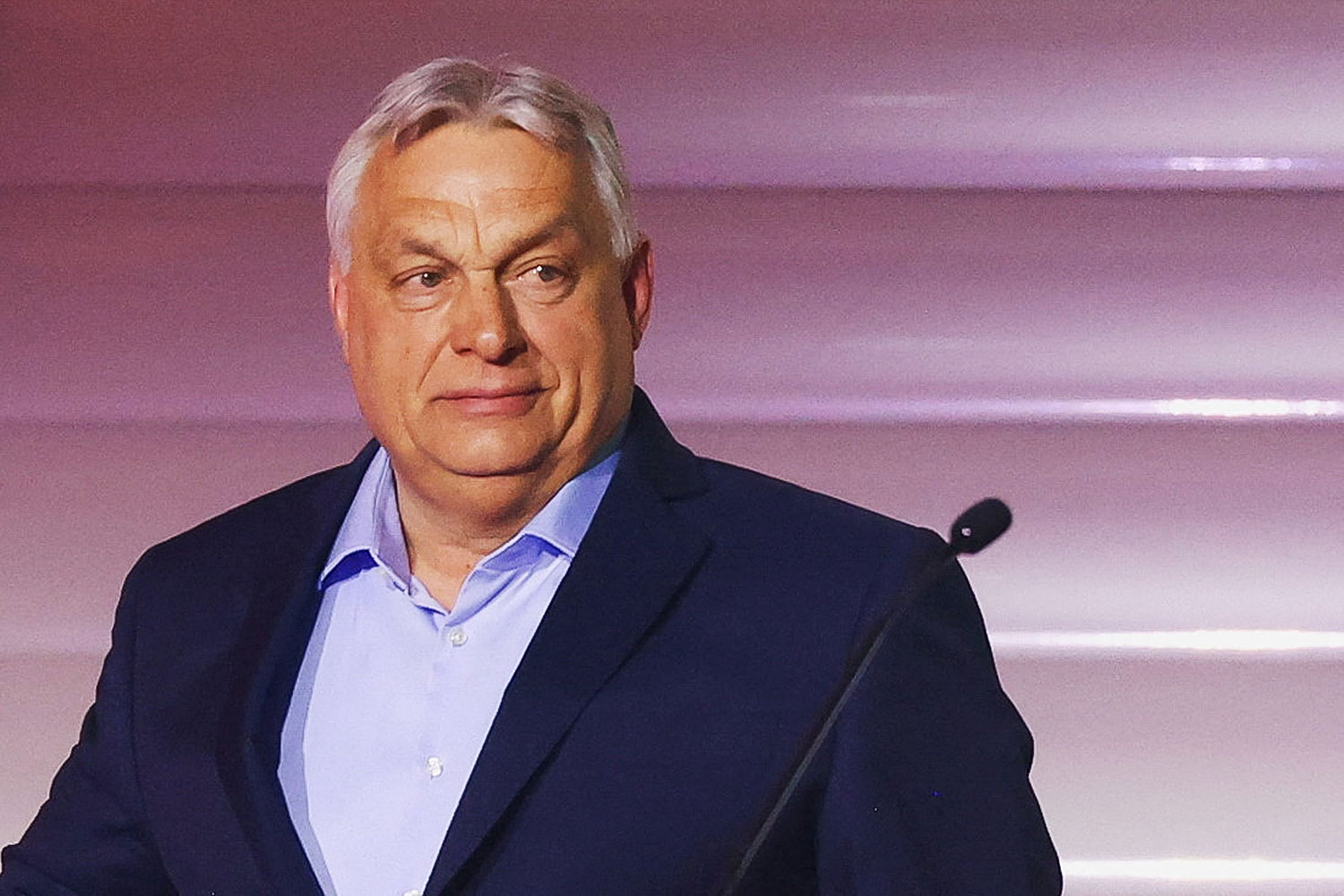
Orban's fall seen as a populist turning point
Oped, Gwynne Dyer, Published on 16/04/2026
» Polish Prime Minister Donald Tusk sent a message congratulating Hungary's newly elected prime minister, Peter Magyar, for having evicted long-serving populist leader Viktor Orban (aka "The Viktator") from power. All the usual welcoming words, but Mr Tusk's message ended with two slightly mysterious words in Hungarian: "Ruszkik haza" -- Russians go home.
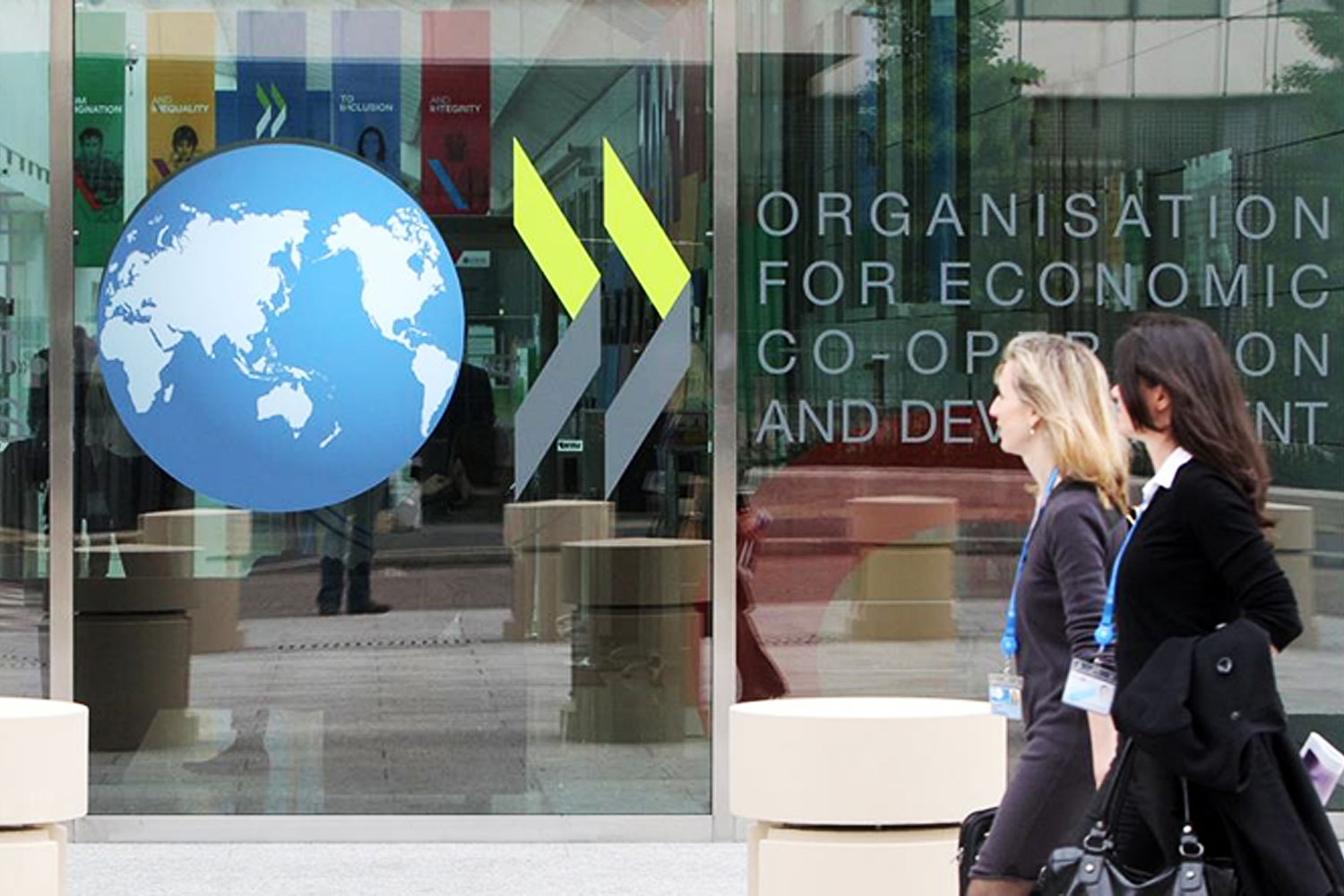
OECD bid looks far off
Oped, Editorial, Published on 16/04/2026
» When Prime Minister Anutin Charnvirakul declared in parliament last week that Thailand must become a member of the OECD, his statement reflected both ambition and urgency.
Countering the fallacy of the buffer zone
Oped, Daoud Kuttab, Published on 10/04/2026
» Territorial buffers rarely, if ever, deliver the peace and security their advocates promise. After the collapse of the USSR, Ukraine was seen as a neutral cordon between Russia and Nato. Instead, it became a zone of increasingly fierce geopolitical contention, followed by open war.
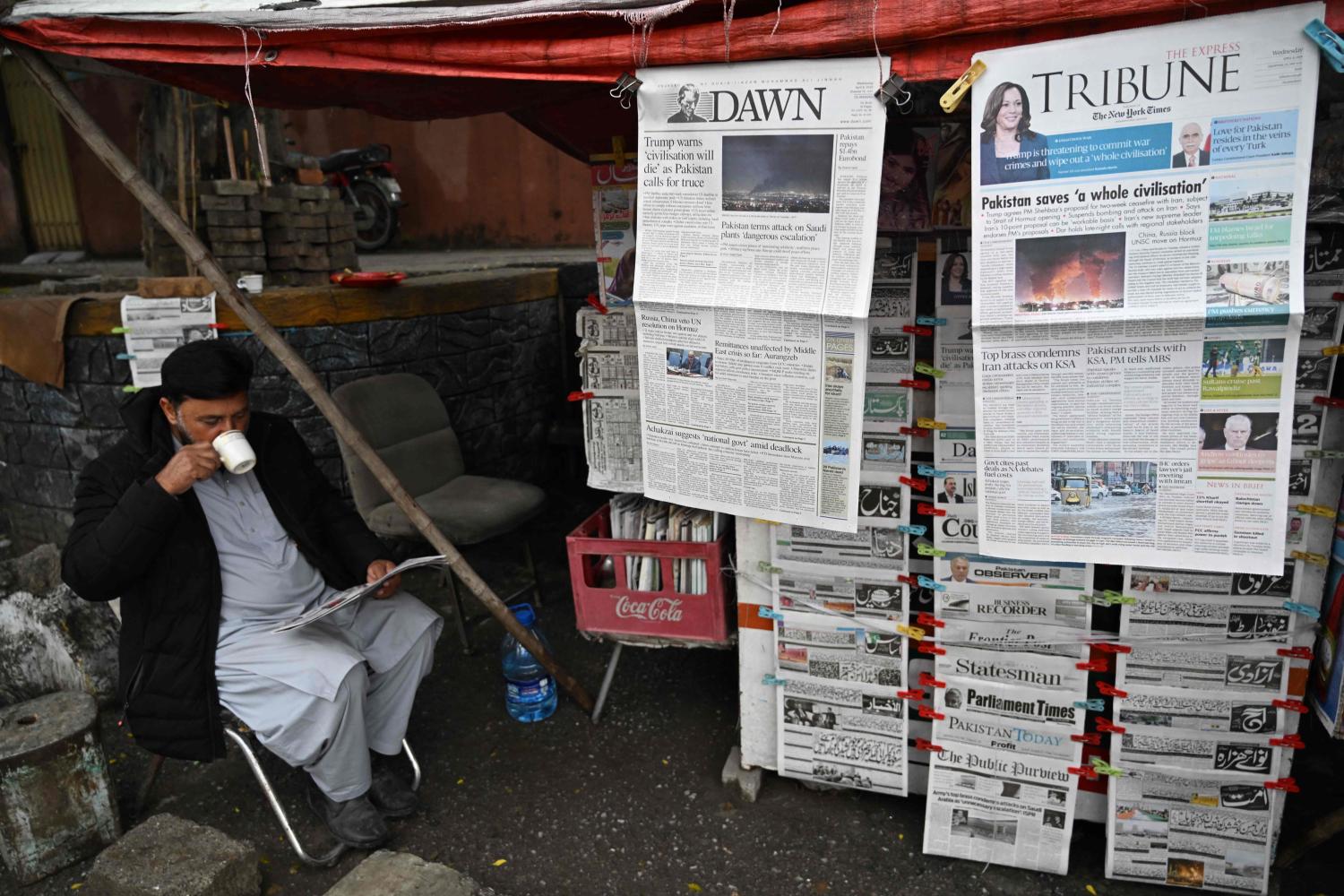
Projecting hope for a world in turmoil
Oped, Vitit Muntarbhorn, Published on 10/04/2026
» Today, the world is witnessing the most explosive situation since World War II, all too visible in conflicts such as the Iran war.
Government stability tests performance
Oped, Thitinan Pongsudhirak, Published on 03/04/2026
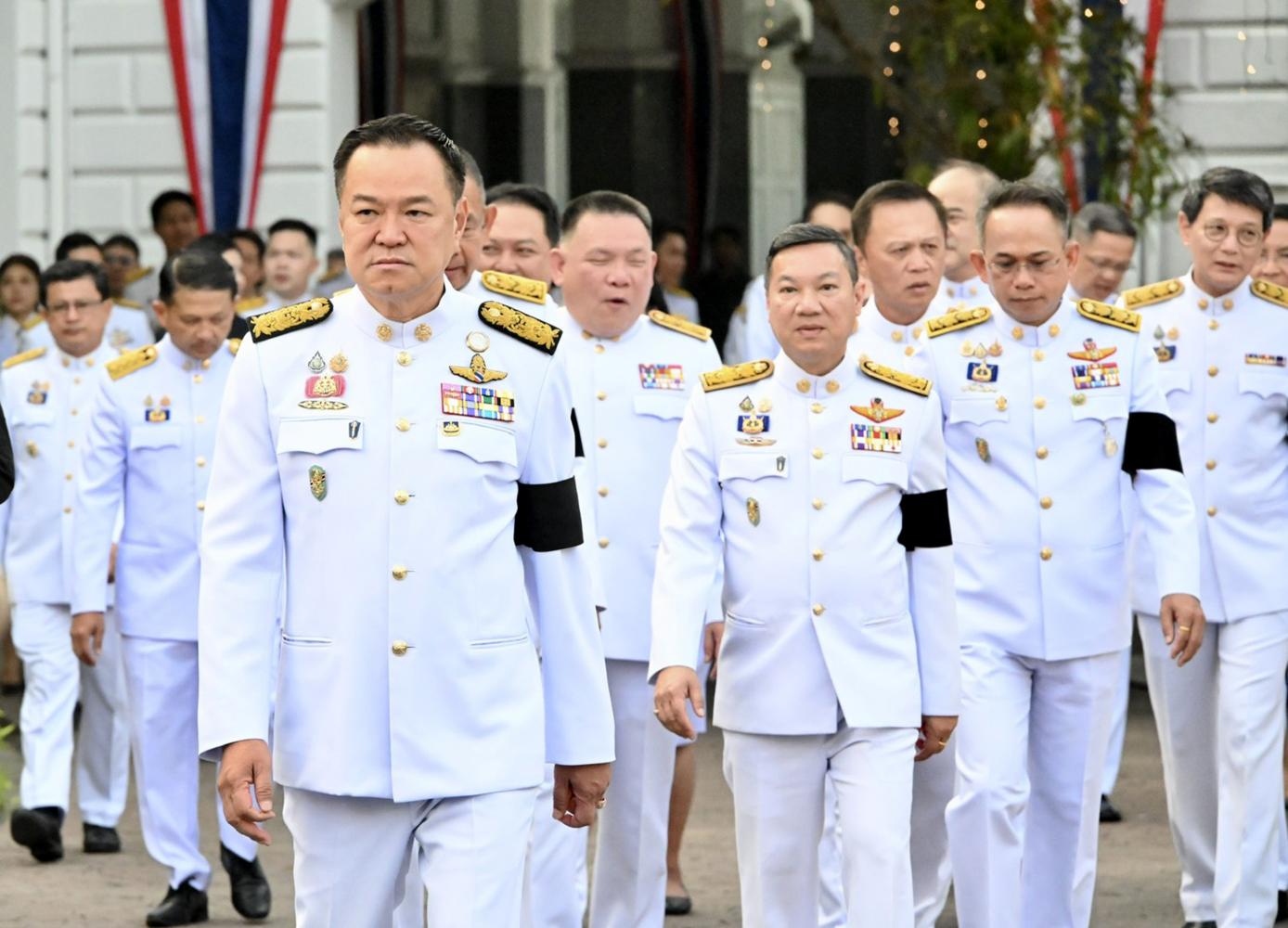
» Prime Minister Anutin Charnvirakul has gone from strength to strength, leveraging a stopgap minority government late last year into solid majority rule after the Feb 8 election.
The fatal flaw of AI-driven business models
Oped, Joachim Klement, Published on 02/04/2026
» Hundreds of billions of dollars are riding on the assumption that artificial intelligence will be reliable enough for high-stakes work. New research suggests it may never be. The AI tools that power ChatGPT and its rivals -- known as large language models, or LLMs -- are a genuine productivity-enhancing innovation. But they have serious shortcomings, most notably, their tendency to hallucinate, or make things up.