



Showing 1 - 10 of 347

Trump goes off-script, US gone rogue
Oped, Thitinan Pongsudhirak, Published on 27/03/2026
» It was not supposed to work like this. "America First" and "Make America Great Again" (MAGA) were supposed to be about an inward turn to repair, replenish and rebuild an externally overstretched and internally weakened country, weighed down by unnecessary global entanglements, unsustainable national debt, and unimpeded mass migration. It seemed for a time that the MAGA movement to prioritise America above and beyond the international system and its constituent parts had found its final prophet in President Donald J Trump. But now, somehow, President Trump has betrayed the movement that has carried him to office by waging a disastrous war on Iran in cooperation with Israel.

Cultural eclipse
Oped, Editorial, Published on 11/03/2026
» The notion of performing major surgery at the Ministry of Tourism and Sports is welcome news. The idea of merging tourism with the Ministry of Culture to create a new ministry that also oversees sports is the brainchild of Prime Minister Anutin Charnvirakul.

Women can lead push for growth
Oped, Anisha Chugh, Laura Leonelli Morey & Teresa Zapeta Mendoza, Published on 09/03/2026
» Across the Global South, painful austerity measures such as benefit caps, pay freezes and subsidy cuts have followed donor governments' recent cuts to foreign aid. The policy pivot has had an especially dramatic impact on women -- costing them jobs, services and protections -- and is causing widespread economic hardship in many developing countries.

War tests energy policy
Oped, Editorial, Published on 06/03/2026
» The ongoing war in the Middle East is a new litmus test for the energy policies of governments around the world, including the new administration in Bangkok. This time, the government and our energy policymakers hope -- and indeed pray -- that this Middle East conflict will be brief.
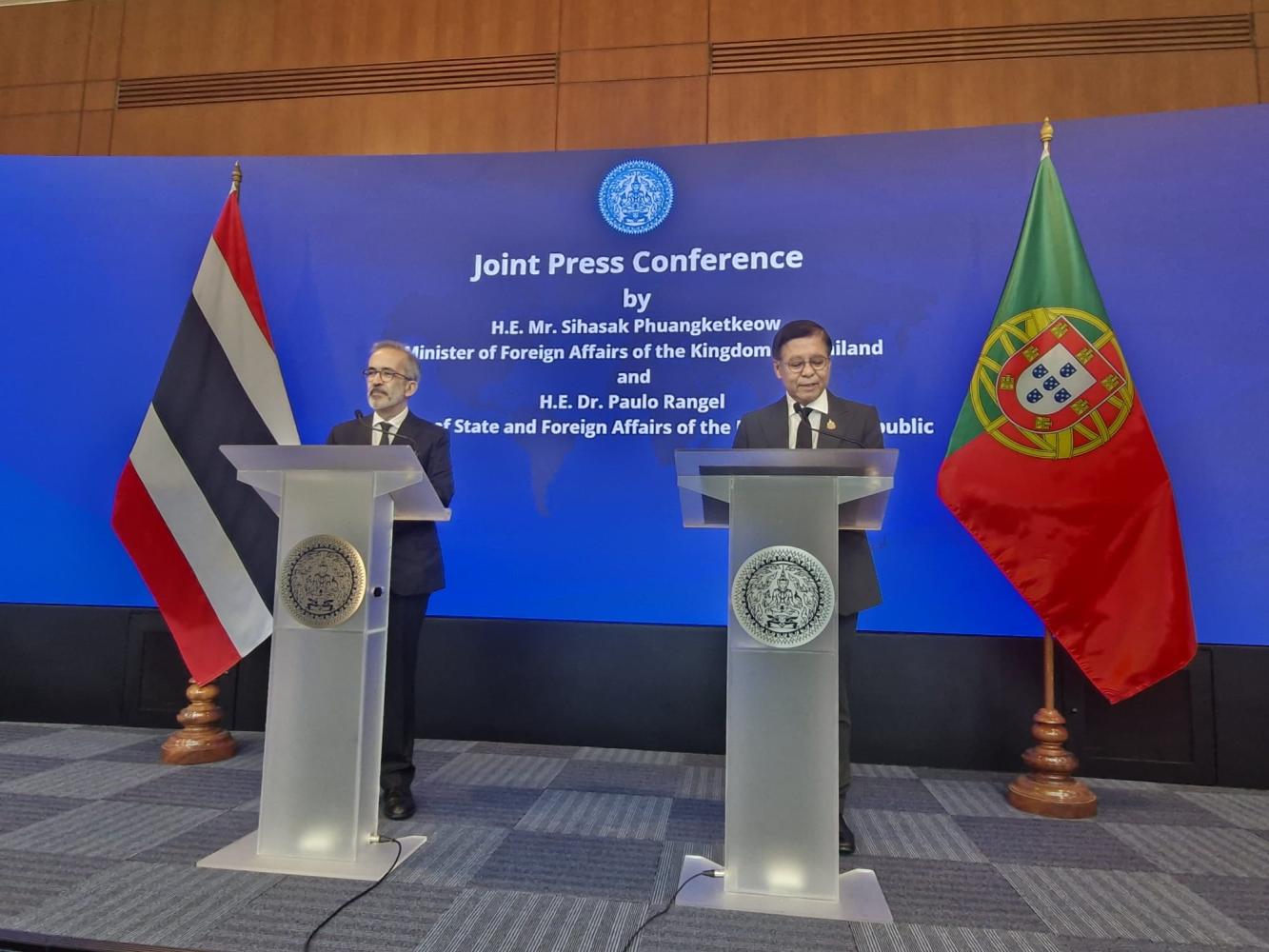
Portugal calls for global unity, multilateralism
Oped, Paulo Rangel, Published on 27/02/2026
» It is a great pleasure to be here in Thailand, and especially good to be able to have this opportunity to share our vision on how Portugal views the world and the role and importance of multilateralism.

Killing the goose that lays the Olympic gold medal
Oped, Nancy Qian, Published on 24/02/2026
» The Olympic Games have always been about more than sports, with the medal count serving as a measure of national vitality. The 2026 Winter Games in Milan and Cortina are no different. The Americans, like everyone else, want confirmation of their preeminence. So important is that outcome that even US Vice President JD Vance briefly acknowledged the value of non-white immigration to the United States when he complained that Eileen Gu, the US-born medal-winning skier for China, should be competing under the American flag.
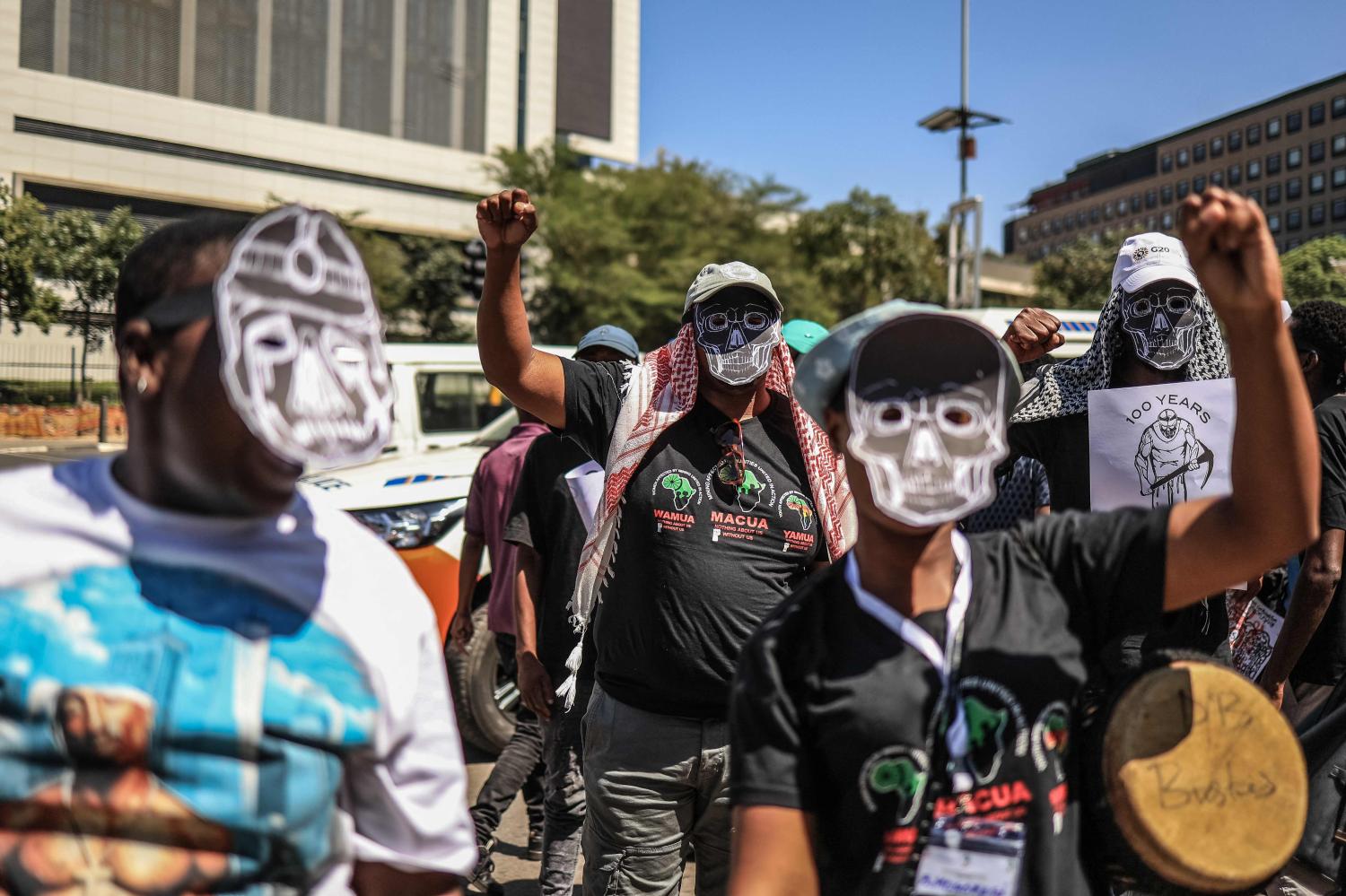
Why communities pay for mining
Oped, Christopher Rutledge, Published on 19/02/2026
» Last week, policymakers and industry executives of mining companies gathered in Cape Town for the annual African Mining Indaba. They followed a familiar script: governments would court investors, companies would promise jobs and growth, and champagne would flow as speakers tout Africa as indispensable to the global energy transition.
Could a Brics currency rival the dollar?
Oped, Jim O'Neill, Published on 18/02/2026
» Could the Brics (Brazil, Russia, India, China, South Africa) ever launch a shared currency to challenge the US dollar's dominant position in the world economy? Like many conventional international economists, I have generally dismissed the idea, despite my own role in coining the Brics acronym, which led to the creation of a formal Brics club (since expanded into the Brics+, with the addition of five new members).

Elephants need space
Oped, Editorial, Published on 16/02/2026
» Elephants hold a special place in the hearts of Thais. The latest evidence was Wednesday's protest following the death of Seedor Hu Pab, a male elephant that died on Feb 3 during a ham-fisted relocation attempt by the Department of National Parks, Wildlife and Plant Conservation (DNP).
Surviving the collapse of the population
Oped, Gwynne Dyer, Published on 13/02/2026
» 'To them that hath shall [more] be given" is generally a reliable guide, especially in economic matters, but it doesn't work if the beneficiaries are too stupid to take advantage of the gift. The scarce and precious commodity in this case being people, who are in increasingly short supply.