



Showing 1 - 10 of 35
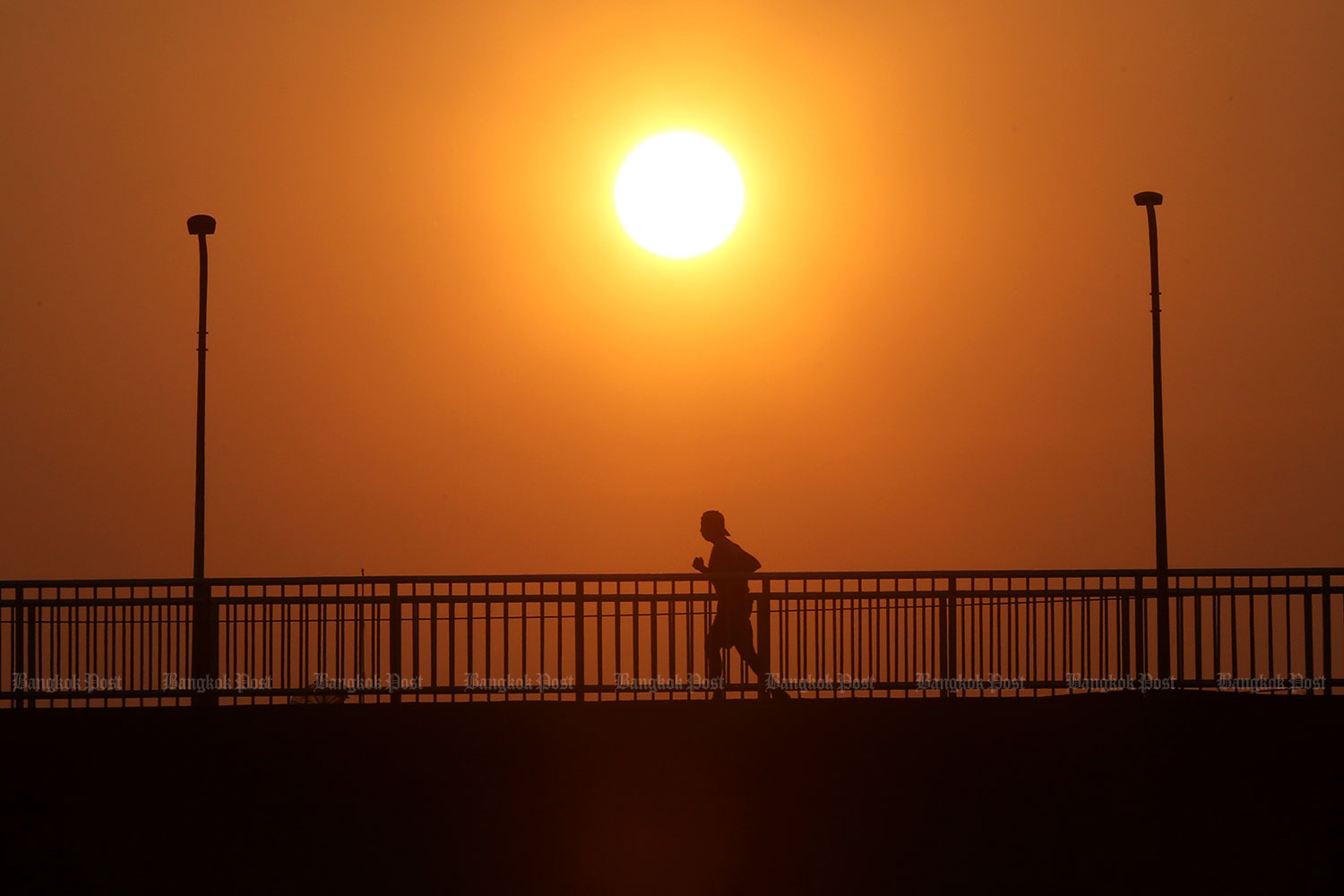
The fire this time is for US climate science
Oped, Gwynne Dyer, Published on 18/03/2026
» In 1953 Ray Bradbury, an American writer, published a book entitled simply Fahrenheit 451. It was a novel about an American fireman in a not-too-distant future who realised that he was doing his job all wrong -- because his job was to burn books, which were banned in that future America. (451°F is the temperature at which paper catches fire.)

AI will transform business, not just our jobs
Oped, Diane Coyle, Published on 25/02/2026
» Many people fear that AI could cause a "job-pocalypse". This year's Davos gathering sounded the alarm over the technology's implications for employment, while recent announcements about job cuts in white-collar industries are widely viewed as straws in the wind.

Gates' 'truth' about climate change
Oped, Peter Singer, Published on 14/11/2025
» Ahead of this year's United Nations Climate Change Conference (COP30), now underway in Belém, Brazil, Bill Gates, who chairs and funds the foundation that bears his name, released an essay entitled "Three tough truths about climate". The first of these truths is: "Climate change is a serious problem, but it will not be the end of civilisation."

Measuring the economic impact of AI
Oped, Diane Coyle, Published on 24/10/2025
» Is AI transforming the economy in any real sense, or is the promise of rapid growth mere hype?

A paradigm shift for animal tests
Oped, Peter Singer & Sankalpa Ghose, Published on 17/10/2025
» Even in an era of intense political polarisation, there are still moments when a bipartisan consensus can emerge around important ethical issues. One such moment is happening now. Last April, the United States Food and Drug Administration released its "Roadmap to Reducing Animal Testing in Preclinical Safety Studies". The FDA said that it was taking "a groundbreaking step" that would advance public health and limit wasteful expenditure by replacing animal testing with "more effective, human-relevant methods".
The incalculable costs of corrupt statistics
Oped, Diane Coyle, Published on 29/08/2025
» With GDP and employment figures dominating political debates, it is easy to forget that they are hardly timeless truths. In fact, how we measure progress has shifted dramatically over time. The Physiocrats -- eighteenth-century French economists who saw agriculture as the source of all wealth -- regarded farms' output as the most important economic indicator. The Soviet Union, for its part, focused exclusively on goods production and ignored services altogether.
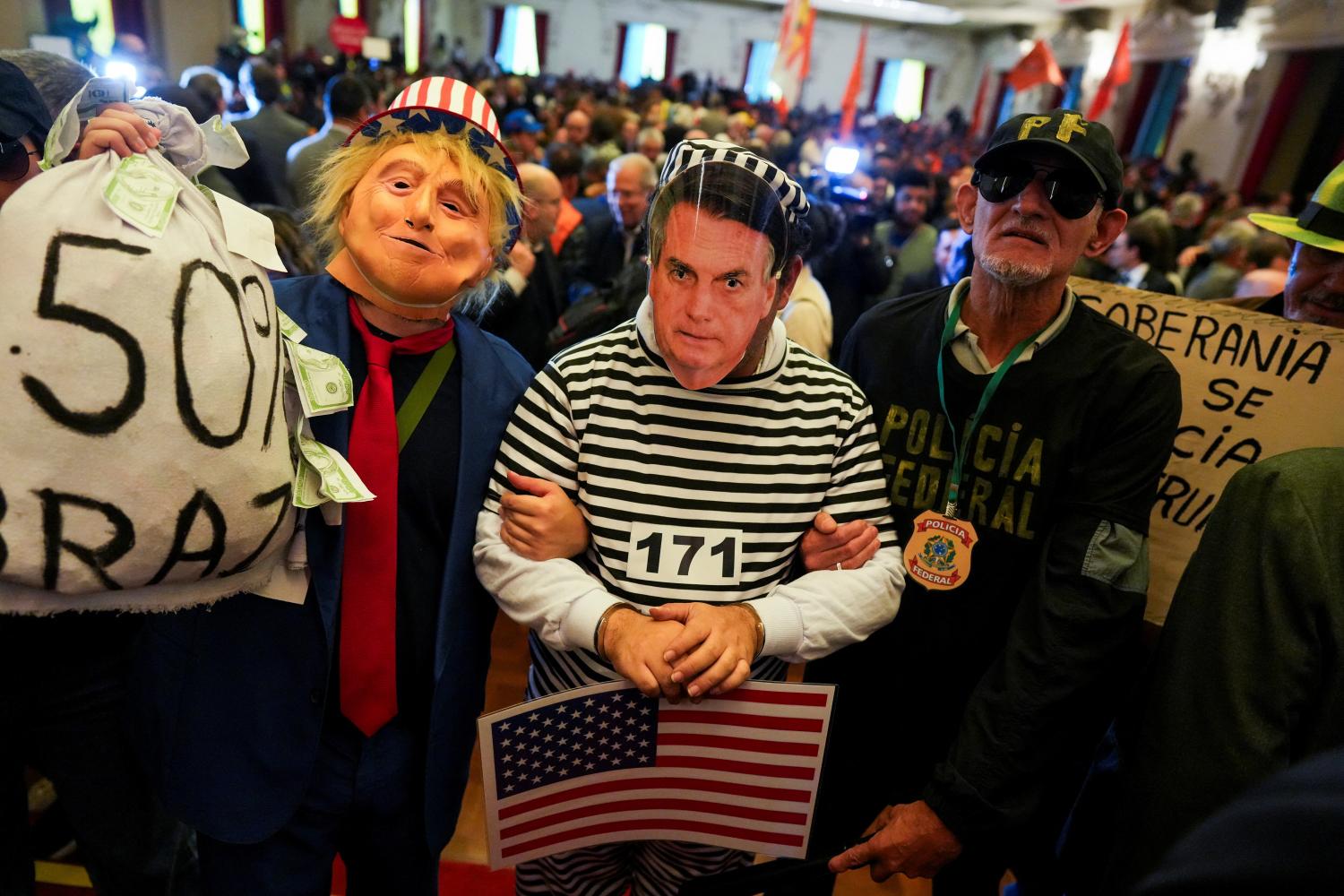
Trump is trying to build a far-right international
Oped, Jan-Werner Mueller, Published on 30/07/2025
» Until recently, the spectre of an international far-right alliance of populist parties in democracies around the world has been just that: any appearance of cooperation was a form of self-promotion, rather than an expression of true solidarity. Few far-right figures have made any sacrifices for one another or seriously interfered in other countries' internal affairs to prop up allies. And efforts to unite the far right in the European Parliament have fallen dismally short.
Building infrastructure for the AI age
Oped, Diane Coyle, Published on 22/07/2025
» The London Underground, the world's oldest subway system, opened in 1863. Around the same time, London's modern sewage system was designed by civil engineer Joseph Bazalgette in response to the Great Stink of 1858, which brought parliament to a standstill. Planning far ahead, Bazalgette built the system to last 150 years. Only now, with the Thames Tideway project, is it being significantly expanded.

The climate challenge as a development opportunity
Oped, Navroz K Dubash, Published on 06/06/2025
» When climate change is framed as a global problem requiring collective regulation of greenhouse-gas emissions, developing-country governments see little reason to prioritise the issue over others. After all, the rich, industrialised countries who contributed disproportionately to the problem are themselves backing away from decarbonisation and climate-finance commitments, while low-income countries bear the brunt of the costs of climate change. Decision-makers in developing countries understandably conclude it may be more rational to hunker down and focus on climate resilience rather than emissions reductions.

Pope Francis the shepherd on the animal kingdom
Oped, Peter Singer, Published on 07/05/2025
» When Cardinal Jorge Mario Bergoglio was elected pope in 2013, many liberals had high expectations. Would priests be allowed to marry? Or, more radical still, perhaps he would open a path for women to be ordained? There were even some hints that he might recognise same-sex unions.