




Showing 1 - 10 of 604
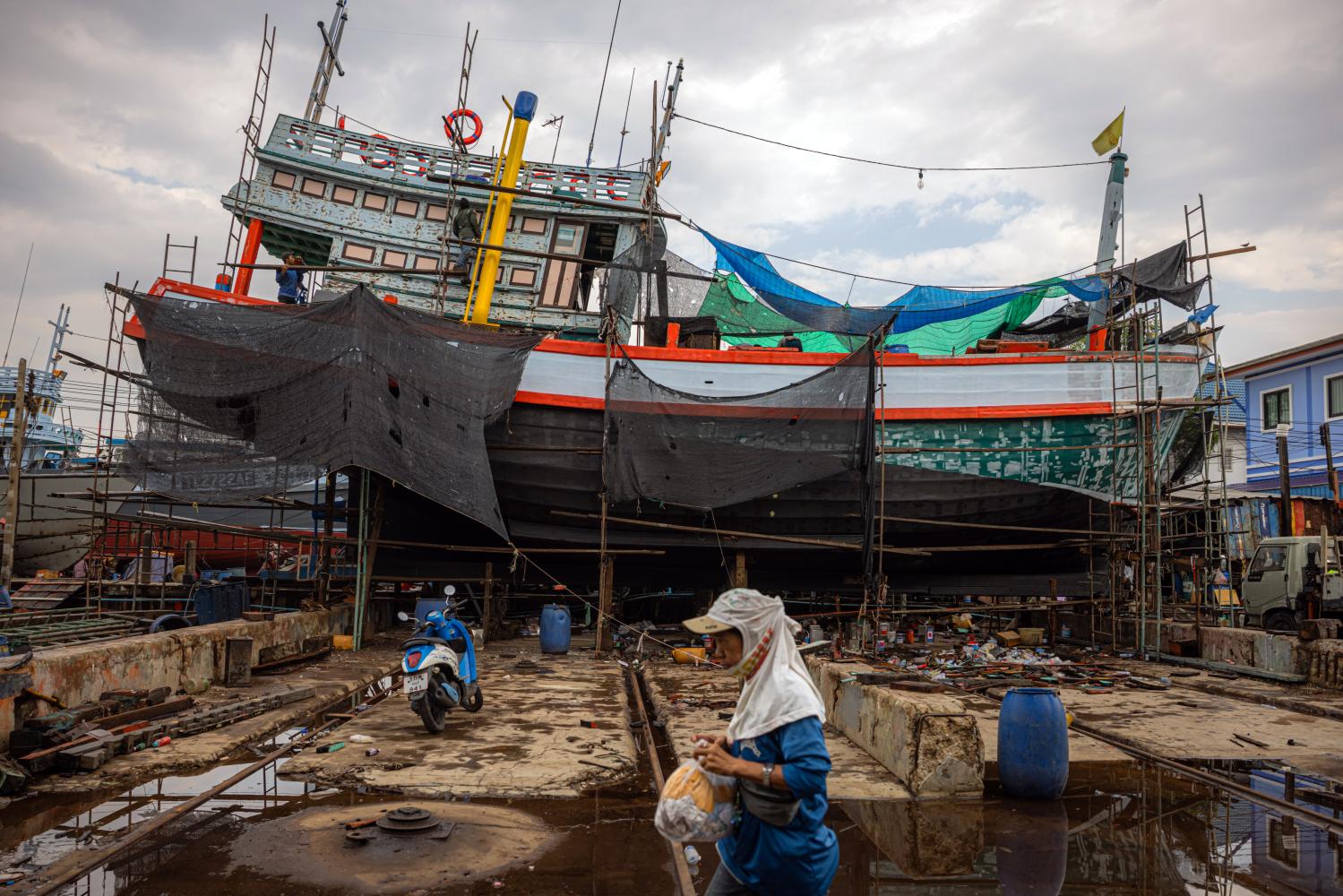
Oil shock risks wider chain reaction
Oped, Chartchai Parasuk, Published on 16/04/2026
» There is no such thing as a free lunch. When global oil prices rise sharply, as they are doing now, someone must bear the cost. Some countries choose to absorb it through government support, as in Japan, while others pass the burden on to consumers, as in Thailand. Neither approach is inherently right or wrong; each carries different economic consequences. Policymakers must decide which set of outcomes is more acceptable and act accordingly.
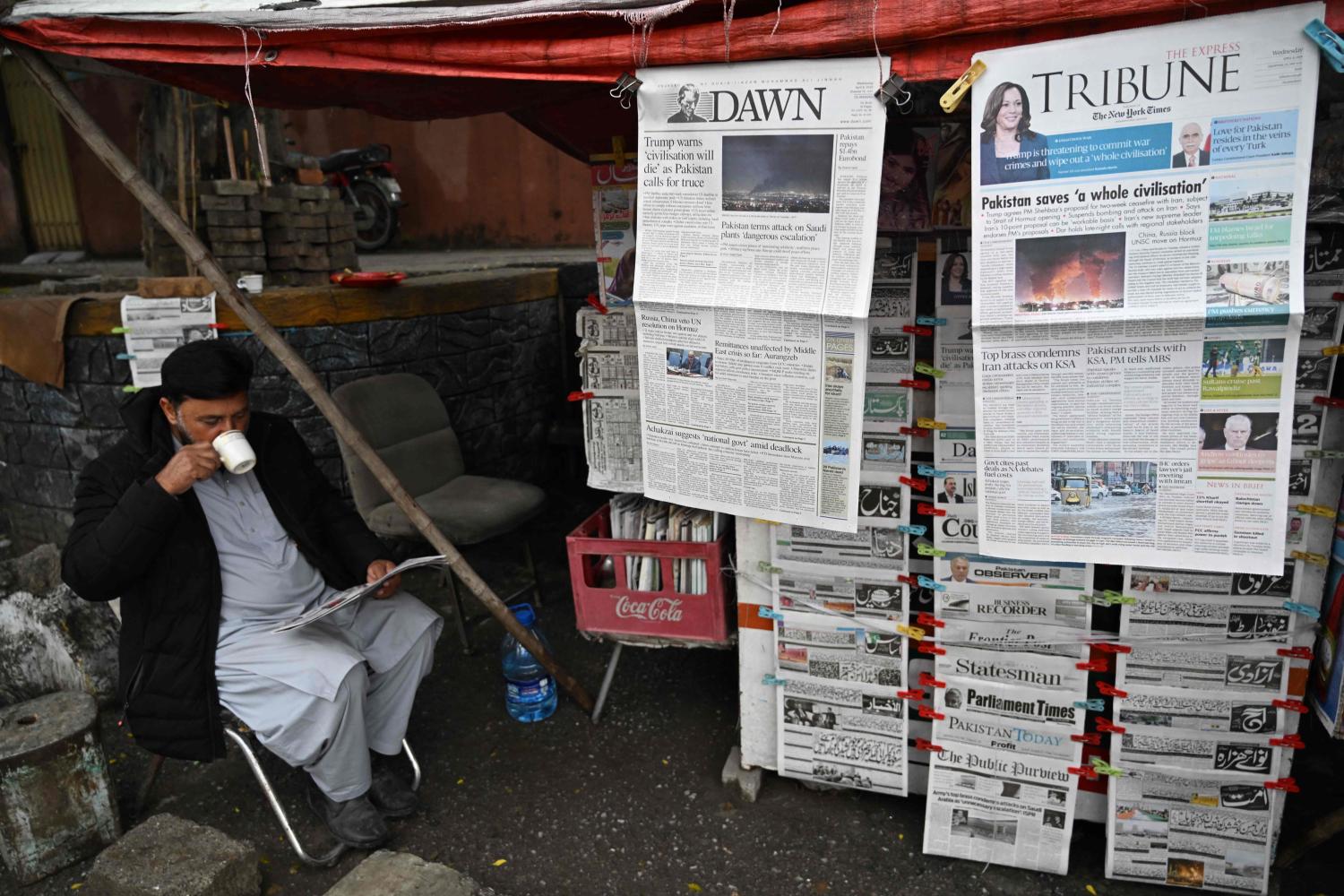
Projecting hope for a world in turmoil
Oped, Vitit Muntarbhorn, Published on 10/04/2026
» Today, the world is witnessing the most explosive situation since World War II, all too visible in conflicts such as the Iran war.
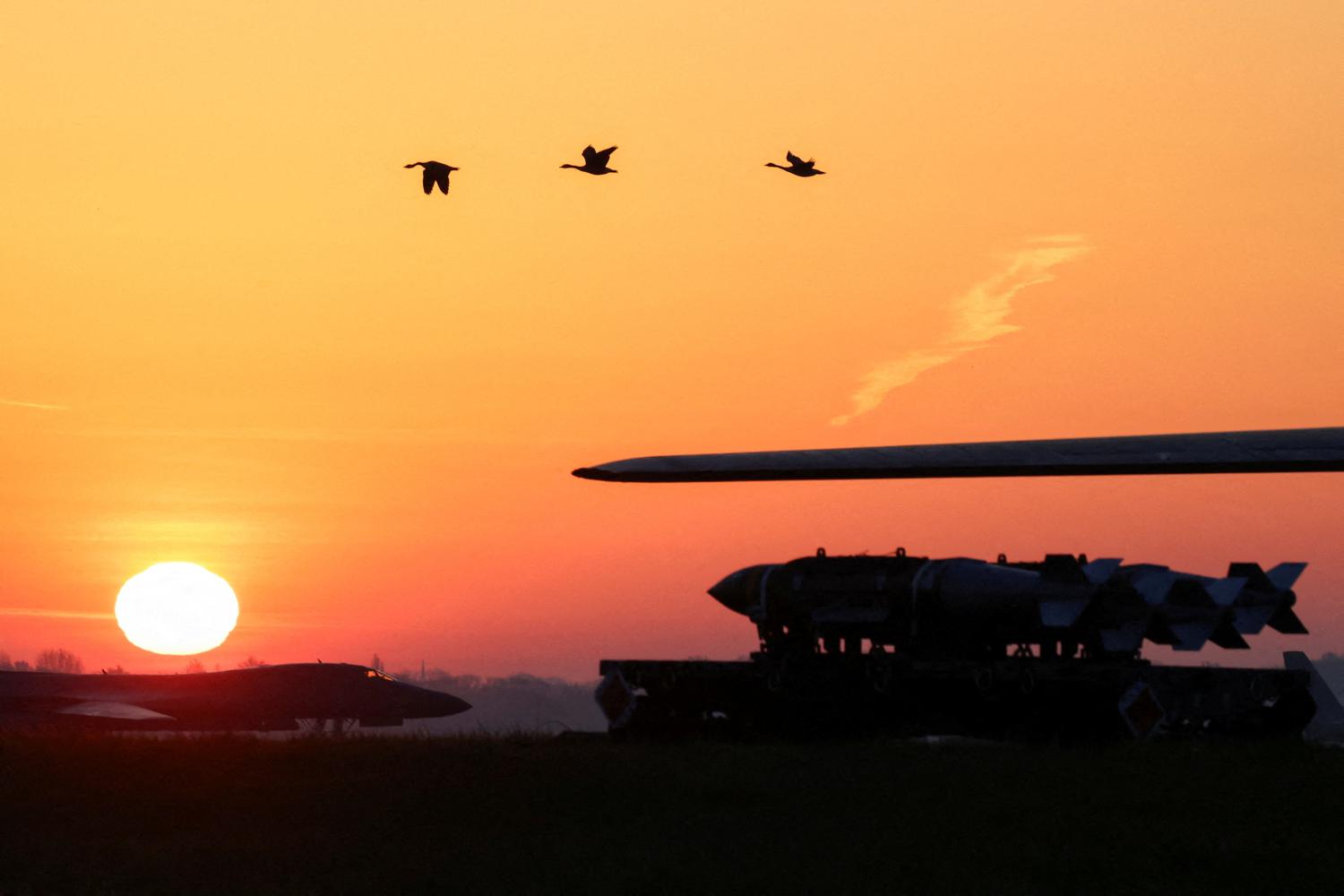
The day the US became Britain at Suez
Oped, Philip J Cunningham, Published on 09/04/2026
» The world's focus is on the US-induced debacle in the Strait of Hormuz, but it's another narrow strait that sums up the current state of US power in the world: Suez.
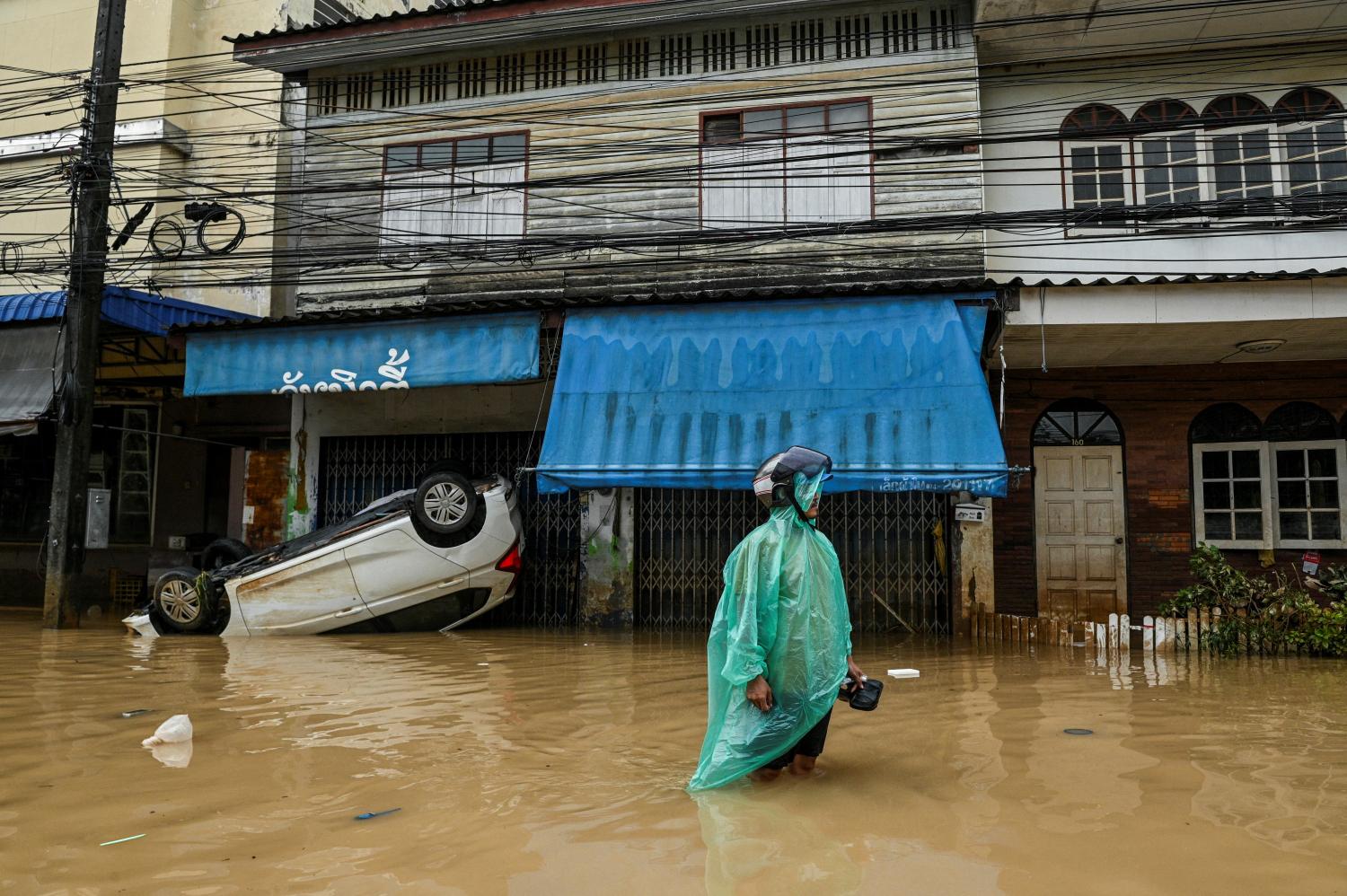
Asean banks face climate pressure
Oped, Rachel Ho, Published on 08/04/2026
» The global oil and gas crisis is worsening. Amid the Middle East war, the central banks of countries in Southeast Asia must address a perfect storm of rising fuel prices, cost-of-living pressures, and worsening impacts of climate disasters.

Stuck in Senate
Oped, Postbag, Published on 08/04/2026
» Re: "BJT pulls support for Clean Air Bill", (BP, April 7). This article chose to single out and quote Bhumjaithai (BJT) party list-MP Supachai, voicing concerns about "fast-tracking" and the economic fallout caused by the Clean Air Bill (CAB) during a recent House debate on a severe PM 2.5 crisis in the Northern region.
Can alliances with the US be replaced?
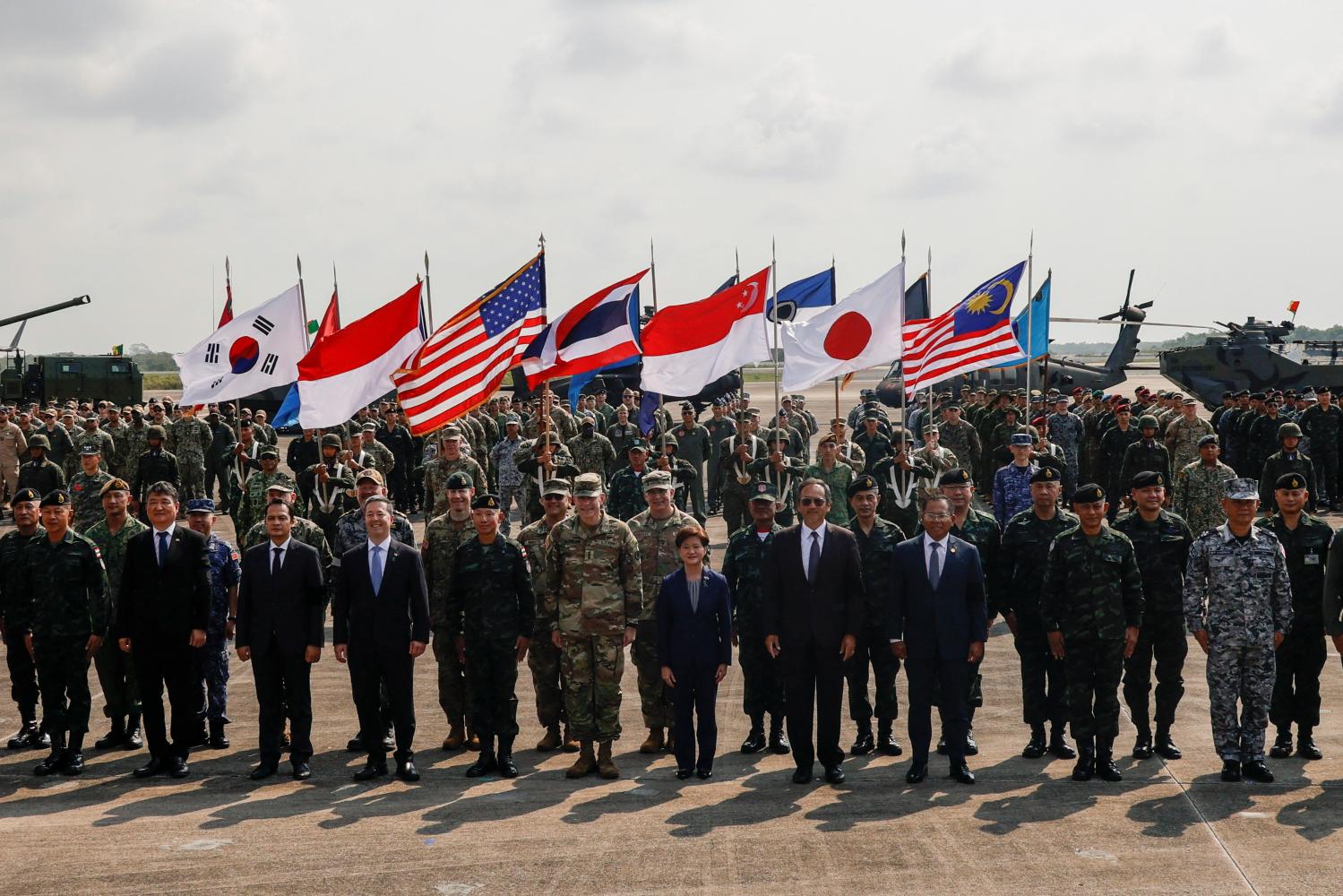
Oped, Kavi Chongkittavorn, Published on 07/04/2026
» The increasingly loud debate over the future of alliances -- after reports that the US could scale back or even withdraw from Nato -- is nerve-racking. It has caused alarm across Europe and in Southeast Asia, another node of the US alliance network. Even without any official decision, remarks by US President Donald Trump on social media were enough to shake already fragile US alliances. The question now frequently asked by Thai policymakers is: What comes next if alliances weaken?
Will Kharg Island decide the future of US alliances?
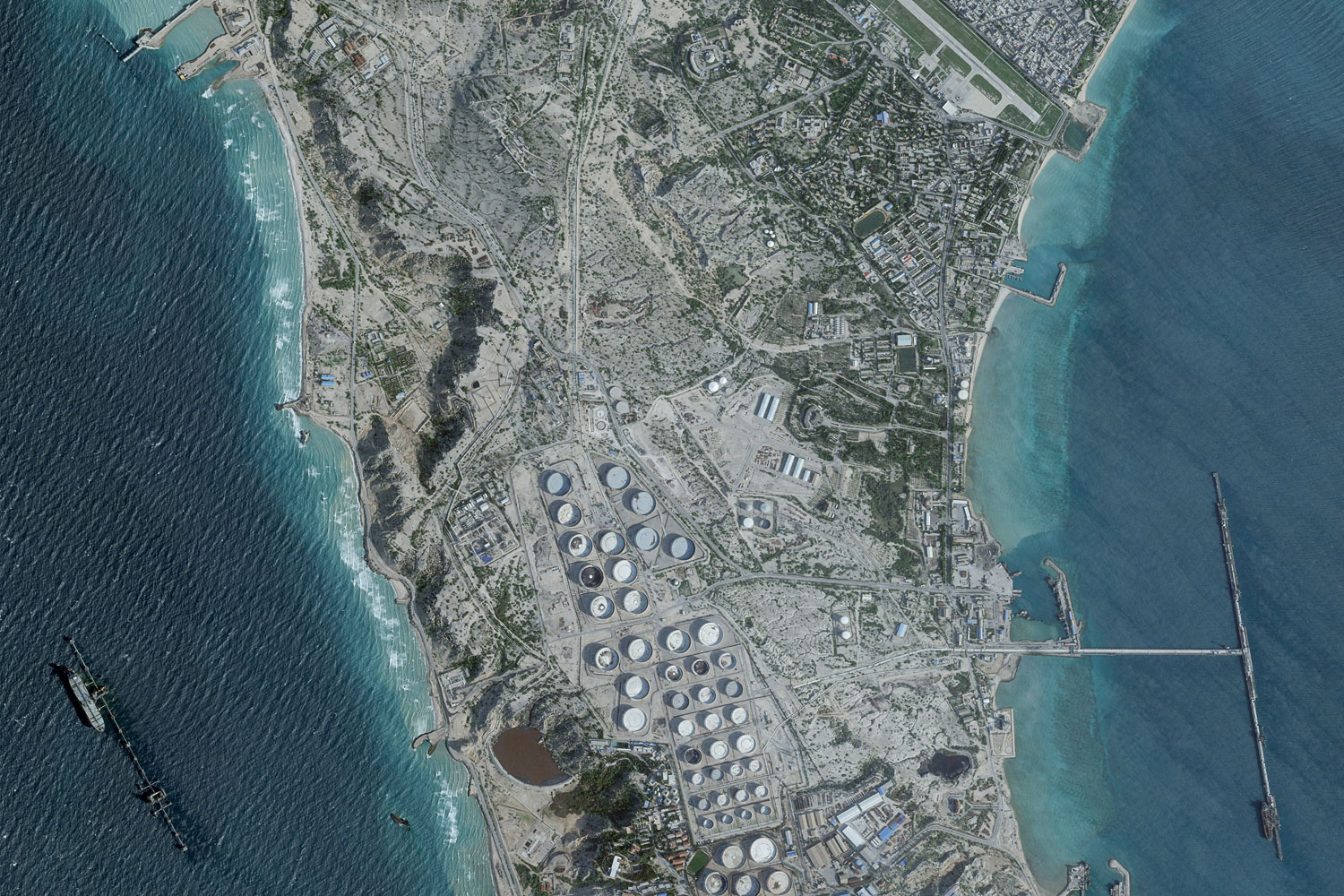
Oped, Carla Norrlöf, Published on 03/04/2026
» The key question about Iran's energy-export terminal on Kharg Island is not whether the United States can seize or disable it. Of course it can.
Several bad options for US in Iran standoff
Oped, Gwynne Dyer, Published on 01/04/2026
» The Iranians know they have won, but President Trump doesn't get it yet. He's still at the stage of counting up the US and Israeli air strikes and assuming that those numbers mean a US victory is possible. But five gets you ten that the Iranians are already thinking about nuclear weapons. Not their own, which don't exist. America's.
The silent engines of Asean realism
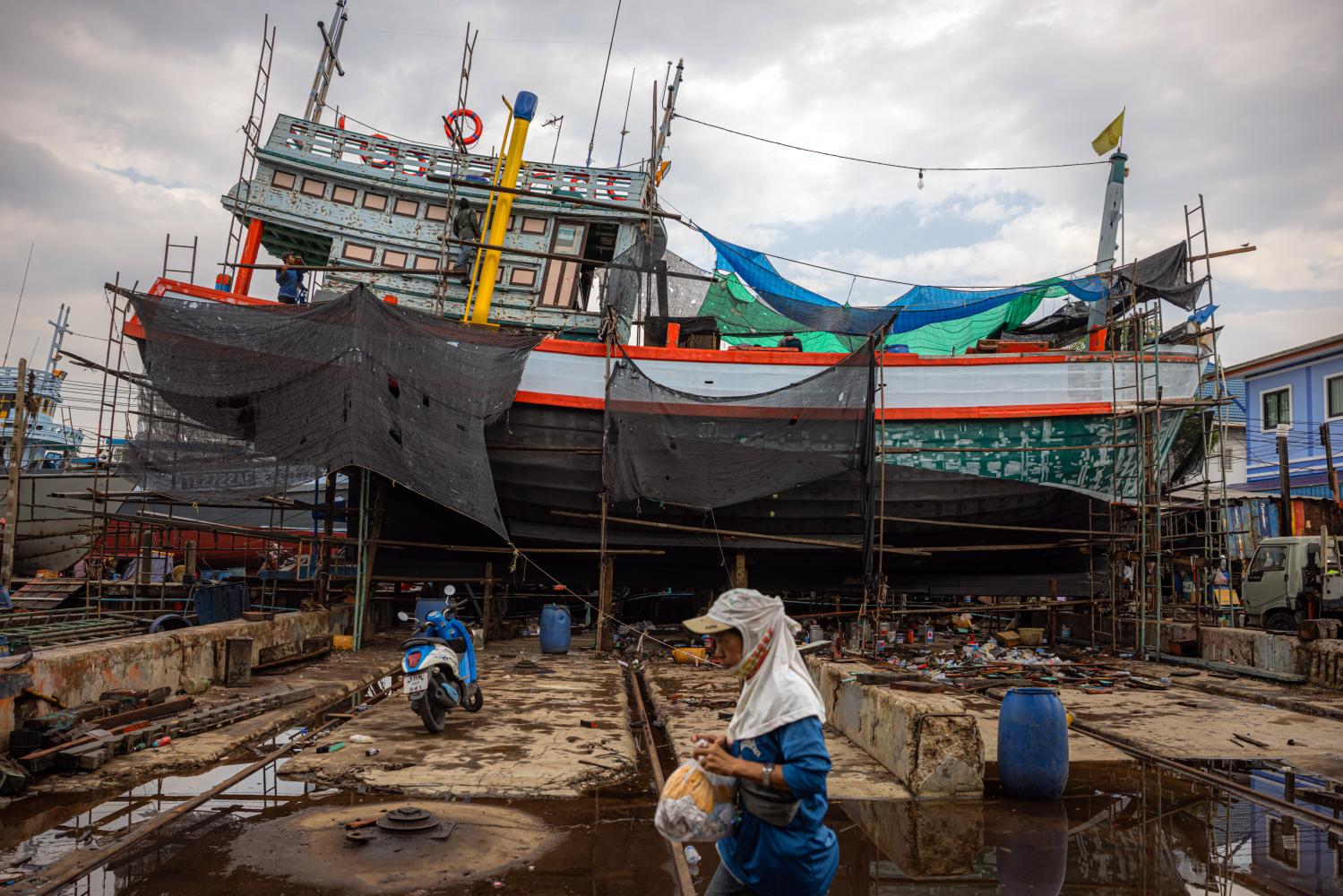
Oped, Imran Khalid, Published on 30/03/2026
» The global economy is currently tackling what may be the most significant energy disruption since the 1970s. The effective throttling of the Strait of Hormuz -- now seeded with Iranian Maham mines and subject to a tense, IRGC-monitored tolling system -- has physically severed the energy arteries that sustain the industrial heart of Southeast Asia.

City's green spaces losing ground
Oped, Thunpicha Greigarn, Published on 30/03/2026
» Like the body, most of Bangkok's battles happen beneath the surface. By the time you notice, the damage is already done.