



Showing 1 - 10 of 71

Nuanced Thai smiles
Oped, Postbag, Published on 09/01/2026
» Re: " 'Mai pen rai' paradox: from kindness to toxic silence", (Life, Jan 7). This is an excellent article, but alas goes down a rabbit hole, akin to mitigating daily road fatalities and addressing other issues often lamented in this column that we're acquainted with.

What would happen if Khamenei falls?
Oped, Gwynne Dyer, Published on 05/01/2026
» The demonstrations began again in Iran last week, only two years after the "Woman, Life, Freedom" movement convulsed the country for months. However, the current protests are potentially much broader than that episode because they are driven by the collapse in Iran's currency, the rial (now 1,420,000 to the US dollar), and the explosive rise in the cost of living.
Time for Indo-Pacific unity is now
Oped, Akihisa Nagashima, Published on 26/12/2025
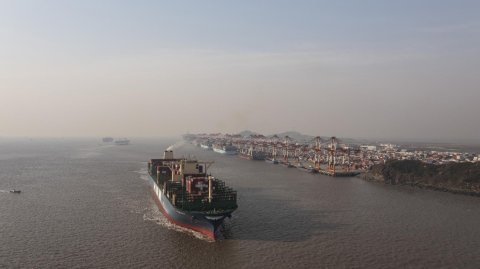
» We are living in an age of global disruption. Supply chains are being reconfigured to avoid dependence on any one producer or country. Trade ties are being upended by high and unpredictable tariffs (and the threat of more). Longstanding alliances are being strained by doubts about partners' reliability.
The treacherous sycophancy of the populists
Oped, Michael Burleigh, Published on 15/12/2025
» Until a few days ago, it had never crossed my mind that people across Europe -- including Londoners like me -- were living in a strife‑afflicted hell hole, "suffocated" by regulations, stripped of political liberties, and bound for "civilisational erasure". So, it was with some surprise that I read this assessment in the new US National Security Strategy -- a document that echoes pseudo‑intellectual propaganda more than resembling any serious foreign‑policy analysis.

AI as Asia's new growth engine?
Oped, Lee Jong-wha, Published on 27/11/2025
» Two decades after globalisation fuelled a global economic boom, growth has shifted onto a more subdued path, where it is likely to remain for the foreseeable future. Beyond the immediate shock of fragmenting trade and investment ties -- a result of rising geopolitical tensions, particularly between the United States and China -- lie structural headwinds, including population ageing, stagnant productivity, and the growing costs of inequality and natural disaster. These challenges strike at the heart of Asia's growth model.

A paradigm shift for animal tests
Oped, Peter Singer & Sankalpa Ghose, Published on 17/10/2025
» Even in an era of intense political polarisation, there are still moments when a bipartisan consensus can emerge around important ethical issues. One such moment is happening now. Last April, the United States Food and Drug Administration released its "Roadmap to Reducing Animal Testing in Preclinical Safety Studies". The FDA said that it was taking "a groundbreaking step" that would advance public health and limit wasteful expenditure by replacing animal testing with "more effective, human-relevant methods".

Authoritarians' brave new cities
Oped, Robert Muggah & Carlo Ratti, Published on 23/09/2025
» Few policy ideas are as radical -- or as misleadingly packaged -- as "freedom cities". Championed by Silicon Valley's techno-libertarian elite and recently embraced by right-wing politicians like Donald Trump, the idea is to create digitally powered, master-planned enclaves of deregulated innovation.
Future utopias stumble over governance
Oped, Joe Mathews, Published on 20/08/2025
» In 2020, the rapper Akon declared he would build his own eponymous city on the site of the coastal village of Mbodiène, Senegal.

Artificial intelligence is not your friend
Oped, Peter G. Kirchschläger, Published on 18/08/2025
» Meta CEO Mark Zuckerberg and OpenAI's Sam Altman have been aggressively promoting the idea that everyone -- children included -- should form relationships with AI "friends" or "companions". Meanwhile, multinational tech companies are pushing the concept of "AI agents" designed to assist us in our personal and professional lives, handle routine tasks, and guide decision-making.
The climate challenge as a development opportunity
Oped, Navroz K Dubash, Published on 06/06/2025
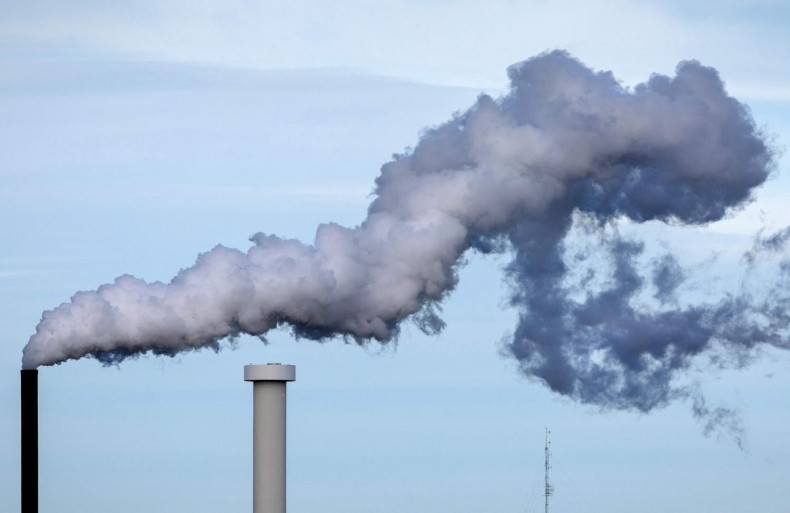
» When climate change is framed as a global problem requiring collective regulation of greenhouse-gas emissions, developing-country governments see little reason to prioritise the issue over others. After all, the rich, industrialised countries who contributed disproportionately to the problem are themselves backing away from decarbonisation and climate-finance commitments, while low-income countries bear the brunt of the costs of climate change. Decision-makers in developing countries understandably conclude it may be more rational to hunker down and focus on climate resilience rather than emissions reductions.