




Showing 1 - 10 of 153
Surviving the collapse of the population
Oped, Gwynne Dyer, Published on 13/02/2026
» 'To them that hath shall [more] be given" is generally a reliable guide, especially in economic matters, but it doesn't work if the beneficiaries are too stupid to take advantage of the gift. The scarce and precious commodity in this case being people, who are in increasingly short supply.
Reinvent Thailand to revive growth
Oped, Boonwara Sumano, Published on 11/02/2026
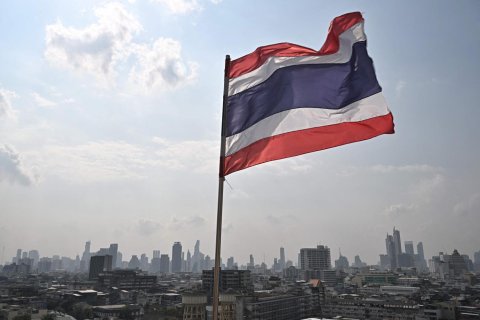
» In the 1990s, Thailand ranked second in Asean for state performance, behind only Singapore. Today, we trail several neighbours. This decline has unfolded gradually over three decades -- through repeated economic crises, institutional stagnation, and reforms that never quite went far enough. What is different today is that the cost of inaction has become far more dangerous.

Thin buyer guide
Oped, Postbag, Published on 11/02/2026
» Re: "Choosing the right air purifier for Thailand's rising air pollution", (Life, Feb 8).

Voters' choice merits respect
Oped, Editorial, Published on 09/02/2026
» Thailand's general election concluded yesterday amidst a nationwide atmosphere of anticipation, civic engagement and hope for the country's direction. By last night and into today, the outcome of the count has, in all likelihood, become broadly apparent to the public, setting the stage for the next crucial phase of our democracy.
How to feed the world's ten billion people
Oped, Yurdi Yasmi, Published on 22/01/2026
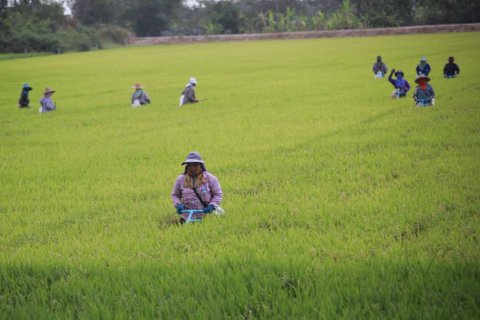
» With the world struggling to feed eight billion people today, how will we feed ten billion by 2050?
A view of global power with a gangster's eye
Oped, Jayati Ghosh, Published on 20/01/2026
» There is a method behind the apparent madness of US President Donald Trump's transactional, spheres-of-influence approach to geopolitics and the global economy. Nowhere has this logic been clearer than in his administration's illegal abduction of Venezuelan President Nicolás Maduro and its ongoing efforts to secure control of the country's oil reserves by installing a client regime.
When infrastructure meets AI
Oped, Bertrand Badré & Saurabh Mishra, Published on 16/01/2026
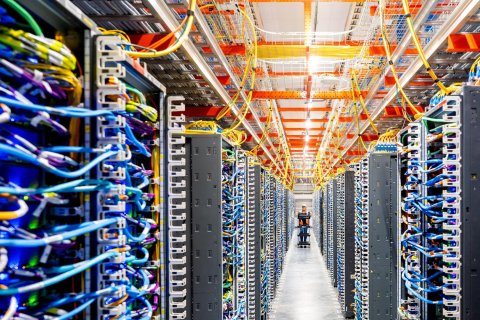
» Infrastructure investment is booming. Around the world, governments are pouring trillions of dollars into roads, power grids, data centres, water systems, and housing, with many responding to intensifying climate shocks and the growing need for adaptation. Yet the construction industry -- the single largest force physically reshaping the planet -- is among the last major sectors to unlock all the benefits that digital technology offers. As a result, it accounts for about 21% of greenhouse-gas emissions, produces half of global landfill waste, and overspends by US$1.6 trillion a year.

Taking the National Universal Health Coverage experience global
Oped, Catharina Boehme, Published on 11/12/2025
» As Thailand convenes its National Universal Health Coverage (UHC) Conference 2025, the stakes could hardly be higher. The world is navigating a period of profound transition in financing of health and development. Traditional sources of global support are shifting, while new pressures -- from climate change to ageing populations -- are reshaping national health priorities. In this dynamic landscape, Thailand's leadership on UHC is both timely and essential, building on the nation's sustained progress toward achieving health for all. The World Health Organization (WHO) is looking to this conference for guidance on how best to advocate for renewed and sustained investment in health across all sectors.

Climate disasters demand swift action
Oped, Genevieve Donnellon-May, Published on 10/12/2025
» Southeast Asia is in crisis. Less than a week after the United Nations Climate Change Conference (COP30) concluded in Brazil, the region is grappling with devastating floods and landslides, underscoring the urgent climate challenges that countries have repeatedly raised on the global stage.
Early education transforms lives
Oped, Justin van Fleet & Pia Rebello Britto, Published on 09/12/2025
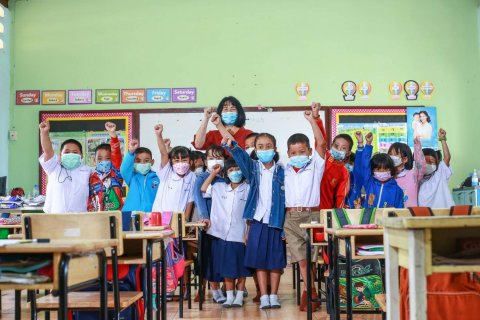
» The leaders' declaration adopted at the end of the recent G20 summit in South Africa reaffirmed the group's commitment to tackling some of the world's most pressing challenges, from inequality and long-running conflicts to AI and climate change. It also marked a historic milestone: for the first time, the G20 identified education as one of its top global priorities.