



Showing 1 - 9 of 9
A lesson in geoengineering for grown-ups
Oped, Gwynne Dyer, Published on 18/12/2025
» A few days ago the European Union's Earth Observation programme, "Copernicus", made a special announcement at the end of its monthly report on the state of the climate. It said that the average global temperature for the past three years (2023-2025) has been 1.5 degrees Celsius above the pre-industrial level. That's the level we were warned that we must never exceed.

Why global governance is failing badly
Oped, Antara Haldar, Published on 14/03/2025
» The United Nations was established in 1945, succeeding the failed League of Nations, to pull humanity back from the brink of self-destruction. It was a bold experiment in collective security, designed to prevent another world war and manage conflicts through diplomacy rather than violence.
Ozone layer recovery offers hope
Oped, Robert Redford & Xiye Bastida, Published on 30/04/2024
» There was a time, not so long ago, when the depletion of Earth's ozone layer seemed like an insurmountable challenge. Decades of using harmful chemicals, such as chlorofluorocarbons (CFCs), had threatened to cause irreparable damage to our planet. Without swift action, we faced the risk of climate destabilisation, ecosystem collapse, and the breakdown of our food system. Consequences that were once almost unthinkable became painfully real.
Covid strikes again
Oped, Postbag, Published on 06/01/2024
» Re: "Covid cases surge after NY holidays", (BP, Jan 3).
Boing! The Anthropocene is upon us
Oped, Gwynne Dyer, Published on 18/07/2023
» 'I was there when the Anthropocene was born. It was so amazing," said Dr Katherine Richardson, leader of the Sustainability Science Centre at the University of Copenhagen. "It was actually in 2000, at one of these meetings of the International Geosphere-Biosphere Programme Scientific Steering Committee."

Can democracy survive the polycrisis?
Oped, George Soros, Published on 16/06/2023
» We are living in troubled times. Too much is happening too fast. People are confused. The Columbia University economic historian Adam Tooze has, indeed, popularised a word for it. He calls it a "polycrisis".
Threat of air pollution, climate change
Oped, Chris Malley & Diane Archer & Johan Kuylenstierna & Eric Zusman, Published on 10/06/2023
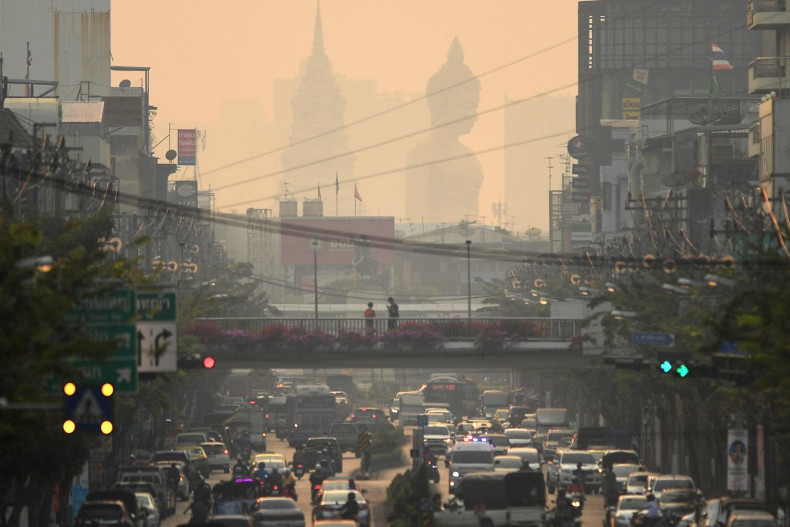
» In some parts of the world, air pollution is called an "invisible killer" because it cannot be seen in the atmosphere but greatly impacts human health. Unfortunately, levels of air pollution in Thailand are often so far in excess of World Health Organization (WHO) guidelines to protect health that the invisible killer is recognisable across urban and rural landscapes. At least 40,000 premature deaths occur in Thailand every year due to air pollution exposure and the respiratory, cardiovascular, lung cancer, and other diseases it causes, making it arguably the single greatest environmental threat to the health and well-being of Thailand's population.
Confronting the global water crisis head-on
Oped, Mariana Mazzucato, Ngozi Okonjo-Iweala, Johan Rockström & Tharman Shanmugaratnam, Published on 23/03/2023
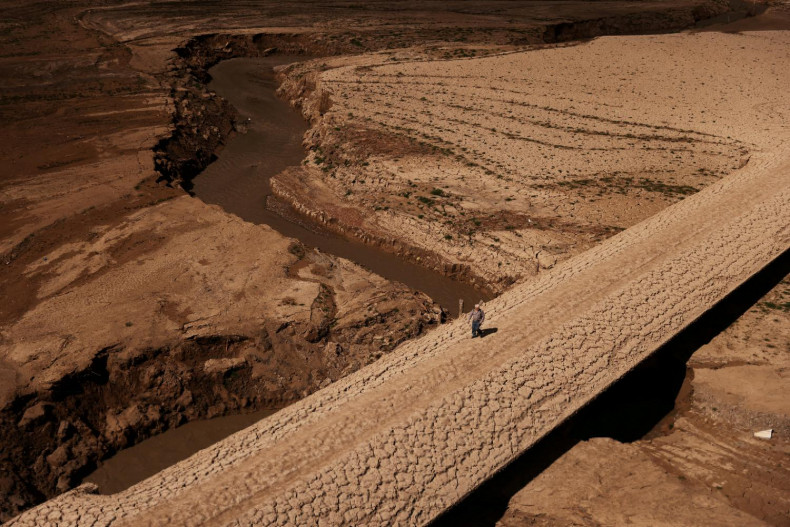
» The world's water crisis can no longer be ignored. Unless we manage water properly, we will neither tackle climate change nor meet most of the Sustainable Development Goals (SDGs).
Reform the economics and governance of water
Oped, Mariana Mazzucato, Ngozi Okonjo-Iweala, Johan Rockström and Tharman Shanmugaratnam, Published on 30/09/2022
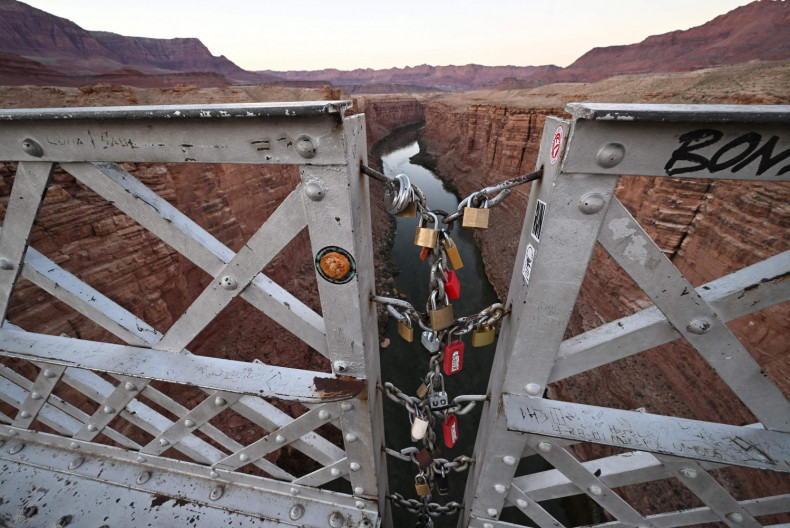
» The floods, droughts, heatwaves, and fires that are devastating many parts of the world underscore two fundamental facts. First, damage to freshwater supplies is increasingly straining human societies, especially the poor, with far-reaching implications for economic, social, and political stability. Second, the combined impact of today's extreme conditions is unprecedented in human history and is overwhelming policymakers' ability to respond.