



Showing 1 - 10 of 34
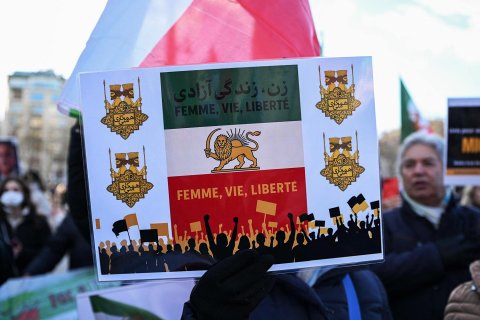
What would happen if Khamenei falls?
Oped, Gwynne Dyer, Published on 05/01/2026
» The demonstrations began again in Iran last week, only two years after the "Woman, Life, Freedom" movement convulsed the country for months. However, the current protests are potentially much broader than that episode because they are driven by the collapse in Iran's currency, the rial (now 1,420,000 to the US dollar), and the explosive rise in the cost of living.
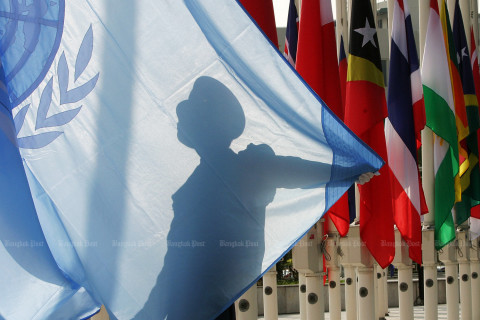
UN assembly shadowed by clouds of chaos
Oped, John J. Metzler, Published on 03/09/2025
» When the new UN General Assembly session opens next Tuesday, world leaders and diplomats will commemorate the 80th anniversary of the global organisation established in the wake of World War II to "maintain international peace and security" for future generations. But at headquarters here oin New York, delegates and staff will be doing far less celebrating than previously planned.
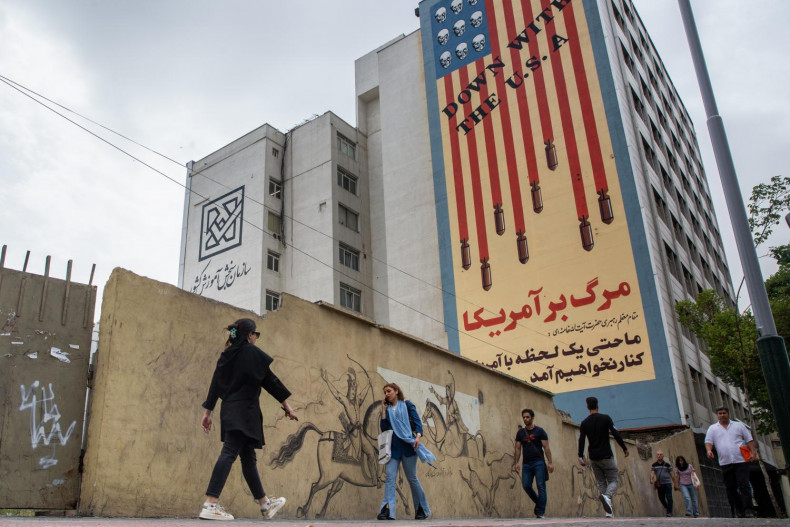
Nuclear proliferation cannot be bombed away
News, Mohamed ElBaradei, Published on 05/07/2025
» In 1966, the United States, the Soviet Union, the United Kingdom, France, and China not only were the only countries that possessed nuclear weapons; they also had enough wisdom to recognise the dangers posed by nuclear proliferation. Despite their many and deep political differences, they arrived at a consensus to halt the further dissemination of "nuclear weapons or other nuclear explosive devices".
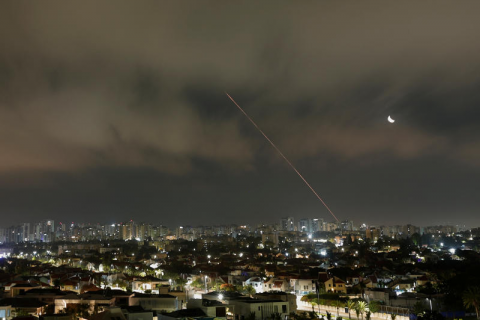
Israel hits hard and fast to stop Iranian threat
News, John J. Metzler, Published on 21/06/2025
» Well, it seems to have started. Israeli airstrikes on Iran's nuclear research and development sites have ushered in a new phase of the Middle East conflicts, which began when Tehran's Hamas terrorist proxies invaded Israel on Oct 7, 2023, murdering 1,200 people and taking 254 hostages.
The Houthi threat to global shipping
Oped, John J. Metzler, Published on 28/03/2025
» Amidst the unpredictable arc of crisis shadowing the Middle East, the systemic and sustained merchant shipping attacks in the Red Sea persist. The culprits are a shadowy but lethal Iranian proxy force, the Houthis, who use their control of mountainous parts of the Yemeni coast to launch missile, drone and speedboat attacks on vital shipping lanes connecting the Mediterranean with the Gulf of Aden.

Here's looking forward to a calmer 2025
News, John J. Metzler, Published on 06/01/2025
» In the swirling whirligig of world events, the past year 2024 was nearly like no other. Extraordinary but often jarring occurrences mixed in a hodgepodge of hope, joy and despair as crucial elections were won and lost, regional conflicts exploded and humanitarian crises boiled over with sickening predictability.
Chronicling the crumbling of the House of Assad
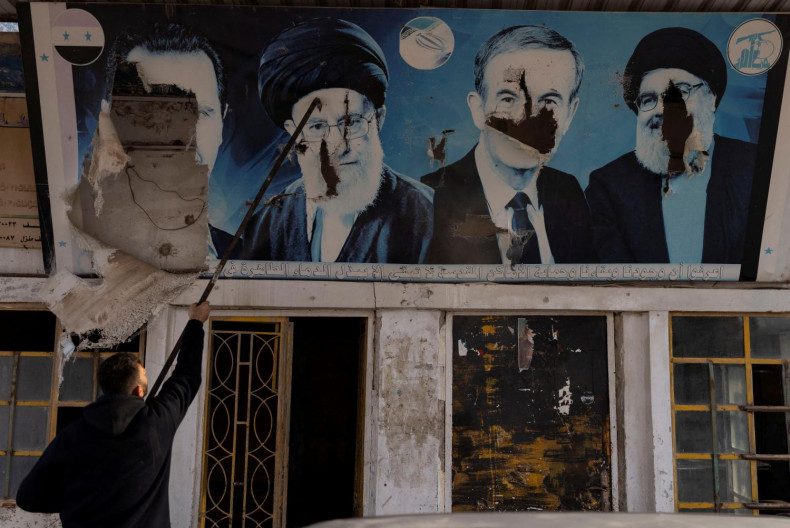
Oped, Shlomo Ben-Ami, Published on 14/12/2024
» The swift collapse, after 54 years, of Syria's al-Assad dynasty has just transformed the Middle East's geopolitical landscape. The lightning offensive by the Islamist Hayat Tahrir al-Sham (HTS) militia took all of Syria's neighbours -- and everyone else -- by surprise. The news that President Bashar al-Assad had fled to Russia confirms the one binding truth about wars: unintended consequences can extend far beyond the theatre of battle.

Syria: It's those jihadis on the march again
News, Gwynne Dyer, Published on 04/12/2024
» One week in, the ceasefire in Lebanon seems to be holding, but everything is connected: only three days later, the civil war in Syria started up again after a de facto four-year truce.
Trillions at risk in Gulf investments
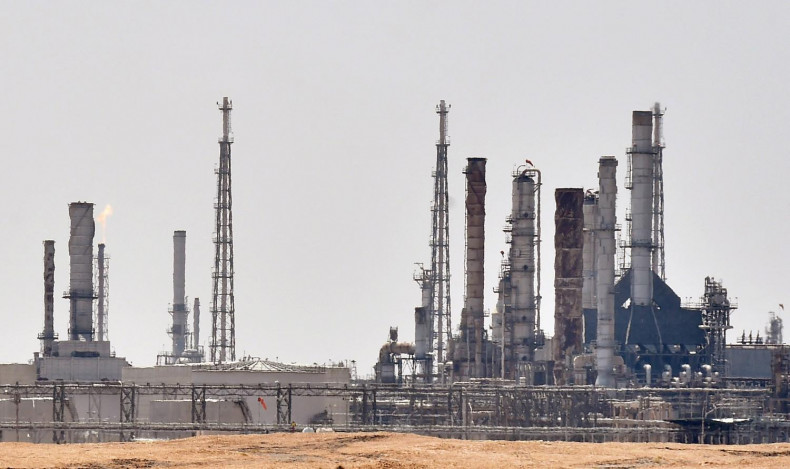
News, Mike Dolan, Published on 25/10/2024
» Fears that Middle East instability would create an energy price shock have proven unfounded over the past year. But investors may be thinking about this crisis' potential risk premium in the wrong way. Instead of focusing solely on energy prices, they should consider what could happen if an escalating conflict impacts Gulf states' trillions in global investments.
Kabul collapse emboldened global despots
News, John J. Metzler, Published on 16/08/2024
» The collapse of Afghanistan to the Taliban three years ago on Aug 15 signalled an inflection point on the geopolitical scene. While the appalling stupidity of the Biden/Harris administration's botched and humiliating withdrawal of US forces from this South Asian land stained and sullied the reputation of the United States, the fiasco equally opened the floodgates to the deluge of refugees fleeing the toppled Afghan government in Kabul.