




Showing 1 - 10 of 28

TV plays shameful jingoism card
Oped, Editorial, Published on 19/10/2025
» A television programme which allowed critics to castigate human rights advocates including Senator Angkhana Neelapaichit for their views on the Thai-Cambodian conflict has shed new light on the dire need to regulate some unprofessional media.
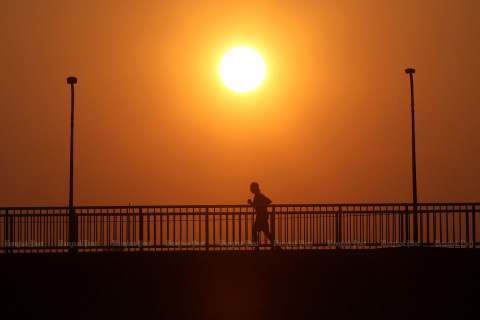
Here's to all the useful ghosts of our history
Oped, Kong Rithdee, Published on 28/08/2025
» Ghosts are useful because they remind us of the unresolved, the unsettled, the unfinished -- in life, love, politics, or history. The film of the moment hitches onto that idea and takes it far, as far as the Cannes Film Festival, and now it has been picked as Thailand's representative for the Oscars.

Painting Pakistan
Oped, Postbag, Published on 30/04/2025
» Re: "India and Pakistan troops exchange fire", (World, April 28).
The Houthi threat to global shipping
Oped, John J. Metzler, Published on 28/03/2025
» Amidst the unpredictable arc of crisis shadowing the Middle East, the systemic and sustained merchant shipping attacks in the Red Sea persist. The culprits are a shadowy but lethal Iranian proxy force, the Houthis, who use their control of mountainous parts of the Yemeni coast to launch missile, drone and speedboat attacks on vital shipping lanes connecting the Mediterranean with the Gulf of Aden.
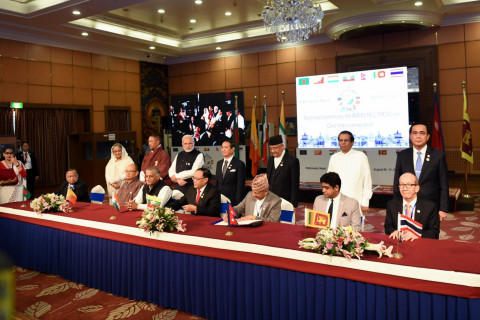
Bimstec to put regional ties to the test
Oped, Kavi Chongkittavorn, Published on 25/03/2025
» On April 4, leaders from the seven countries surrounding the Bay of Bengal will converge in Bangkok to chart a common future amid dramatic shifts in the global geopolitical landscape.
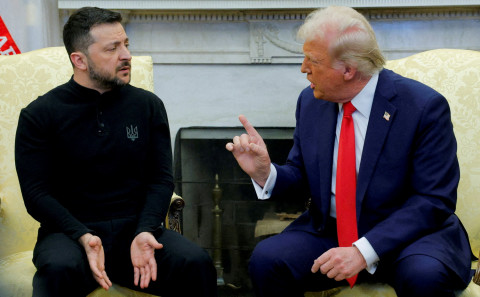
Farewell Nato: The late, great military alliance
Oped, Gwynne Dyer, Published on 05/03/2025
» The North Atlantic Treaty Organisation (Nato) retired to its sickbed as soon as Donald Trump won the presidential election last November. It finally died last Friday in the White House, when Mr Trump and Vice-President JD Vance launched a vicious attack on Ukrainian President Volodymyr Zelensky before the massed cameras of the American media.

Energy ghost resurrected
Oped, Editorial, Published on 14/09/2024
» Each new government must apparently now have its own "flagship" energy policy.
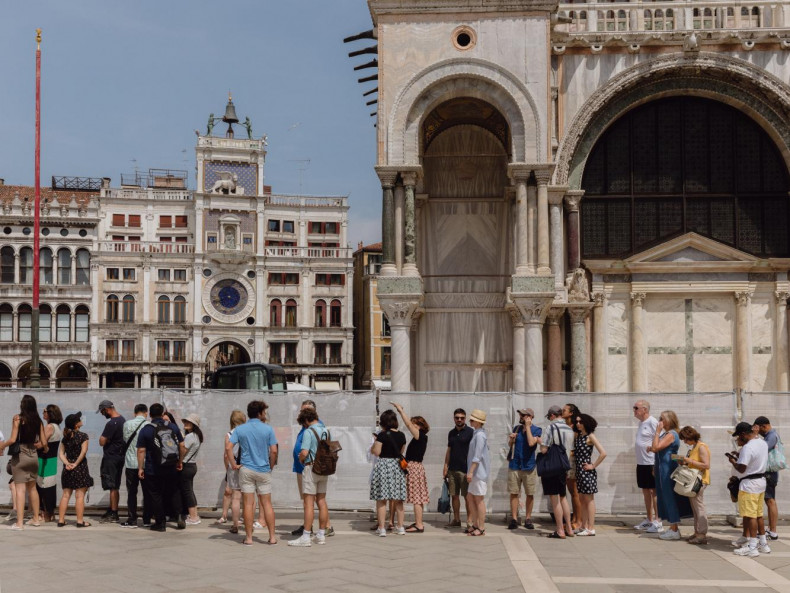
Venice suffers from 'beauty curse'
Oped, Edoardo Campanella, Published on 10/09/2024
» Countries with great wealth or natural abundance often fall victim to their own blessings. Economists have long known that resource-rich countries can get stuck in cycles of slow economic growth, intense environmental degradation, and weak democratic institutions. But places endowed with a unique artistic and architectural heritage also can suffer from this "resource curse". Breathtaking monuments from a storied past can generate economic rents and sectoral distortions, not unlike those created by large reserves of fossil fuels and precious minerals.

Deep dive into Indo-Pacific dreamscape
Oped, Vitit Muntarbhorn, Published on 02/08/2024
» Is the term "Indo-Pacific" an illusion? Or is it a defined concept, a geographical configuration, a channel for connectivity, and/or a confining strategy? Perhaps it embodies an all-embracing blend, waiting for the onlooker to dive deep into political undercurrents. It may also be time to move beyond the landscape and the seascape and even leave the dreamscape behind.
Still haunted by Washington Consensus
Oped, Antara Haldar, Published on 11/06/2024
» In 1989, the British economist John Williamson christened what was to become the defining intellectual export of the era of globalisation: the Washington Consensus. Initially a reference to the policies adopted to tackle macroeconomic turmoil in Latin America, the term quickly morphed into a canonical "ten commandments" of development.