



Showing 1 - 10 of 177

Long stay doubts
Oped, Postbag, Published on 24/03/2026
» Re: "30-day visa-free stay 'sufficient', says minister", (BP, March 21) & "Thailand reviewing visa-free stays as local complaints pile up" & "Phuket up in arms on long‑stay visa", (BP, March 18).

When being neutral is no safeguard
Oped, Philip J Cunningham, Published on 18/03/2026
» 'Don't worry about it, we are neutral!" was Thailand's flippant response to the Islamist terrorist attack on America in 2001 when hijacked jets carrying innocent passengers and filled to the brim with aviation fuel smashed into the Twin Towers and the Pentagon on Sept 11.

How world's super-rich are rewriting the rules
Oped, Joseph E Stiglitz & Jayati Ghosh, Published on 13/02/2026
» Ongoing efforts to derail multilateral tax cooperation lie at the heart of a global programme to replace democratic governance with coercive rule by the extremely wealthy -- or what we call 21st-century Caesarism. Any strategy to counter this programme, therefore, must recognise that taxing extreme wealth is essential to saving democracy.
The treacherous sycophancy of the populists
Oped, Michael Burleigh, Published on 15/12/2025
» Until a few days ago, it had never crossed my mind that people across Europe -- including Londoners like me -- were living in a strife‑afflicted hell hole, "suffocated" by regulations, stripped of political liberties, and bound for "civilisational erasure". So, it was with some surprise that I read this assessment in the new US National Security Strategy -- a document that echoes pseudo‑intellectual propaganda more than resembling any serious foreign‑policy analysis.
Socialism's novel brand of nomenclature
Oped, John J Metzler, Published on 18/11/2025
» On Nov 9, 1989, the Berlin Wall collapsed. On a very ordinary night, thousands of East Germans started crossing the dividing barrier between the communist East and capitalist West Berlin after the East German regime had suddenly opened tightly controlled border crossings. In a matter of hours, history was made. Throngs of people soon swamped the Wall and then started smashing the hated communist barrier into concrete rubble.
Tackling Thai-Cambodian border row
Oped, William Roth, Published on 12/11/2025
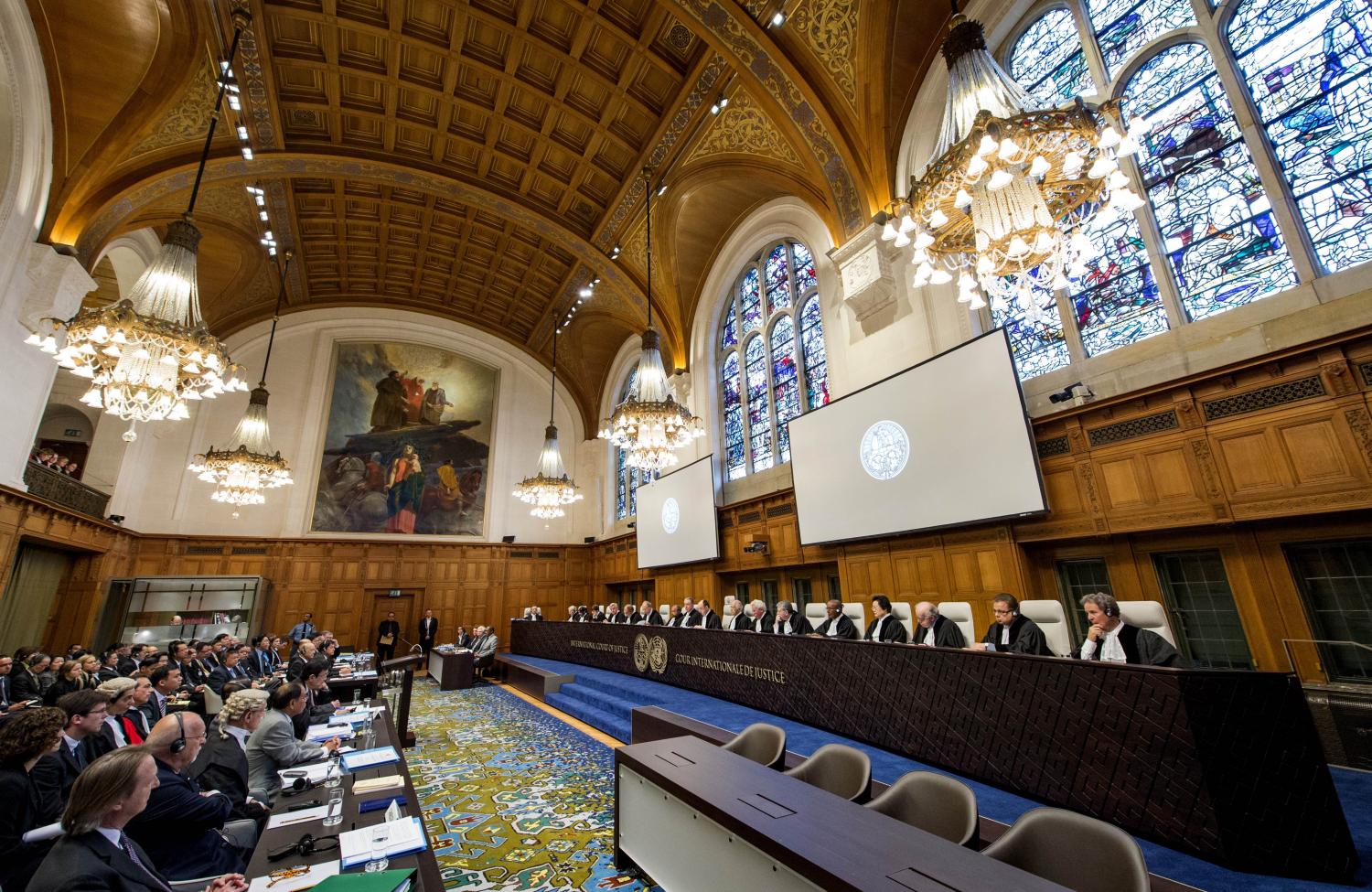
» The tragic landmine injuries on Monday to two Thai soldiers have cast doubt on whether the ceasefire agreement with Cambodia will hold. But, even if it does, one also has to wonder whether either country really wishes to have lasting peace along this border. After all, for over 70 years, both countries, for domestic political purposes, have periodically used the continuing uncertainty about the actual boundary line to whip up nationalist sentiment.
France stumbles through an autumn of woe
Oped, John J. Metzler, Published on 05/11/2025
» France has faced a tumultuous autumn. The usual strikes, government shuffles, and sensational events -- from a high-profile daylight heist at the world-famous Louvre Museum to the imprisonment of a former president -- have characterised a disquieting period.
What to learn from enforced errors of the past
Oped, Jacques Attali, Published on 28/10/2025
» Every generation believes it is living in an unprecedented era with unique challenges. But time and again, the same patterns and motivations have weakened and even destroyed civilisations, or strengthened them and enabled them to flourish. To learn from the past requires recognising its symmetries and resonances.

Govts need to balance ethics, AI innovation
Oped, J. P. Singh, Published on 27/10/2025
» The biggest governance dilemma in AI is setting guidelines for the technology's ethical use without unduly weakening the incentive to innovate.
Symbolic acts won't create a real Palestine
Oped, Gwynne Dyer, Published on 25/09/2025
» Ten more countries are recognising Palestine as a sovereign state in the course of this week. That brings the total up from 147 to 157. It's a big deal to an extent because for the first time it includes quite a few big, rich Western countries (France, the UK, Canada and Australia). But it is not unified, and it still controls no territory.