




Showing 1 - 10 of 62
Diversification key to surviving volatility
Oped, Sally Tyler, Published on 13/03/2026
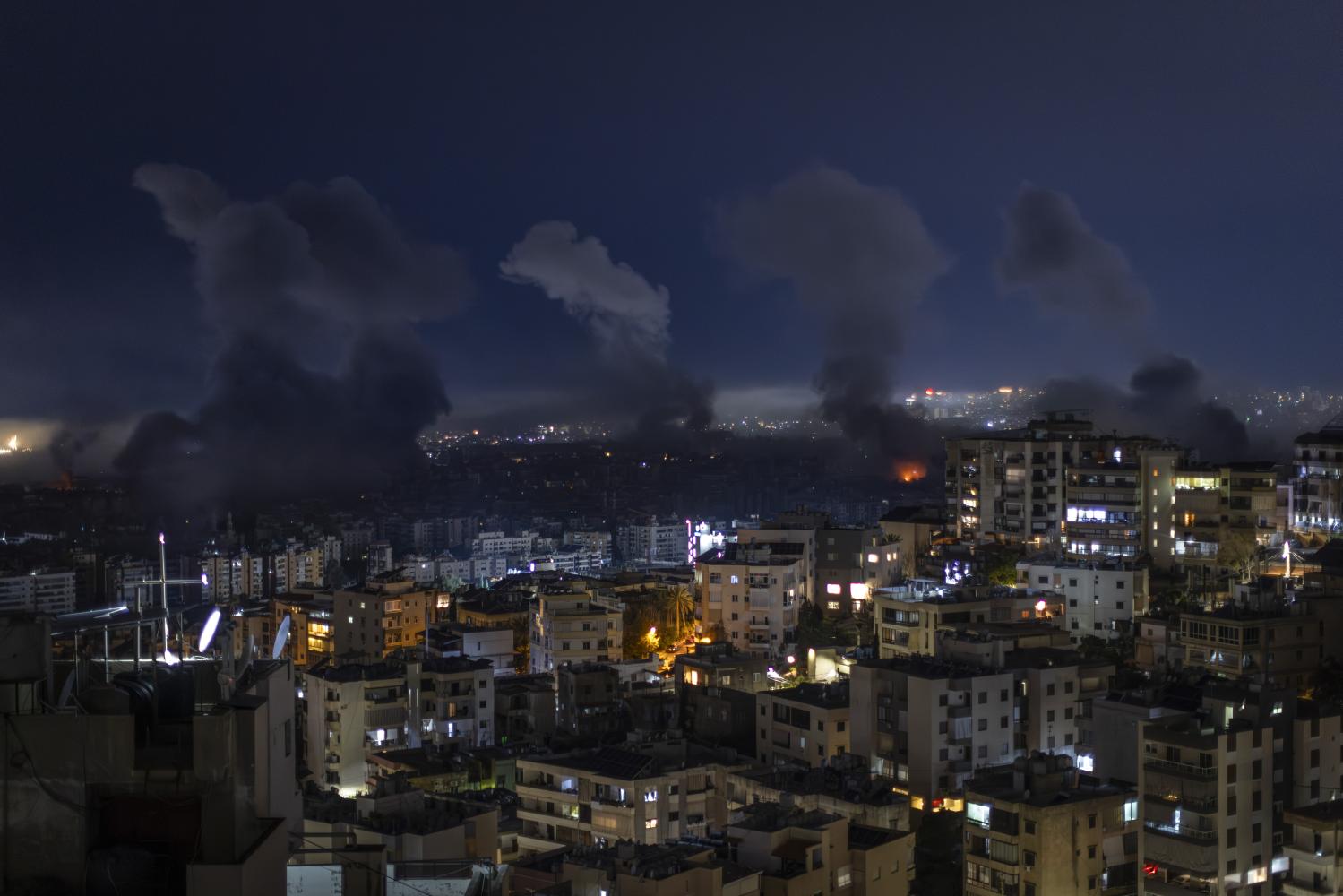
» On the day I am writing this editorial, I was meant to be travelling to Bangkok for one of my periodic visits to a city I have grown to love. I am always keen to shave off a few hours from a long-haul flight, which means the shortest flight path from my home in Washington, DC, would take me through Abu Dhabi, but my flight was cancelled like thousands of others due to the ongoing conflict in the Mideast. My inconvenience is nothing compared to the destruction endured by those on the ground, but it illustrates the expanding global impact of the US/Israel/Iran War.
Carney's speech signals end of Western illusions
Oped, Antara Haldar, Published on 27/02/2026
» When the late playwright Tom Stoppard's Rock 'n' Roll first opened 20 years ago, it was deeply personal for me as a student at Cambridge studying film in Prague. A meditation on the clash between communism and capitalism in Czechoslovakia (now the Czech Republic and Slovakia), it dwelt on the confrontation between high theory and lived reality in a way that moved me profoundly. Two decades later, Canadian Prime Minister Mark Carney's recent speech in Davos felt like the sequel.

AI will transform business, not just our jobs
Oped, Diane Coyle, Published on 25/02/2026
» Many people fear that AI could cause a "job-pocalypse". This year's Davos gathering sounded the alarm over the technology's implications for employment, while recent announcements about job cuts in white-collar industries are widely viewed as straws in the wind.
Minilateralism's necessary rise
Oped, Prabhat Upadhyaya & Saliem Fakir, Published on 23/02/2026
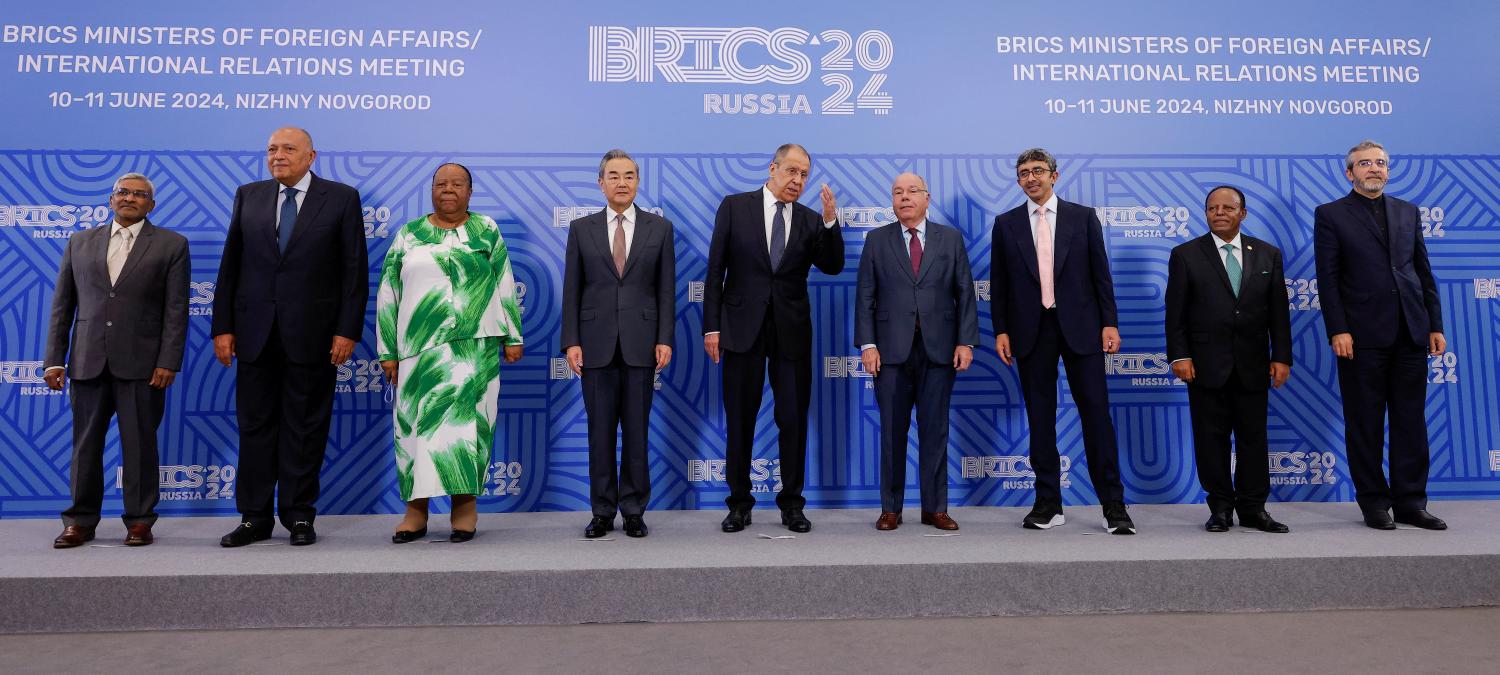
» If there was any doubt remaining about the return of great-power politics, it has been dispelled by US President Donald Trump's attack on Venezuela, threats to annex Greenland, and refusal to extend the New Start treaty limiting the nuclear arsenals of the United States and Russia. Such geopolitical upheavals are driven by "the will to power", as Adam Tooze has pointed out -- including "power over resources, purchasing power, the ability to resist the influence of others."
Asean's role in a new world order
Oped, Chartsiri Sophonpanich, Published on 16/02/2026
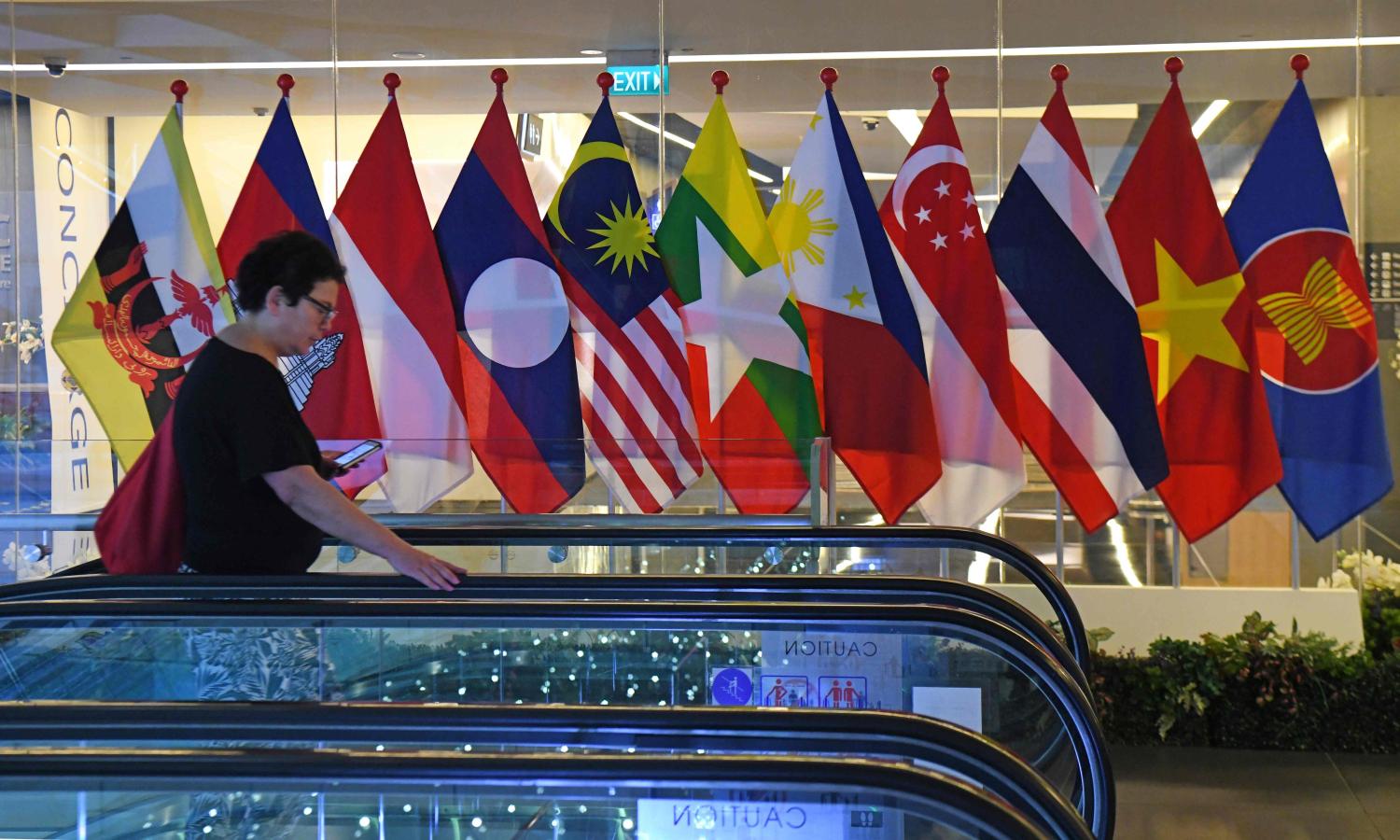
» Profound shifts are reshaping the global economy as political uncertainty, geopolitical rivalry and changing trade patterns disrupt the old world order, while a new one has yet to fully emerge.
Climate change discourse takes a new turn
Oped, Bjorn Lomborg, Published on 09/02/2026
» What a difference a single year makes. The once-dominant push to radically reshape society to avert climate catastrophe has collapsed. Look at Davos -- the talkfest long dominated by climate advocacy. That consensus has been abandoned by its once strongest proponents.

Middle powers can do their bit
News, Moreno Bertoldi & Marco Buti, Published on 02/02/2026
» Amid escalating geopolitical tensions, the world is increasingly caught between the United States -- an extractive superpower -- and China, a "dependency superpower" whose global influence rests on making other countries reliant on its exports. In the absence of meaningful resistance, both are likely to remain on this course, leaving middle powers to comply with their demands or face retaliation.
Thailand's responses to Board of Peace
Oped, Kavi Chongkittavorn, Published on 27/01/2026
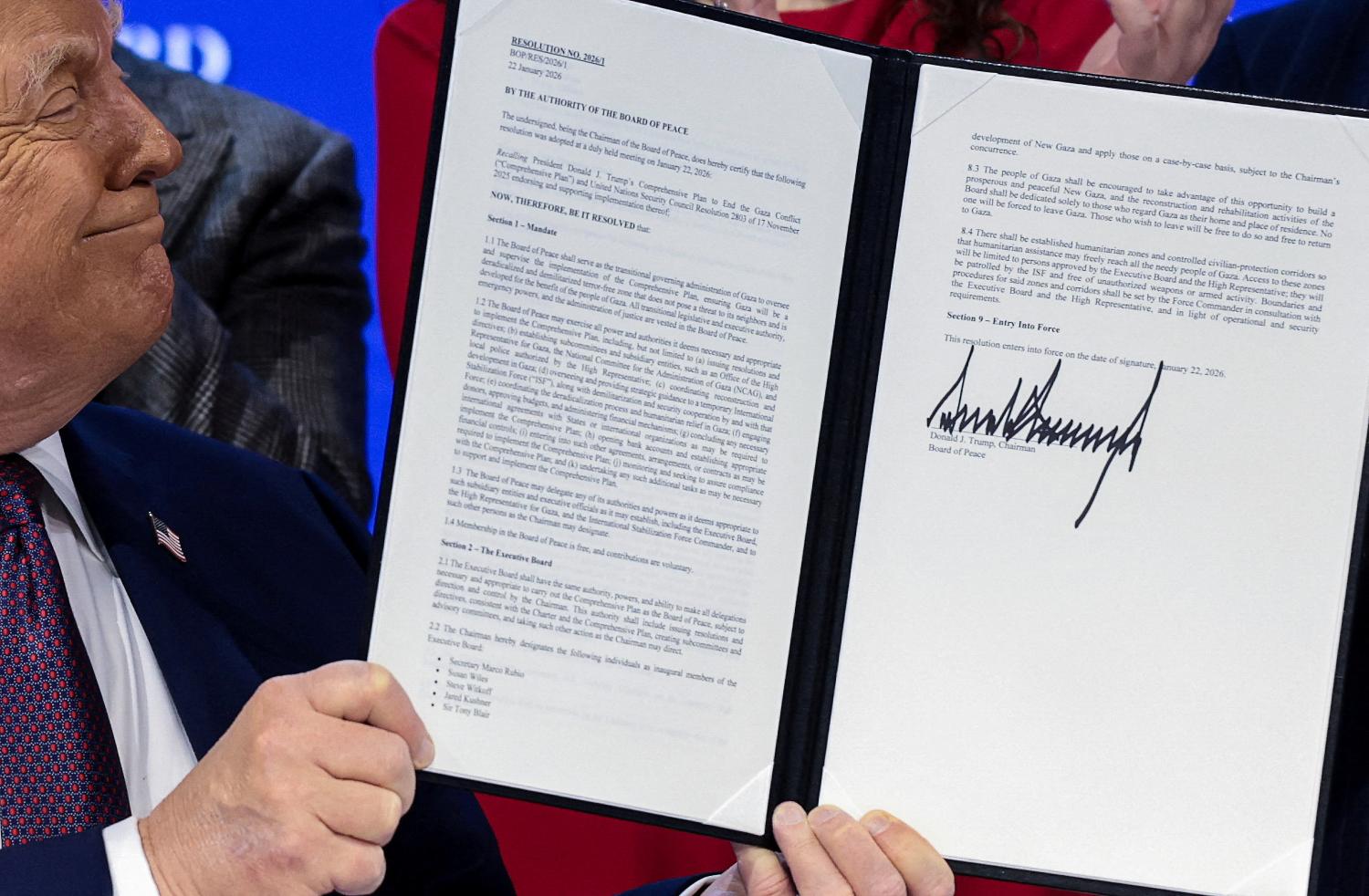
» US President Donald Trump's invitation to Thailand to join the Board of Peace (BOP) has elicited three distinct responses. The first two are succinct and clear in their rationale. The third, however, is more nuanced -- and notable for its ambivalence.
Trump's 'America First' in overdrive
News, Thitinan Pongsudhirak, Published on 23/01/2026
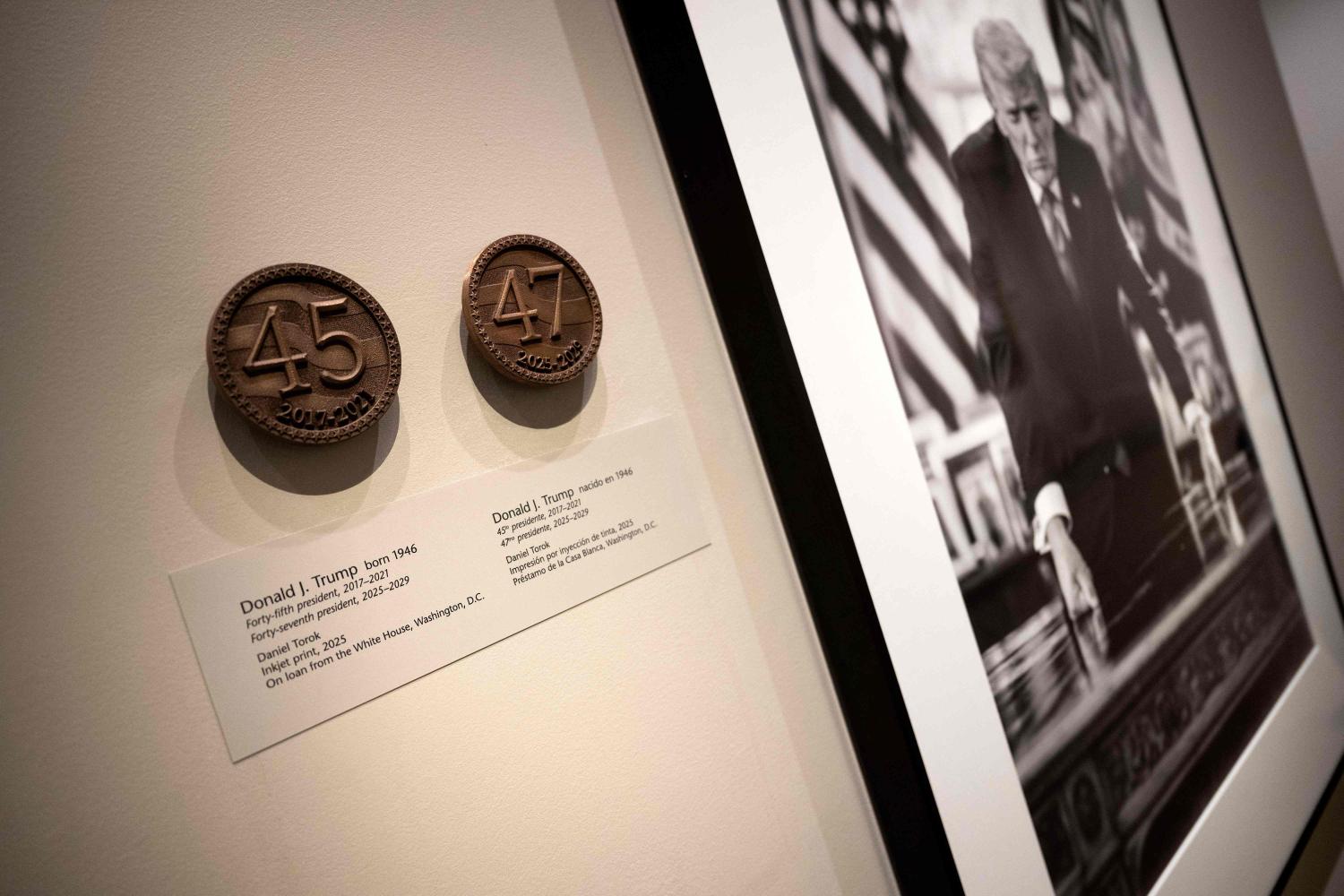
» President Donald Trump's extraterritorial capture of Venezuelan President Nicolas Maduro and his wife on cocaine-trafficking and terrorism-related charges earlier this month and repeated demand to take over Greenland at the World Economic Forum this week are part and parcel of a belligerent and transformative "America First" paradigm that dates back at least four decades.
It could take 1 Danish soldier in Greenland
News, Gwynne Dyer, Published on 23/01/2026
» In 1910, Henry Wilson, the British army officer charged with planning for a possible war with Germany, visited the French officer doing the same job in Paris, Ferdinand Foch. The Anglo-French alliance was still a tentative, semi-secret thing, so Wilson asked Foch, "What is the smallest British military force that would be of any practical assistance to you?"