




Showing 1 - 10 of 1,438

Myanmar looks east again in search of legitimacy
Oped, Larry Jagan, Published on 17/04/2026
» Myanmar understands it needs to reach out to the world if it is to end its isolation and roll back the sanctions much of the West has levied against it. To this end, the men in green, now in civilian clothes, are seeking the support of traditional allies -- China and Asean, especially Thailand -- as well as Bangladesh and Pakistan, in an effort to reset foreign policy and regain international acceptance.
Modern-day mispricing of war
Oped, Antara Haldar, Published on 09/04/2026
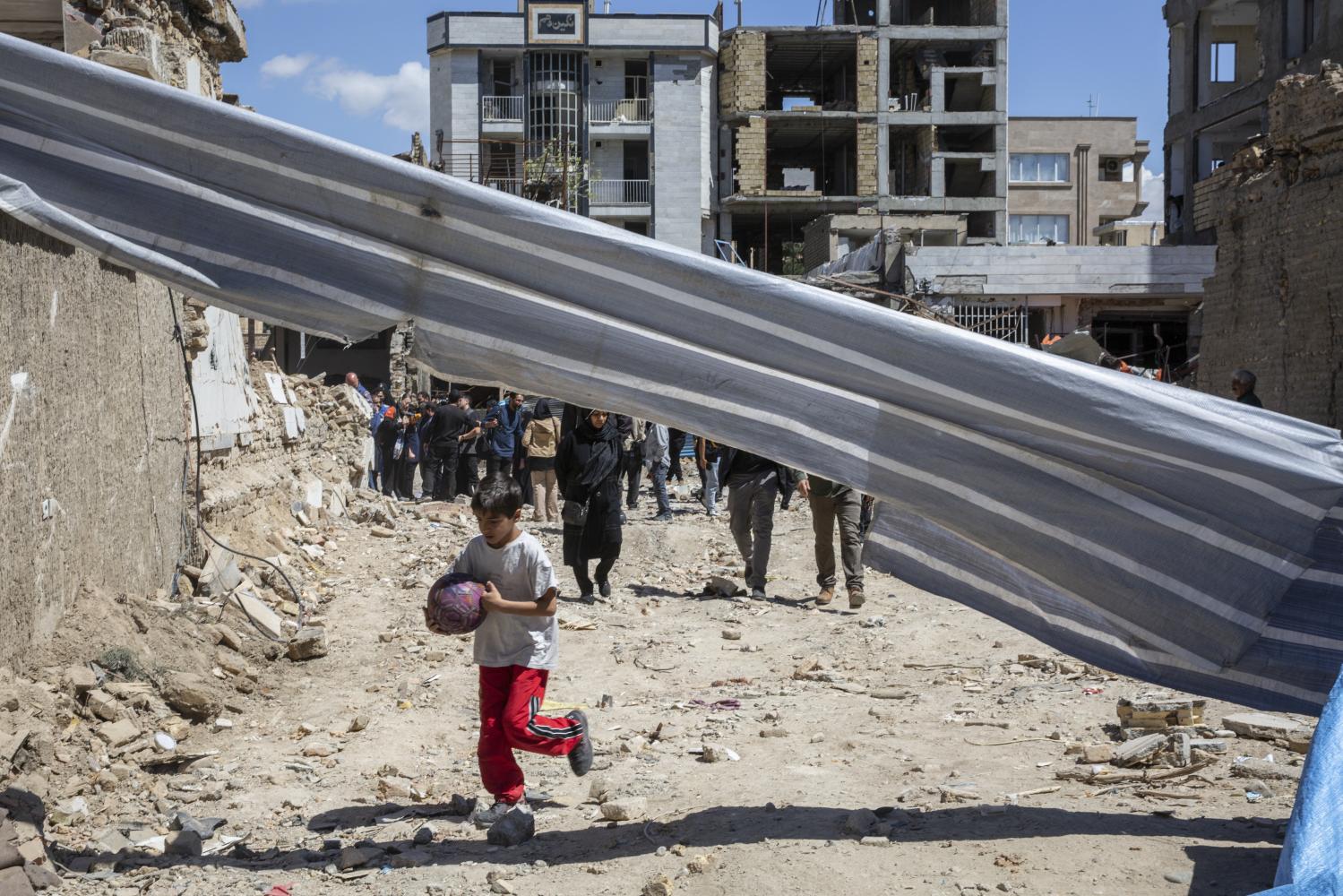
» In the space of just a few weeks, the throttling of shipping traffic through the Strait of Hormuz has revealed the true nature of the US-Israeli war with Iran. This is no regional conflict, because the entire world is being invoiced. While the size of the bill remains to be determined, it is already obvious that the belligerents won't be the only ones paying the tab.
Asean banks face climate pressure
Oped, Rachel Ho, Published on 08/04/2026
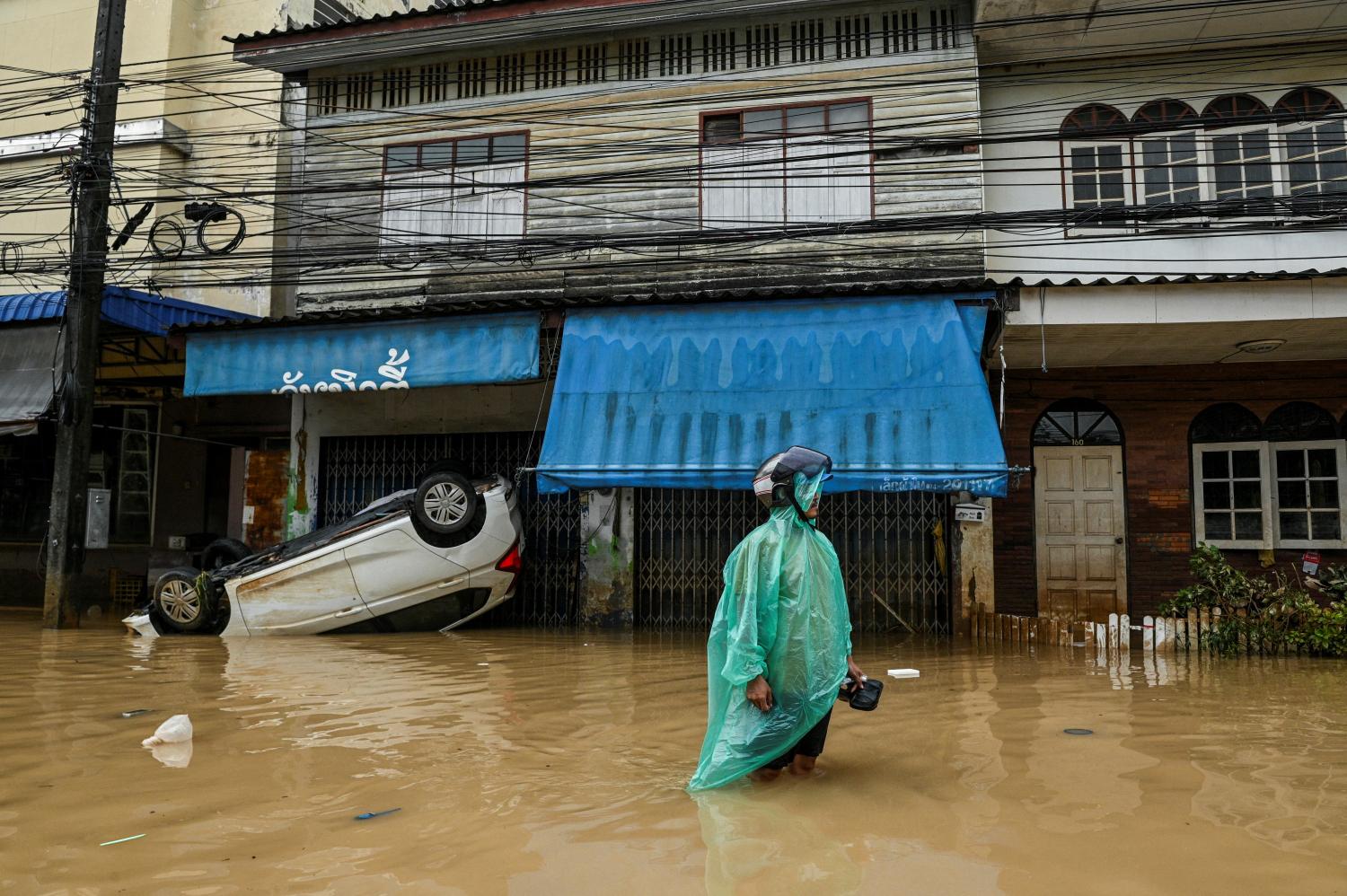
» The global oil and gas crisis is worsening. Amid the Middle East war, the central banks of countries in Southeast Asia must address a perfect storm of rising fuel prices, cost-of-living pressures, and worsening impacts of climate disasters.

Iran's water weapon against Gulf
Oped, Michael Christopher Low, Published on 07/04/2026
» The oil-rich monarchies of the Persian Gulf are often described as petrostates. But the US-Israeli war with Iran has highlighted that they are also saltwater kingdoms, societies whose survival depends on desalination, or converting seawater into potable water at industrial scale.
Will Kharg Island decide the future of US alliances?
Oped, Carla Norrlöf, Published on 03/04/2026
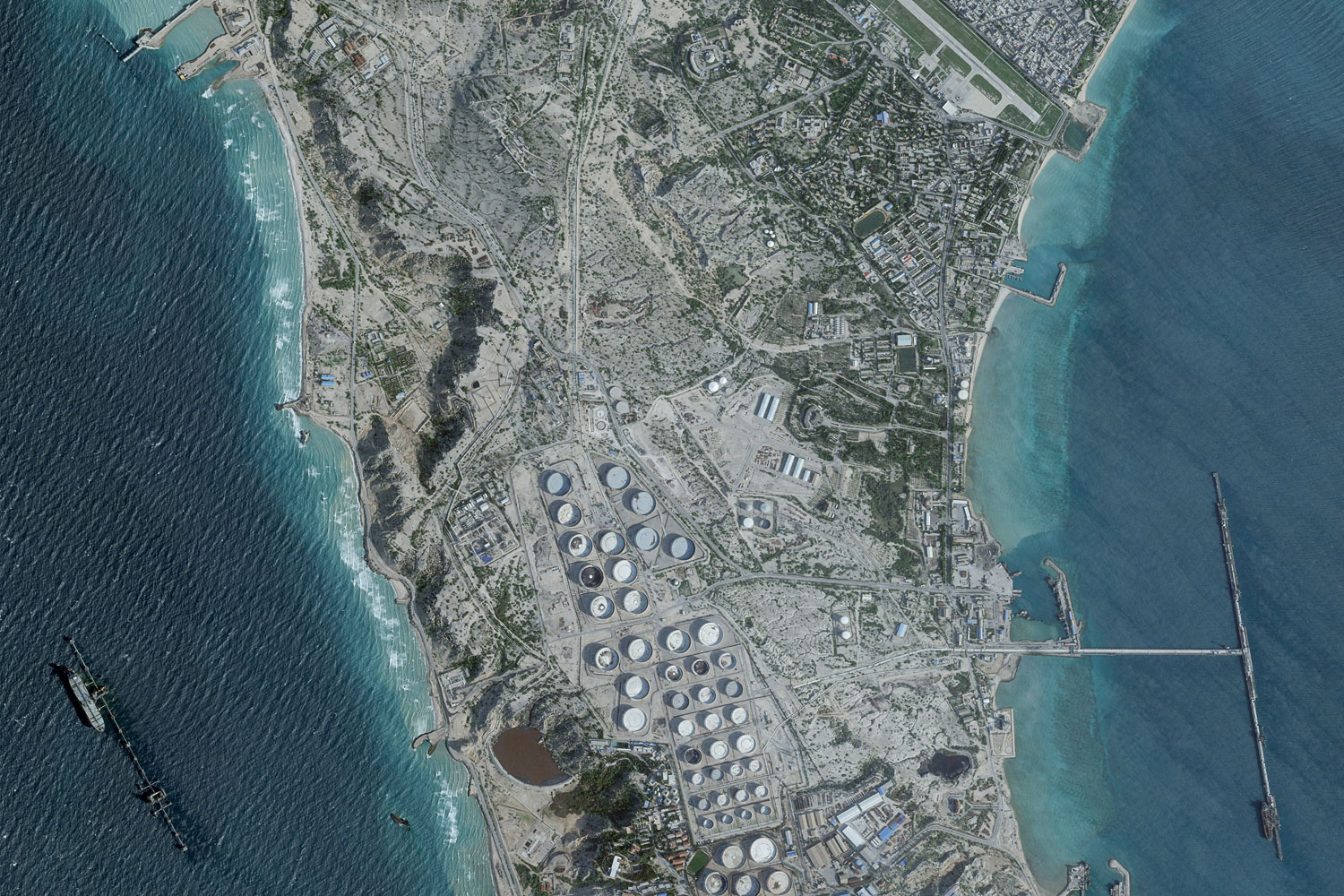
» The key question about Iran's energy-export terminal on Kharg Island is not whether the United States can seize or disable it. Of course it can.
Some shock therapy or slow healing?
Oped, Chartchai Parasuk, Published on 02/04/2026
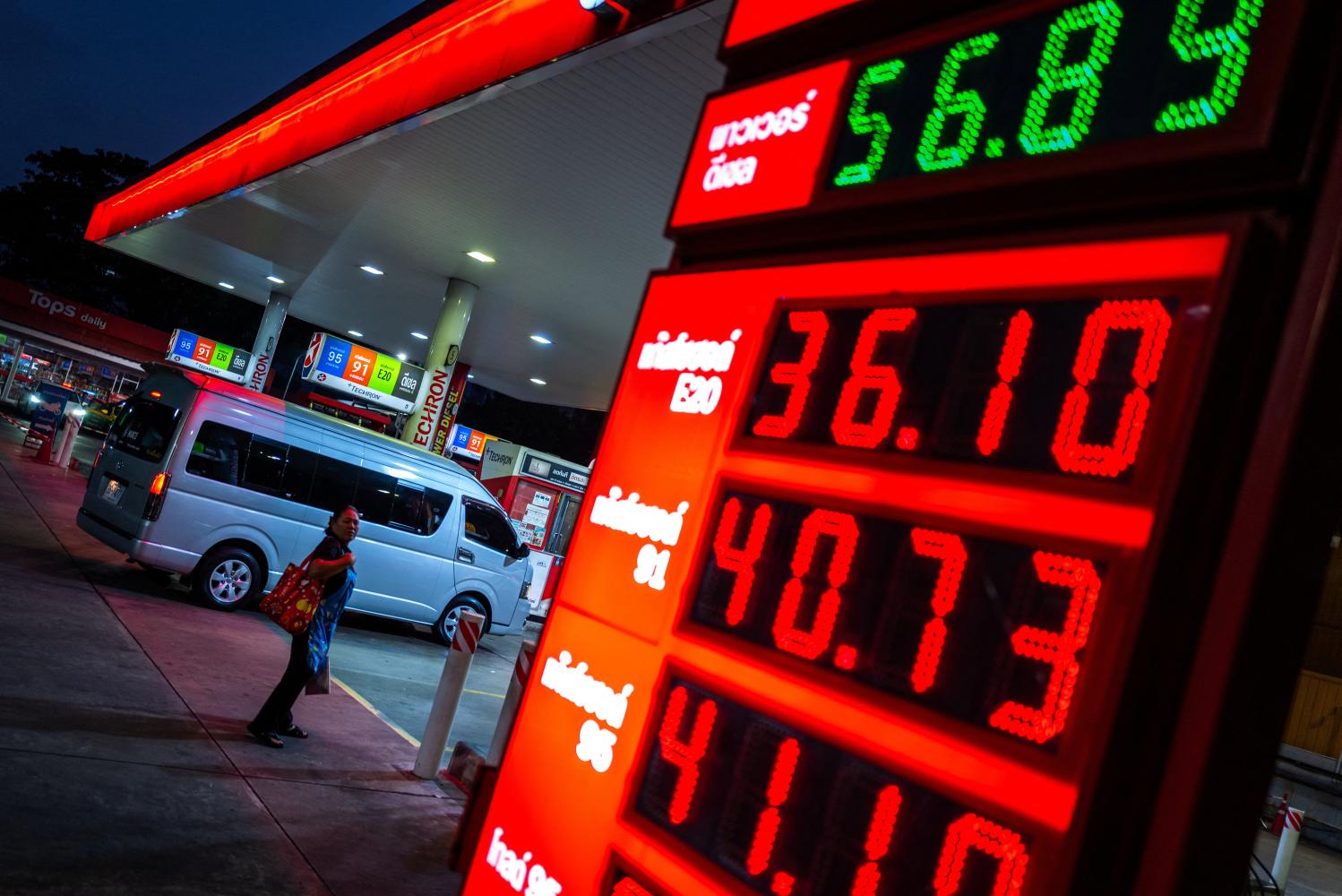
» Do readers prefer shock therapy or slow healing? This is not a health question, but an important economic one.
US must let IAEA do its job in Iran
Oped, Helen Clark, Published on 31/03/2026
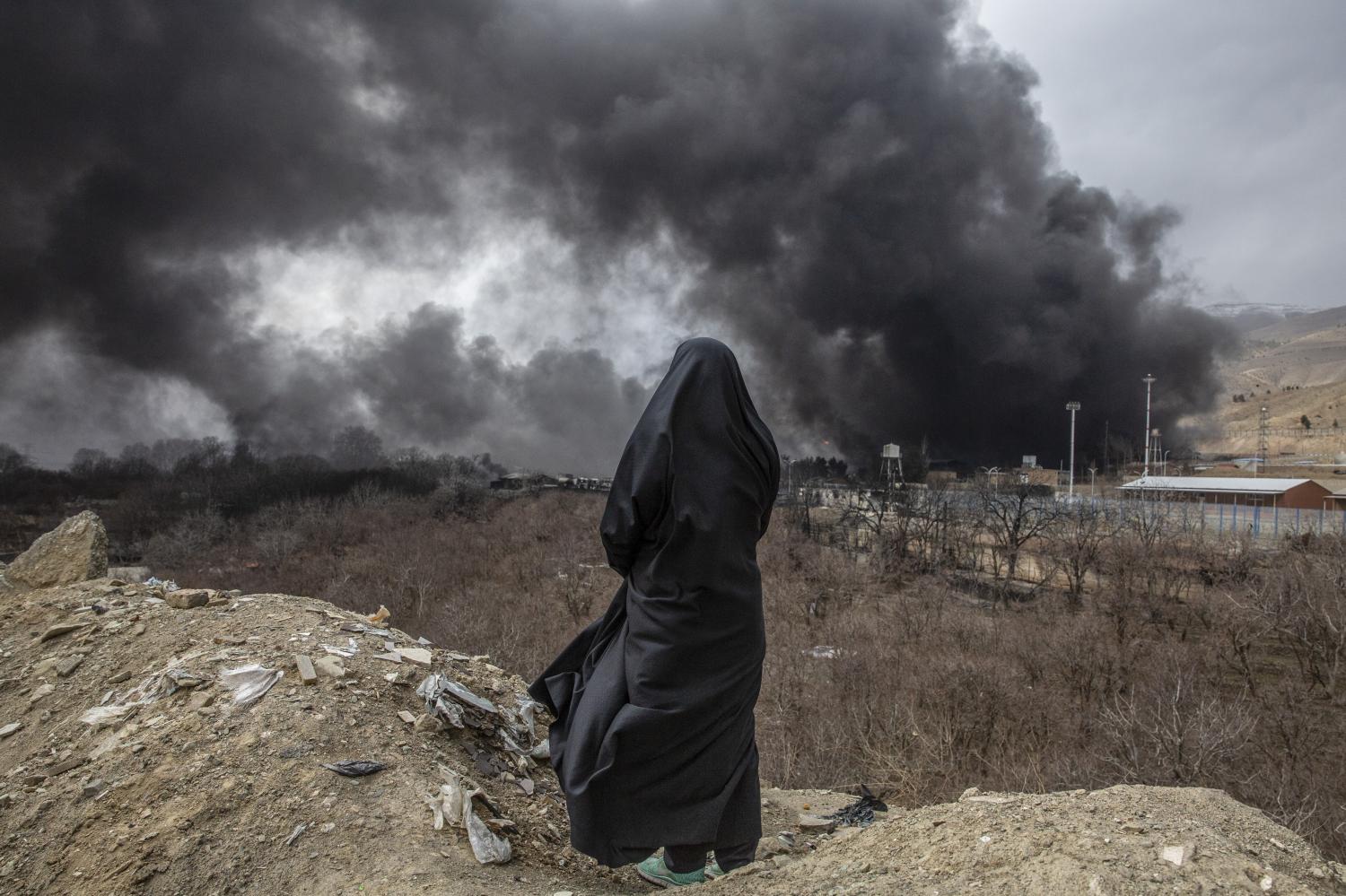
» The US-Israeli war on Iran has already destabilised the global economy and the geopolitics of the Middle East. Even more alarming, recent reporting shows that US President Donald Trump is deploying ground troops, a prospect that immediately evokes memories of past failed interventions -- from Vietnam to Iraq -- with their high costs in American and especially local lives.

Education rethink
Oped, Postbag, Published on 27/03/2026
» Re: "Social Security Fund reform 'urgent' as society ages", (BP, March 25).
Iran war: One miscalculation after another
Oped, Gwynne Dyer, Published on 24/03/2026
» Still not four full weeks into the war, and already Donald Trump's "short-term excursion" -- decapitate the Iranian regime with a surprise attack and impose harsh terms on the defeated survivors -- has morphed into a global economic crisis and a region-wide war that could destroy the wealth of all the countries on both sides of the Gulf. At the very least.

Anutin's first big test
Oped, Editorial, Published on 23/03/2026
» The latest escalation in the Middle East targeting energy infrastructure is not merely another flurry of geopolitical tension, but a systemic shock to the global order with the potential to reverberate far beyond oil markets.