



Showing 1 - 10 of 76
Fanatics, an obsessive, and a belligerent fool
Oped, Gwynne Dyer, Published on 07/04/2026
» We don't have to look very far to find a useful historical analogy for the current crisis in the Middle East. In 1967, Egypt closed the Strait of Tiran to Israeli ships, and Israel replied with a surprise air attack that destroyed almost the entire Egyptian air force on the ground.
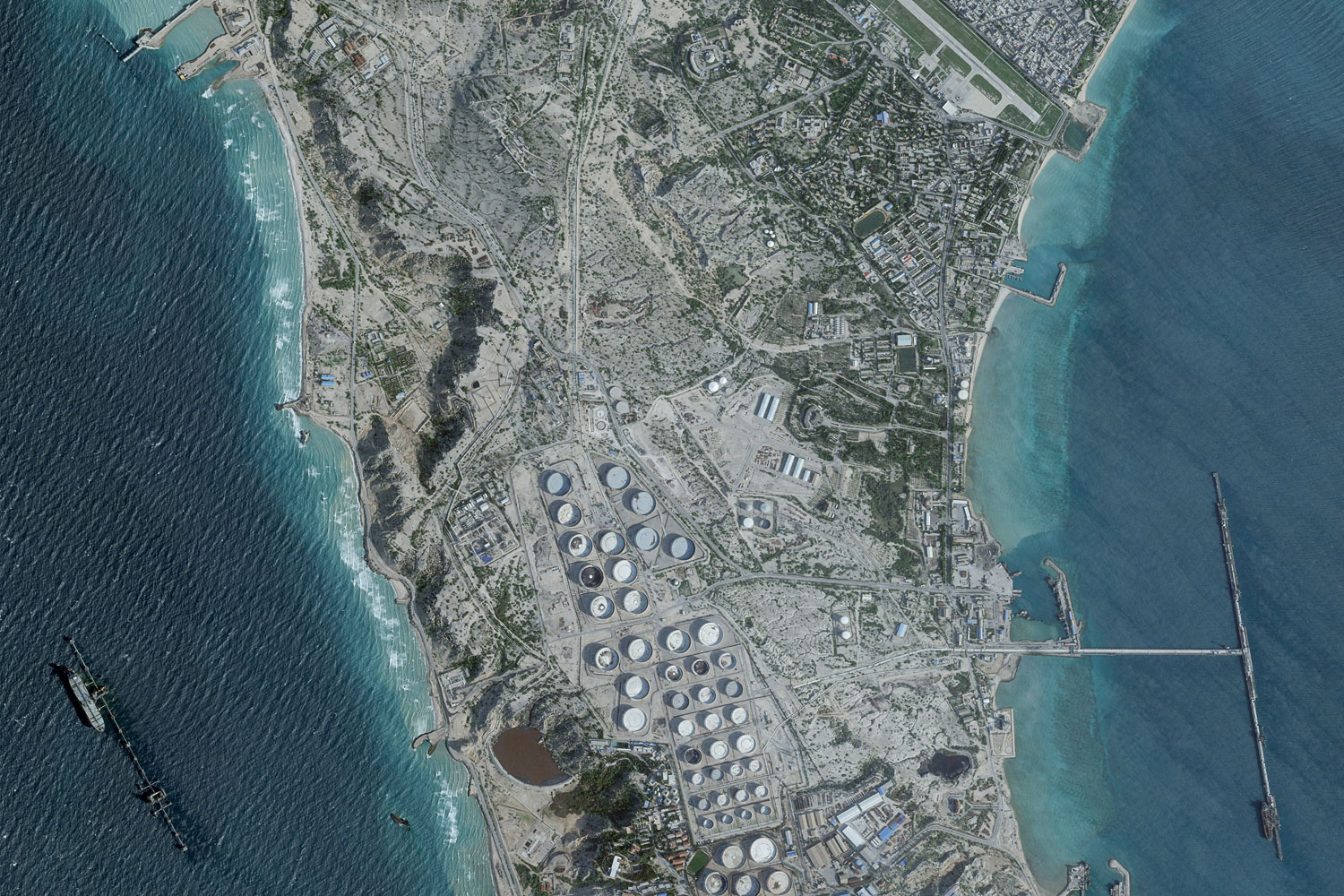
Will Kharg Island decide the future of US alliances?
Oped, Carla Norrlöf, Published on 03/04/2026
» The key question about Iran's energy-export terminal on Kharg Island is not whether the United States can seize or disable it. Of course it can.

The fire this time is for US climate science
Oped, Gwynne Dyer, Published on 18/03/2026
» In 1953 Ray Bradbury, an American writer, published a book entitled simply Fahrenheit 451. It was a novel about an American fireman in a not-too-distant future who realised that he was doing his job all wrong -- because his job was to burn books, which were banned in that future America. (451°F is the temperature at which paper catches fire.)
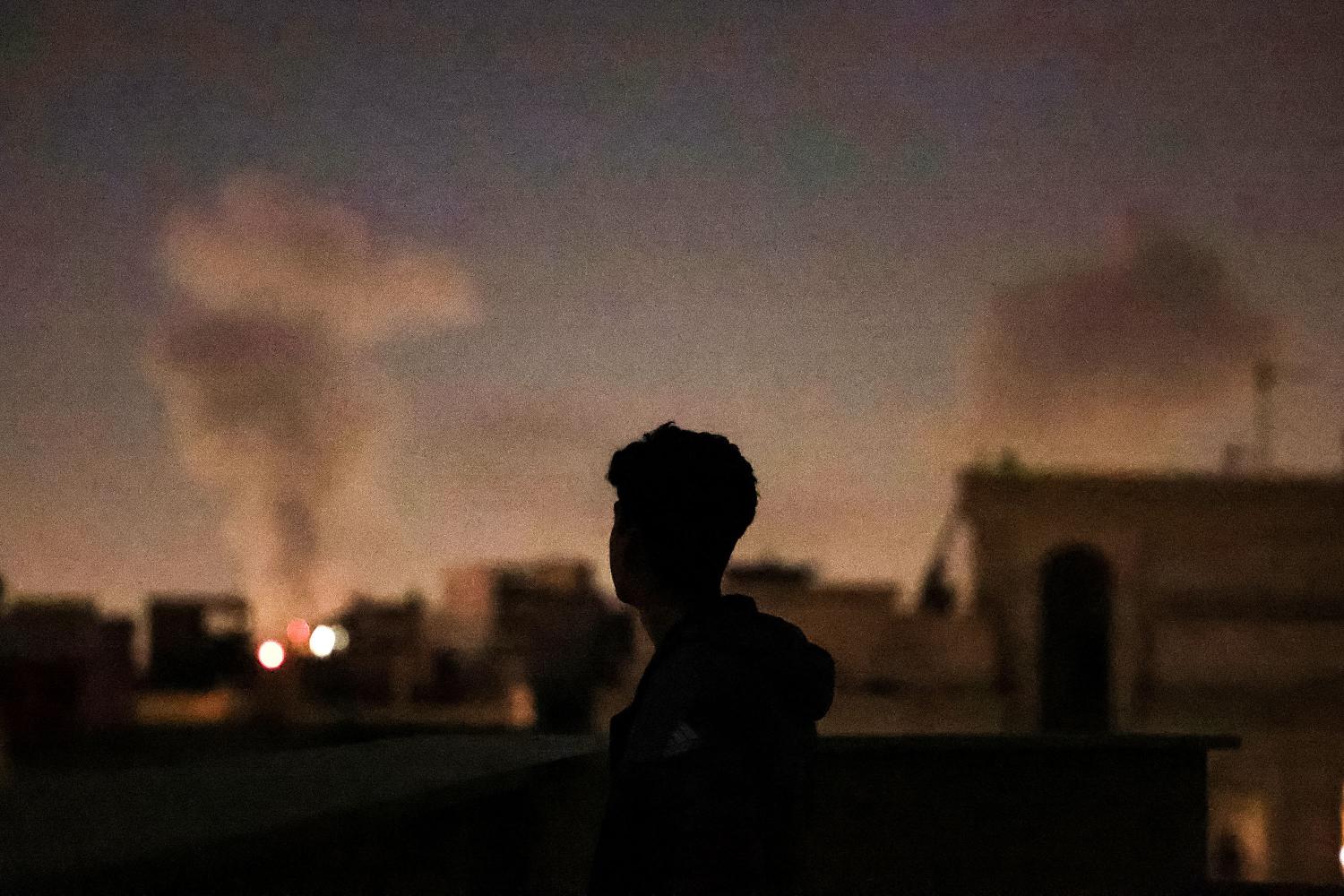
The long road to war with Iran
Oped, Carla Norrlöf, Published on 06/03/2026
» As the conflict with Iran reshapes global security assumptions and energy markets, the debate in the United States has focused largely on why President Donald Trump chose war in the first place. Was it domestic politics, a desire to project strength, a miscalculation, or something else?
The treacherous sycophancy of the populists
Oped, Michael Burleigh, Published on 15/12/2025
» Until a few days ago, it had never crossed my mind that people across Europe -- including Londoners like me -- were living in a strife‑afflicted hell hole, "suffocated" by regulations, stripped of political liberties, and bound for "civilisational erasure". So, it was with some surprise that I read this assessment in the new US National Security Strategy -- a document that echoes pseudo‑intellectual propaganda more than resembling any serious foreign‑policy analysis.
America will pay for pushing India away
Oped, Brahma Chellaney, Published on 11/12/2025
» At a time when US policy towards India has become distinctly punitive, Indian Prime Minister Narendra Modi's warm reception for Russian President Vladimir Putin in New Delhi last week could not have been more pointed. Mr Modi's message was clear: India is a sovereign power that will not be dragooned into choosing sides in a widening rift between "the West and the rest".

New tech disrupts global order
Oped, Mark Blyth & Daniel Driscoll, Published on 18/11/2025
» News media tend to focus on the world's major powers because they command more resources by dint of their relatively larger economies, militaries and energy endowments. But there are costs to such dominance. For example, a single American Gerald R Ford-class aircraft carrier costs $13 billion (421.6 billion baht), while the F-35 fighter jet costs about $100 million. So, if you can build your military equipment for less than your opponent, you can gain a strategic advantage.
Forget Canada. Better invade Venezuela first!
Oped, Gwynne Dyer, Published on 29/10/2025
» Question: Why do some Canadians want Mr Trump to invade Venezuela?
Trump's govt makes peace in Kyiv a priority
Oped, John J Metzler, Published on 21/08/2025
» The landmark political summit between President Donald Trump and Russian leader Vladimir Putin, set in the geographical majesty of Alaska, offered the opening scenes to what could be the long-sought path to peace in Ukraine. Yet few genuine diplomatic observers presumed a political deal could be "done in a day" to bridge the yawning trust gap between the ongoing Russian aggression and beleaguered Ukraine.
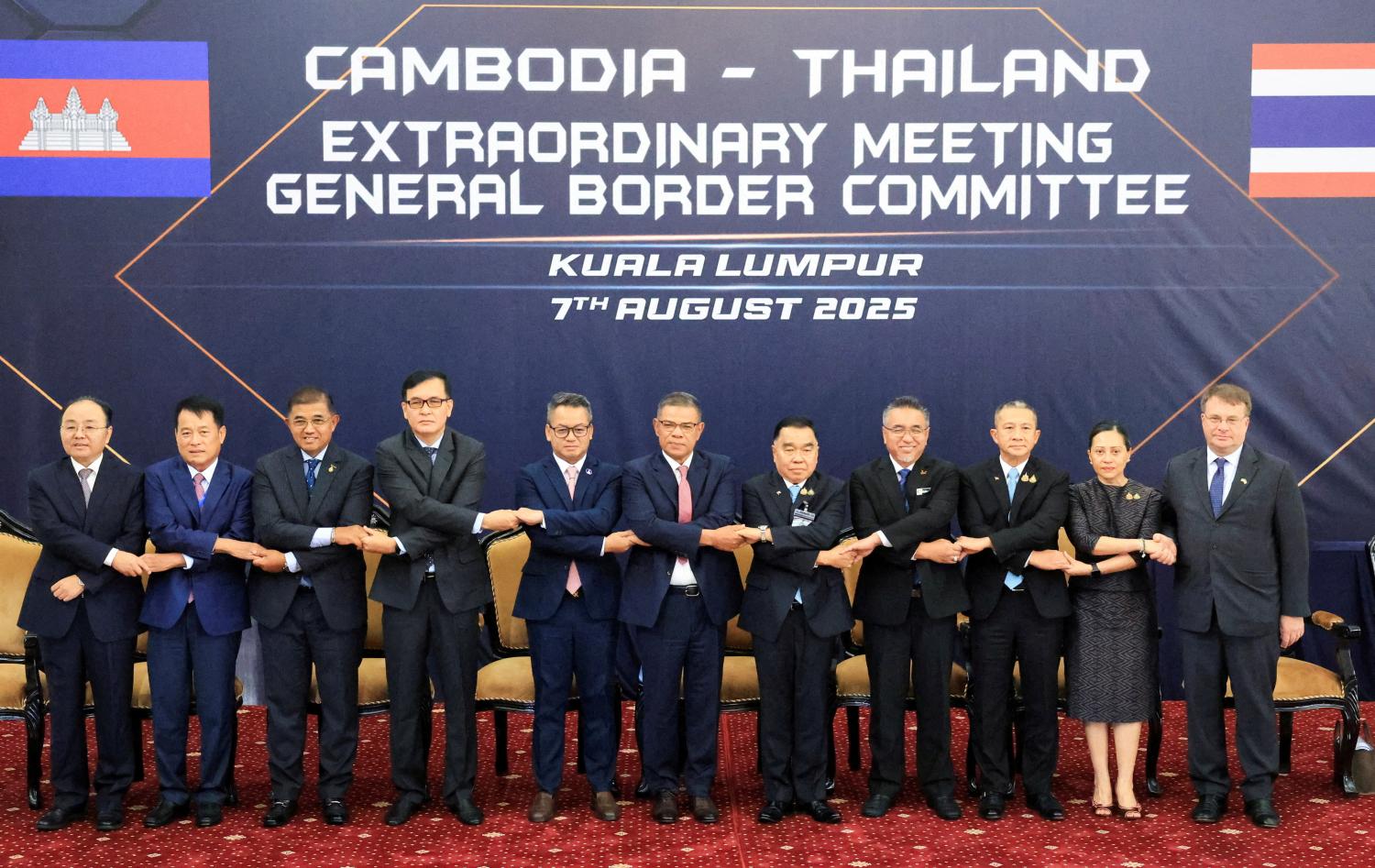
Thai-Cambodian feud is Asean's worst
Oped, Thitinan Pongsudhirak, Published on 15/08/2025
» The border dispute and consequent military conflict between Cambodia and Thailand in recent weeks have become Asean's worst crisis in its 58 years of existence. Ironically, it was an intra-regional war between Indonesia and Malaysia that gave rise to Asean in 1967, but now an intra-Asean military clash is undermining the Southeast Asian organisation's core reason for being and its main claim to credibility and prominence. Unless Asean, under Malaysia as its rotational chair this year, moves fast to contain the bilateral dispute and reinforce a delicate ceasefire agreement, Southeast Asia will be looked upon increasingly as a region and less as an organisation of member states.