




Showing 1 - 10 of 323
Somaliland: Mixed motivations
News, Gwynne Dyer, Published on 03/01/2026
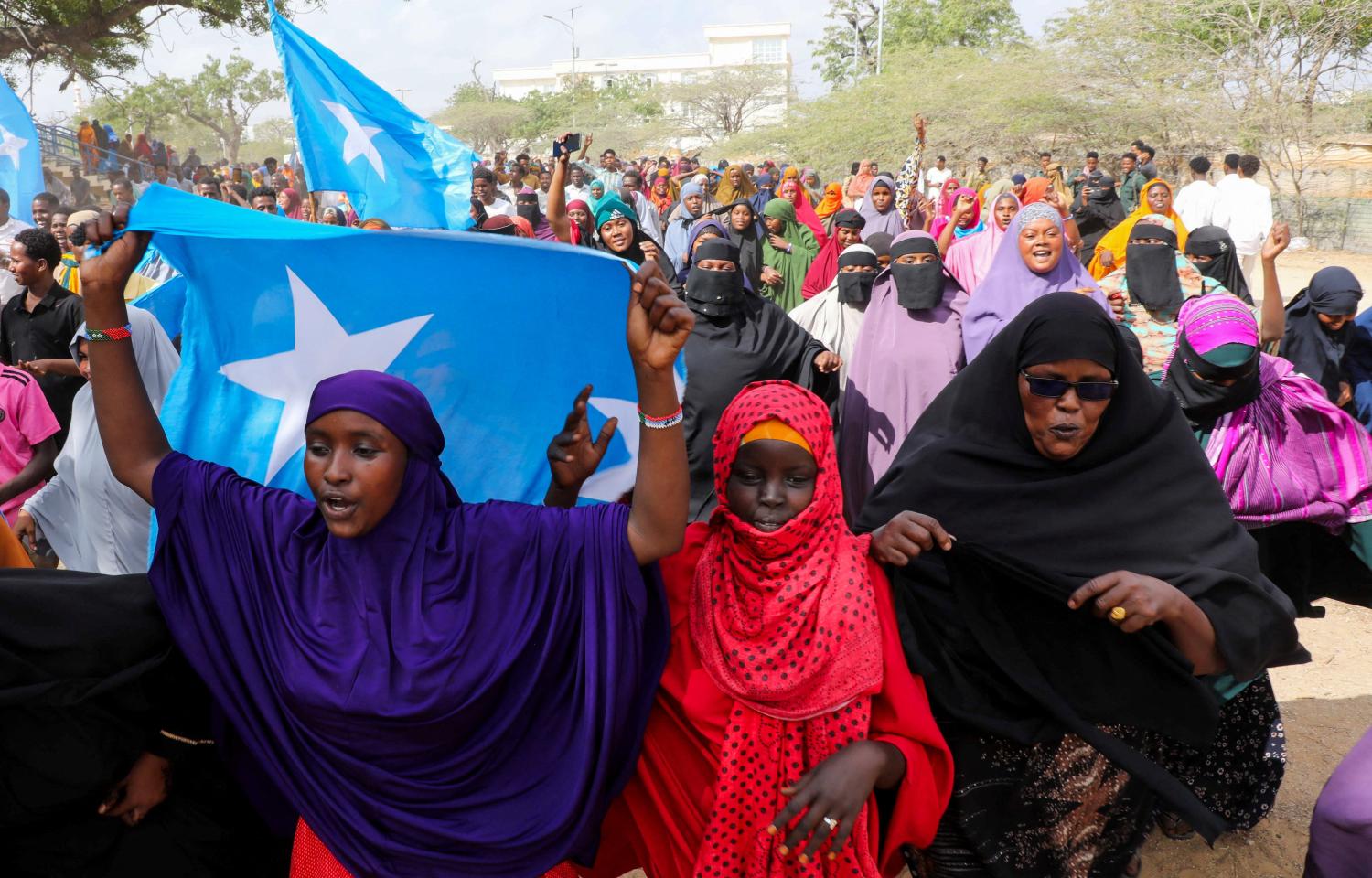
» Last week Israel was the first country in the world to establish diplomatic relations with Somaliland. Not Somalia, a wreck of a country on the East African coast that has been mired in civil war for the past thirty-five years, but Somaliland, a different country just north of there that has been peaceful, relatively prosperous and even democratic for all those years.
Rethinking local flood management
News, Peerasit Kamnuansilpa, Published on 12/12/2025
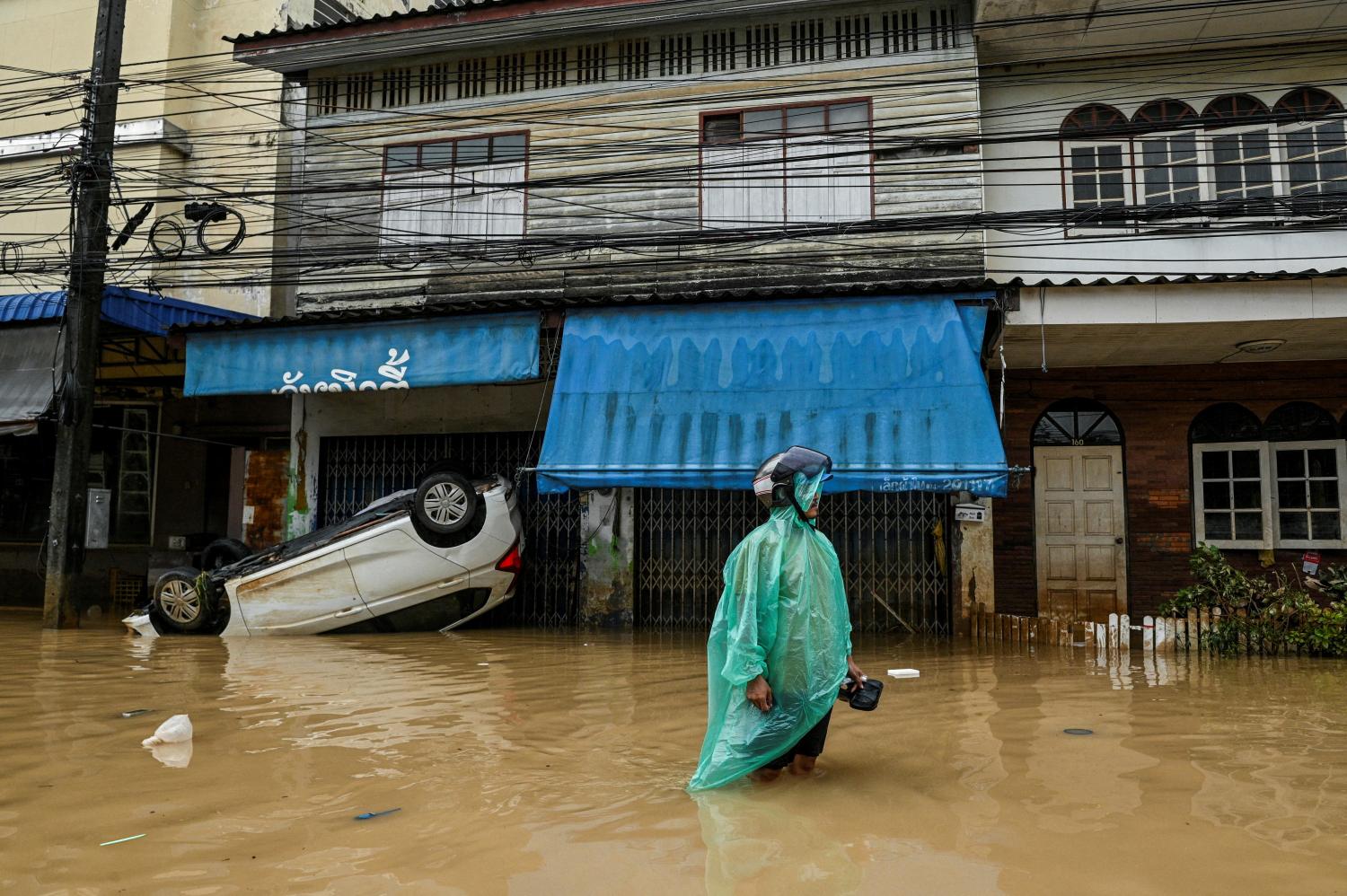
» As global temperatures rise, extreme rainfall and severe flooding are happening around the world. The science is clear; with every 1 degree Celsius increase, the atmosphere will hold 7% more water vapour. This may explain why storms are more intense as the world warms.

Trump's doubling of tariffs is hitting India hard
Oped, Shashi Tharoor, Published on 05/12/2025
» US President Donald Trump's doubling of tariffs on a wide range of Indian goods, from a steep 25% to a catastrophic 50%, is reshaping India's export economy. Half of what India sells to the United States -- its largest trading partner -- is now prohibitively expensive, and ordinary Indians are suffering as a result.

AI as Asia's new growth engine?
Oped, Lee Jong-wha, Published on 27/11/2025
» Two decades after globalisation fuelled a global economic boom, growth has shifted onto a more subdued path, where it is likely to remain for the foreseeable future. Beyond the immediate shock of fragmenting trade and investment ties -- a result of rising geopolitical tensions, particularly between the United States and China -- lie structural headwinds, including population ageing, stagnant productivity, and the growing costs of inequality and natural disaster. These challenges strike at the heart of Asia's growth model.
Rising heat needs urgent response
Oped, Armida Salsiah Alisjahbana, Published on 24/11/2025
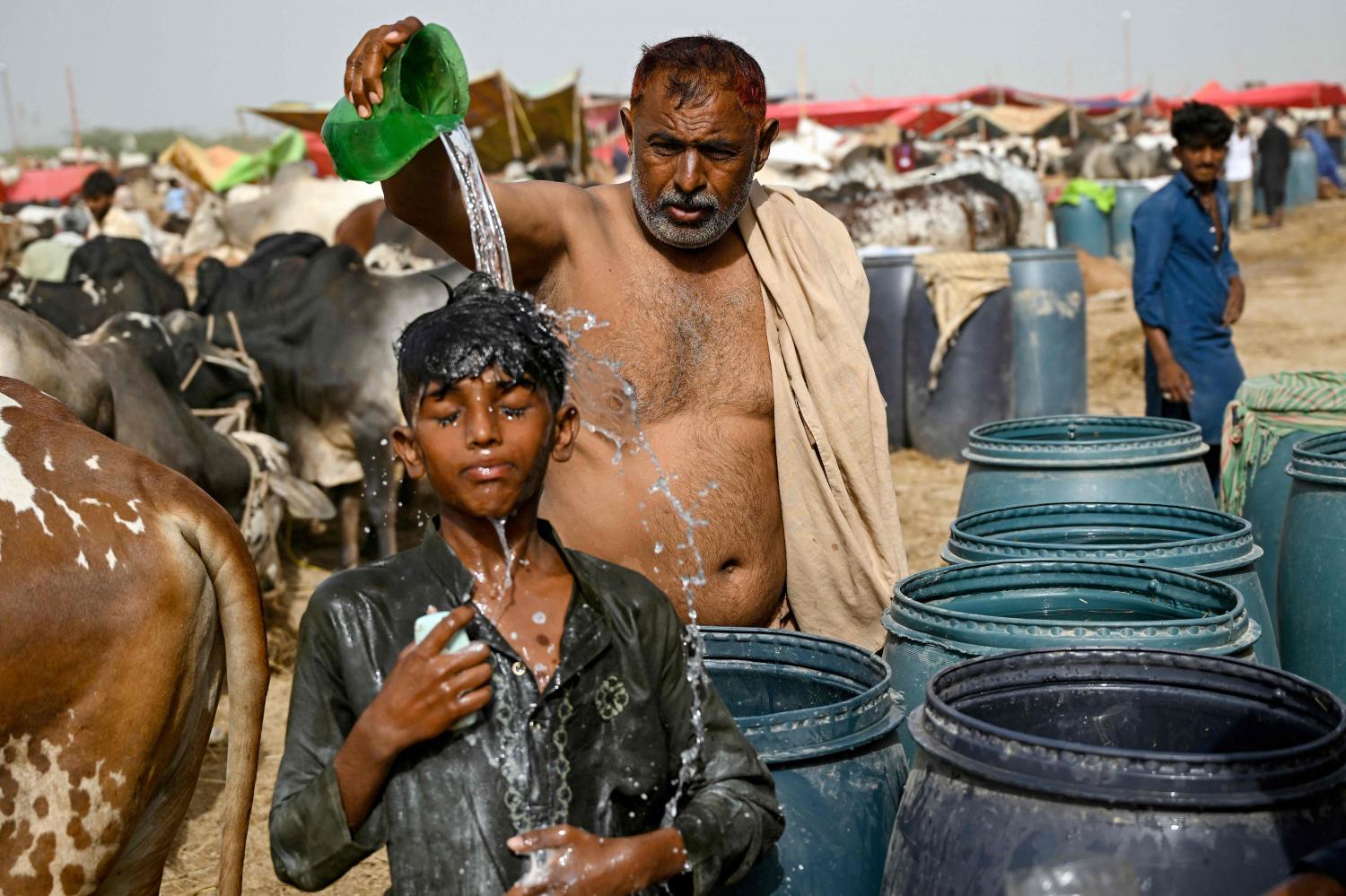
» 2024 was the hottest on record globally. In Asia and the Pacific, Bangladesh was the worst-hit country, with about 33 million people affected by lower crop yields that destabilised food systems, along with extensive school closures and many cases of heatstroke and related diseases. Children, the elderly and low-wage earners in poor and densely populated urban areas suffered the most, as they generally had less access to cooling systems or to water supplies and adequate healthcare. India, too, was badly affected, with around 700 heat-related deaths mostly in informal settlements.
Socialism's novel brand of nomenclature
Oped, John J Metzler, Published on 18/11/2025
» On Nov 9, 1989, the Berlin Wall collapsed. On a very ordinary night, thousands of East Germans started crossing the dividing barrier between the communist East and capitalist West Berlin after the East German regime had suddenly opened tightly controlled border crossings. In a matter of hours, history was made. Throngs of people soon swamped the Wall and then started smashing the hated communist barrier into concrete rubble.

Trump returns to Asean with a bang
Oped, Kavi Chongkittavorn, Published on 28/10/2025
» The Asean chair, Malaysian Prime Minister Anwar Ibrahim, said it all. Acknowledging US President Donald Trump's presence during the signing ceremony on Thailand-Cambodia relations on Sunday, he stated: "We, of course, admire your tenacity and courage because the world needs leaders who promote peace strongly."
Can ethical supply chains survive tariffs?
Oped, Joleen Ong, Published on 10/10/2025
» Recent geopolitical developments have underscored the fragility of global supply chains, reminding businesses in constantly evolving sectors like consumer goods and fashion that the strength of supplier relationships is one of the few persistent sources of resilience. Maintaining such relationships through responsible purchasing is not only ethical but strategically necessary.

Postal services still lead the way
Oped, Vinaya Prakash Singh, Published on 09/10/2025
» World Post Day, observed every year on Oct 9, was proclaimed by the 1969 Universal Postal Congress in Tokyo to mark the anniversary of the founding of the Universal Postal Union (UPU) in 1874 in Berne. Across 192 UPU member countries, the day is celebrated through the launch of new products, the opening of postal facilities, employee recognition, and community engagement.
Time to help Rohingya refugees
Oped, Kannavee Suebsang, Mercy Chriesty Barends & Andrew Hudson, Published on 29/09/2025
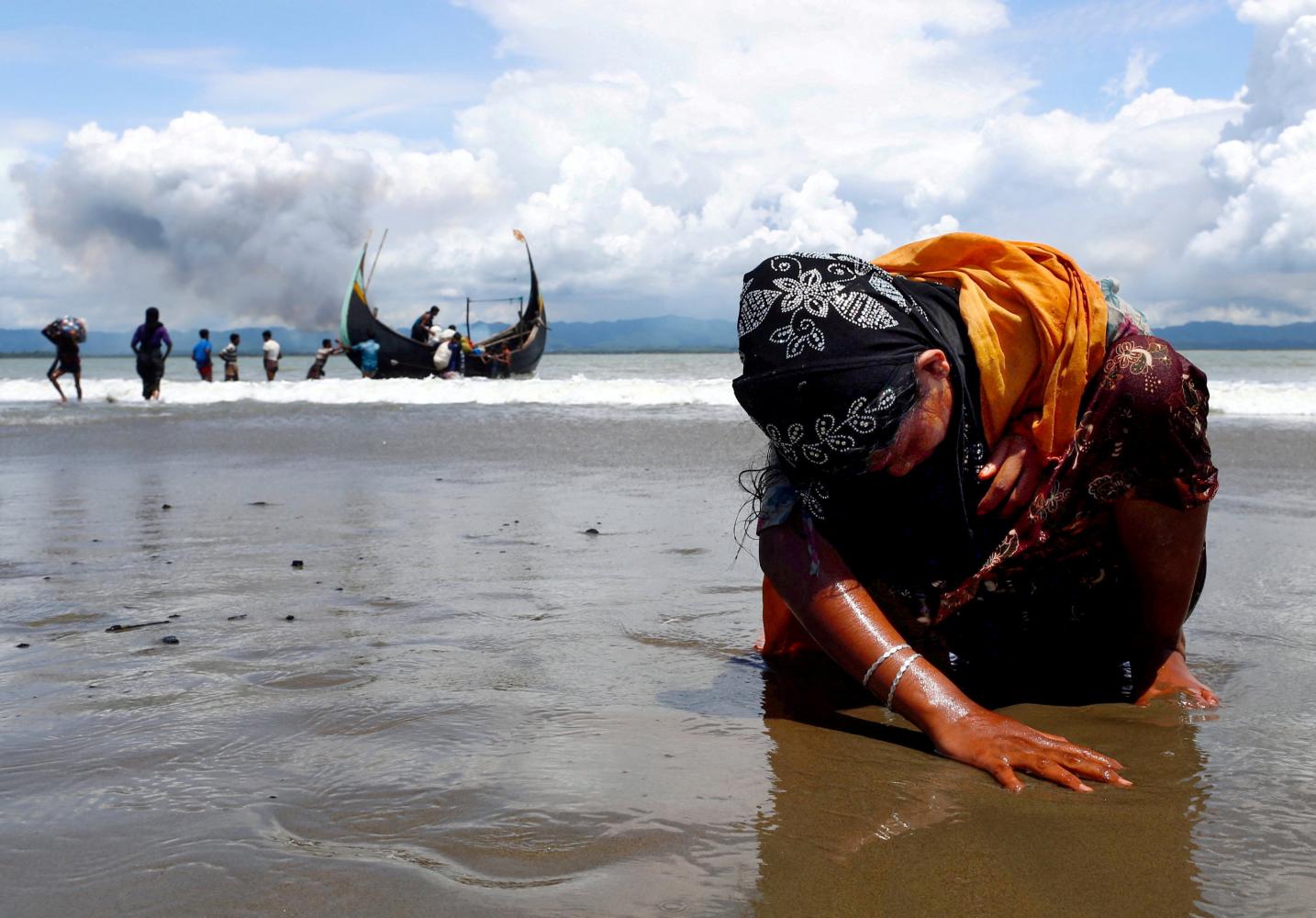
» Just over eight years since 700,000 Rohingya were forced out of Myanmar over the border into Bangladesh in what the UN has described as a "textbook example of ethnic cleansing", people continue to languish in camps in Cox's Bazar without access to work or education. Those remaining in Myanmar are largely confined to internally displaced camps, or forcibly conscripted to fight for the military junta.